AI image
Alaska wants out of a diesel rule that shuts trucks down in the cold
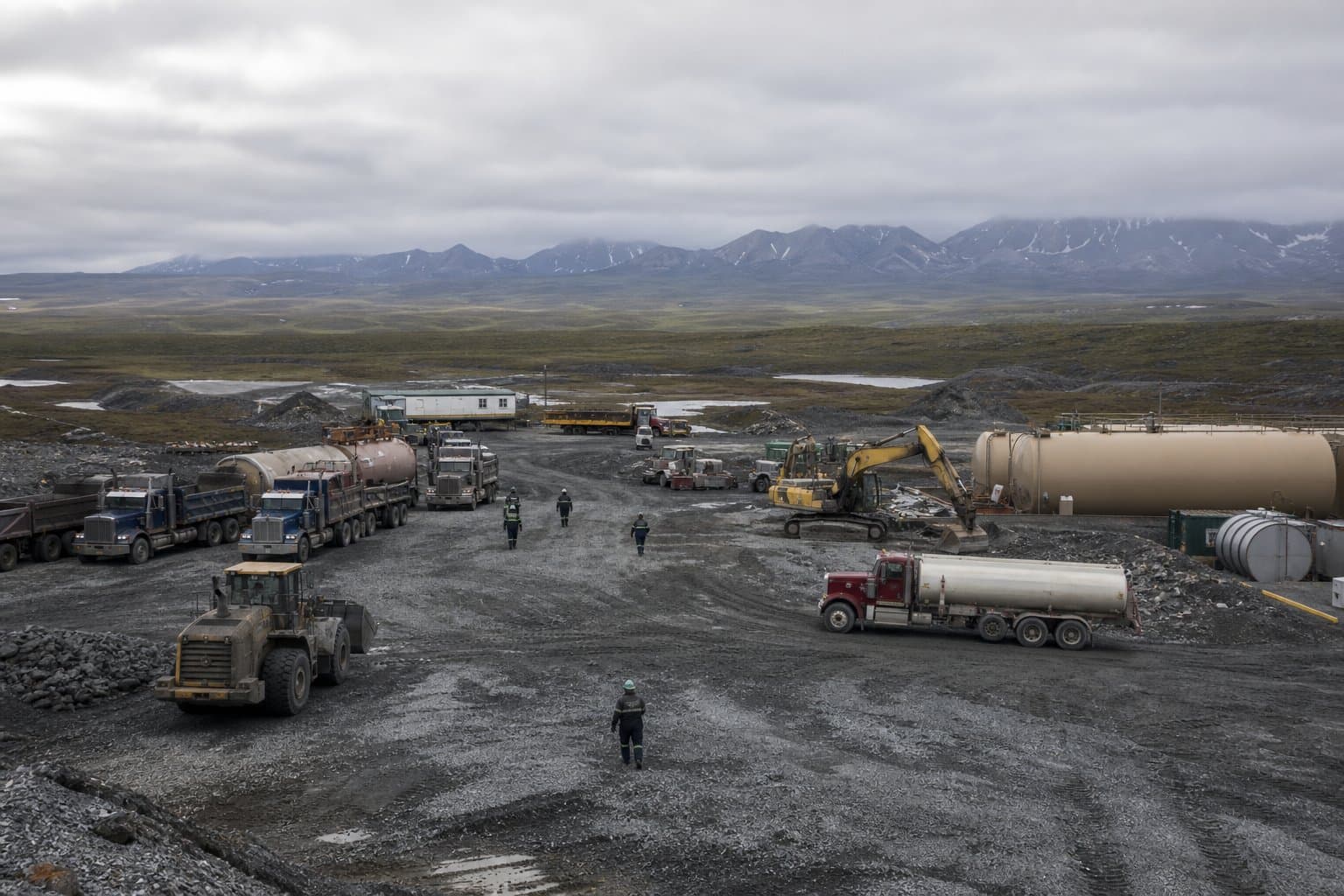
Alaska is asking the EPA to exempt its diesel trucks and heavy equipment from an emissions rule that can shut them down in extreme cold.
The issue is a fluid called DEF — diesel exhaust fluid — that modern diesels use to cut pollution. It freezes at about 12 degrees. When the system detects a fault in the cold, federal rules make the engine "derate," cutting power or shutting down even when the engine itself runs fine. On a remote haul road at 40 below with no cell service, a stalled truck is a serious safety risk.
It's not only truckers. Alaska's Department of Transportation has documented the problem in its snowplows: plows losing power mid-storm, graders sidelined in whiteouts, equipment hauled hundreds of miles for emissions repairs — cutting the fleet when winter storms hit hardest. The state's DOT commissioner told Congress that DEF failures caused 70 to 80 percent of the department's diesel maintenance problems over two years.
A petition in the EPA's rulemaking asks for an Alaska-specific exemption from the derate provisions before the standards tighten in 2027. There's precedent: the agency already exempts remote Alaska from some diesel rules and sets separate standards for remote territories like American Samoa on reliability grounds.
The EPA's case cuts the other way. The derate rules exist to stop operators from tampering with emissions systems, and the agency argues uniform national standards are what deliver cleaner air fleet-wide. DEF systems are also built to thaw and recover within about 15 to 30 minutes of startup, so part of the question is how often cold genuinely strands a driver versus trips a warning that clears. The EPA hasn't committed either way.
Source: U.S. Environmental Protection Agency, U.S. Environmental Protection Agency: Amendments and Nonconformance Penalties for Model Year 2027 and Later Heavy-Duty Highway Engines and Amendments to Inducement Provisions for SCR-Equipped Diesel Engines.
Made by our human newsroom with AI. How humans and AI work here · Grow with our newsroom
Discussed in
Stay informed. Support what matters.
Free, permanent access to local news you can verify. Subscribe to support Melinda Communities.News and go ad-free.
Related Coverage
EPA moves to stop Alaska's cold from shutting down diesel engines
Alaska News · 3mo ago
Sullivan diesel-derate bill advances Senate committee 10-9
Alaska News · 3w ago
EPA suspends Arctic clean-diesel rules amid Middle East supply crunch
Alaska News · 2mo ago
Trump pardons an Alaska diesel mechanic, reigniting a fight over emissions rules
Alaska News · 3mo ago
Sullivan joins a national fight to strip California of its power to set tougher emissions rules
Alaska News · 2mo ago
Comments
Sign in to leave a comment.
No comments yet. Be the first to share your thoughts.