AI image
Alaska clears the way to bury carbon — over water-safety fears
Alaska is about to let companies start pumping carbon dioxide deep underground for permanent storage — and the fight over the rules comes down to a simple question: will it stay put, or will it foul the water people drink?
New state regulations governing underground carbon storage take effect July 7, the framework Alaska has been building since Gov. Mike Dunleavy signed the enabling law in 2024. The idea behind carbon capture is to take CO2 that would otherwise warm the atmosphere and inject it into rock formations far below the surface, locking it away. The new rules give oil and gas operators a clear state pathway to do that, with permitting, monitoring, and safety standards attached.
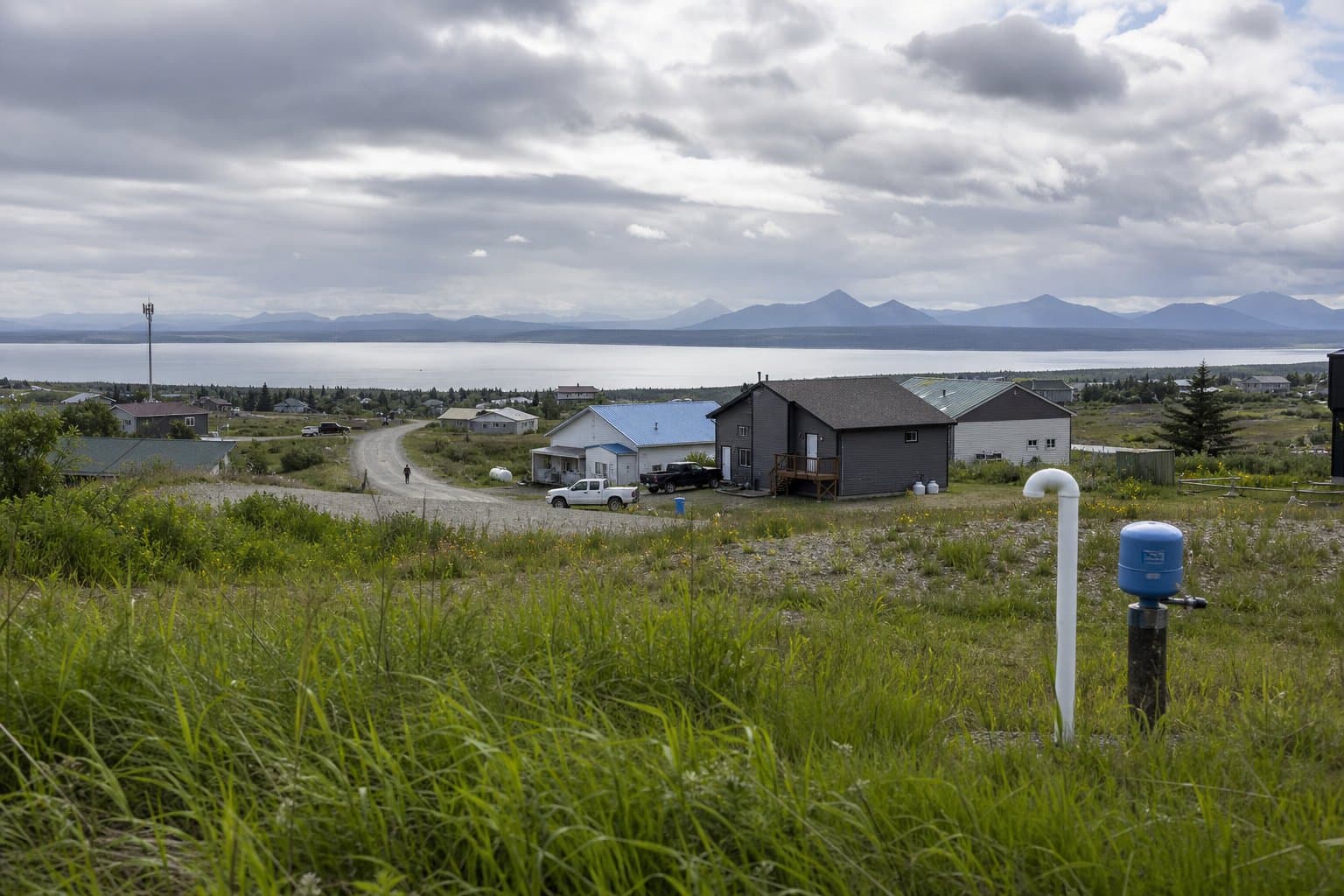
The stakes sit closest to home on the Kenai Peninsula. "The core requirement is that injection must not endanger the underground sources of drinking water," said Tom McKay of the Alaska Oil and Gas Conservation Commission, noting that matters especially on the Kenai, "because folks have drinking water wells… for their homes and businesses" there. Keeping the injected carbon from migrating into those aquifers is the whole ballgame.
Not everyone trusts the rules to do it. Six environmental and tribal groups — including Cook Inlet Keeper, the Alaska Center, and the Center for Biological Diversity — formally objected during the rulemaking, warning that the state's approach to exempting aquifers and approving injection could put groundwater and subsistence resources at risk. It's not an abstract worry: environmental and tribal advocates have contested the commission's aquifer-exemption decisions before, on the same contamination grounds.
The next move is federal. Alaska wants the EPA to hand it direct authority to permit these carbon-storage wells itself, rather than deferring to Washington — and the agency is working through the objections before it asks. Whether the state can be trusted to regulate an industry it's also trying to grow is the question underneath the whole thing.
Source: Alaska Administrative Code Register 258 published for July 2026.
AI-assisted. How we use AI
Stay informed. Support what matters.
Free, permanent access to local news you can verify. Subscribe to support Alaska News and go ad-free.
Related Coverage
Alaska seeks federal approval to regulate carbon storage wells
Alaska News · 4mo ago
Alaska takes over hazardous waste rules, with enforcement in question
Alaska News · 2mo ago
Alaska takes over hazardous waste permitting — the first state to do so in 25 years
Alaska News · 1mo ago
ASRC Energy Services gets $13.9 million toward North Slope carbon storage hub planning
Alaska News · 1d ago
A new federal water-testing rule could check rural Alaska for 'forever chemicals' — if it reaches us
Alaska News · 3mo ago
Comments
Sign in to leave a comment.
No comments yet. Be the first to share your thoughts.