AI image
Alaska tightens stormwater rules for industrial sites, with no more easy "too expensive" exits
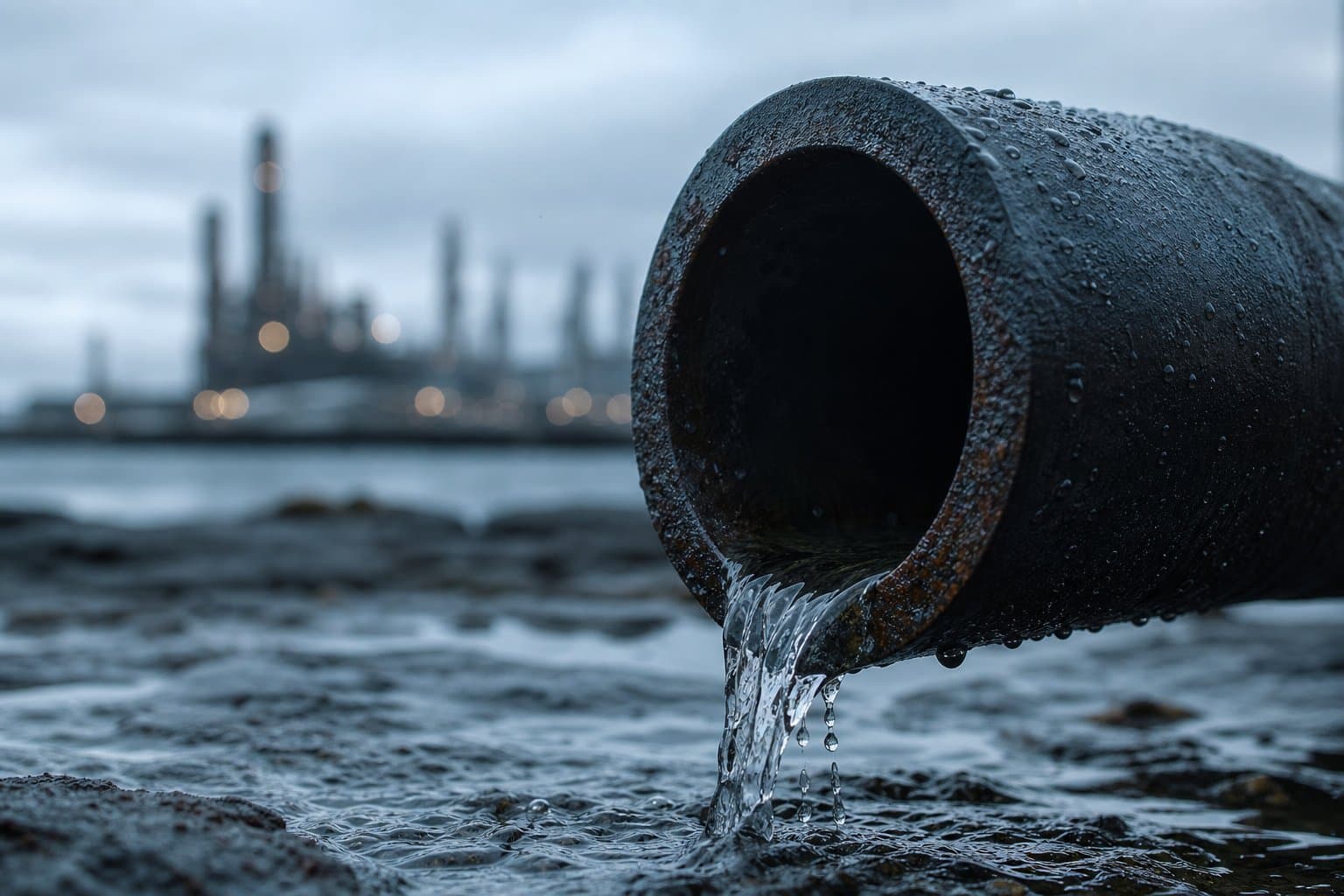
A new stormwater permit taking effect Monday will give Alaska's industrial operators less time to investigate pollution problems and end their ability to unilaterally claim a fix is too costly. The Department of Environmental Conservation's 2026 Multi-Sector General Permit covers roughly 350 ports, refineries, mines, and airports statewide.
The biggest shift is procedural but consequential. Under the old permit, facilities could decide on their own whether further reducing runoff was "economically practicable." Under the new one, DEC has to concur with any such claim. The runoff in question — sediment, metals, and other contaminants washing from industrial sites into harbors, streams, and salmon habitat — is what the permit is designed to limit.
The clock also moves faster. Facilities now have 28 days total to complete an inspection and report back to DEC after a monitoring benchmark is exceeded or a discharge is linked to an impaired water body — down from a more flexible window under the prior permit.
What gets tested also changes. Iron and magnesium come off many sector lists, while monitoring for total suspended solids and pH expands, based on federal EPA data. Quarterly testing runs for the first year of coverage; if a parameter averages below benchmark, monitoring for it can drop off.
Current permit-holders are automatically rolled in but have 120 days from Monday to file updated paperwork. The permit runs through May 31, 2031.
Source: Alaska DEC 2026 Multi-Sector General Permit (MSGP) becomes effective June 1.
Made by our human newsroom with AI. How humans and AI work here · Grow with our newsroom
Stay informed. Support what matters.
Free, permanent access to local news you can verify. Subscribe to support Bill AlaskaNews and go ad-free.
Related Coverage
Alaska takes over hazardous waste rules, with enforcement in question
Alaska News · 2mo ago
Kodiak seafood permit bars waste deposits on seafloor
Alaska News · 4mo ago
Alaska takes over hazardous waste permitting — the first state to do so in 25 years
Alaska News · 2mo ago
ADEC proposes final discharge permit for Kodiak landfill leachate plant
Alaska News · 2mo ago
Alaska DNR tightens rules for stream water reservations
Alaska News · 1w ago
Comments
Sign in to leave a comment.
No comments yet. Be the first to share your thoughts.