The Denali Commission is an independent federal agency that funds infrastructure projects across rural Alaska. It supports energy, transportation, telecommunications, bulk fuel storage and community facility projects in remote Alaska villages.
Photo: Denali Commission via Wikimedia Commons · Photo source · Public domain
denali.gov ↗510 L St, Suite 410, Anchorage, AK 99501
Places and topics in this news
Numbers are stories in the last 30 days.
Photo: BLM Alaska via Wikimedia Commons · Photo source · Public domain
Kivalina, Wales and Eek lead off $100 million push to replace village fuel tanks
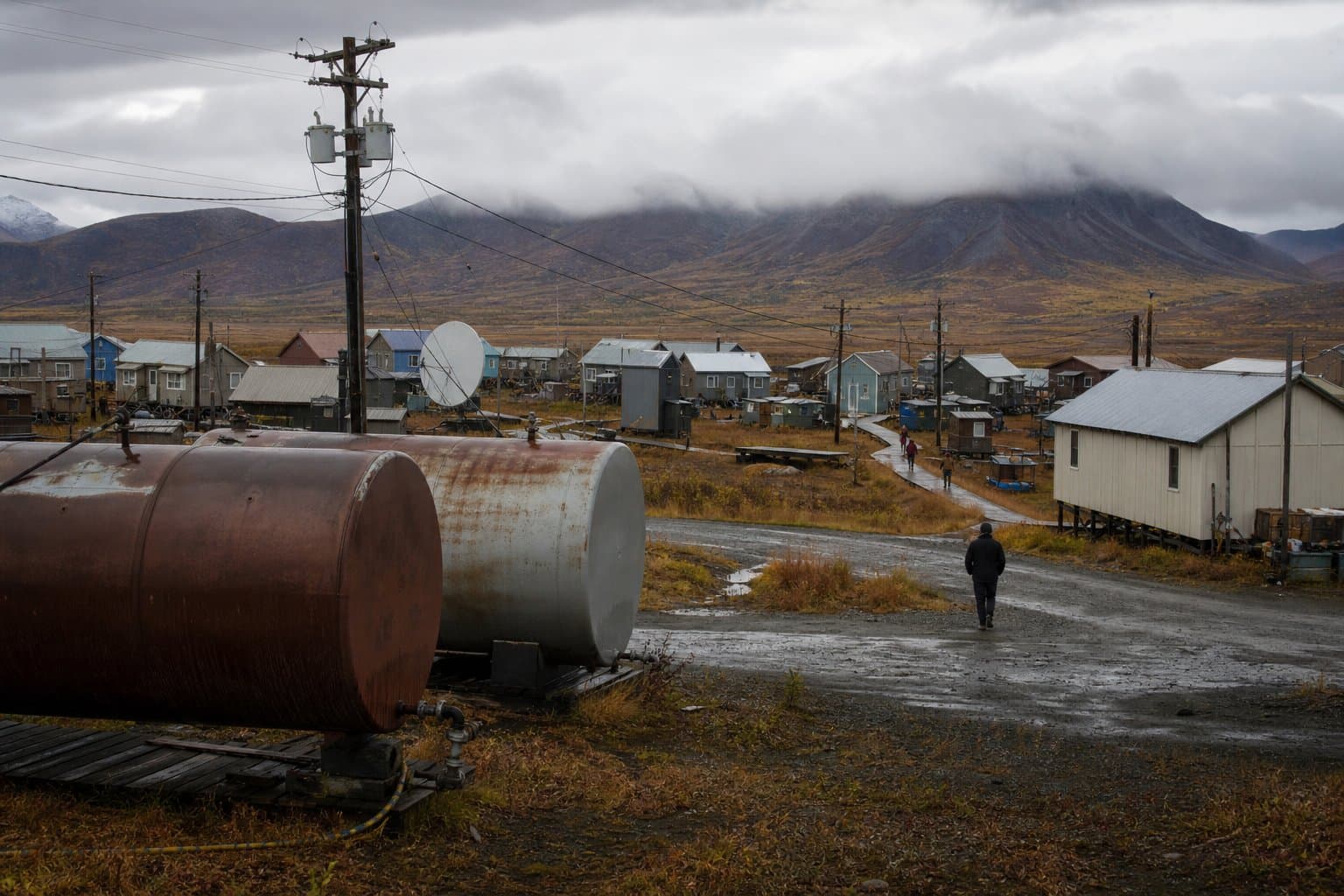
Contractors were headed to Kivalina, Wales and Eek this summer to start building new bulk fuel tank farms, the first three of 10 rural Alaska villages sharing a $100 million federal grant that runs through July 2028, the head of the Alaska Village Electric Cooperative wrote in July.
"This is life changing money for the communities involved," AVEC President and CEO Bill Stamm wrote in the column, which the cooperative posted online Wednesday. Contractors "are hitting the beaches this year to begin construction" in the three villages, he wrote, and tanks for all 10 projects have been bought and are being built for delivery over the next two years.
Aging tanks
Villages off the road system usually get fuel by barge once or twice a year, in summer. They have to store enough heating oil, transportation fuel and diesel for power generation to get through the year, Stamm wrote. That fuel is costing more: in AVEC communities that had received fuel by August, the delivered cost was 35% to 40% higher than last year, he wrote, Alaska News reported Thursday.
Many of the tanks that hold it are old. The Alaska Energy Authority counts more than 400 bulk fuel facilities in rural Alaska, most of them more than 40 years old, and puts the deferred maintenance at about $1 billion. In August 2024, the agency moved two tanks in Shageluk that were within two feet of falling into the river, according to its budget request. Shageluk is one of the 10 villages.
In Wales, the old tanks are in poor condition and at risk from coastal erosion and flooding from Bering Sea storm surges, according to AVEC's request for a state water quality certification. The new tank farms would sit farther from the coast, on a gravel pad built up to 17 feet above sea level from ground that sits 8 to 10 feet up. The pad would hold four 30,000-gallon AVEC tanks, three 30,000-gallon tanks for the city's retail fuel sales and a new power plant. AVEC estimated the work would run from June 2026 to June 2028.
All of the new facilities will be raised above flood level on earthen pads or steel piles and built inside secondary containment, which holds fuel if a tank leaks, Stamm wrote.
What did you make of this story? (no account needed)
Have a story about Denali Commission? Send a tip
Latest
Draft study backs regional co-ops for rural Alaska tank farms, comments due Friday
A draft study says rural Alaska tank farms should team up in regional co-ops to save money. Comments are due Friday, so speak now or hold your diesel.
 by Maggie AlaskaNews2w ago3 min read
Loring board weighs dock grant options with $60,625 on hand and an $8.5 million cheapest fix
Loring's service area has $60,625 in the bank. The cheapest dock fix engineers priced is $8.5 million. The board meets Friday to talk grants.
 by Melinda Communities.News3w ago1 min read
Bethel commission to weigh $675,000 gravel trail to YKHC campus to replace closed boardwalk
Bethel wants a $675,000 gravel trail to the YKHC campus to replace a boardwalk closed as unsafe. Walkers now pick between the tundra and the highway.
by Maggie AlaskaNews4w ago2 min read
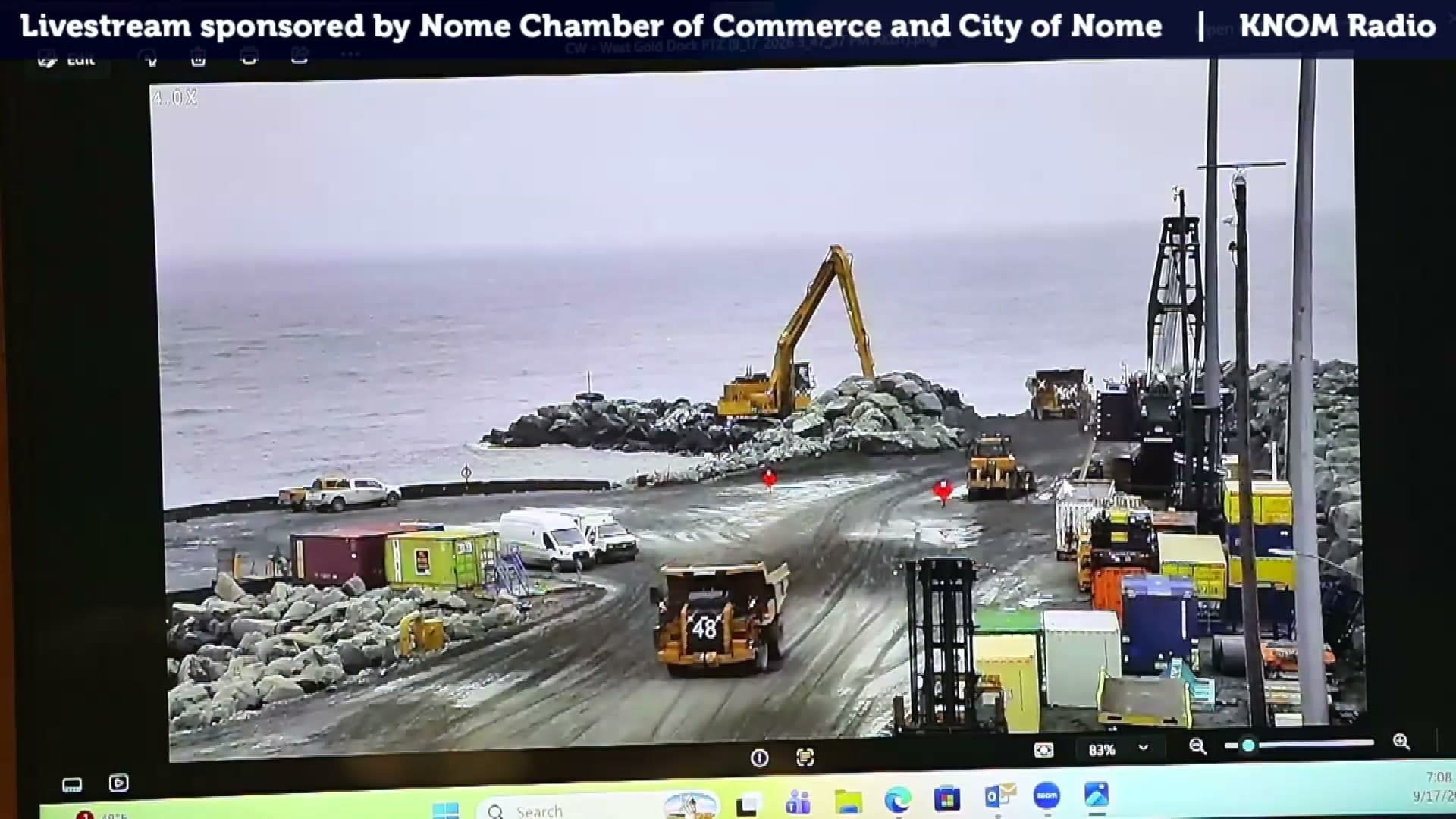
Spur demolition begins for Nome's planned Arctic deep-draft port
Kiewit has begun removing Nome's port spur. Phase 1A extends the causeway, while separate dredging will create the 40-foot basin.
 by Bill AlaskaNews1mo ago2 min read
The White House wanted the Denali Commission closed, and it grew instead
The White House proposed closing the Denali Commission. Congress funded it, and the agency ended up administering money many times its own budget.
 by Walter AlaskaNews1mo ago3 min readFrom
Alaska runs on federal money, and a proposed rule change has people worried
Alaska leans on federal money for basics — water plants, shelters, emergency response — and nonprofits, cities, and Tribes warn a proposed federal rule change could make that funding less reliable.
by Walter AlaskaNews3mo ago1 min read
Murkowski: War-price fuel barges lock rural Alaska into costly winter
Rural Alaska villages are paying $9 to $14 a gallon for fuel locked in at peak war prices and cannot wait for global prices to fall, Senator Murkowski warned
by Walter AlaskaNewsadded 4mo ago2 min read