AI image
The number that quietly sets the state budget: a barrel of oil
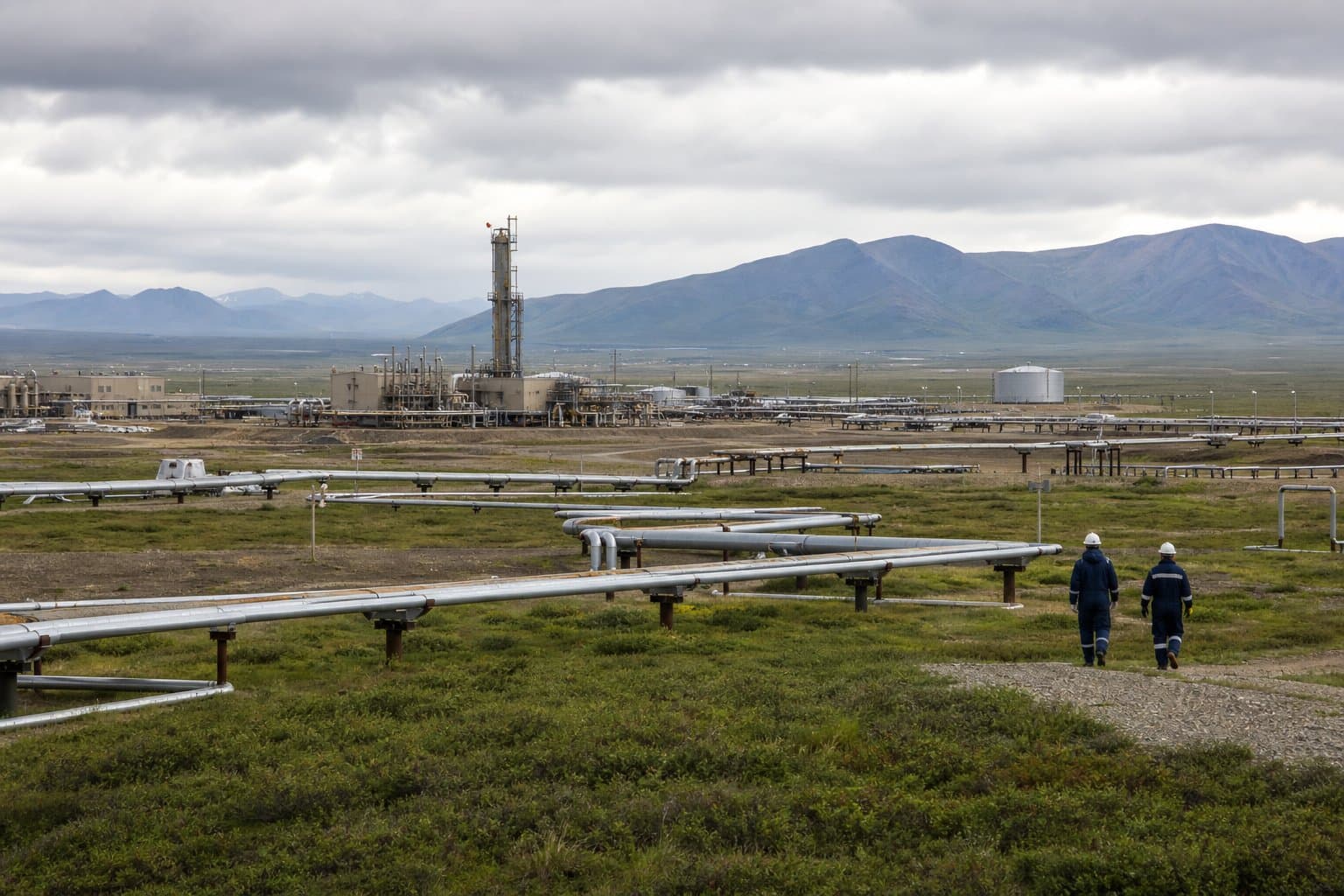
If you want to know whether the state can pay for schools, troopers, and ferries without a fight this year, watch one number almost nobody outside Juneau thinks about: the price of a barrel of Alaska North Slope crude. In a state that still funds much of its government with oil, a few dollars a barrel is real money.
Right now crude is running a little above what the state planned for — and the state's own math shows why that matters. The Department of Revenue's Spring 2026 forecast assumes an average price of $75.26 a barrel. But that number leans hard on a guess: it blends an actual average of just $67.34 over the year's first eight months with an assumption that prices jump to $91 for the final four. The official forecast is effectively banking on a late-year surge to hit its target.
So if prices simply keep running modestly above the early-year pace, the state could beat its forecast without that surge ever arriving. That's the quiet drama of an oil-funded budget: coming out ahead doesn't require prices to be high, only to beat a forecast that's part measurement, part educated guess. The advocacy group Alaskans for Sustainable Budgets flagged the gap this week, estimating roughly $220 million in extra revenue — a useful pointer, though their figures came from a social-media post and are best treated as one outside estimate, not the official word.
Two cautions. Long-term, the trend points down: Revenue economist Dan Stickel told senators in May the department expects prices "in the $75 per barrel range" next year, sliding toward $70 over time. And a good year now doesn't undo the structural squeeze that's defined Alaska's budget for a decade, as oil's share of state revenue has shrunk from the days it paid for nearly everything.
If the extra money does show up, it becomes a live question for budget writers: a bigger dividend, more capital spending, or a cushion against the next downturn. With the fiscal year nearly over, that answer is close to settled — but it's a fair reminder that in Alaska, the budget is always partly a bet on a commodity no one here controls.
Assembled from public records the newsroom collected ().
Drafted with AI. Edited by Cale Green (1 revision). No full editor review is on record. Who is accountable.
Stay informed. Support what matters.
Free, permanent access to local news you can verify. Subscribe to support Walter AlaskaNews and go ad-free.
Related Coverage
Oil is beating the forecast, and it still won't cover a dividend
Alaska News · 2mo ago
North Slope oil is running below the state's forecast so far, and the price is running above it
Alaska News · 2w ago
Alaska's budget balances this year on high oil and a reduced dividend
Alaska News · 47m ago
War-driven oil prices are filling Alaska's treasury while straining its households
Alaska News · 1w ago
Oil above $101 puts Alaska's budget on a war in the Persian Gulf
Alaska News · 1w ago
Comments
Sign in to leave a comment.
No comments yet. Be the first to share your thoughts.