
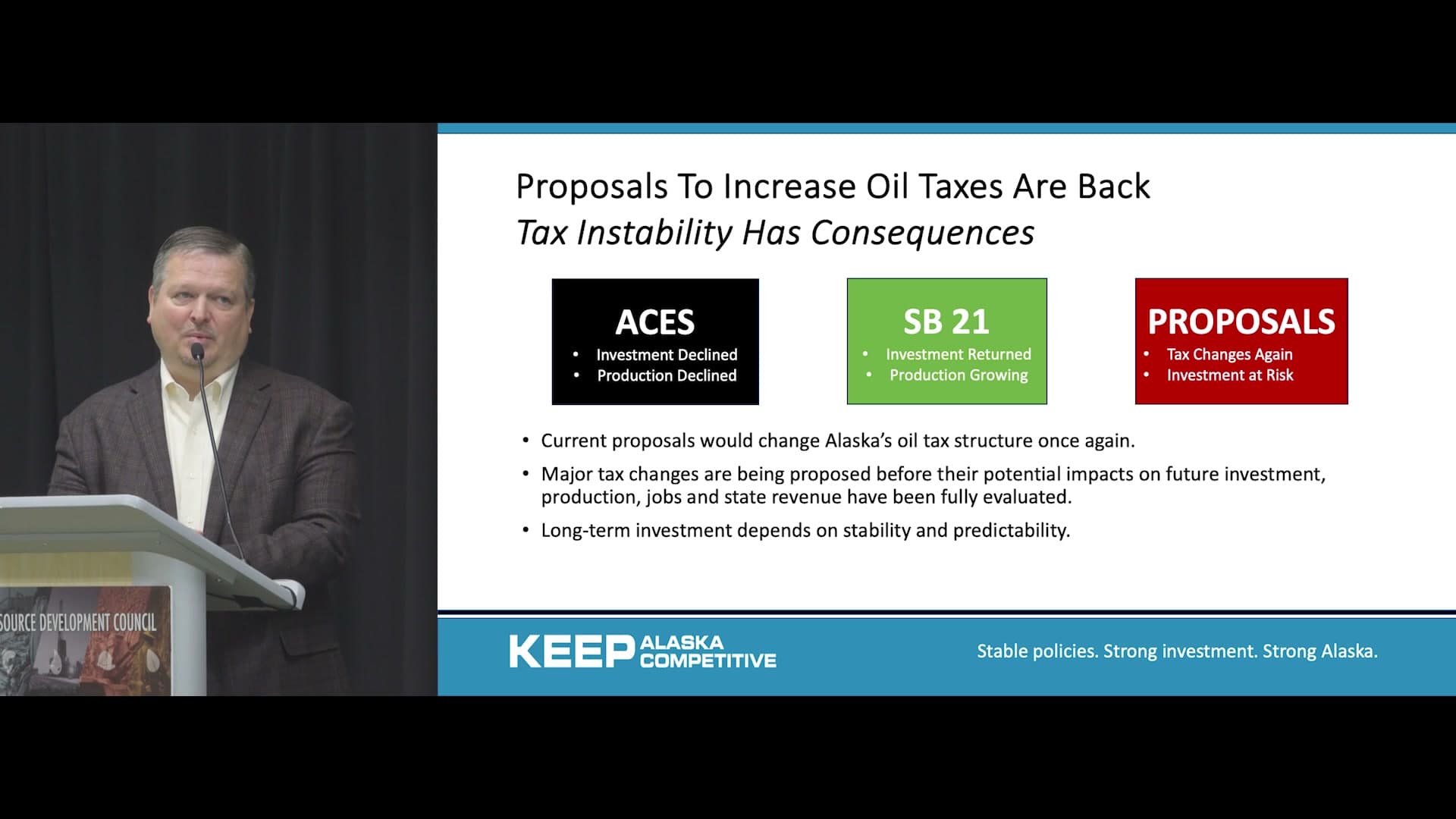
Frame from "RDC: Day 1 Keynote-.mp4" · Photo source
Winter NPR-A oil exploration can now skip separate environmental assessments
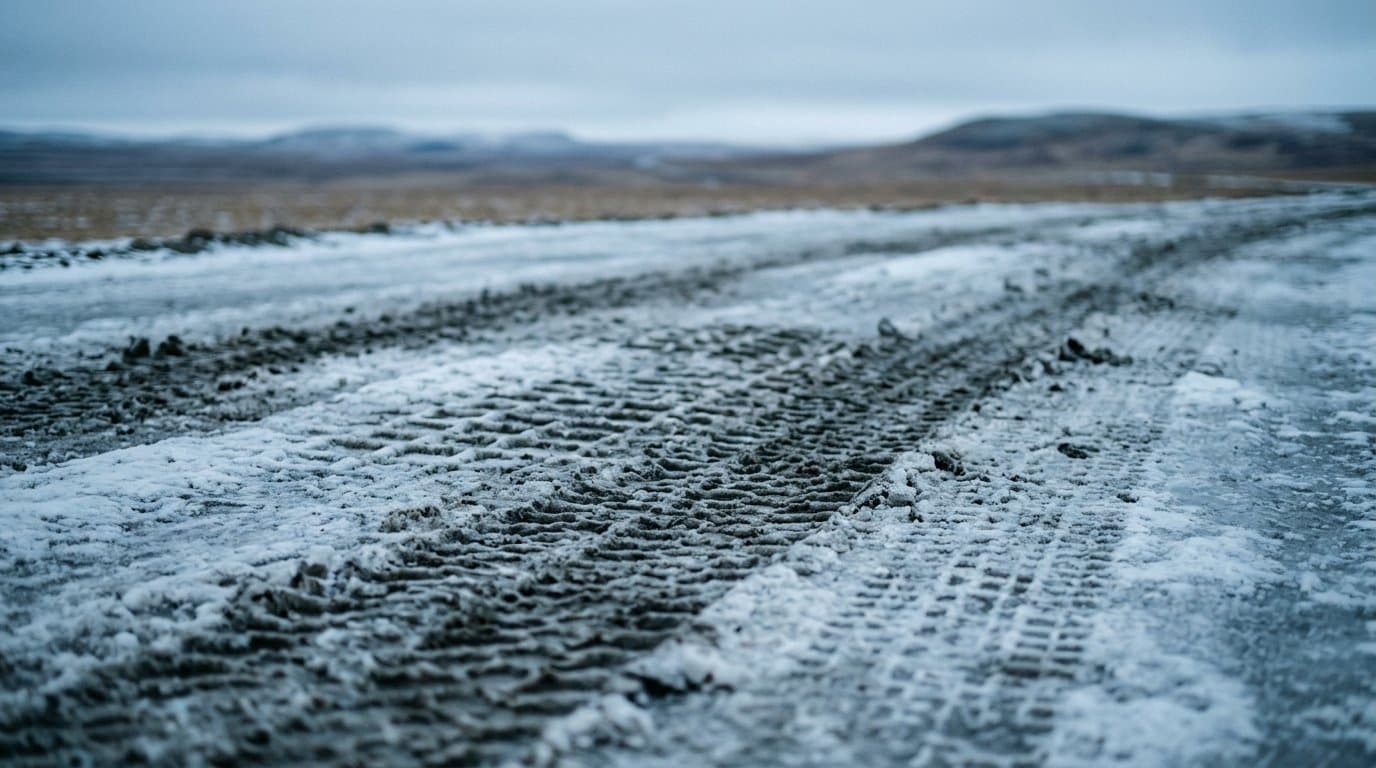
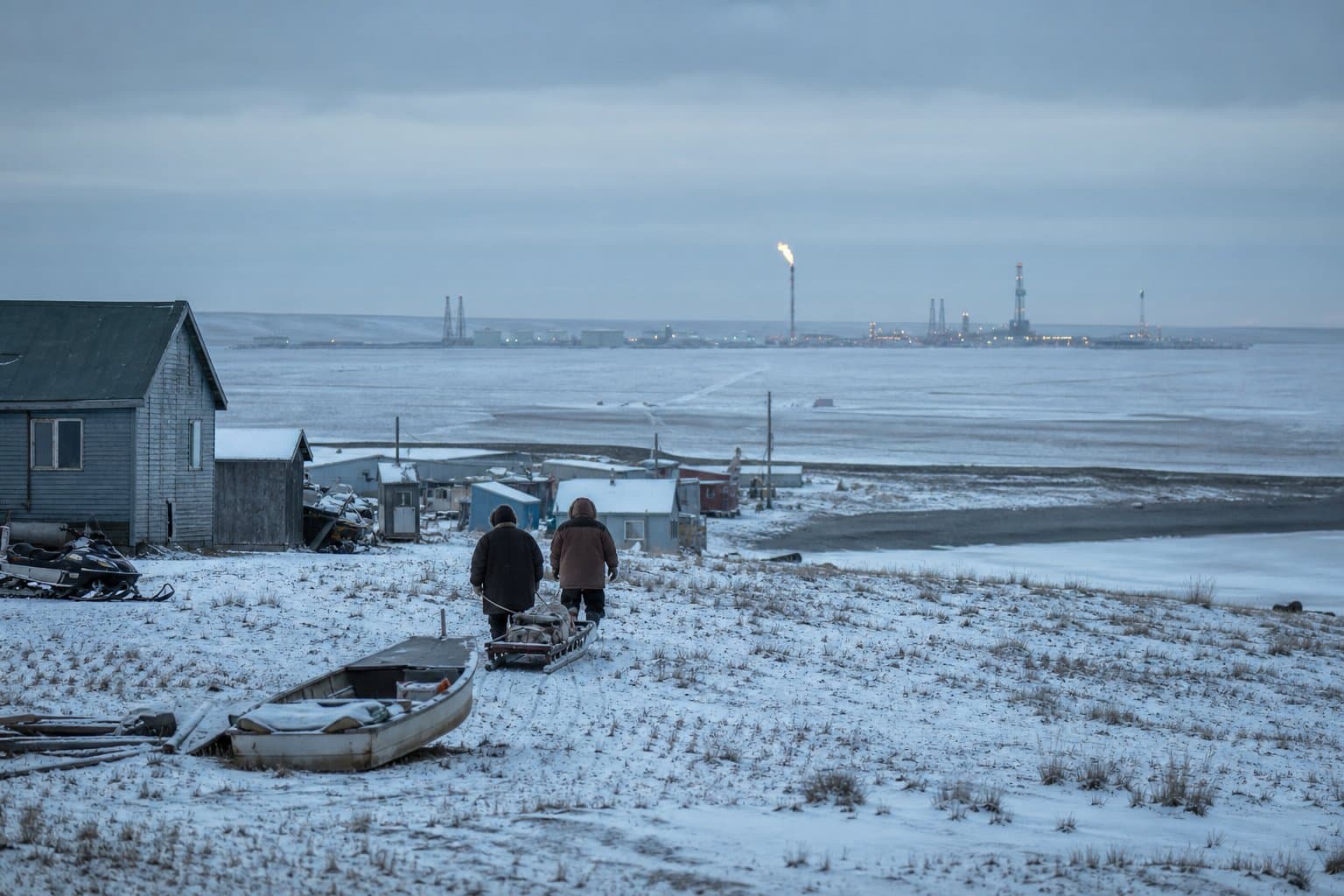
Oil companies exploring the National Petroleum Reserve in Alaska work largely in winter, from roads and drilling pads made of ice, and the federal government has made that work easier to approve.
The Bureau of Land Management adopted a categorical exclusion on Oct. 9 that lets it approve winter exploration in the reserve without preparing a separate environmental assessment for each project.
Tara Sweeney, ConocoPhillips Alaska's vice president of external affairs, thanked the agency on Nov. 11 for issuing categorical exclusions for the company's seismic and exploration program. She was moderating a panel with BLM Principal Deputy Director Bill Groffy at the Resource Development Council's Alaska Resources Conference in Anchorage.
"The winter season on the North Slope runs a very short clock," Sweeney said. "So this type of predictability is essential for continuing to hunt for oil in NPRA."
Groffy, contrasting Alaska with the Lower 48, told the crowd, "you guys are excited about snow and ice because then you can actually get to work."
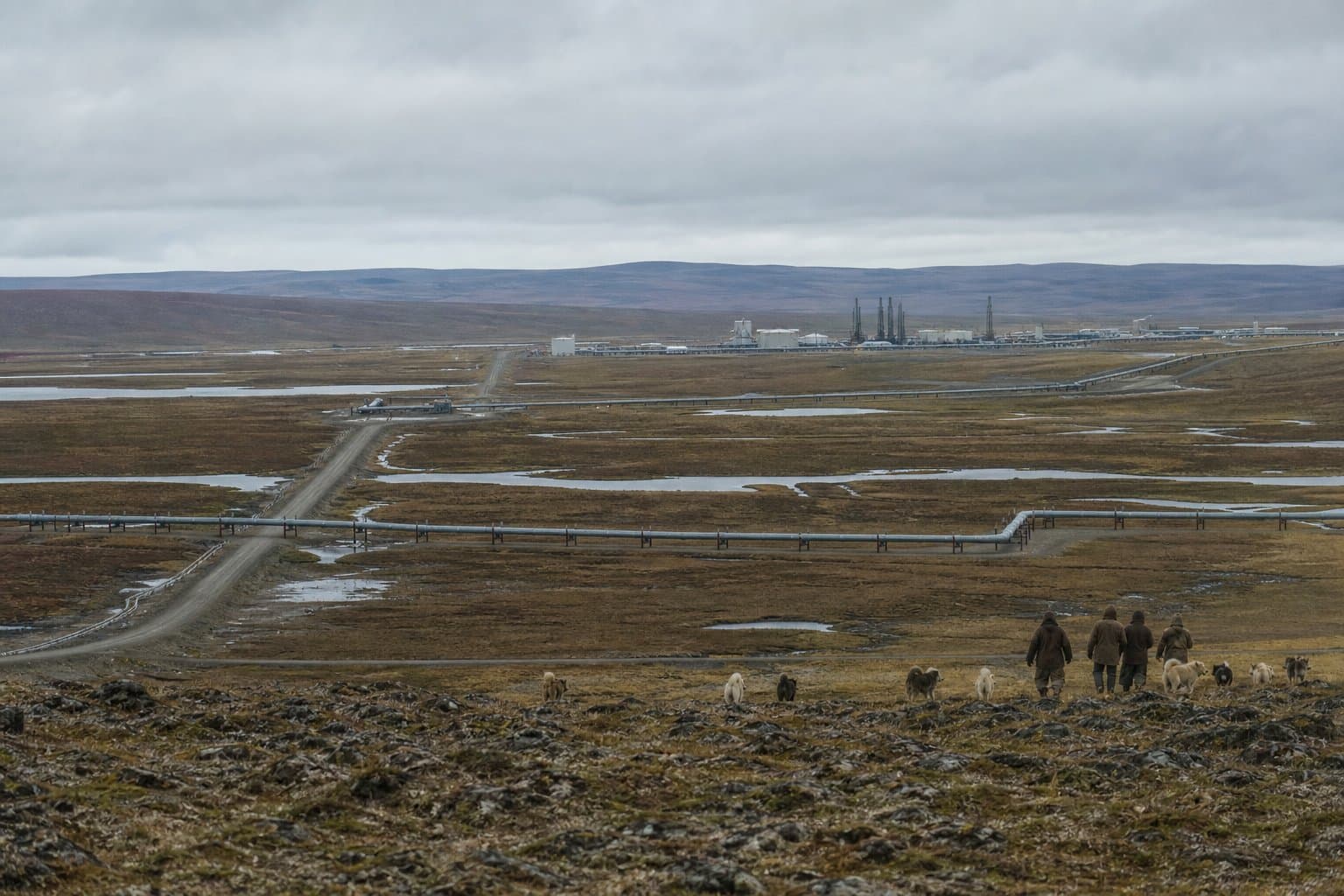
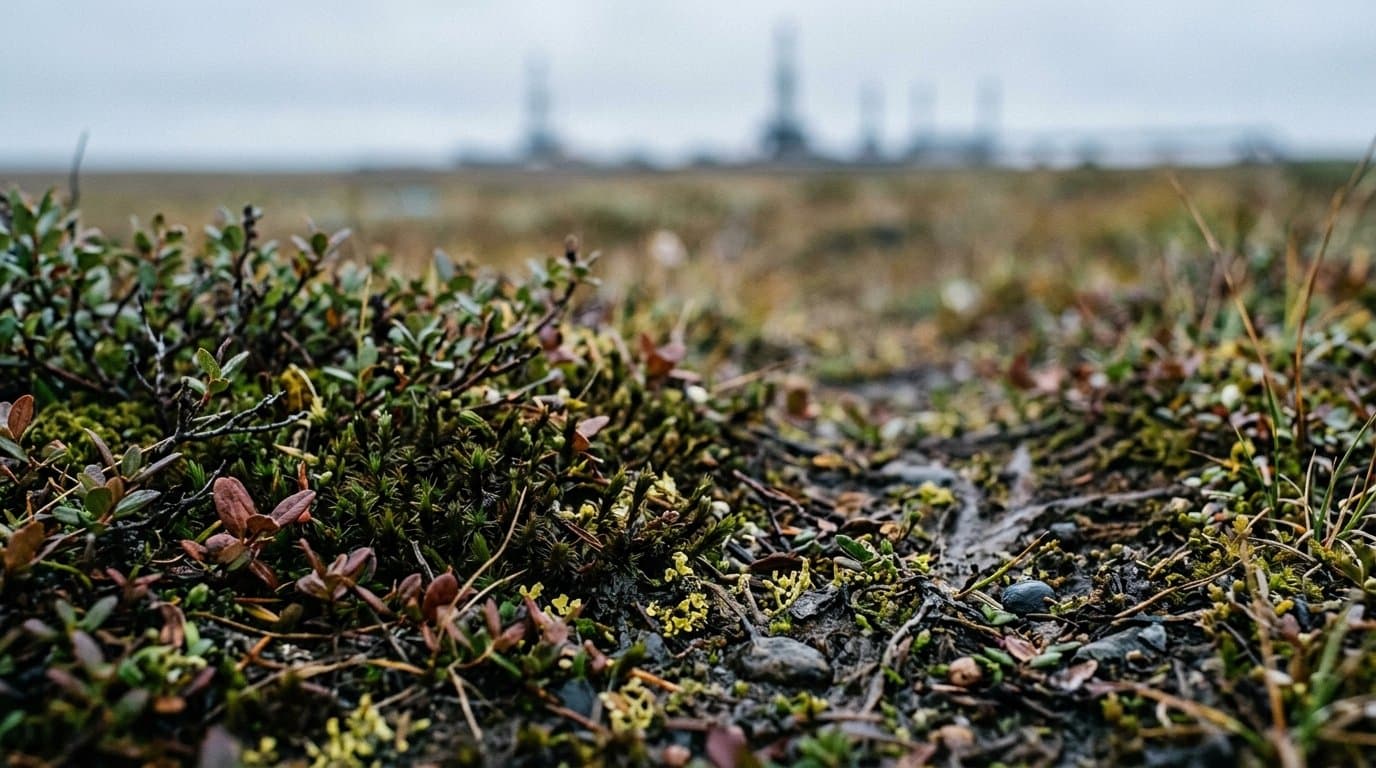
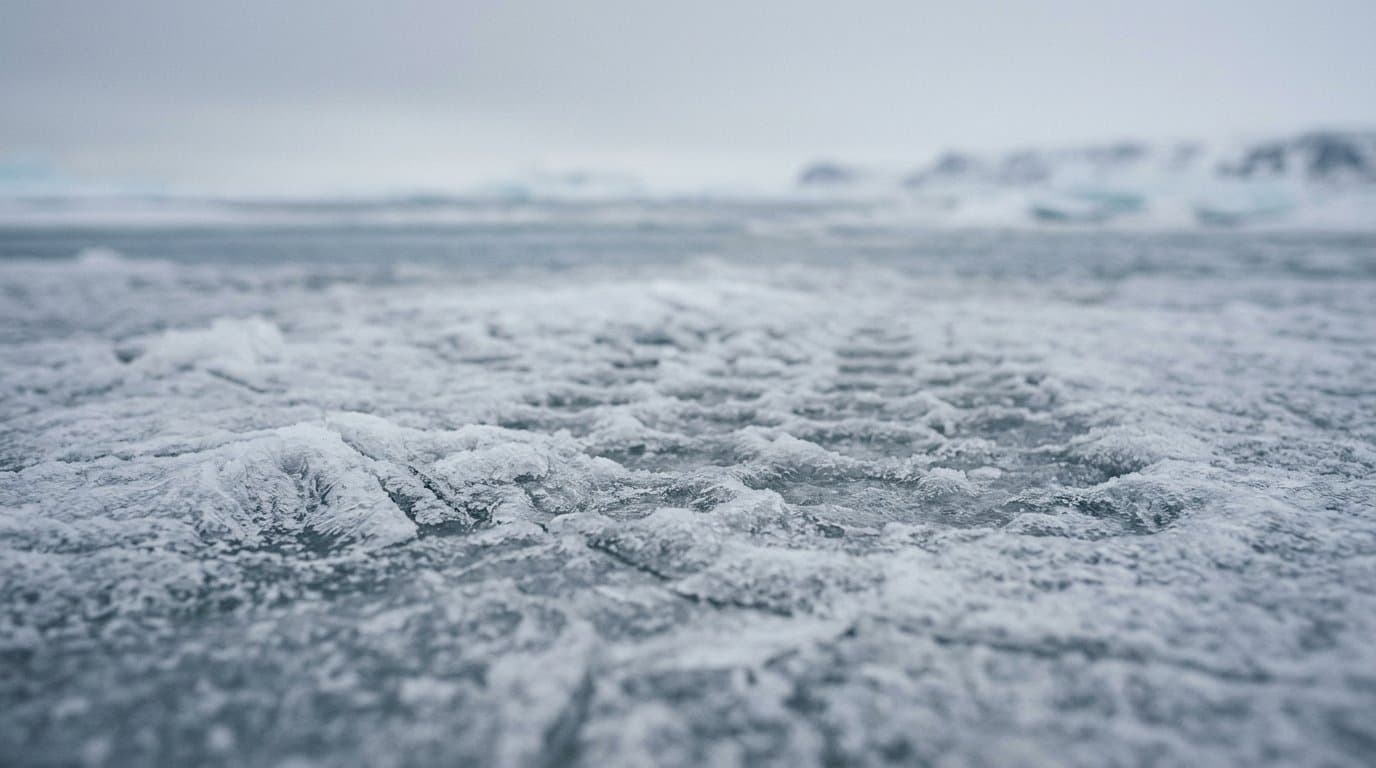
The reserve covers about 23 million acres of the North Slope west of Prudhoe Bay. Winter exploration there relies on temporary ice roads, ice pads and snow routes, and once the snow melts, the main visible sign of the work is generally the wellhead, if a well was drilled, the agency said.
The exclusion covers vibroseis seismic surveys, which use trucks that vibrate the ground to map rock layers below; temporary ice roads and snow routes; ice pads, camps and equipment; water withdrawals; drilling, testing and plugging exploration wells; and helicopter-assisted cleanup the following summer.
Until now, exploration work in the reserve "has always received its own standalone" environmental analysis, according to a separate BLM proposed rule published in September.
BLM based the exclusion on a review of 47 environmental assessments for winter exploration over the past 28 years. Each found no significant impact, the agency said.
Groffy said the exclusion builds on those earlier reviews. "So it's not bypassing any of the normal reviews," he said. Asked whether it was the first of its kind, he said, "I can't say whether it's the first of its kind, but it's probably the first one here in Alaska."
BLM must still screen each proposal for extraordinary circumstances, such as possible effects on endangered species or cultural resources. If it finds any, it will prepare an environmental assessment or a fuller environmental impact statement.
ConocoPhillips' program last winter was approved after its own environmental assessment. It included four exploration wells and a seismic survey, with some locations in the Teshekpuk Lake Special Area, according to the court order. The planned route for its snow roads, ice roads, ice pads and camp moves covered about 408 acres, within a project area of roughly 299,000 acres.
The company drilled multiple wells and has not said what it found. Its suspended well costs, money it keeps on the books while wells are still being evaluated, rose to $347 million by June 30, from $243 million at the end of 2025, an increase it attributed to "multiple wells drilled in Alaska."
Sovereign Iñupiat for a Living Arctic, the Center for Biological Diversity and the Wilderness Society sued over that program, arguing BLM didn't do enough to protect the tundra, including in the Teshekpuk Lake area. They called BLM's six-inch average snow depth standard for tundra travel inadequate. U.S. District Judge Sharon Gleason declined on Jan. 27 to halt it. The case remains open.
The Wilderness Society also opposed the exclusion. "The Western Arctic is not a uniform landscape, and these are not small, routine activities," Matt Jackson, its Alaska senior manager, said in an Oct. 8 statement.
Groffy said the exclusion gives operators a tool to "get started on development." Leasing, he said, is "just the first step."
BLM is also working on a rule for production sites, which Groffy called a satellite pad development rule. BLM closed public comment on it Nov. 9 and will finalize it, he said, without giving a date.
The proposed rule, which followed a May petition from the Alaska Oil and Gas Association, would require BLM to decide within 60 days on qualifying production sites within 25 miles of existing permanent oil and gas infrastructure. BLM now takes about three to five years to approve full field development plans, the proposal says.
Groffy also said the One Big Beautiful Bill will let the agency set predictable lease sale timing. He called March's NPR-A sale a record. It drew 430 bids on nearly 200 tracts covering 1.3 million acres, according to Alaska's congressional delegation, and about 3.5 million acres of the reserve are now leased, BLM said.
What did you make of this story? (no account needed)
Made by our human newsroom with AI. Reviewed by Cale Green. How humans and AI work here · Grow with our newsroom · Transcript byWalter AlaskaNews
Keep Alaska News free for everyone.
No paywall, ever. Members pay so everyone can read the meetings and records Alaska News covers.
Get Alaska News in your inbox
Create your free account and get the day’s top stories around 6 each morning, in a few minutes’ read.
Top stories, around 6 each morning.
Stories on what you follow, on Sundays.
This article is based on a public meeting of Resource Development Council for Alaska — RDC: Day 1 Keynote-.mp4 ().
Watch key moments from the source meeting. Click to expand.



Comments
Sign in to leave a comment.
No comments yet. Be the first to share your thoughts.