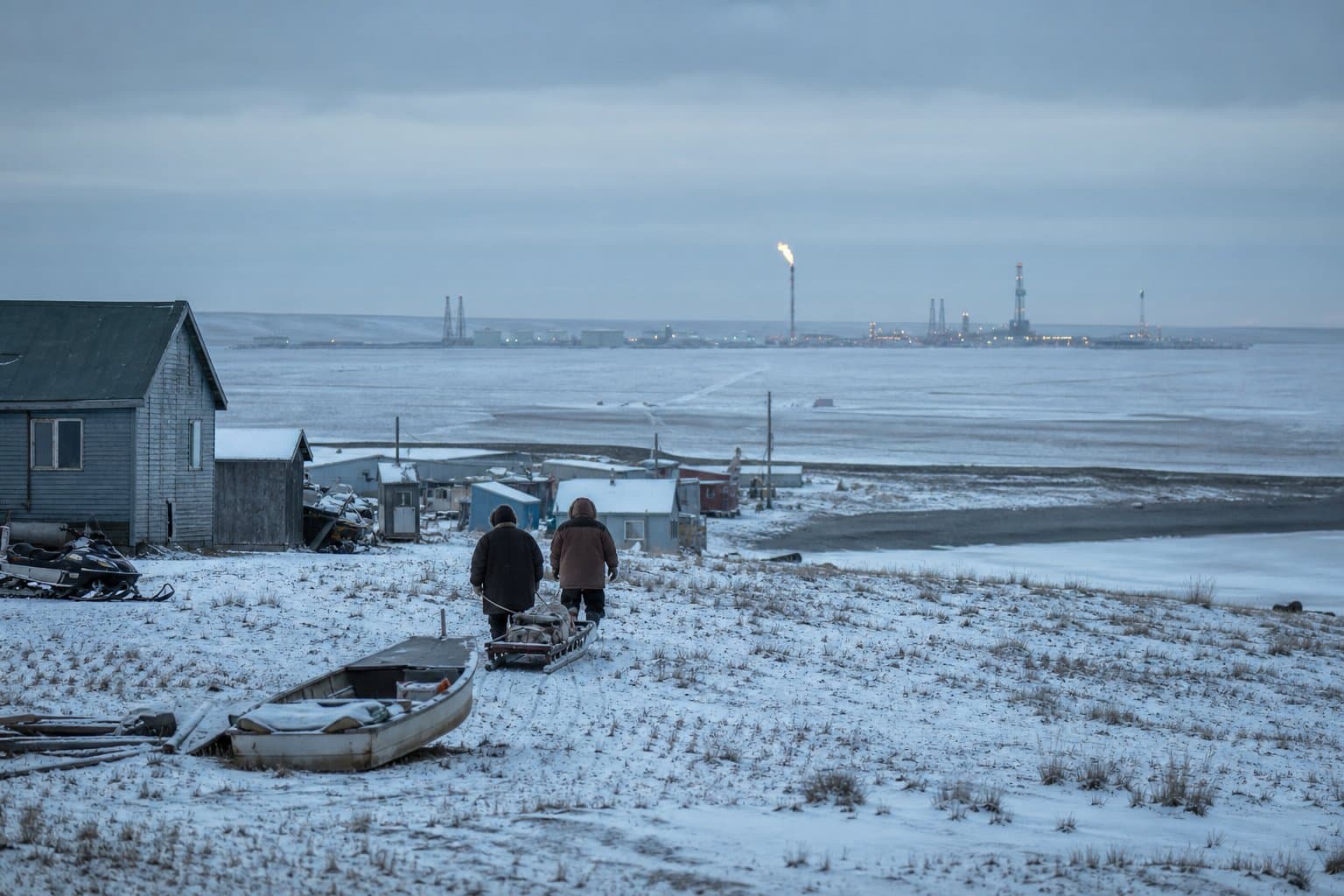
AI image
Written comments on Willow drilling and injection rules are due Tuesday unless a Nov. 4 hearing is held
A full breakdown of the proposed rule, the review behind it and where North Slope groups stand.
The Bureau of Land Management is taking public comment through Nov. 9 on a proposed rule that would let it approve qualifying oil production sites in the National Petroleum Reserve in Alaska within 60 days of a complete application. The rule was published in the Federal Register on Sept. 8.
What the rule would do
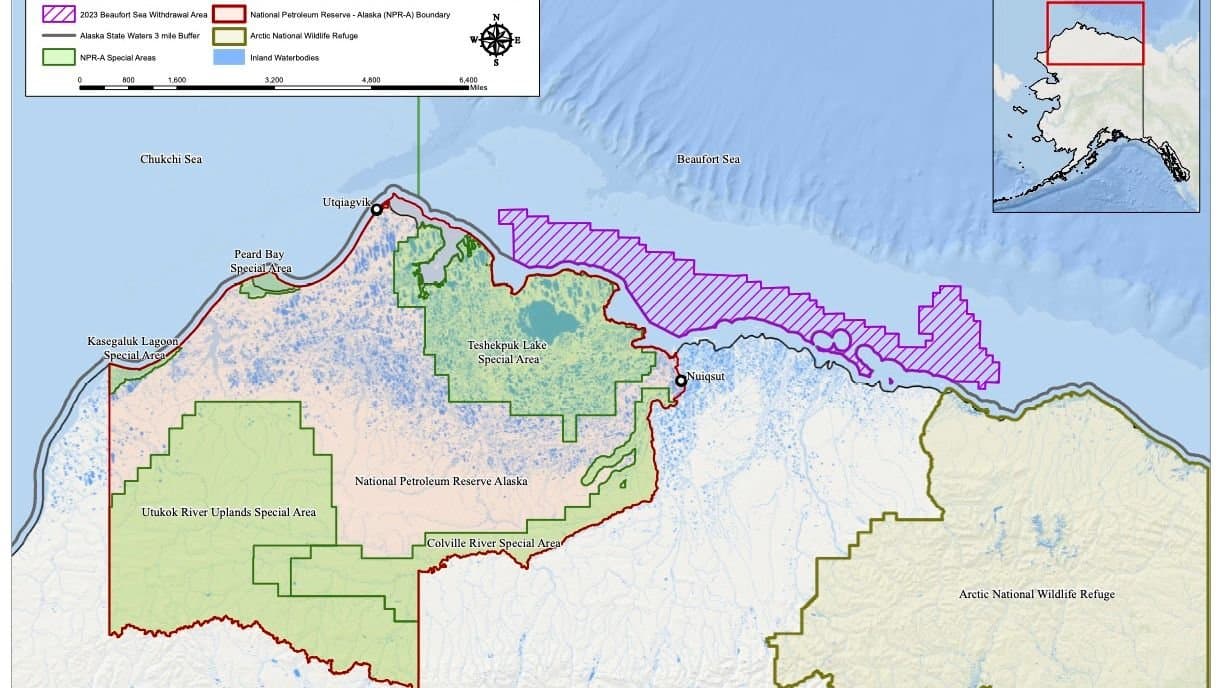
A production site would qualify if it sits entirely within 25 miles of existing permanent oil and gas infrastructure, includes wells or the equipment to move what wells produce, and lies outside areas the reserve's management plan closes to surface occupancy. Infrastructure built after the rule takes effect would also count, so each approved site could anchor a new 25-mile zone. BLM says the standard "enables a gradual westward progression of development from existing NPR-A facilities," Alaska News has reported.
BLM chose 25 miles over 15 because the wider radius would qualify five companies instead of three. Its planning scenario for the rule includes 18 satellite drilling pads over 20 years, compared with nine under the current process, and doubles roads, pipelines and disturbed ground. BLM calls those planning assumptions, not approved projects.
The rule grew out of a petition the Alaska Oil and Gas Association filed in May. BLM cites the Willow project, which took nearly five years from start to final decision, as its reason for the change, and says what it drafted carries stronger environmental and subsistence protections than the industry asked for. Its analysis projects an annual economic effect of $100 million or more.
Where the review happens
The rule would change when the environmental review happens. Today, each new development plan in the reserve gets its own multi-year environmental review. Under the rule, BLM would analyze the program once, in an environmental impact statement written for the rule itself, and treat qualifying sites as covered by it. Applications would still face eligibility and completeness checks and could carry site-specific conditions.
That environmental study is not finished. BLM released only its first two chapters on Sept. 4. The chapters on environmental consequences and cumulative effects are to come with the final version, after comment closes. BLM says a draft was not required.
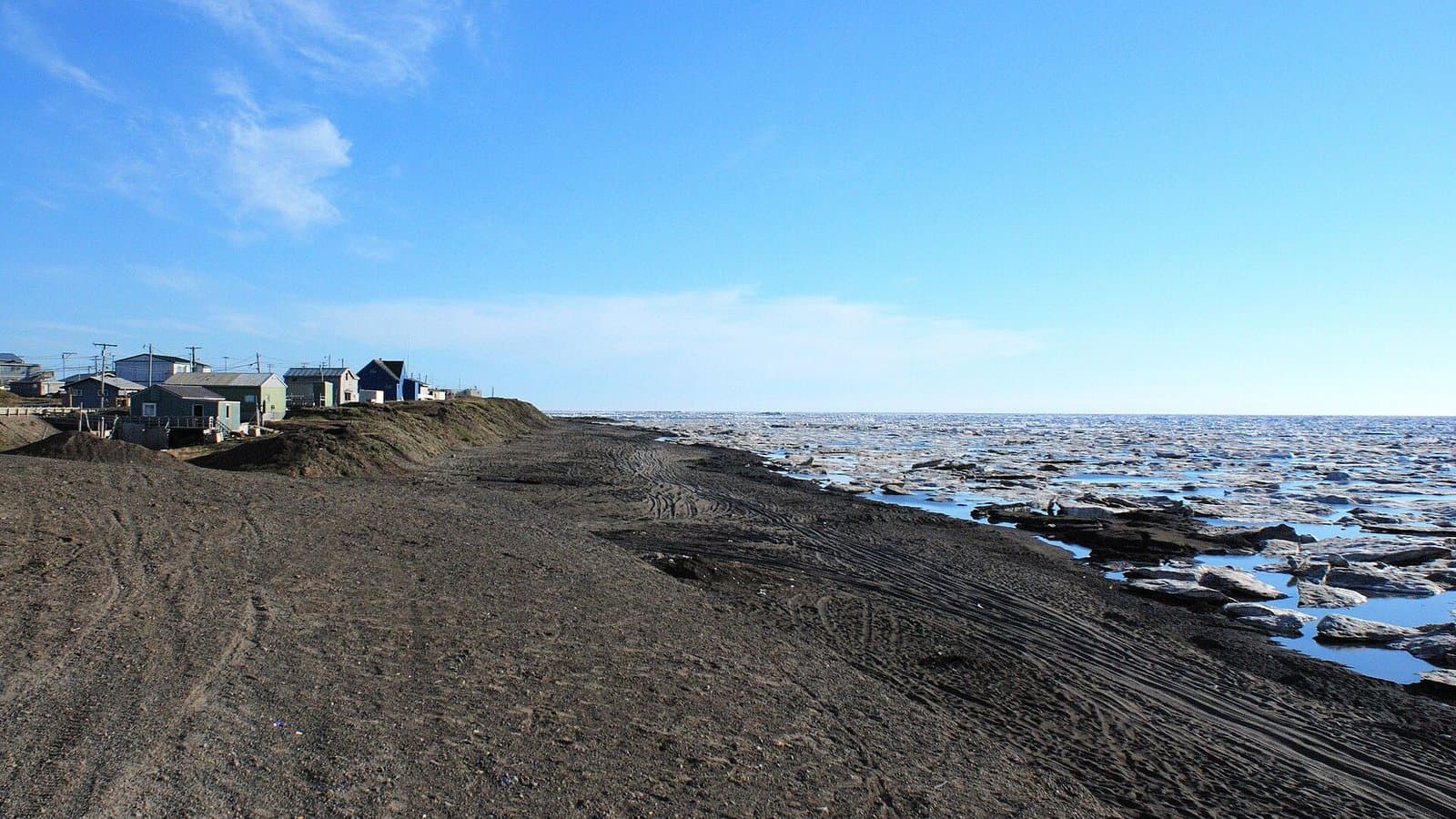
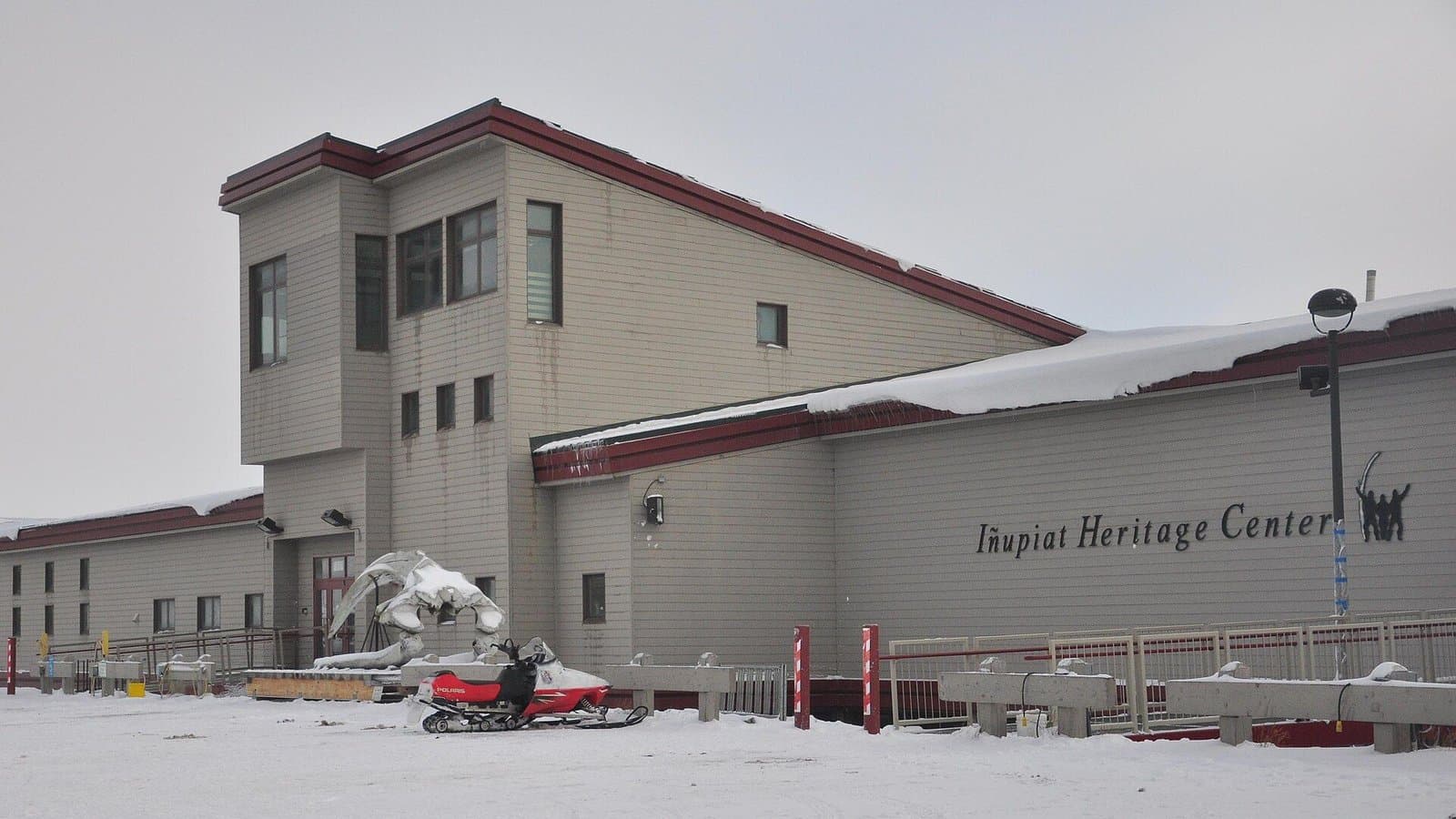
BLM also found that the rule could significantly restrict subsistence uses in Nuiqsut, Atqasuk and Utqiagvik, a finding under the Alaska National Interest Lands Conservation Act that required it to hold hearings in those communities. It held in-person hearings in those communities and scheduled three virtual hearings. Before the rule can take effect, the agency must find that the restriction is necessary, that it uses the minimum land needed and that reasonable steps will reduce harm.
The rule also lets an operator ask to be exempted from any of its conditions, including four written to protect subsistence, with BLM deciding within 30 days and no public notice required, Alaska News has reported.
Where North Slope groups stand
The North Slope Borough, the Inupiat Community of the Arctic Slope and Arctic Slope Regional Corporation filed jointly during scoping in July, writing that they generally support streamlined permitting if it is environmentally sound, includes meaningful consultation and does not harm subsistence. "These are our homelands, our lives, and our futures that are at stake," they wrote.
Nuiqsut, the community closest to oil development in the reserve, has taken a more conditional position, one that has varied by project and by organization. Kuukpik Corporation, Nuiqsut's village corporation, told BLM during scoping that it cannot support a rule that equates permitting efficiency with removing project-by-project judgment. On the nearby Willow project, the City of Nuiqsut withdrew its opposition in December 2023, the Native Village of Nuiqsut stated conditional non-opposition the same month, and Kuukpik said in 2024 it would support Willow if protections for the Teshekpuk Lake caribou herd were established.
Those three entities formed Nuiqsut Trilateral Inc., which BLM granted a conservation right of way over about 1 million acres around Teshekpuk Lake in December 2024. The Interior Department canceled it in December 2025, and the group has sued.
Comments filed during scoping came before the rule's text existed. Comments on the rule itself go through docket BLM-2026-0133 on regulations.gov, and comments on the draft environmental study go through BLM's ePlanning site.
What did you make of this story? (no account needed)
Made by our human newsroom with AI. How humans and AI work here · Grow with our newsroom ·
Get Alaska News in your inbox
Create your free account and get the day’s top stories around 6 each morning, in a few minutes’ read.
Top stories, around 6 each morning.
Stories on what you follow, on Sundays.
Source: AOGCC issues notice on ConocoPhillips Willow pool rules and injection order applications.









Comments
Sign in to leave a comment.
No comments yet. Be the first to share your thoughts.