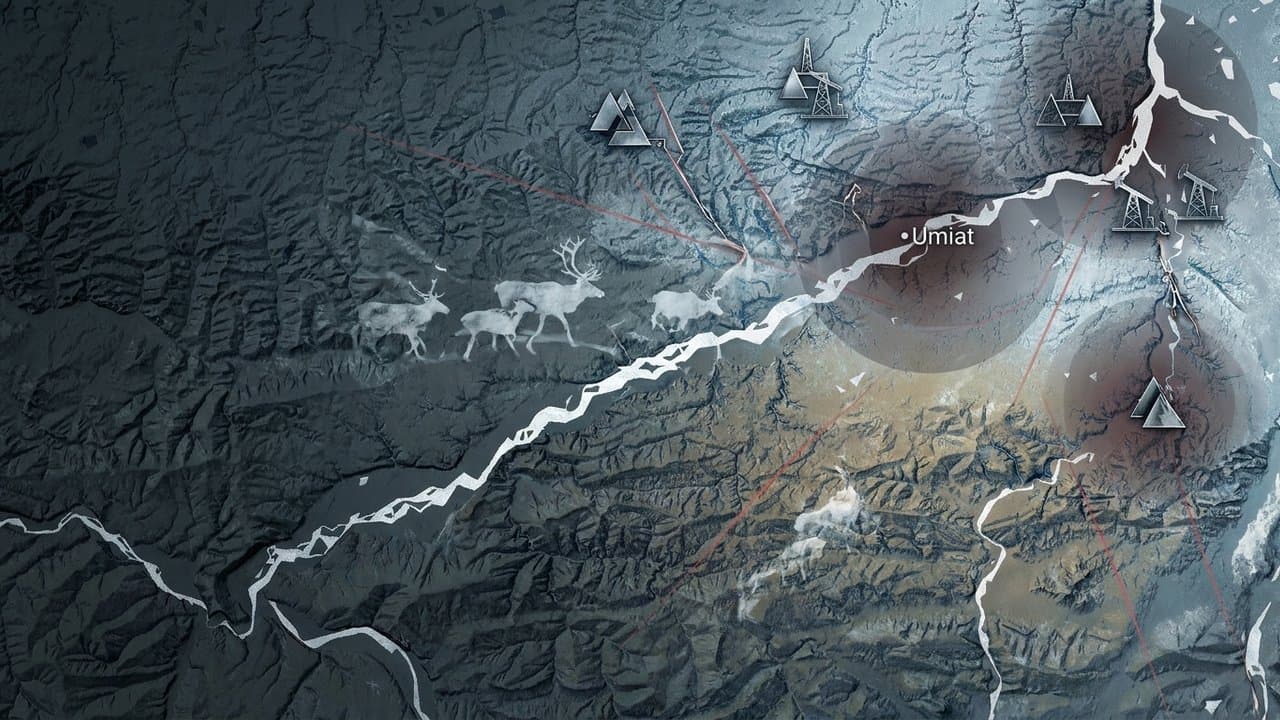
Editorial map (Gemini + Google Maps)
BLM Rule Would Cut NPR-A Pad Approvals to 60 Days, Limit Hunting
Federal land managers say a proposed drilling rule would significantly restrict subsistence hunting for Nuiqsut, Atqasuk and Utqiaġvik. That finding, written by the Bureau of Land Management itself, forces the agency to hold hearings in the villages before it can make final subsistence determinations.
The first is tomorrow. The BLM has scheduled Utqiaġvik on Sept. 15 from 5 to 8 p.m. at the Iñupiat Heritage Center, Atqasuk on Sept. 17 from 1 to 4 p.m. at the City of Atqasuk offices, and Nuiqsut on Sept. 18 from 1 to 4 p.m. at the Kisik Community Center. Three virtual sessions follow on Sept. 22, 23 and 24. Written comments close Nov. 9.
The rule published Sept. 8 in the Federal Register. It would create a fast-track path for oil and gas production sites inside the 23-million-acre National Petroleum Reserve in Alaska. The agency must approve a qualifying application, or approve it with conditions, within 60 days.
The agency's decision is limited to yes or yes with conditions. The rule states that no additional project-level environmental analysis would be required, because the effects are treated as already covered by the environmental impact statement written for the rulemaking itself.
That replaces a practice the BLM describes in its own preamble: a separate environmental impact statement for each development plan in the reserve, a phase it says has typically spanned several years and provided multiple opportunities for public input. It cites the Willow Master Development Plan, which ran nearly five years from notice of intent, the formal start of a review, to final record of decision, as its case for change.
The entire footprint of a proposed site must sit within 25 miles of existing permanent oil and gas infrastructure, measured from a production pad or an all-season gravel road tied to year-round pipelines. The BLM says it chose 25 miles over 15 because the wider radius would qualify five lessees instead of three. The anchor can be infrastructure built later, including infrastructure approved under the rule, which the agency says would allow a gradual westward progression of development.
What the Subsistence Finding Says
The subsistence evaluation released alongside the rule is the document that triggered the hearings. Under section 810 of the Alaska National Interest Lands Conservation Act, the BLM found that reductions in the abundance of subsistence resources would significantly restrict subsistence uses at Nuiqsut, Atqasuk and Utqiaġvik. It found that reductions in availability, and limits on user access, would significantly restrict subsistence uses at Nuiqsut.
Of 40 Nuiqsut respondents who reported harvesting caribou between 2010 and 2022, 39 reported use areas inside the zone the streamlined process could reach. Across all resources the figure is 39 of 41.
A positive determination under section 810, meaning the agency has found a significant restriction, does not stop a federal action. It requires notice, hearings, and three findings: that the restriction is necessary, that the action uses the minimum amount of public land, and that reasonable steps will be taken to minimize adverse effects. Nothing in the published record establishes what those findings will conclude.
The supporting environmental analysis is not finished. What the BLM released on Sept. 4 was draft Chapters 1 and 2. Chapters 3 and 4, which carry environmental consequences, cumulative effects and responses to public comment, are to appear in the final statement after comments close. The agency says publication of a draft environmental document is not required, and that it released the early chapters consistent with presidential direction to reduce obstacles to Alaskan energy development.
How the Rule Originated
The Alaska Oil and Gas Association petitioned the Interior Secretary on May 12, asking for a development permit program in the reserve. The petition sought a ten-year window to begin construction, and the rule allows four. The petition asked that approvals not be rescinded absent fraud, and the proposed subpart contains no rescission provision at all.
Kuukpik Corporation, the village corporation for Nuiqsut, told the agency during scoping, the early stage where a review's questions are set, that it cannot support a rule that equates permitting efficiency with the elimination of project-specific judgment.
The North Slope Borough, the Iñupiat Community of the Arctic Slope and Arctic Slope Regional Corporation filed jointly, signed by Mayor Josiah Patkotak, President Nicole Wojciechowski and Rex Rock. They wrote that they are generally supportive of streamlined permitting provided it is environmentally sound, provides meaningful consultation and does not adversely affect subsistence uses. They also wrote that these are "our homelands, our lives, and our futures that are at stake."
All of those comments were filed in early July, on a notice of intent that did not contain the rule text. None addressed the 25-mile criterion, the 60-day clock or the four-year construction window, because none of those had been published.
The records reviewed for this article contain no statement from any of the Nuiqsut, Atqasuk or Utqiaġvik harvesters the subsistence finding describes, and no record that tribal consultation has occurred. The village hearings are where that testimony would be entered.
How to Comment
Comments on the rule go to regulations.gov, searching either the docket number, BLM-2026-0133, or the rule's number, 1004-AF57. Comments on the draft chapters and the subsistence evaluation go elsewhere: the BLM National NEPA Register at eplanning.blm.gov, under project DOI-BLM-AK-0000-2026-0012-EIS, through its Participate Now option. The two are collected separately, and the rule states the agency is not obligated to consider anything received after Nov. 9.
Source: A proposed rule would approve North Slope oil pads in 60 days with no project-level environmental review, and the BLM's own subsistence analysis finds it would significantly restrict hunting at Nuiqsut, Atqasuk and Utqiaġvik ().
AI-assisted. No editor review is on record for this article. Who is accountable.
Stay informed. Support what matters.
Free, permanent access to local news you can verify. Subscribe to support Walter AlaskaNews and go ad-free.
Related Coverage
BLM rule would let NPR-A operators waive subsistence conditions without public notice
Alaska News · 1w ago
A proposed rule would cut years of NPR-A oil review down to 60 days
Alaska News · 1w ago
A federal rule would let NPR-A drilling spread pad by pad, skipping environmental study
Alaska News · 3d ago
ConocoPhillips seeks looser Willow drilling rules; hearing window open
Alaska News · 1w ago
Why Washington's permitting overhaul lands harder in Alaska than almost anywhere
Alaska News · 2mo ago
Comments
Sign in to leave a comment.
No comments yet. Be the first to share your thoughts.