AI image
ConocoPhillips drilled in the NPR-A this winter and has not said what it found
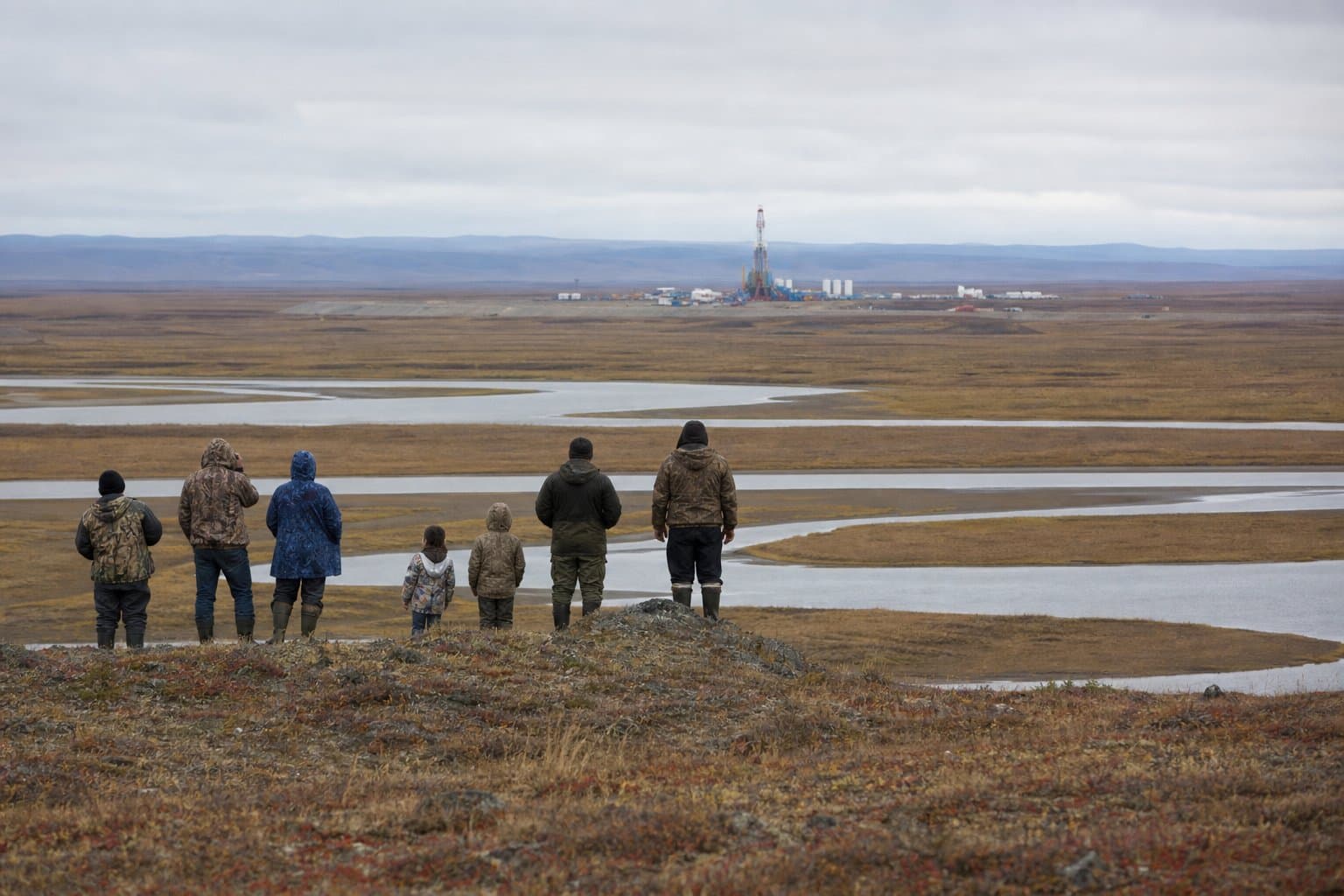
ConocoPhillips drilled multiple exploration wells in the National Petroleum Reserve-Alaska over the winter and added $104 million to the cost of wells it has not finished evaluating. It has not said which wells, or what it found in them.
The drilling is part of a widening push into the reserve. The company told investors in February it planned a four-well program there for the 2026 winter season, and Willow, its development on the reserve's eastern side, is expected to begin producing in 2029. Development decisions coming out of this exploration would run through Willow.
The money shows up on the balance sheet rather than in the earnings. ConocoPhillips reported $347 million in suspended well costs at June 30, up from $243 million at the end of 2025, and attributed the increase to "multiple wells drilled in Alaska." A well judged noncommercial gets written off as a dry hole and charged against earnings. A well the company is still evaluating for producible reserves stays capitalized. These stayed.
What the filings do not contain is a count, a name, a location more precise than the reserve, or a result. Companies routinely withhold exploration findings to protect their position in a region still being leased, and the quarterly reports use only the word multiple.
The financial picture moved in opposite directions. ConocoPhillips invested $1,861 million in Alaska over the first six months, against $2,032 million a year earlier, a drop of about 8 percent, with spending down in both quarters. Alaska earnings went the other way, reaching $816 million against $462 million.
Wells can sit for years. The annual report lists West Willow at $30 million and Narwhal Trend at $25 million, both suspended since the 2018 to 2020 period with no development decision, though the company notes further appraisal wells planned at West Willow and continuing assessment work at Narwhal Trend. Across the company, 13 projects carried suspended costs beyond a year at the end of 2025.
There is a route to what the filings withhold, and ConocoPhillips went to court to close it. Alaska law requires the Alaska Oil and Gas Conservation Commission, which issues the drilling permits and holds the well reports, to keep well data confidential for 24 months and then release it. When that period ran out on earlier ConocoPhillips wells in the reserve, the company sued, arguing federal law governing the reserve preempted the state disclosure rule. A district court agreed. The Ninth Circuit reversed on May 27, and the Alaska Department of Law said the court found state disclosure laws "are not preempted by federal law."
Source: ConocoPhillips planned four exploration wells in the NPR-A this winter. Its filings show $104 million of Alaska well costs kept on the books, and two earlier Alaska discoveries still waiting after eight years..
Made by our human newsroom with AI. How humans and AI work here · Grow with our newsroom
Stay informed. Support what matters.
Free, permanent access to local news you can verify. Subscribe to support Walter AlaskaNews and go ad-free.
Related Coverage
ConocoPhillips' Disclosed Alaska Royalties Fell 58% in Two Years
Alaska News · 1mo ago
ConocoPhillips is finding new oil in the Kuparuk field, in rock decades of drilling missed
Alaska News · 5mo ago
What APA's ice-road permit signals for the eastern North Slope
Alaska News · 3mo ago
Federal appeals court clears Alaska to release NPR-A drilling data
Alaska News · 4mo ago
ANWR lease sale draws $3.74m in winning bids from AIDEA, Hex Energy
Alaska News · 4mo ago
Comments
Sign in to leave a comment.
No comments yet. Be the first to share your thoughts.