AI image
No Juneau beach is tested for the toxin in clams
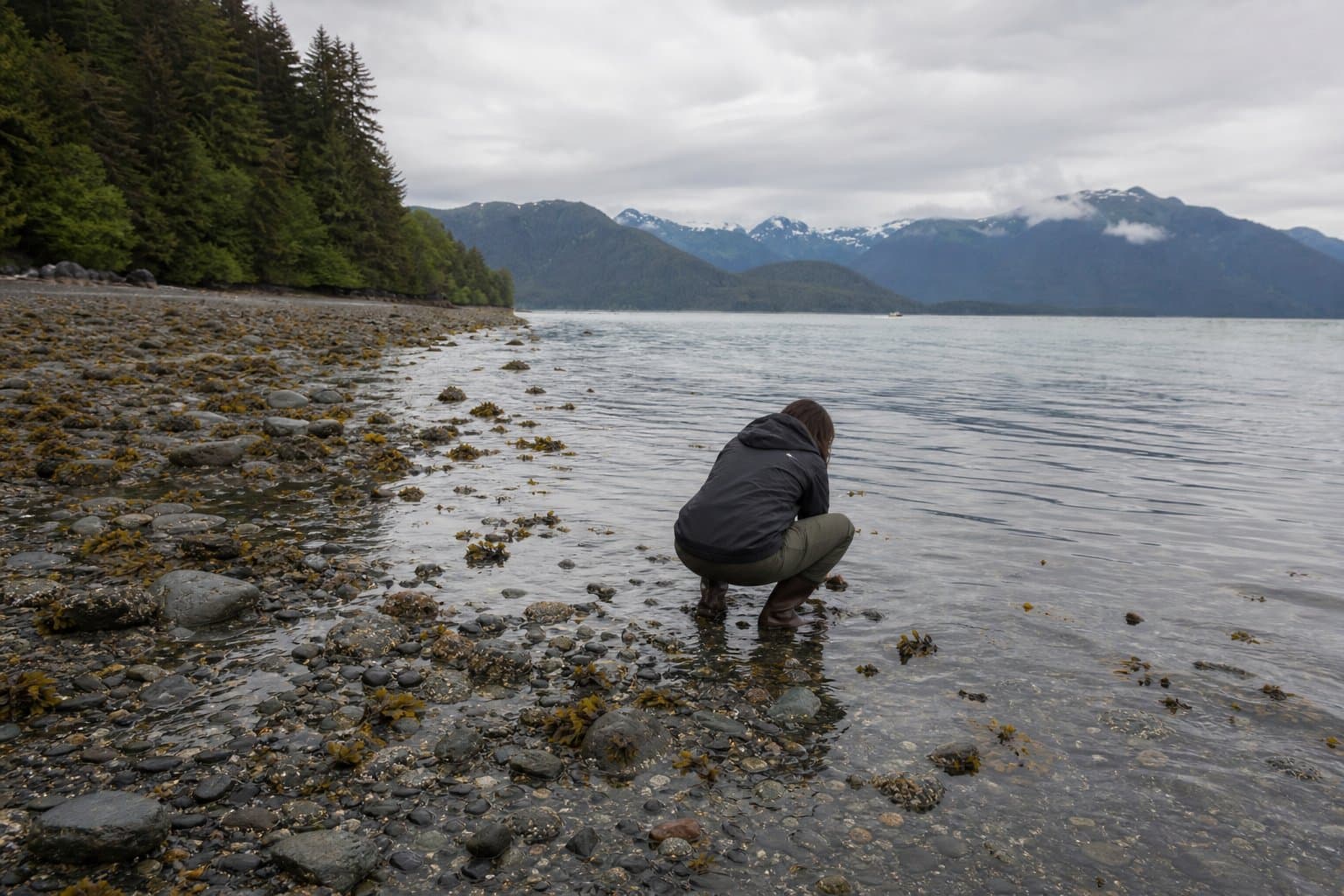
The Alaska Department of Fish and Game is telling people not to dig clams anywhere in the Juneau area, for a simple reason: no local beach is monitored on a regular basis for paralytic shellfish poisoning. Anyone who harvests is doing so blind.
PSP toxin is the one that paralyzes. It starts as tingling in the lips and tongue, sometimes within minutes of a meal, and can move to the fingers and toes, then to loss of control in the arms and legs, then to difficulty breathing. In a bad case the muscles of the chest and abdomen stop working and a person suffocates. Death can come in as little as two hours. There is no antitoxin. Severe cases are treated with a ventilator and oxygen, which is a hard thing to reach quickly in Southeast.
Two things make it especially dangerous. Cooking does not destroy the toxin, and neither does freezing or pressure cooking — there is no way to prepare a contaminated clam that makes it safe. And a toxic clam looks, smells, and tastes exactly like a clean one. Discolored water is not a reliable warning either; the water can be clear while toxin levels are high.
Butter clams and blue mussels tend to carry the most, and butter clams hold onto it longest. Littlenecks are usually less toxic, but they can still poison you, and they share beaches with butter clams and look similar.
The Southeast Alaska Tribal Ocean Research project samples some sites sporadically, but no beach in Alaska is certified safe. If someone develops symptoms after eating shellfish, call 911 and get to a clinic immediately.
Separately, sport and personal use shrimp fisheries in the Juneau and Tenakee area remain closed until further notice. Shrimping is open elsewhere with a free permit, and permit holders must report their harvest whether or not they fished.
Based on a press release from Alaska Department of Fish and Game.
Made by our human newsroom with AI. How humans and AI work here · Grow with our newsroom
Stay informed. Support what matters.
Free, permanent access to local news you can verify. Subscribe to support Bill AlaskaNews and go ad-free.
Related Coverage
Don't eat the clams: ADF&G can't tell Juneau harvesters which beaches are safe — because nobody's regularly testing
Alaska News · 4mo ago
In Juneau, the shellfish rules just moved in opposite directions
Alaska News · 3mo ago
Prince William Sound noncommercial shrimp fishery will not reopen in 2026
Alaska News · 1mo ago
Southeast shrimp fishery closes, and three areas won't reopen
Alaska News · 2mo ago
Prince William Sound's spot shrimp are in decline — and harvesters have until Monday to pull gear
Alaska News · 4mo ago
Comments
Sign in to leave a comment.
No comments yet. Be the first to share your thoughts.