AI image
State weighs shorter Cook Inlet cable route needing new right of way on the Kenai Peninsula
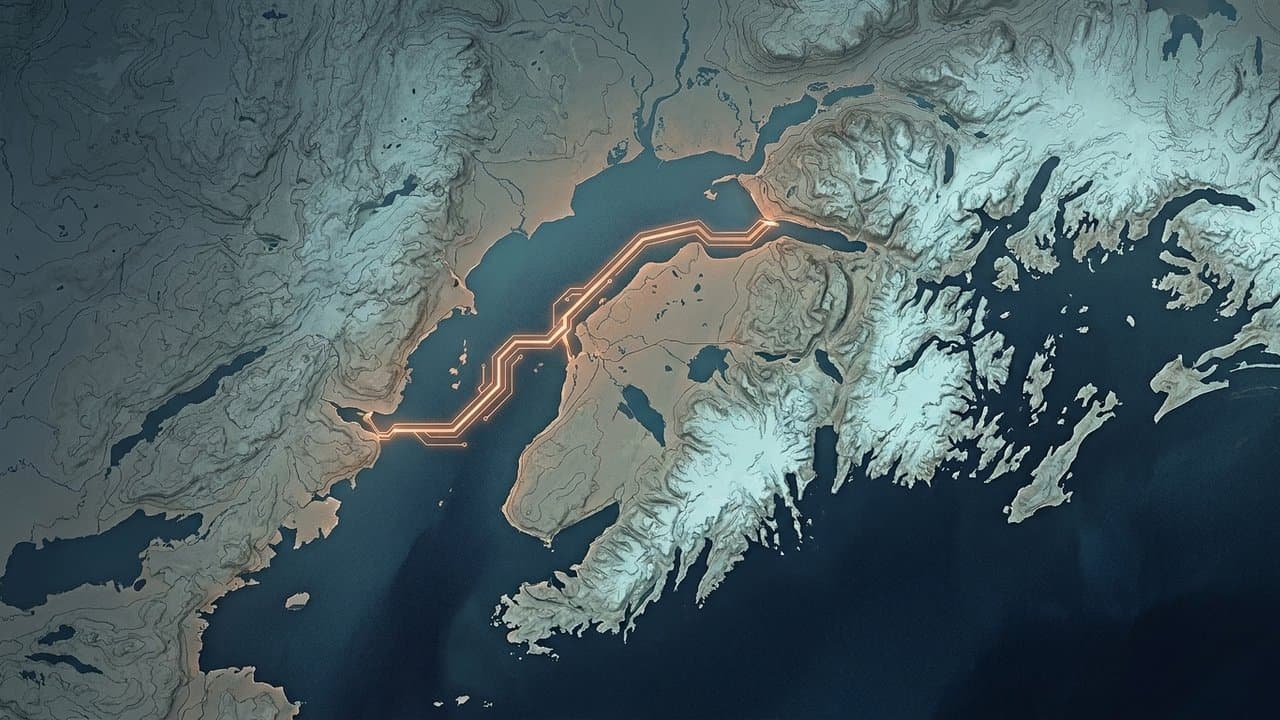
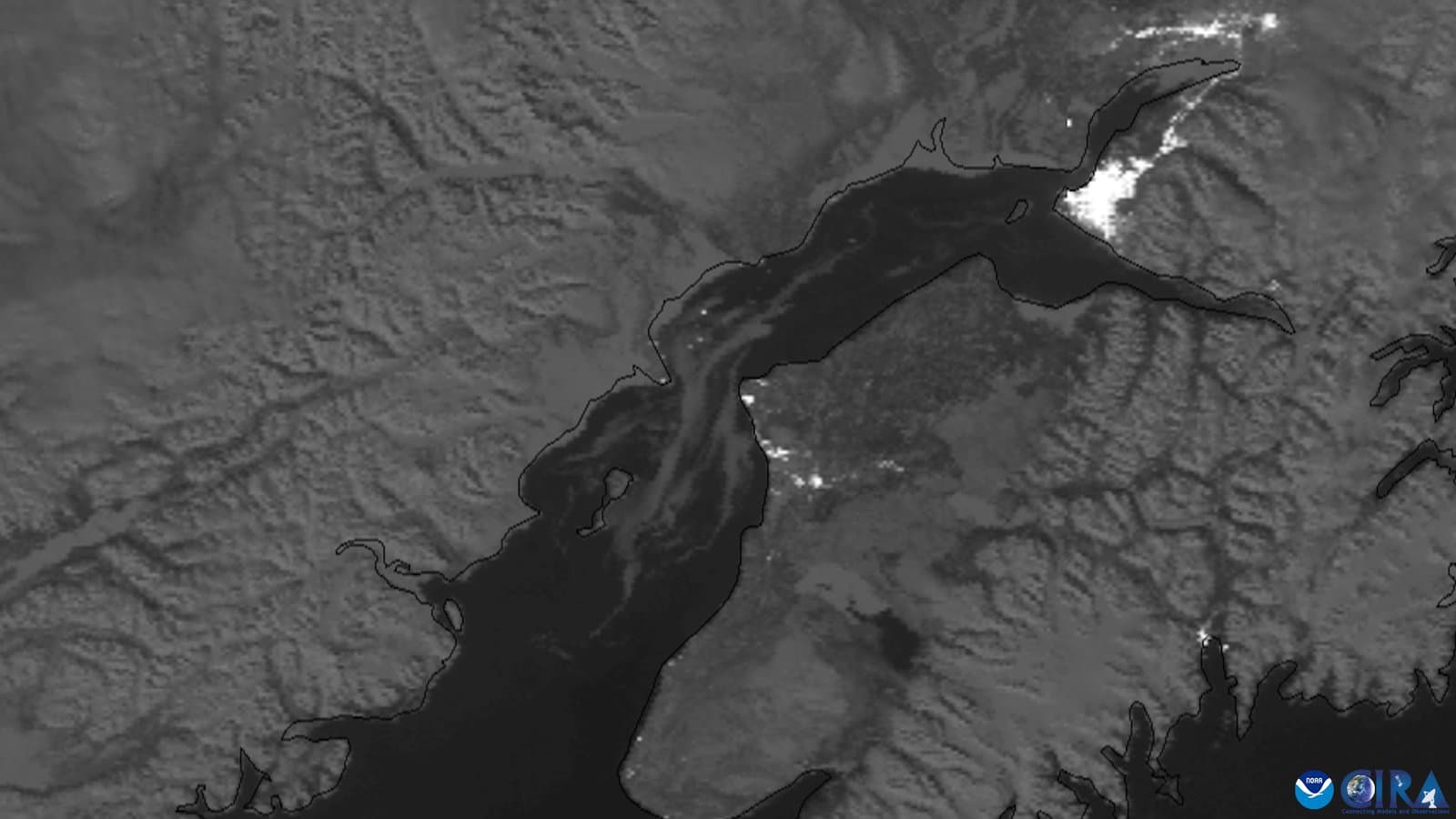
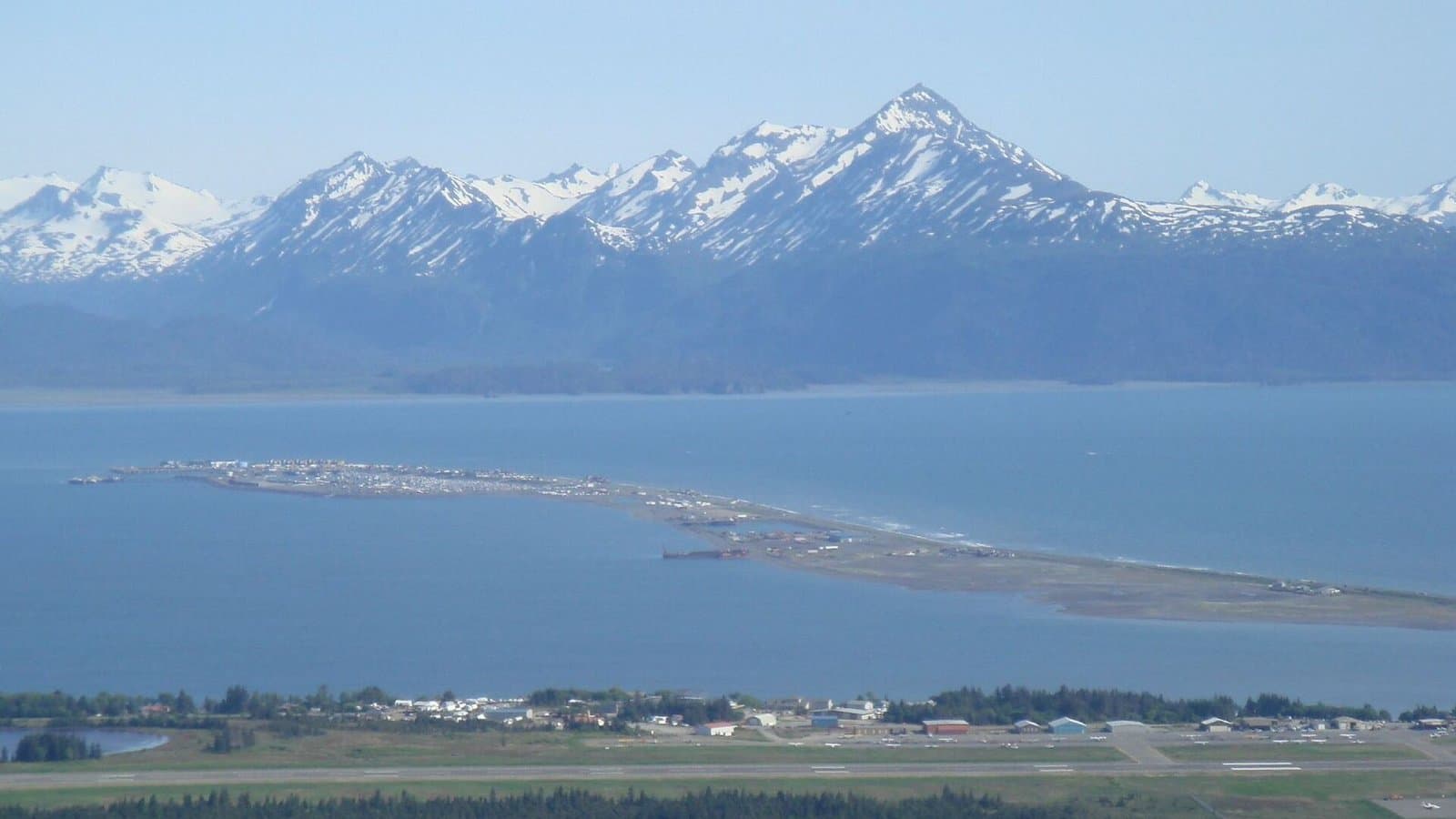
The Alaska Energy Authority is weighing a shorter route for its planned power cable under Cook Inlet, according to slides from a Nov. 4 meeting with prospective cable builders. The route would land at Moose Point and need 28 miles of additional right of way for its power line on the Kenai Peninsula.
The $413 million project is meant to give the Kenai Peninsula a second electrical connection to Anchorage, ending what the agency's project page calls the "single point of failure" between them. The shorter crossing, about 19 miles, would use about 40% less undersea cable, according to the slides. The agency plans to pick a route by the end of June 2027.
The base design follows a route first proposed in 2013. Its 32-mile crossing lands near Nikiski, in an area "bounded by oil platforms, pipelines and communication cables," and its power line follows existing roads and power line corridors to a converter station in Soldotna. The alternative would need new right of way, the strip of land a line runs on. A slide map shows it running from Moose Point down the coast past Nikiski to Soldotna. The slides do not say what the shorter route would save.
AEA's records give three cable lengths: about 40 miles in the request for information, 38 miles on the project page and 32 miles in the slides' base design.
AEA's marine survey ran Sept. 21 to Nov. 10 over two corridors and five potential landing sites. As of Nov. 4, the south alignment was done and the north alternate alignment was 85% done.
The agency has bought about 7 acres in the Moose Point area and is pursuing the lot next door, for a combined site of about 14 acres that could become the cable's landing, according to an Oct. 21 staff memo to the agency's board. The memo says AEA has asked Electric Power Systems for a proposal to study overland routes from Moose Point to Soldotna that would favor existing utility and transportation corridors and public land where practical "to minimize private property acquisition." AEA would work with the Kenai Peninsula Borough's lands office, CIRI, Chugach Electric, Homer Electric and the state Department of Natural Resources to refine the corridor. Its proposed schedule, not yet authorized, targets route screening in January and a final right-of-way report in May.
The federal Energy Department grant pays for half the project only if AEA matches it dollar for dollar. AEA has about $64.2 million in state money and Bradley Lake bond proceeds lined up, and its board made a $142.3 million request to the Legislature its top priority on Nov. 5. The slides say AEA has also applied for financing from the U.S. Department of Agriculture's Rural Utilities Service.
AEA prefers a 200-megawatt system. "Depending on pricing and available funding," its question-and-answer document says, the project may first build only a 100-megawatt half.
The slides say the grant "underwent the Process Review ('DOGE') assessment," with a "slight reduction in award amount due to removal of community benefits plan requirements." A federal modification dated April 21 cut it by $394,454, to $206,105,546, about two-tenths of 1%. AEA's July board packet tied that amount to the community benefits work.
The Beluga end, on the inlet's west side, is not settled either. AEA plans to choose a converter station site there in winter or spring 2027, and its connection to Chugach Electric's system is still to be worked out. Existing Beluga equipment may need upgrades that "may affect project scope, cost, outage planning, and schedule," the agency said.
Cable firms have until Dec. 15 to answer AEA's prequalification and request for information, showing their experience and giving nonbinding price estimates. AEA plans to name qualified firms in January, seek full proposals in April and award the cable contract in September 2027. The grant requires the project to be finished by Aug. 31, 2032.
What did you make of this story? (no account needed)
Made by our human newsroom with AI. How humans and AI work here · Grow with our newsroom ·
Keep Alaska News free for everyone.
No paywall, ever. Members pay so everyone can read the meetings and records Alaska News covers.
Get Alaska News in your inbox
Create your free account and get the day’s top stories around 6 each morning, in a few minutes’ read.
Top stories, around 6 each morning.
Stories on what you follow, on Sundays.
Source: AIDEA and Alaska Energy Authority procurement, Alaska Energy Authority weighs a 19-mile Cook Inlet crossing that would use about 40% less undersea cable for its $413 million power link; a DOE review trimmed the federal grant by $394,454.



Comments
Sign in to leave a comment.
No comments yet. Be the first to share your thoughts.