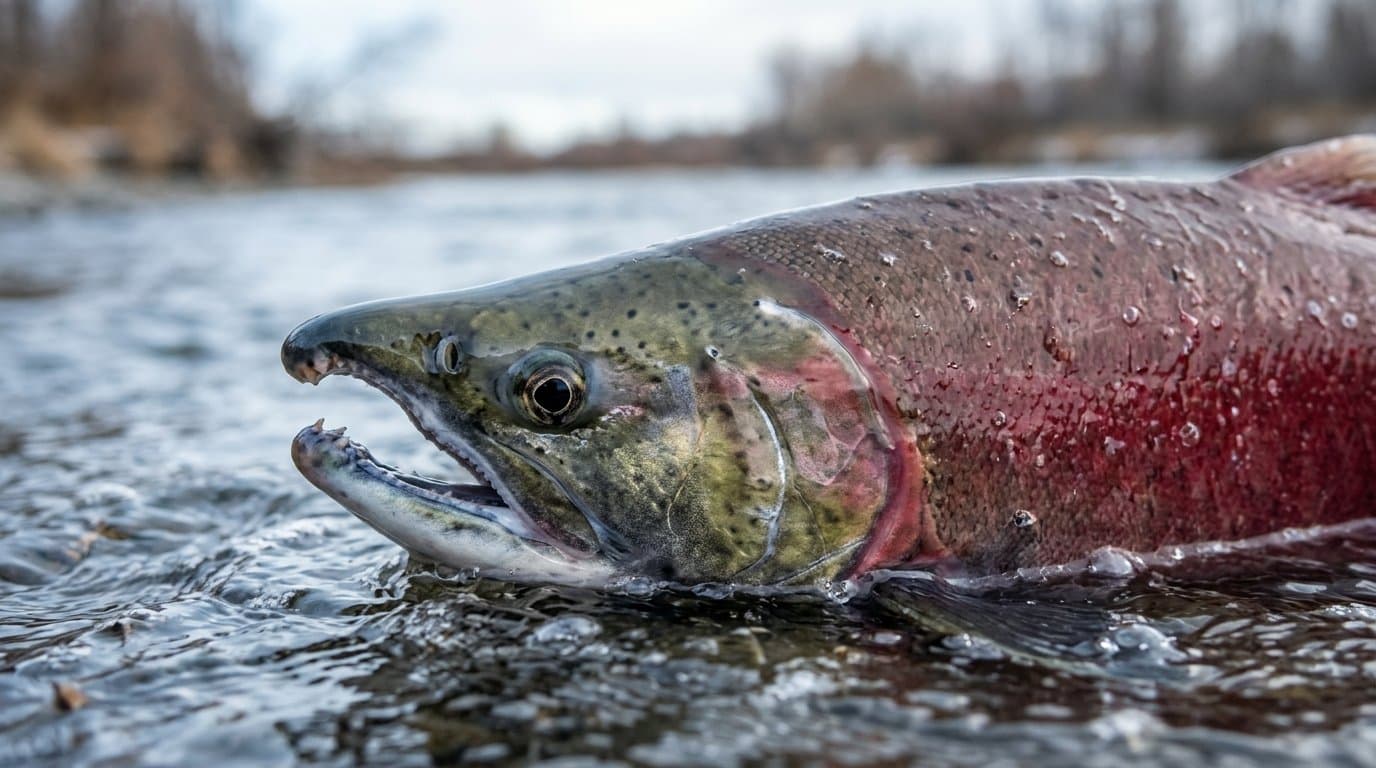
AI image
Homer committee may weigh in on Cook Inlet hooligan and Kenai sockeye proposals
Homer's fish and game advisory committee may take positions Dec. 8 on competing proposals for Upper Cook Inlet's commercial hooligan limit. One would double it; another would cut it to a quarter.
It may also weigh a proposal to raise the Kenai River's late-run sockeye spawning goal. The Cook Inlet proposals come last on its agenda, "as time allows."
The committee only recommends. The Alaska Board of Fisheries decides at its Upper Cook Inlet meeting in Anchorage in March. The Kenai/Soldotna advisory committee started its review of the same proposals this month.
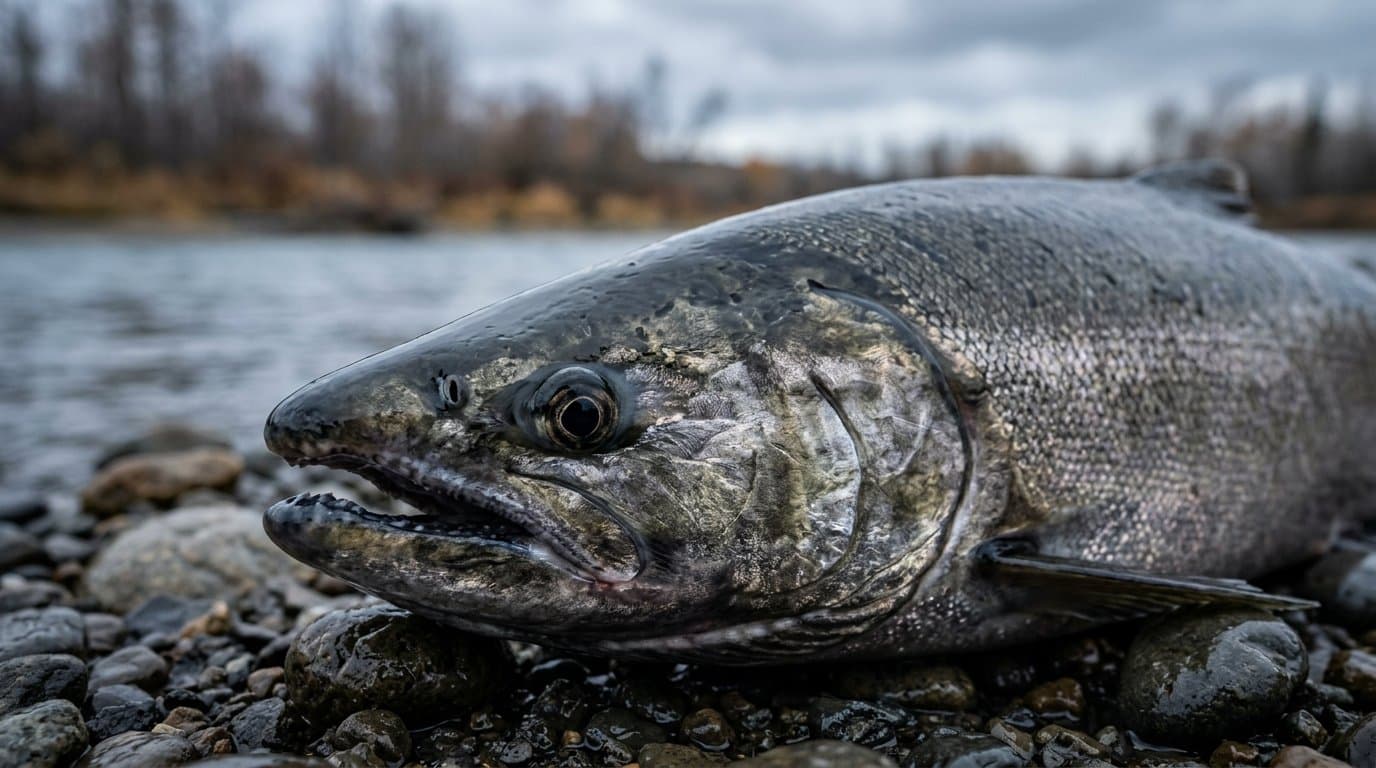
Hooligan, also called smelt or eulachon, are small, oily fish that swim up rivers to spawn. Commercial fishermen may take up to 100 tons a year in Upper Cook Inlet. The board cut the cap from 200 tons in 2024, according to the proposal book.
Teague Vanek wants it back at 200. He wrote that five boats take part in the fishery, on the Susitna River, and that the lower cap "makes for a more competitive scramble."
The Tyonek Advisory Committee wants it cut to 25 tons. Its proposal, developed in consultation with the Native Village of Tyonek IRA Council and the Tyonek Tribal Conservation District, says people in Tyonek are seeing fewer hooligan on the beach. It also says the fish feed Cook Inlet's struggling king salmon and beluga whales.
The sockeye proposal, from Mike Adams, would raise the goal for late-run Kenai sockeye, the number of fish managers aim to let upriver to spawn. It's now 750,000 to 1.3 million; the proposal would make it 1.2 million to 1.6 million. It would also remove the sockeye management plan's priority for commercial fishing and trim the extra hours the department can give east side setnetters.
A Department of Fish and Game review committee recommended keeping the current goal, according to the department's escapement goal memo.
The setnetters, who fish with gillnets anchored off Kenai Peninsula beaches, got two eight-hour openings in 2025 after the state closed their fishery in 2023, the department says. This summer they stayed closed because of a poor forecast for Kenai kings. Upper Cook Inlet's sockeye run came in 38% below forecast, according to preliminary state figures.
What did you make of this story? (no account needed)
Made by our human newsroom with AI. Reviewed by Cale Green. How humans and AI work here · Grow with our newsroom ·
Keep Alaska News free for everyone.
No paywall, ever. Members pay so everyone can read the meetings and records Alaska News covers.
Get Alaska News in your inbox
Create your free account and get the day’s top stories around 6 each morning, in a few minutes’ read.
Top stories, around 6 each morning.
Stories on what you follow, on Sundays.
Source: Alaska Department of Fish and Game.






Comments
Sign in to leave a comment.
No comments yet. Be the first to share your thoughts.