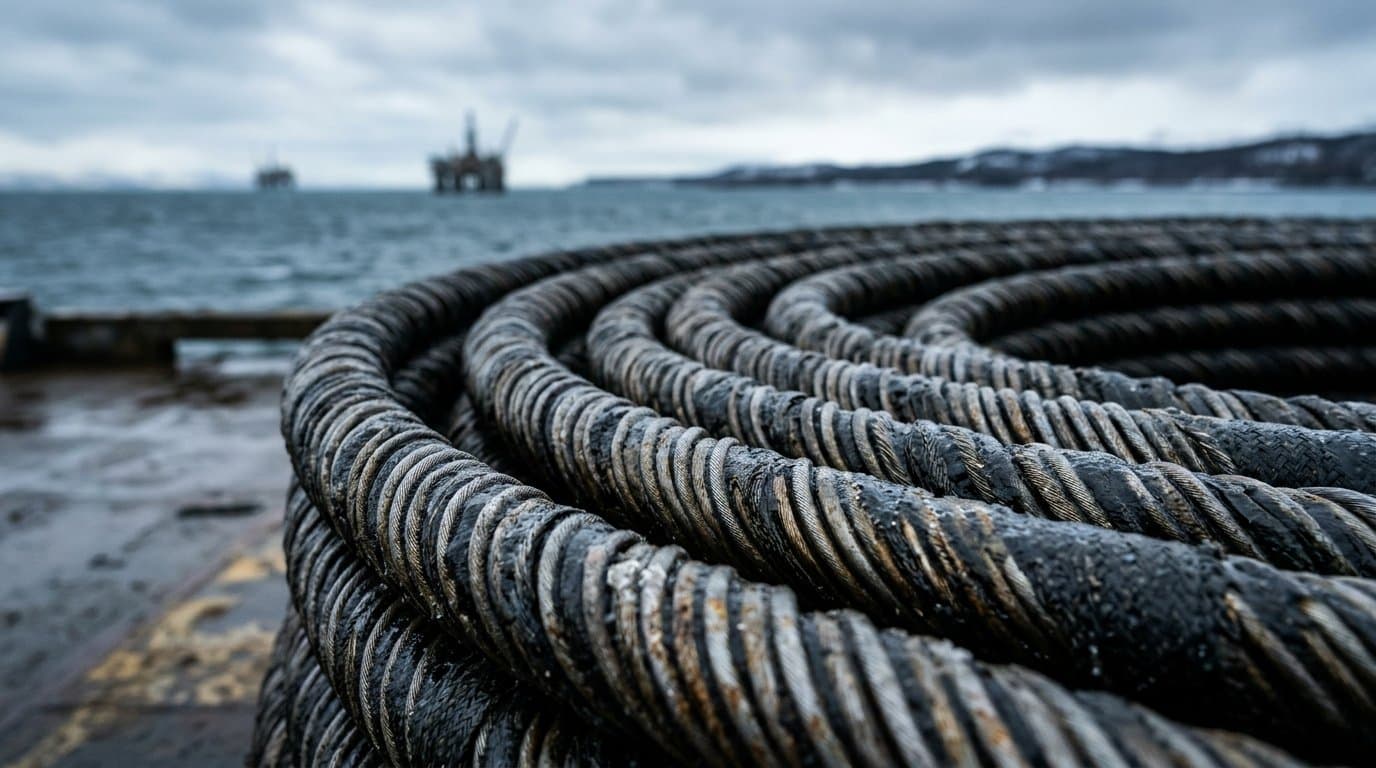
AI image
Shorter Cook Inlet cable route would need new power line right of way on the Kenai
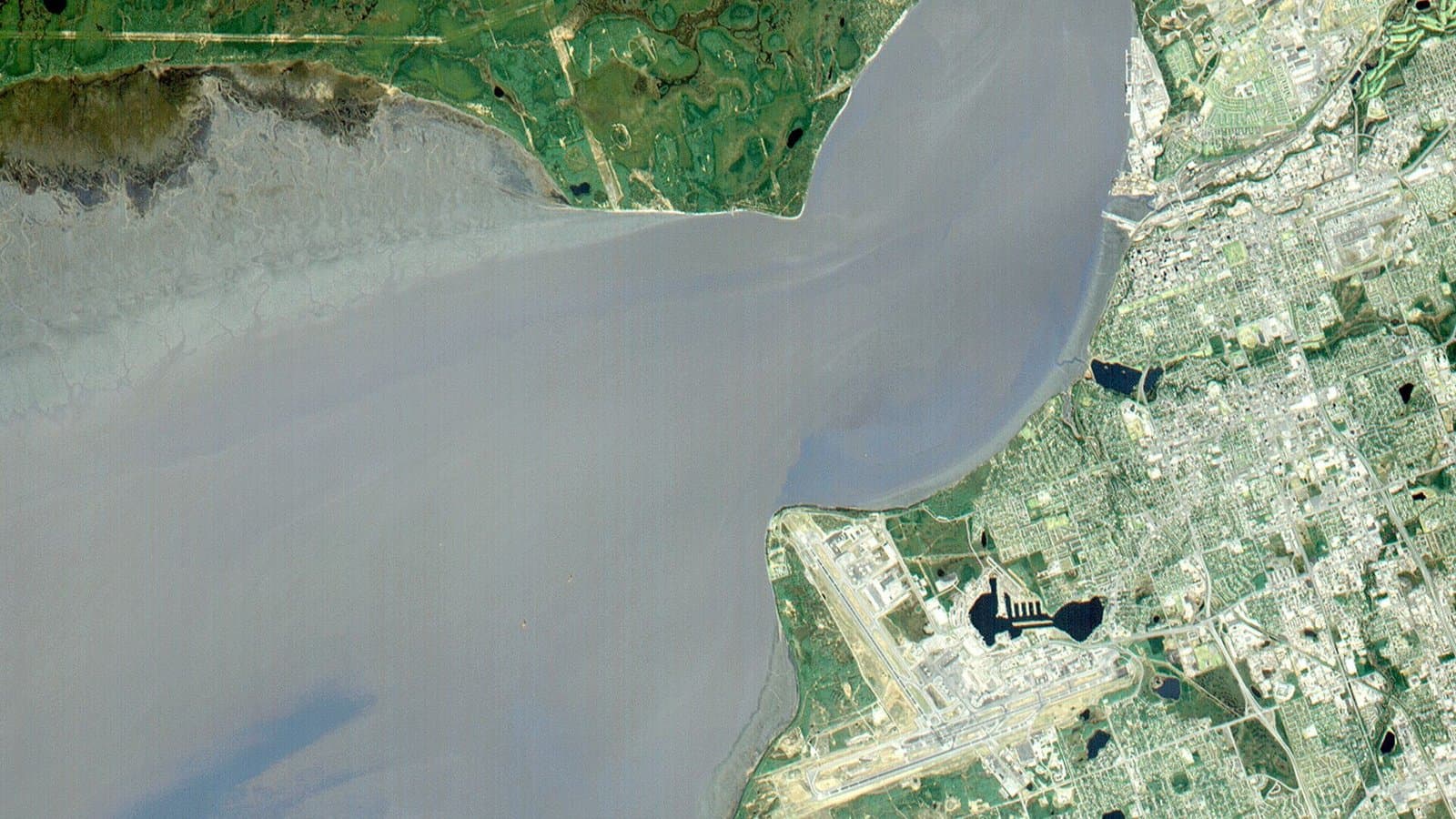
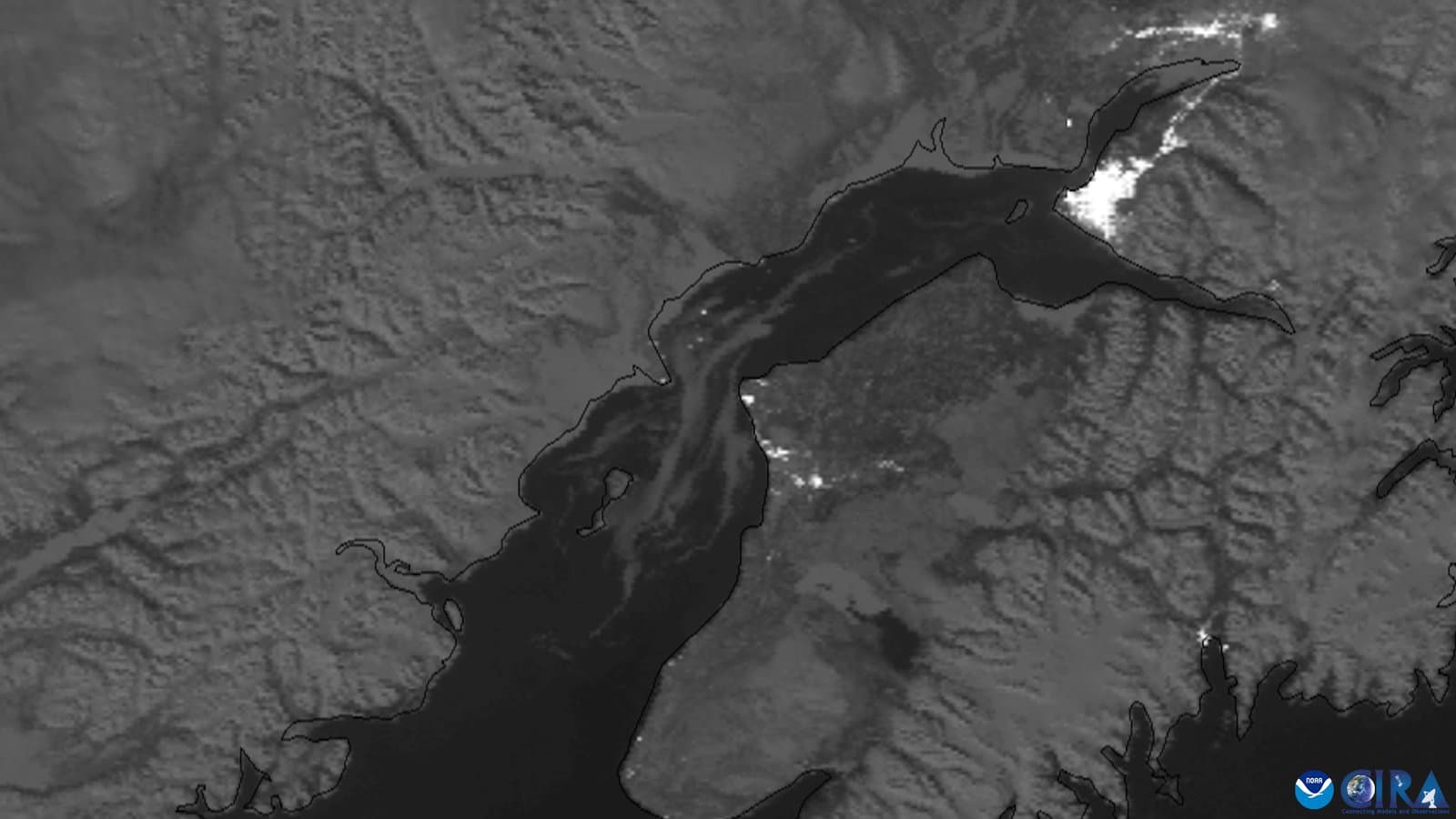
The Alaska Energy Authority is weighing a shorter route for its planned power cable under Cook Inlet, one that would come ashore at Moose Point and need about 28 miles of additional right of way for its power line on the Kenai Peninsula.
The $413 million cable would give the Kenai Peninsula a second electrical connection to Anchorage. One transmission path links them today, a "single point of failure," the agency's project page says.
The agency has already bought about 7 acres in the Moose Point area, on the Kenai's northern shore northeast of Nikiski, and is pursuing the lot next door for a possible cable landing site, according to an Oct. 21 staff memo to its board.
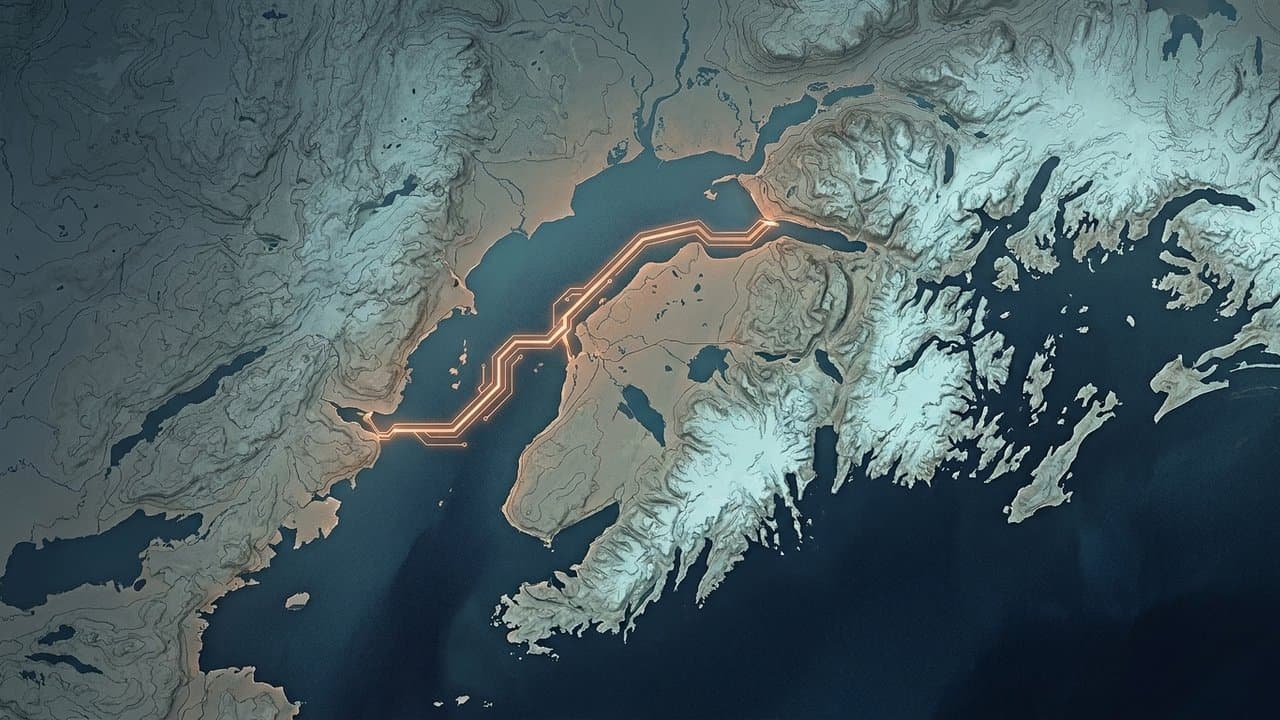
From there, the cable would cross about 19 miles of water to Beluga instead of 32, using about 40% less undersea cable, according to slides AEA showed prospective cable builders Nov. 4. The current route, first proposed in 2013, lands near Nikiski in an area "bounded by oil platforms, pipelines and communication cables." The slides say the shorter route has "fewer constraints in routing" but don't say what it would save.
The current plan's power line would follow existing roads and power line corridors to a converter station in Soldotna. The Moose Point route would need new right of way, the strip of land a power line runs on. The slides' map draws it down the coast past Nikiski to Soldotna.
AEA has asked Electric Power Systems for a proposal to study routes from Moose Point to Soldotna. The study would favor existing utility and transportation corridors and public land where practical, "to minimize private property acquisition," the memo says. AEA would work with the Kenai Peninsula Borough, CIRI, two electric utilities and the state to refine the corridor, and it plans to pick a route by the end of June 2027.
A federal Energy Department grant of about $206 million covers half the project's cost, but only if AEA matches it dollar for dollar. The agency has $64.2 million lined up from state money and Bradley Lake bonds. On Nov. 5, its board made the remaining $142.3 million its top request to the Legislature.
AEA's preferred design would carry 200 megawatts, but "depending on pricing and available funding," it may first build half of that, the agency told cable builders in written answers.
The slides say the federal grant went through a review they label "DOGE" and was reduced slightly when requirements for a community benefits plan were removed. Federal records show a $394,454 cut in April.
The cable's other end isn't settled either. AEA plans to pick a converter station site near the Beluga power plant this winter or spring, and existing equipment there may need upgrades that "may affect project scope, cost, outage planning, and schedule," the agency said.
AEA plans to award the cable contract in September 2027. The federal grant requires the project to be finished by Aug. 31, 2032.
What did you make of this story? (no account needed)
Made by our human newsroom with AI. Reviewed by Cale Green. How humans and AI work here · Grow with our newsroom ·
Keep Alaska News free for everyone.
No paywall, ever. Members pay so everyone can read the meetings and records Alaska News covers.
Get Alaska News in your inbox
Create your free account and get the day’s top stories around 6 each morning, in a few minutes’ read.
Top stories, around 6 each morning.
Stories on what you follow, on Sundays.
Source: AIDEA and Alaska Energy Authority procurement, Alaska Energy Authority weighs a 19-mile Cook Inlet crossing that would use about 40% less undersea cable for its $413 million power link; a DOE review trimmed the federal grant by $394,454.








Comments
Sign in to leave a comment.
No comments yet. Be the first to share your thoughts.