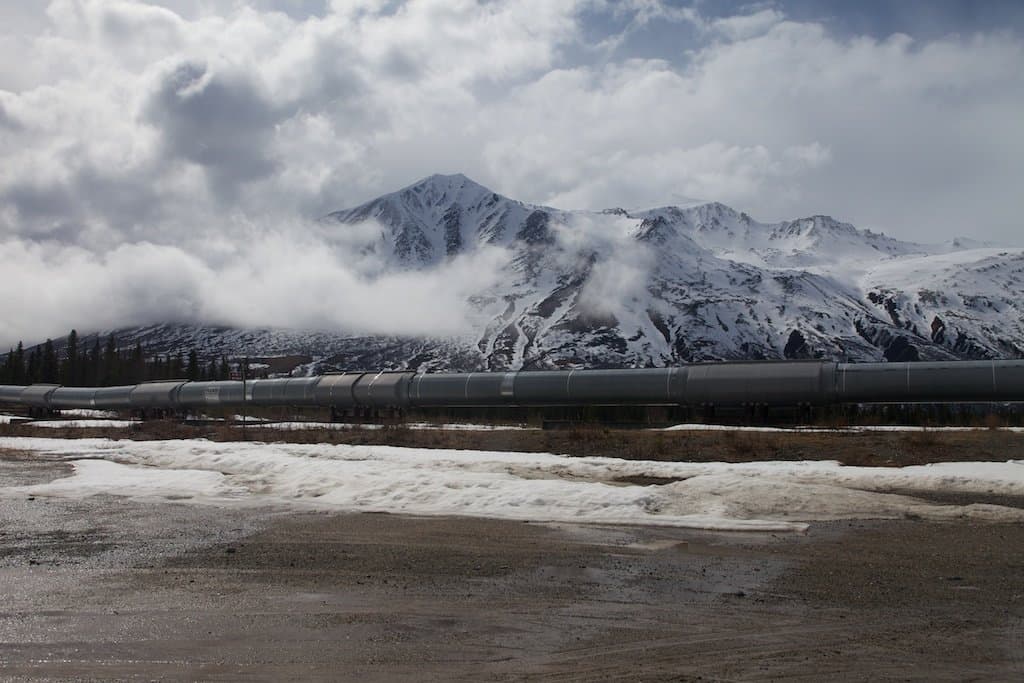
Photo: Malcolm Manners via Wikimedia Commons · Photo source · CC BY 2.0
Oil prices decide whether Anchorage gets state money for school roofs and a fire alarm
State money for a new roof at Anchorage's Kasuun and Kincaid elementary schools and a new fire alarm at Steller Secondary School takes effect Jan. 1 only if Alaska North Slope crude averages $80 a barrel from July 1 through Dec. 31, according to the state education department.
So far, oil is well above that. North Slope crude averaged about $99.50 a barrel from July 1 through Nov. 12, based on the state Revenue Department's daily price table. To pull the average below $80 by Dec. 31, prices on the roughly 35 weekdays left would have to average under $30, by Alaska News' count.
The Anchorage projects are part of $26 million that lawmakers approved in May on the condition that oil prices stay that high. Presenting the capital budget on the House floor, House Finance Co-Chair Calvin Schrage called it a "contingent waterfall." Here's what it would buy:
$10 million for the Port of Alaska in Anchorage;
$10.65 million for school major maintenance, covering projects 34 through 38 on the state's fiscal 2027 list;
$3.25 million for University of Alaska Southeast and University of Alaska Anchorage projects;
about $2 million for court security upgrades.
The budget was built on the Revenue Department's spring forecast of $75 a barrel. At that price, oil was expected to bring in $1.88 billion of the $6.73 billion in unrestricted general fund revenue, the money lawmakers can spend as they choose, and the $26 million wouldn't have come through, according to the Legislature's budget summary.
Prices climbed through the fall. North Slope oil hit $130.99 on Oct. 30, its highest price since July 2008, before falling back. Monthly averages ranged from $78.62 in July to $122.21 in October and $112.91 so far in November.
Lawmakers set up a similar order for last year's extra revenue. It beat the forecast largely because of an oil-price spike during the U.S.-Iran war, and the budget poured that money into a line of payments, in order: an energy relief payment of up to $200 per recipient, then $115 million for schools outside the state's funding formula, then $15 million for a loan fund that helps rural communities buy bulk fuel. The rest, up to a cap, went into the Statutory Budget Reserve, one of the state's savings accounts. After the Revenue Department confirmed preliminary numbers in August, that came to about $128 million for energy relief and $341 million for savings, according to the budget summary.
Gov. Mike Dunleavy has cautioned against building on the surge. He vetoed nearly $90 million from the budget in June, mostly increases lawmakers had added for ongoing programs. "This was an anomaly, not a trend," he said of the revenue surge. Federal forecasters expect Brent crude, a global benchmark, to fall below $90 in the second quarter of 2027 and to $77 by the end of 2027.
The Kasuun and Kincaid roof project ranks 10th statewide on the education department's initial fiscal 2028 school maintenance list, issued Nov. 5, at about $11.2 million, with a state share of about $7.3 million. The Steller fire alarm ranks 13th at about $389,000, with the state paying about $253,000 and the district $136,184.
Until the oil money is confirmed, the department lists both as pending funding. So are three other projects that hinge on the same price: a gymnasium roof at Klawock School, a playground at Tanana K-12 School in the Yukon-Koyukuk School District and generators at two schools in the Denali Borough.
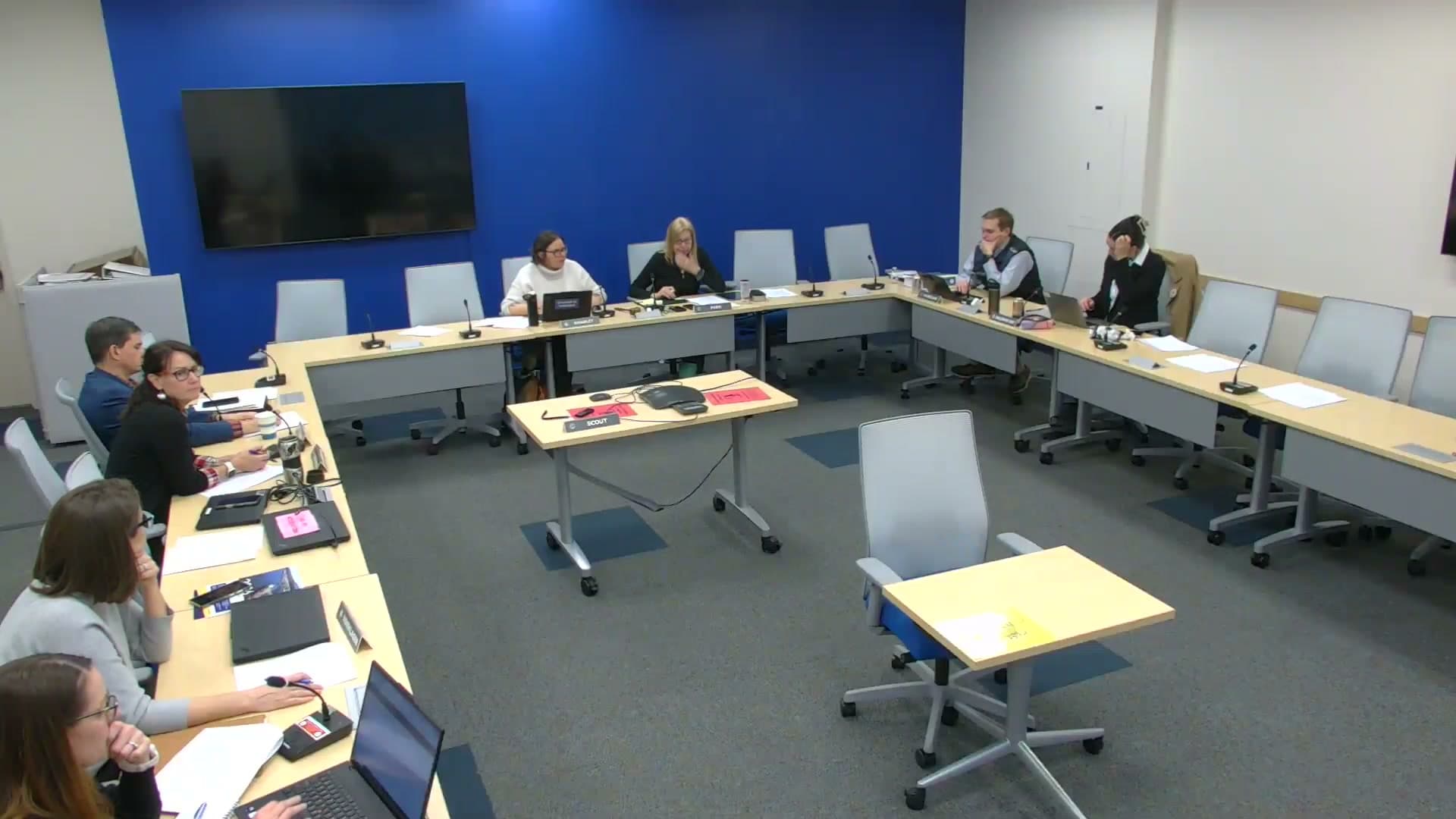
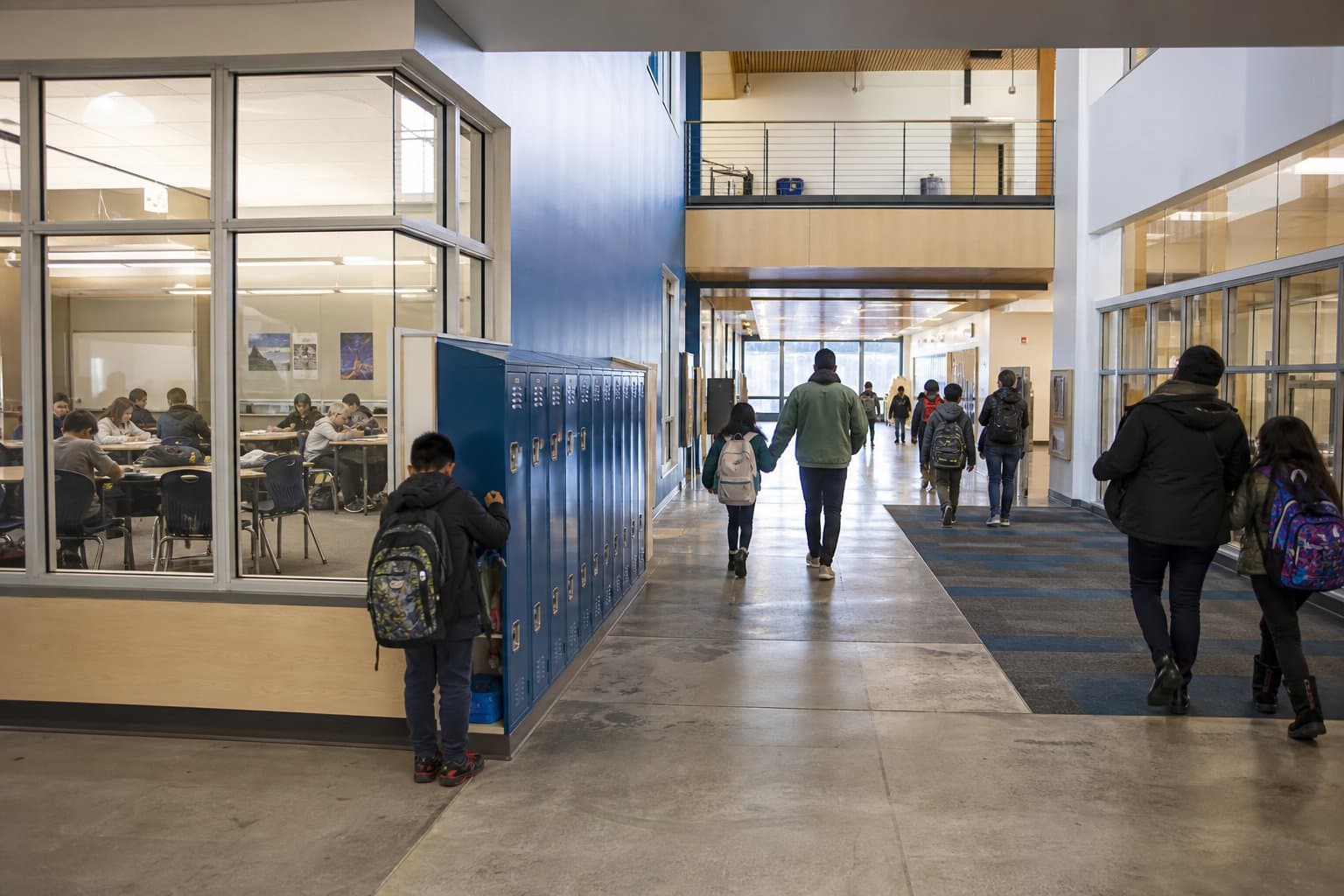
Anchorage School Board member Kelly Lessens told the board Oct. 6 that roofs at multiple schools "were all leaking all at the same time." She said the board considers roofs "a safety issue." In October, the district listed nearly $18 million in urgent building repairs ahead of an April bond measure.
The House passed the capital budget 24-16 on May 15, and the Senate agreed to the House changes 18-2 on May 20. On the Senate floor, Sen. Bert Stedman said the added projects would trigger if the price of North Slope oil on the West Coast is above $80 a barrel between July 1 and Dec. 31.
What did you make of this story? (no account needed)
Made by our human newsroom with AI. Reviewed by Cale Green. How humans and AI work here · Grow with our newsroom ·
Get Alaska News in your inbox
Create your free account and get the day’s top stories around 6 each morning, in a few minutes’ read.
Top stories, around 6 each morning.
Stories on what you follow, on Sundays.
Source: Anchorage School District.






Comments
Sign in to leave a comment.
No comments yet. Be the first to share your thoughts.