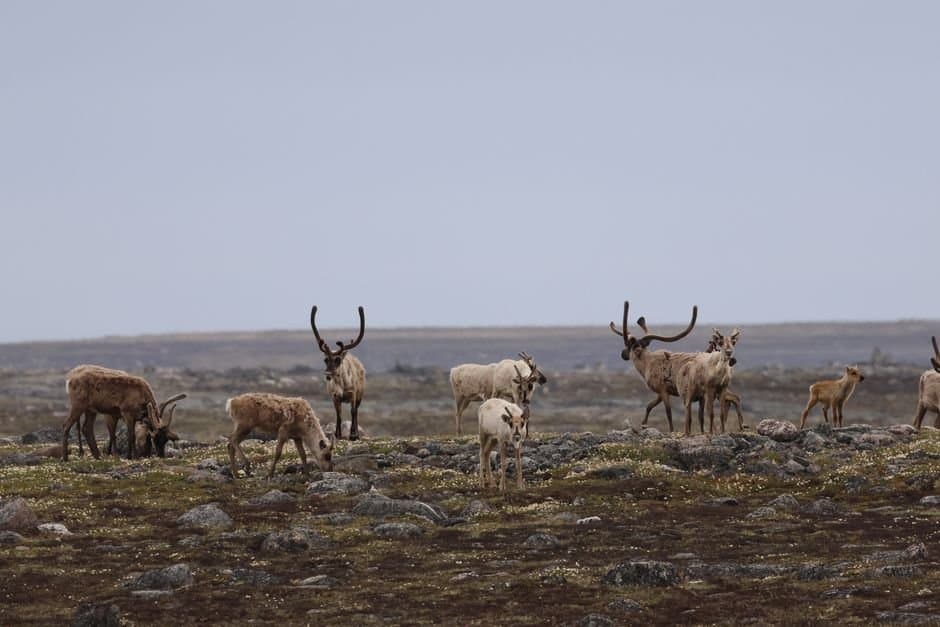
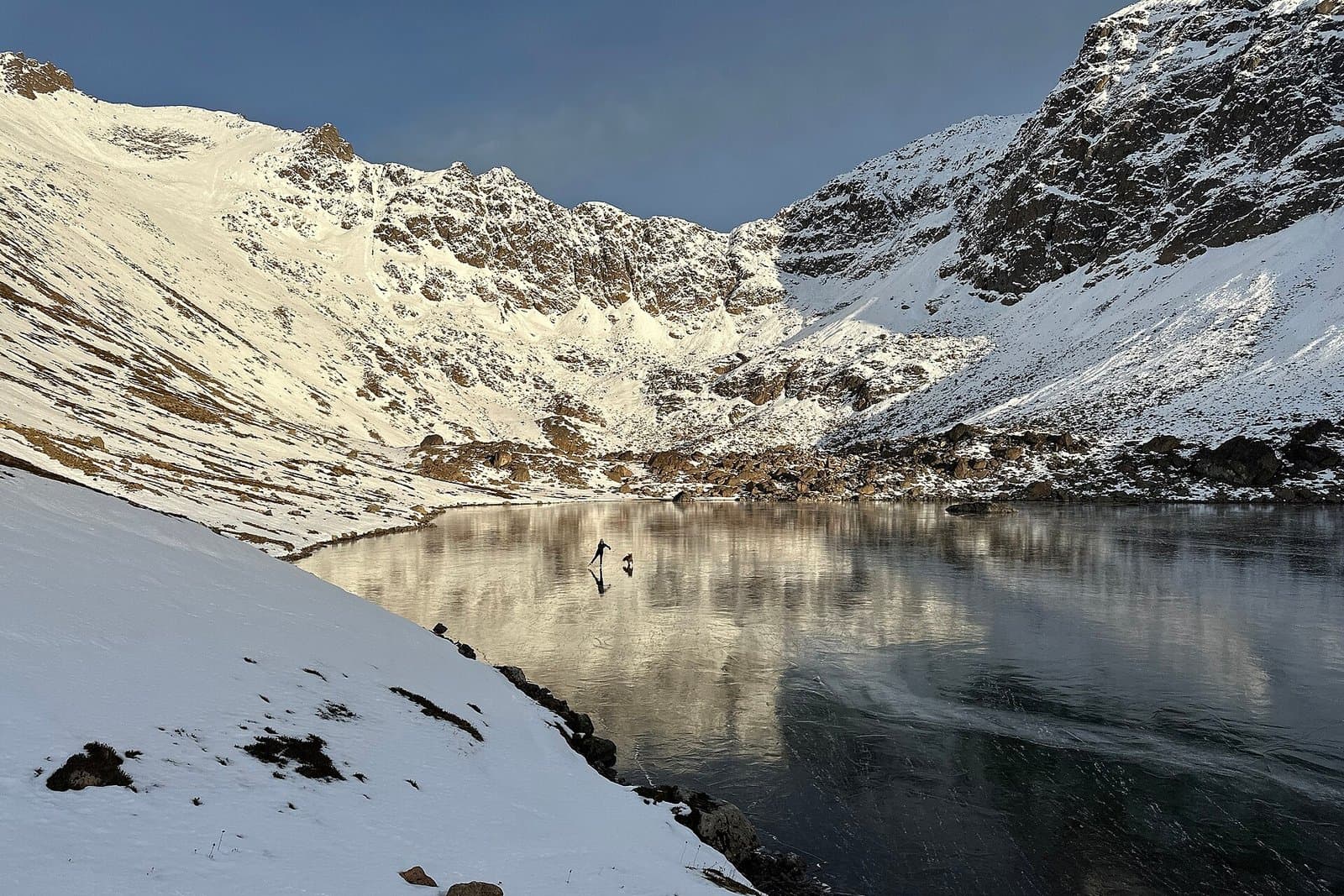
Photo: NPS Photo via Wikimedia Commons · Photo source · Public domain
Anchorage game advisers weigh 91 proposals, from caribou closures to wolf control
Anchorage's local hunting advisers meet Wednesday to weigh in on 91 proposed changes to Alaska's hunting and trapping rules, including proposals to keep the Mulchatna caribou herd closed, bring back an open resident sheep season in part of the Alaska Range and extend a state program that kills wolves and bears around McGrath to grow moose numbers.
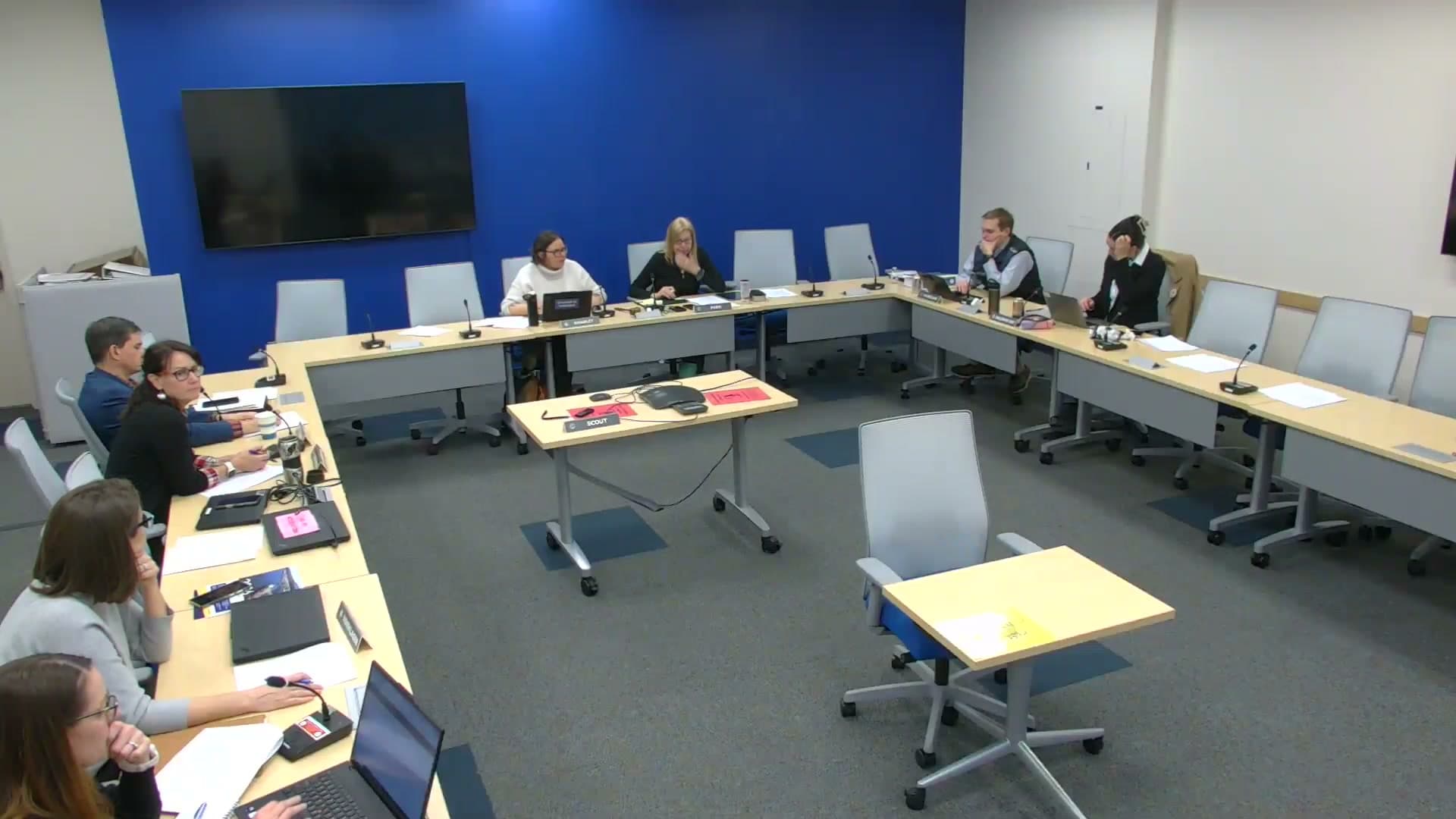
The Anchorage Fish and Game Advisory Committee's Game Subcommittee takes up Board of Game proposals 38 through 128 at 6 pm at the Bass Pro Shop on Mountain View Drive, according to the meeting notice. Advisory committees are local forums that review proposals and make recommendations to the state's fish and game boards.
The Board of Game makes the decisions. It takes up proposals 38 to 81, for Western Alaska, Jan. 23-26 in Kotzebue, and proposals 82 to 128, for the Interior and eastern Arctic, March 19-26 in Fairbanks, according to the proposal book.
Most of the proposals deal with places far from Anchorage, from the Seward Peninsula to the upper Kuskokwim River. But many would change who gets to hunt: people who live there, nonresidents or other Alaskans who fly or boat in. Here's a breakdown of the main ones.
Caribou
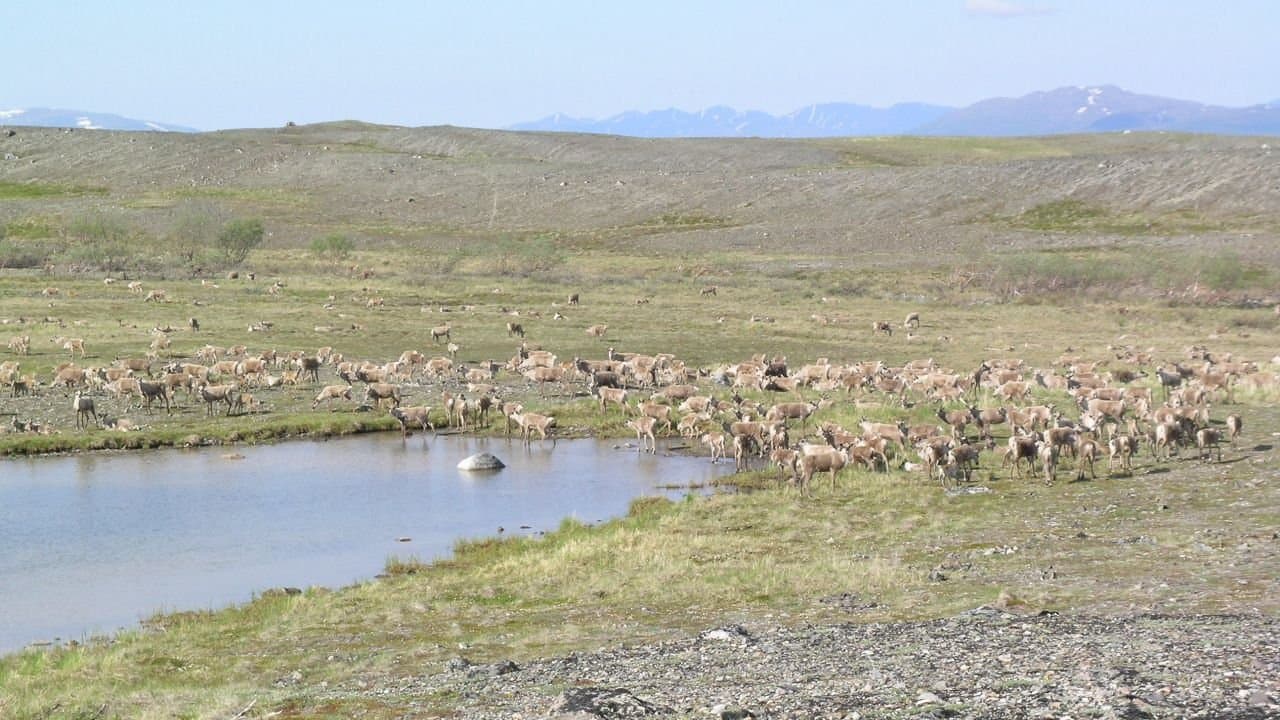
The Mulchatna herd in Southwest Alaska numbered about 190,000 caribou at its peak in 1997. By 2019 it had fallen 94%, to about 13,000, and it has been closed to all hunting since 2021, the Alaska Department of Fish and Game says in a fall 2025 update.
The herd is growing again. The department's 2025 estimate put it at 16,276 caribou, up about 30% since the department's intensive management program, which has included killing bears and wolves on calving grounds, began in 2023. That's still short of the state's goal of 30,000 to 80,000.
The Bethel Fish and Game Advisory Committee's Proposal 54 would keep the herd closed to hunting in Unit 18, around Bethel, for three more years. The committee says predator control during calving season, in place alongside the closure, has helped the herd grow.
Separately, the board decides Dec. 2 whether to take up a department request to restore wolf removal for the herd after a judge struck down that part of its plan in March.
Proposal 55, from the Togiak advisory committee, would open a winter subsistence hunt, capped at 70 caribou a year, on a small group around Cape Newenham and Goodnews Bay that the department tracks separately from the rest of the herd. It would be open to residents of Togiak, Goodnews Bay, Twin Hills, Manokotak and Platinum.
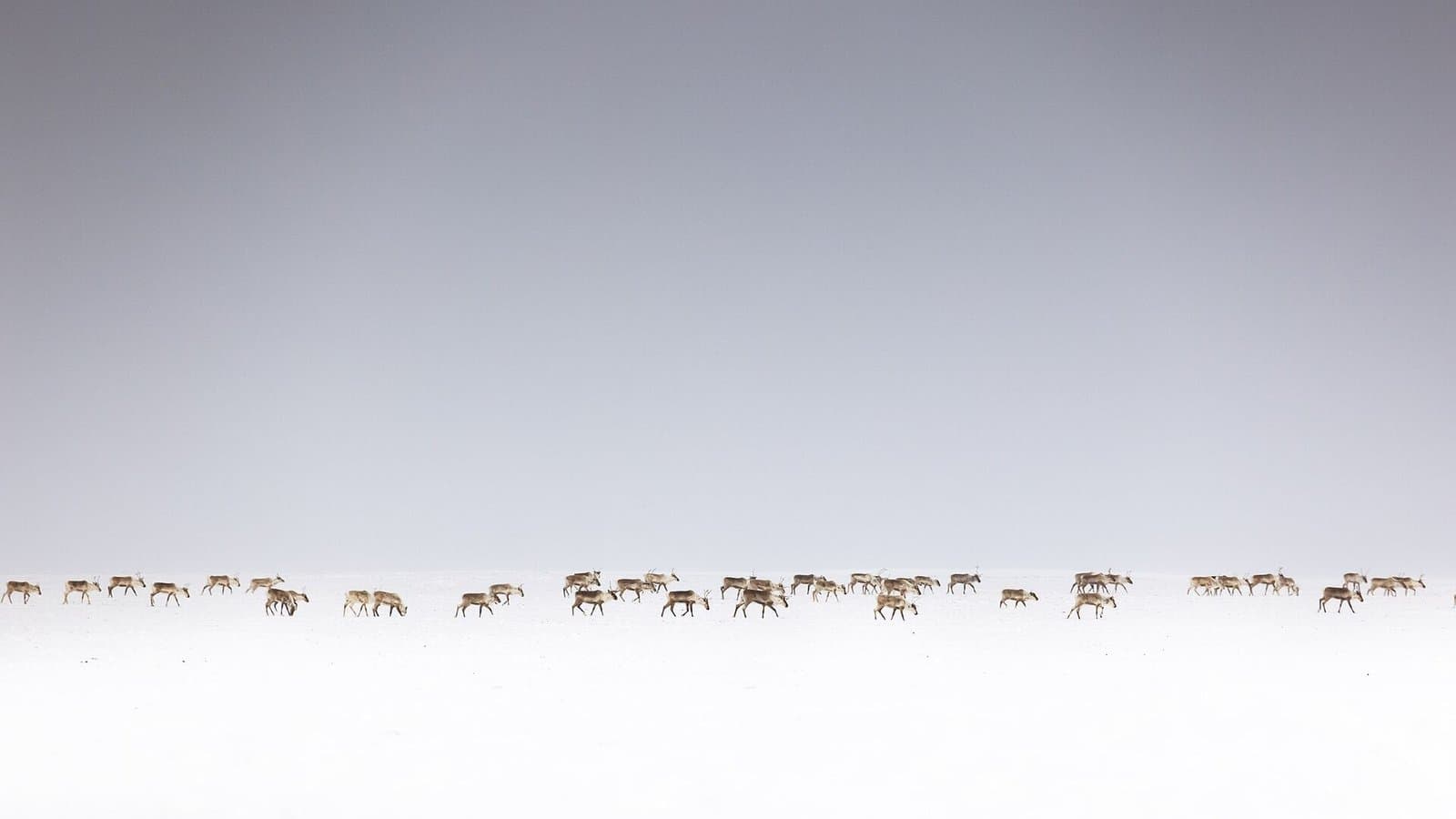
This batch also includes Proposal 87, from the Western Arctic Caribou Herd Working Group, which would close hunting of that herd if it falls to 75,000. It repeats the Proposal 6 the board takes up in Kotzebue. A July 2025 photo census put the herd at 121,000.
Alaska Range sheep
Eight proposals deal with Dall sheep in Unit 19C, in the western Alaska Range, where the board has restricted hunting in recent years. Dall sheep numbers have fallen across much of Alaska since around 2010.
The board barred nonresident sheep hunters there in 2023, according to several proposals. In March 2025 it closed the unit to all sheep hunting for a year, except a winter subsistence hunt, and switched to a drawing for 2026 and 2027, the board's findings say. It recommended up to 20 permits, 16 of them for residents, with a goal of 5 to 10 rams a year.
The board also voted to make the unit the pilot area for the state's guide concession program, which would limit how many hunting guides can work there. The Fairbanks advisory committee writes that the state Department of Law said the way the board adopted that wasn't legal, and a new proposal is needed.
Proposals from the Matanuska Valley and Fairbanks advisory committees and the group Resident Hunters of Alaska would let any resident hunt there again from Aug. 10 to Sept. 20, while keeping nonresidents on a limited drawing. The Matanuska Valley committee's version would cap resident harvest at 15 rams. The Fairbanks committee writes that the department told the board in 2025 there were enough rams for a resident general season. Resident hunters "were not a part of the problem," Resident Hunters of Alaska wrote.
Several individual hunters, including a guide who writes that he has spent nearly 3,000 days in the unit over 45 years, would bring back the old general season, some for nonresidents too. Some argue that weather, not hunting, drove the decline. Another proposal would make the unit bow-and-arrow only.
Farewell moose
Nine proposals deal with the Farewell area of Unit 19C, a popular moose hunt with an airstrip and an extensive ATV trail network. Its relative closeness to Anchorage draws hunters who fly in ATVs and camping gear, one proposal says.
The department counted 21 bulls per 100 cows there in 2025, down from 40 in 2018. After the board moved nonresidents to a drawing in 2024, the number of hunters at Farewell fell from 213 in 2023 to 114 in 2024. That hasn't been enough to stop the decline, the department said in an April announcement limiting residents to 100 first-come registration permits this fall. Nonresidents got 10 drawing permits.
The McGrath advisory committee's Proposal 114 would tie limits to the bull-cow ratio: limited resident permits and a 90-10 split with nonresidents whenever the two-year average drops below 30 bulls per 100 cows, which the committee calls the minimum objective.
Other proposals would make Farewell a drawing for everyone, shorten the season to Sept. 1-15, make it a quota hunt or hold it only every other year. One also cites trash, fuel drums and ATVs that hunters leave at the airstrip.
Wolves and bears around McGrath
The department's Proposal 98 would extend its wolf and bear control program in Unit 19D East, about 8,500 square miles of the upper Kuskokwim River drainage around McGrath, through June 2033. The current authorization runs through June 2030.
The board first authorized the program in 1995, and wolf removal began in the winter of 2003-04. Moose numbers rose through 2022, but after the deep-snow winter of 2022-23 they fell back to 2012 levels, the department wrote. It says a large wildfire and periods of bear removal make it hard to judge how well the program has worked.
The program has never met its goal of 225 moose harvested a year in its wolf-control area. The department would lower it to 140, to better reflect past harvests and what's achievable where hunters can reach by river and the area's limited roads.
It would also change the wolf goal there from cutting numbers by at least 60% to 80% to reducing them "to the lowest level possible." So far, only members of the public with aerial permits have taken wolves under the program, the department says. The proposal keeps the option for department staff to kill wolves and bears, including from helicopters, with bear removal confined to a relatively small area around McGrath.
Cougars, gallbladders and bait
The Fairbanks advisory committee's Proposal 84 would open cougar hunting with no closed season and no limit, plus a Nov. 1-April 30 trapping season, across much of the Interior and eastern Arctic. Alaska opened its first mountain lion season this year, in Southeast.
The committee says Alaska's struggling hoofed game, such as moose and caribou, doesn't need a new, possibly growing predator, and that legal harvest would give the department data on whether and where cougars live in the Interior.
The Seward Peninsula Subsistence Regional Advisory Council's Proposal 47 would allow selling or bartering brown bear gallbladders in parts of Unit 22, the Seward Peninsula and Norton Sound region. State rules now bar it for any bear. The council says the change would give hunters a reason to take their limit of brown bears and help cover fuel costs, and believes it would help protect the declining Western Arctic caribou herd.
Several proposals would loosen bear-baiting rules: allowing cellular trail cameras at bait stations, which are now banned; adding a fall bait season in Unit 18 and lengthening Unit 19's seasons; and allowing black bear baiting in Unit 22A.
Moose on the Yukon-Kuskokwim Delta
The Yukon-Kuskokwim Delta Subsistence Regional Advisory Council describes Unit 18's moose population as very high, with moose at times causing safety problems in villages. It also cites food security concerns tied to salmon shortages.
Its Proposal 63 would open the resident season in much of Unit 18 on July 16 instead of Aug. 1, matching the federal subsistence season. Proposal 64 would push the start of the nonresident season from Sept. 1 to Sept. 10 so residents can "fill their freezers first." The council cites growing competition from outside hunters, plus reports of wanton waste and of trespassing on Native corporation lands and Native allotments.
Other proposals would put nonresidents' September bull moose hunts on the lower Yukon River on a drawing, and restrict aircraft use for moose hunting in a new Andreafski Wilderness controlled use area.
Three would limit sales of Unit 18 moose antlers or require hunters to saw off part of the antlers to destroy their trophy value. The Mid-Lower Yukon advisory committee cites "head hunting and wanton waste." State rules already bar selling antlers from caribou taken in Unit 23 unless they were shed or made into handicrafts.
Who gets the permits
Proposals 70 through 73 would limit nonresidents' share of permits in two Unit 18 muskox drawing hunts, or make them resident-only. One proposer writes that nonresidents drew 60% of one hunt's permits and 35% of the other's this year. Proposals 111 through 113 would do the same for Unit 19 bison.
Also on the list
Holitna River boats: Six proposals would repeal the 40-horsepower limit on boats used for big game hunting from Aug. 1 to Nov. 1 in the Holitna-Hoholitna Controlled Use Area, or raise it to 115. The Bethel committee says the limit keeps Unit 18 hunters from using bigger motors even when they're needed for safe travel in strong currents, shallow water and long trips.
Unit 19A moose: The Bethel committee would take the hunt off Tier II, a permit system meant to limit hunting when demand exceeds what can be harvested. It says moose numbers have grown and most or all applicants get permits.
Unit 18 wolves: The limit would rise from 10 wolves to 15, matching the federal limit.
Crossbows: Proposal 88 would allow crossbows in archery-only hunts, including the Dalton Highway corridor, for Purple Heart recipients with physical challenges and residents 62 and older.
Written comments to the board are due Jan. 9 for the Kotzebue meeting and March 5 for the Fairbanks meeting, through the board's website.
What did you make of this story? (no account needed)
Made by our human newsroom with AI. Reviewed by Cale Green. How humans and AI work here · Grow with our newsroom ·
Get Alaska News in your inbox
Create your free account and get the day’s top stories around 6 each morning, in a few minutes’ read.
Top stories, around 6 each morning.
Stories on what you follow, on Sundays.
Source: Alaska Department of Fish and Game, Alaska Department of Fish and Game: Anchorage Fish and Game Advisory Committee - Game Subcommittee Meeting.







Comments
Sign in to leave a comment.
No comments yet. Be the first to share your thoughts.