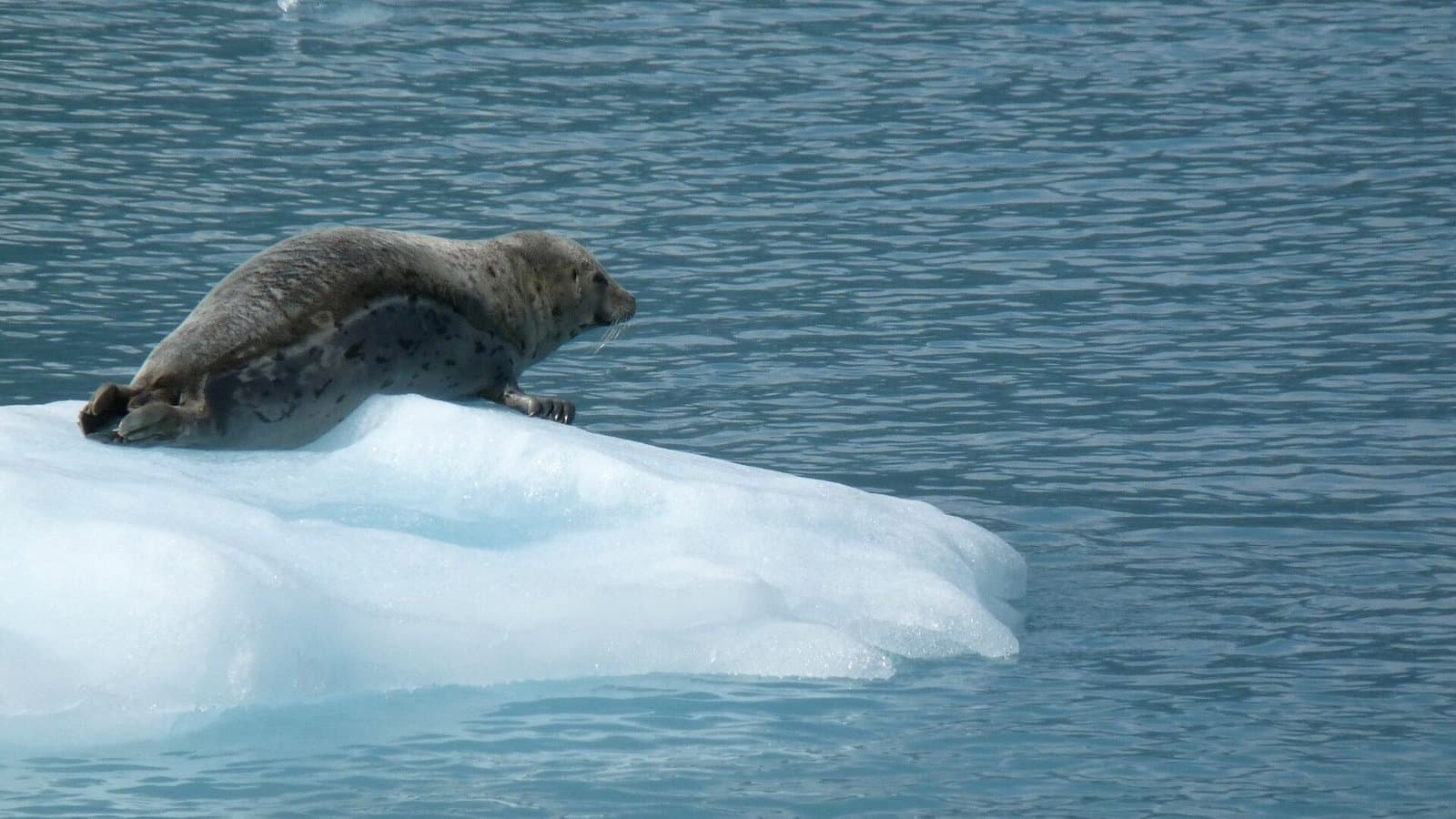
Photo: National Park Service, Alaska Region via Wikimedia Commons · Photo source · Public domain
NOAA revises reports on 16 Alaska marine mammal populations, from harbor seals to whales
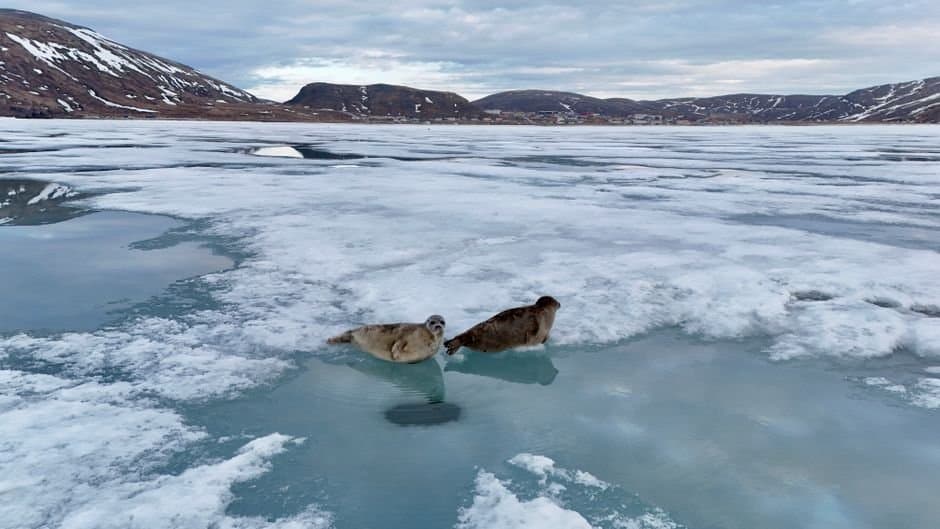
Federal scientists have a new count of Alaska's harbor seals, and it shows the statewide population has slipped since 2015, with the steepest declines around Kodiak and in Prince William Sound.
NOAA Fisheries estimates there were 201,122 harbor seals in Alaska in 2023, down from a high of about 225,000 in 2015 but still above the roughly 170,000 of the late 1990s, according to draft reports the agency released Friday.
For every one of Alaska's 12 harbor seal populations, deaths from hunting, fishing gear and other human causes stay below the level the agency considers sustainable. None is classified as "strategic," the federal label for marine mammal populations of particular concern. The reports also say it's unknown how any of the 12 compare with a healthy population level.
NOAA reviewed new information on 41 groups of Alaska whales, seals and other marine mammals, which the agency calls stocks, and revised its reports on 16 of them, including all 12 harbor seal stocks, according to its notice. The public can comment on the drafts through Feb. 18.
Prince William Sound's harbor seals, estimated at 31,551, have shrunk about 2.7% a year since 2015, and scientists put the chance that the population is declining at 100%. Seals around southern Kodiak, estimated at 13,433, have fallen about 2.9% a year, with a 99% chance of decline. The reports also put the chance of decline at 89% for the Cook Inlet/Shelikof Strait population and 94% for Southeast's Dixon/Cape Decision population.
Others are holding steady or growing. Bristol Bay has the most harbor seals in the state, about 37,000, including roughly 500 in Iliamna Lake, and its numbers are edging up. The Glacier Bay/Icy Strait population has grown about 1.3% a year.
The reports don't say why some populations are falling. Among the concerns they list are warming events in the Gulf of Alaska, Bering Sea and Aleutians that affected how much prey seals can find and where; harbor seals in the Aleutians got thinner from 2014 to 2016, during a marine heat wave. They also note more tour boats in the glacial fjords where seals gather in summer.
Prince William Sound was last surveyed in 2022, at about 44% of full survey effort; the last time it was surveyed at more than half was 2015.
Alaska Native subsistence hunting, which the law allows, accounts for most human-caused deaths, about 1,338 of 1,374 seals a year across all 12 populations. Those harvest figures are pieced together from surveys between 2004 and 2024, because of gaps in reporting, less money for harvest surveys and the 2017 dissolution of the Alaska Native Harbor Seal Commission, the reports say.
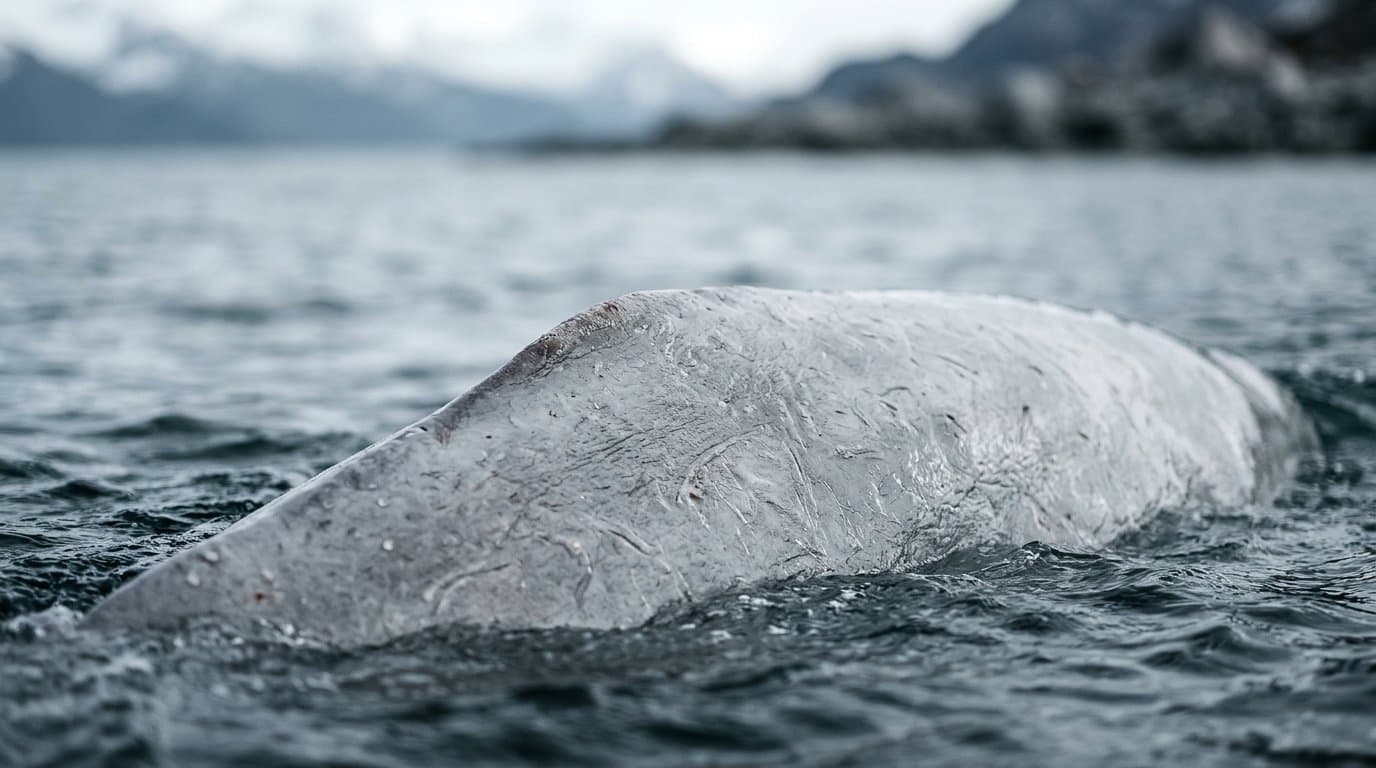
A 2022 survey estimated 13,313 belugas in the eastern Bering Sea, the population that summers in Norton Sound and off the Yukon Delta. That survey covered a bigger area than earlier ones, so scientists can't yet say whether the population is growing or shrinking.
Alaska resident killer whales, which range across the Gulf of Alaska, Aleutians and Bering Sea, are estimated at 1,906, slightly fewer than the 1,920 in the last count, though the reports say there isn't enough data to tell a trend for the whole population.
North Pacific right whales that use the Bering Sea are estimated at 31, about eight of them female, based on a 2011 study. The reports set its sustainable human-caused death level at one whale every 20 years. Right whales and North Pacific sperm whales are both classified as strategic because they're listed as endangered.
What did you make of this story? (no account needed)
Made by our human newsroom with AI. Reviewed by Cale Green. How humans and AI work here · Grow with our newsroom ·
Keep Alaska News free for everyone.
No paywall, ever. Members pay so everyone can read the meetings and records Alaska News covers.
Get Alaska News in your inbox
Create your free account and get the day’s top stories around 6 each morning, in a few minutes’ read.
Top stories, around 6 each morning.
Stories on what you follow, on Sundays.
Source: National Oceanic and Atmospheric Administration, National Oceanic and Atmospheric Administration: Draft 2026 Marine Mammal Stock Assessment Reports.







Comments
Sign in to leave a comment.
No comments yet. Be the first to share your thoughts.