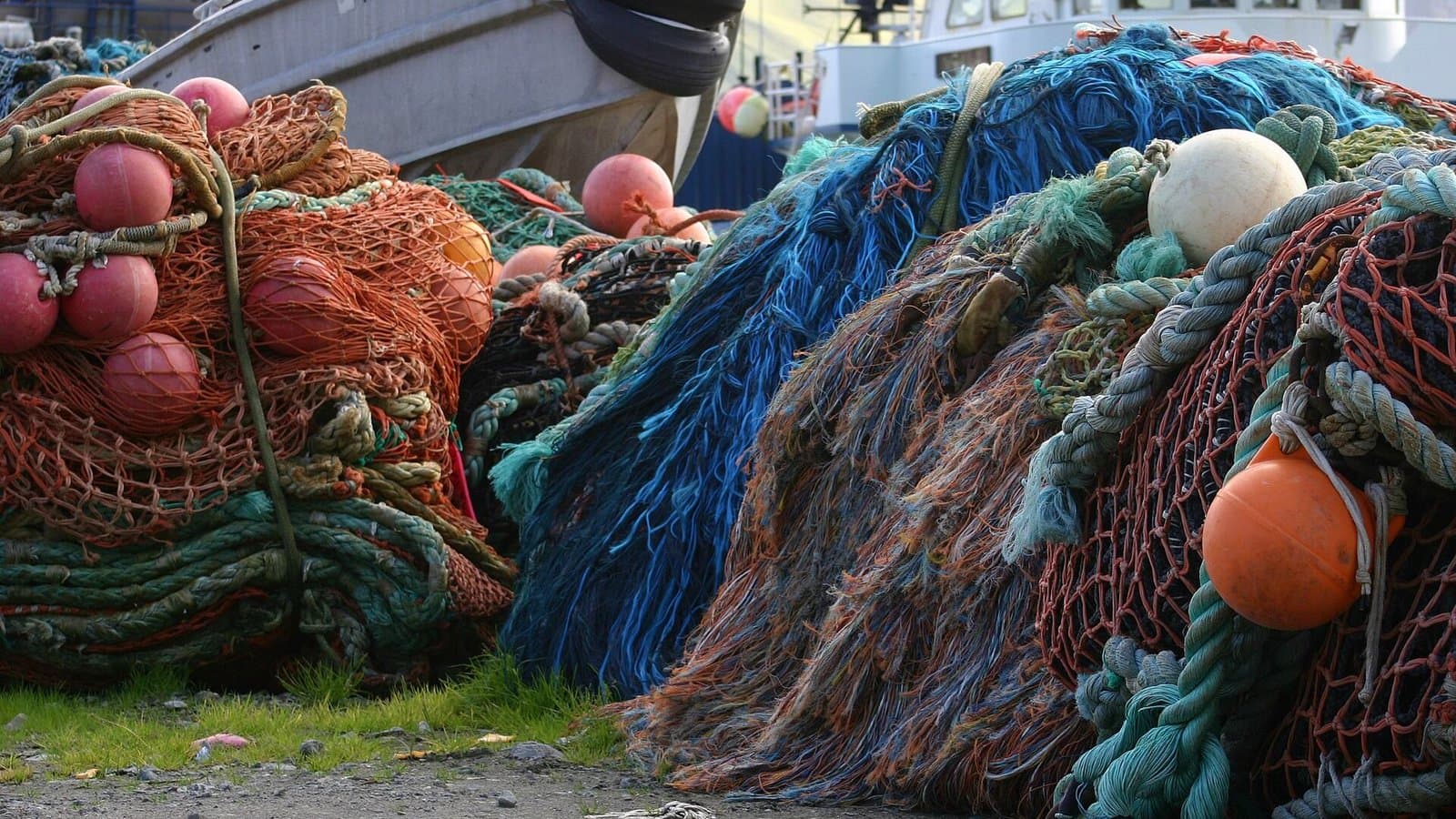
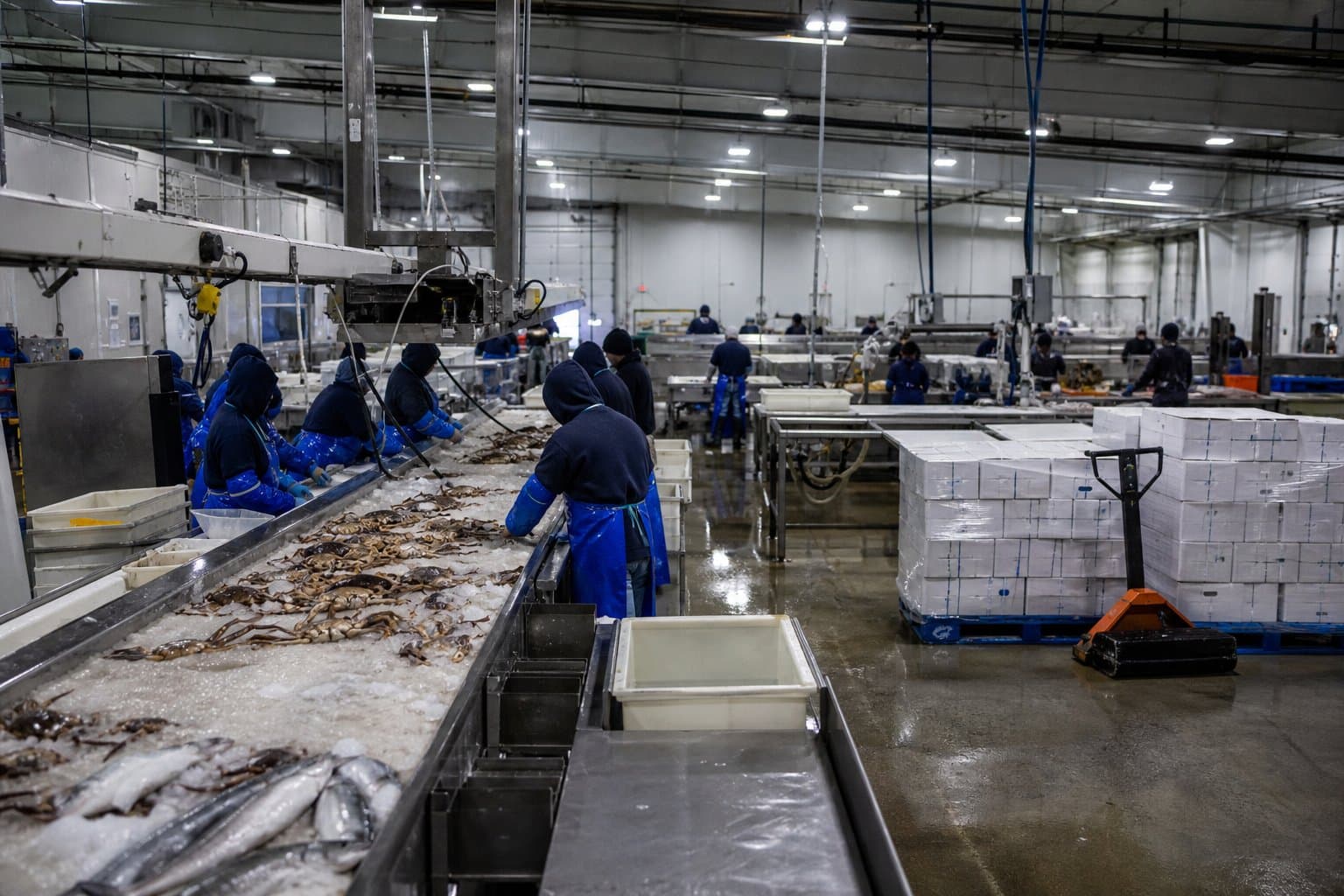
Photo: Carla Stanley via Wikimedia Commons · Photo source · Public domain
NOAA updates export rules for fishmeal and fish oil made from seafood leftovers
NOAA Fisheries on Friday revised its rules for certifying fishmeal, fish oil and other products made from the parts of seafood people don't eat, changing how exporters ask for the paperwork they need to ship them overseas.
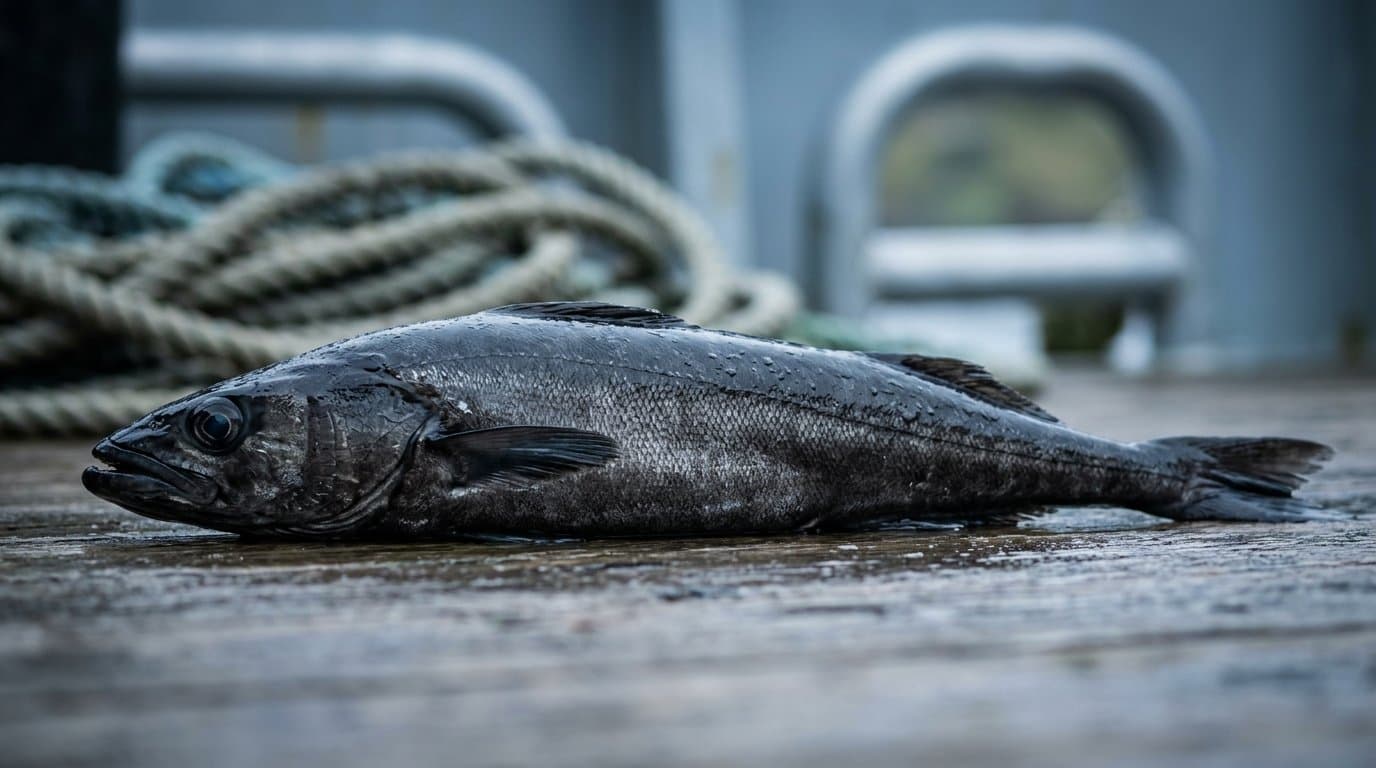
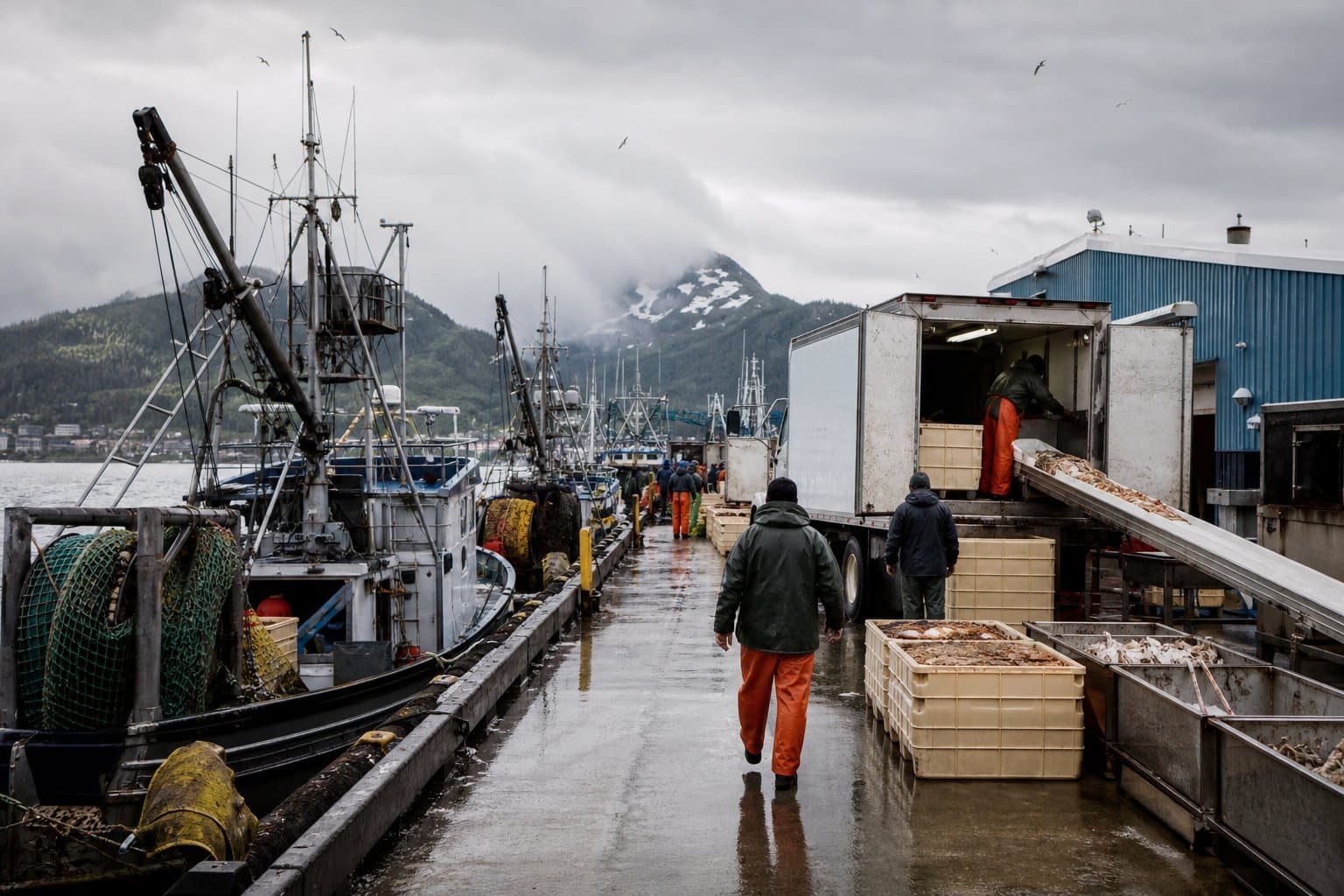
The rules cover what happens to the rest of the fish. When plants process pollock, salmon, cod and flatfish, the heads, guts, bones and skin left over add up to more than 1 million metric tons a year, according to an Alaska Sea Grant publication. Most of the fishmeal and fish oil made from those leftovers goes into feed for animals and farmed fish.
Plants are "using all the other things to create things that you wouldn't think of, like fish meal, fish oil, fertilizer," Nicole Kimball, vice president of the Pacific Seafood Processors Association, said at a Resource Development Council luncheon in June.
Meal and oil made up about 4% of the roughly $4.2 billion a year Alaska seafood was worth at first wholesale in 2023 and 2024, according to an Alaska Seafood Marketing Institute report. Bering Sea pollock processors alone turned out about 62,000 metric tons of fishmeal in 2023, according to NOAA's economic report on Alaska groundfish.
NOAA's list of approved plants includes six shore locations in Alaska: Trident Seafoods in Naknek, Akutan and Cordova, UniSea and Westward Seafoods in Dutch Harbor, and Kodiak Fishmeal Company in Kodiak. Two processing ships are also on the list.
Importing countries can require a certificate showing a shipment meets their rules. NOAA's Seafood Inspection Program inspects plants and issues the certificates, for a fee. Its rulebook, Handbook Part 6, covers fishmeal and fish oil along with bone meal, krill meal, collagen and gelatin used for animal feed, fertilizer and industry.
Under the 2023 version, only requests for China went through NOAA's online portal, and everything else went by emailed PDF. Now the portal also handles every country that uses NOAA's general certificate. Requests for Australia, Canada, Costa Rica, the European Union, Great Britain and Peru still go by email. Great Britain certification covers only fish oil for now.
NOAA also updated the standards it uses to rate plants so they cite federal food safety rules for seafood and animal food. The agency said the changes are meant to make the handbook more efficient and better organized.
What did you make of this story? (no account needed)
Made by our human newsroom with AI. Reviewed by Cale Green. How humans and AI work here · Grow with our newsroom ·
Get Alaska News in your inbox
Create your free account and get the day’s top stories around 6 each morning, in a few minutes’ read.
Top stories, around 6 each morning.
Stories on what you follow, on Sundays.
Based on a press release from NOAA Fisheries.





Comments
Sign in to leave a comment.
No comments yet. Be the first to share your thoughts.