AI image
NOAA clarifies more of Europe's new seafood export paperwork
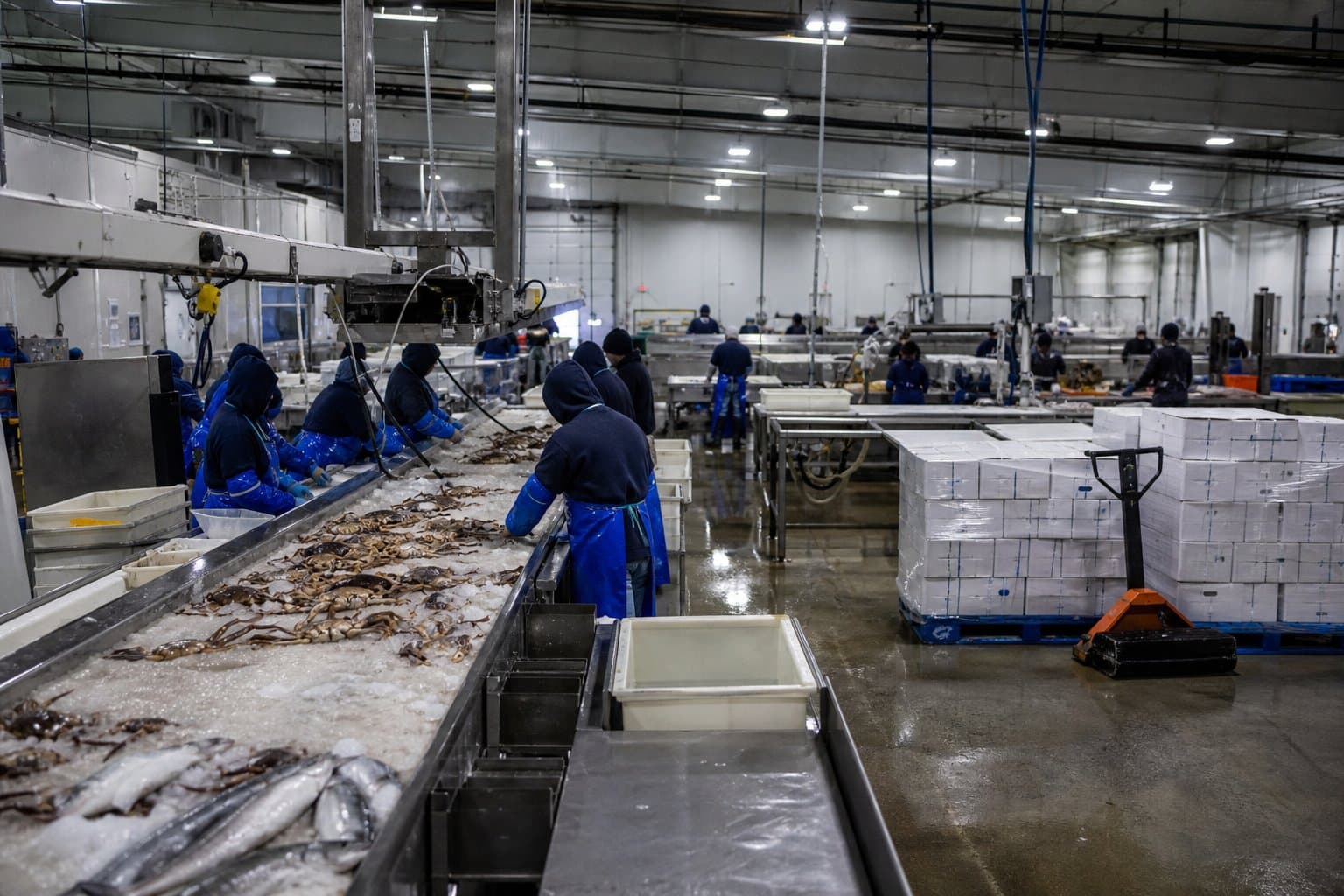
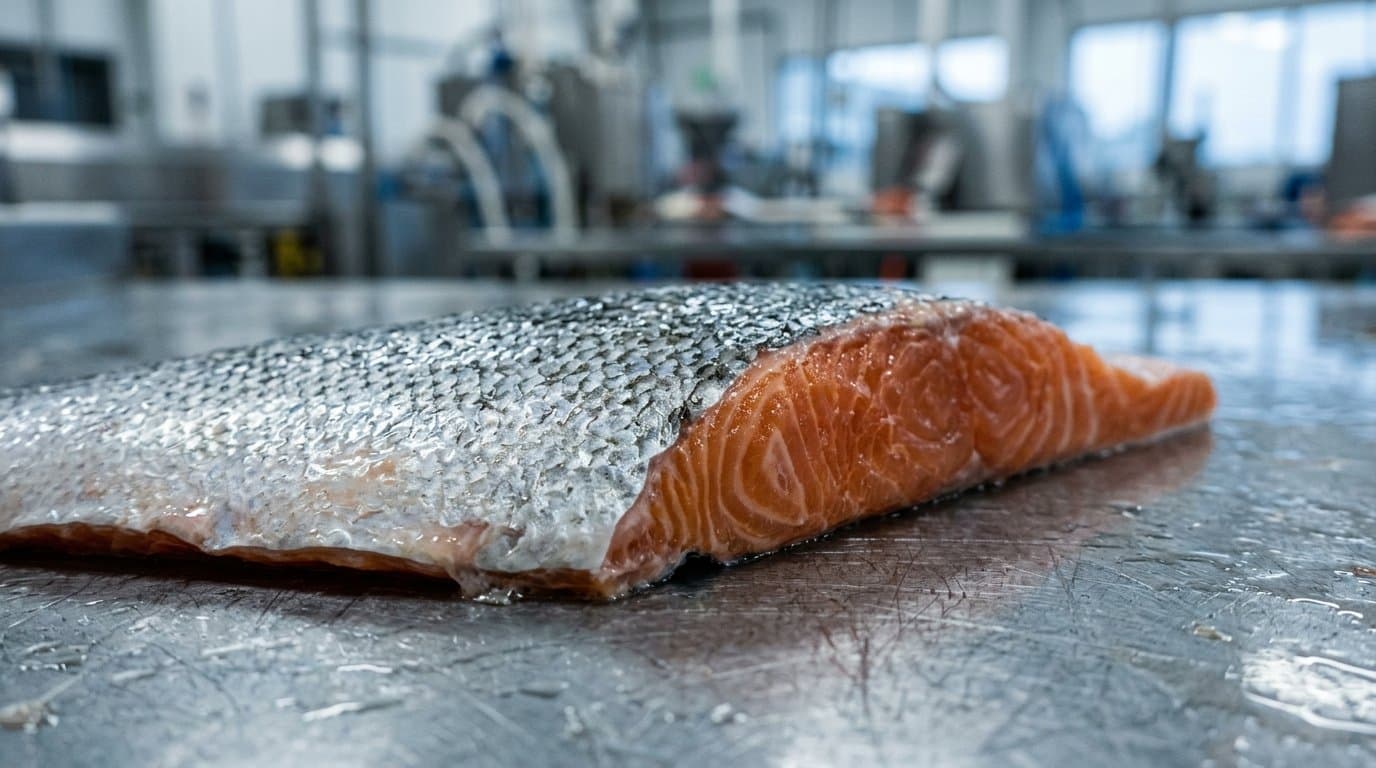
NOAA Fisheries on Friday clarified more of the paperwork U.S. exporters need to ship seafood to Europe, the latest guidance since the European Union's new health certificate took effect in September.
The EU has been Alaska's largest direct seafood trading partner by value since 2022, averaging $617 million a year, and the new certificate has meant more detail on every shipment.
For fish and crustaceans, the region-of-origin and region-of-destination boxes on EU-bound certificates are now marked not applicable.
NOAA also added guidance for using the EU's certificate on shipments to Norway, Iceland, Switzerland and Liechtenstein, the countries of the European Free Trade Association. Exporters to those countries must meet the requirements for approved establishments and raw material sources.
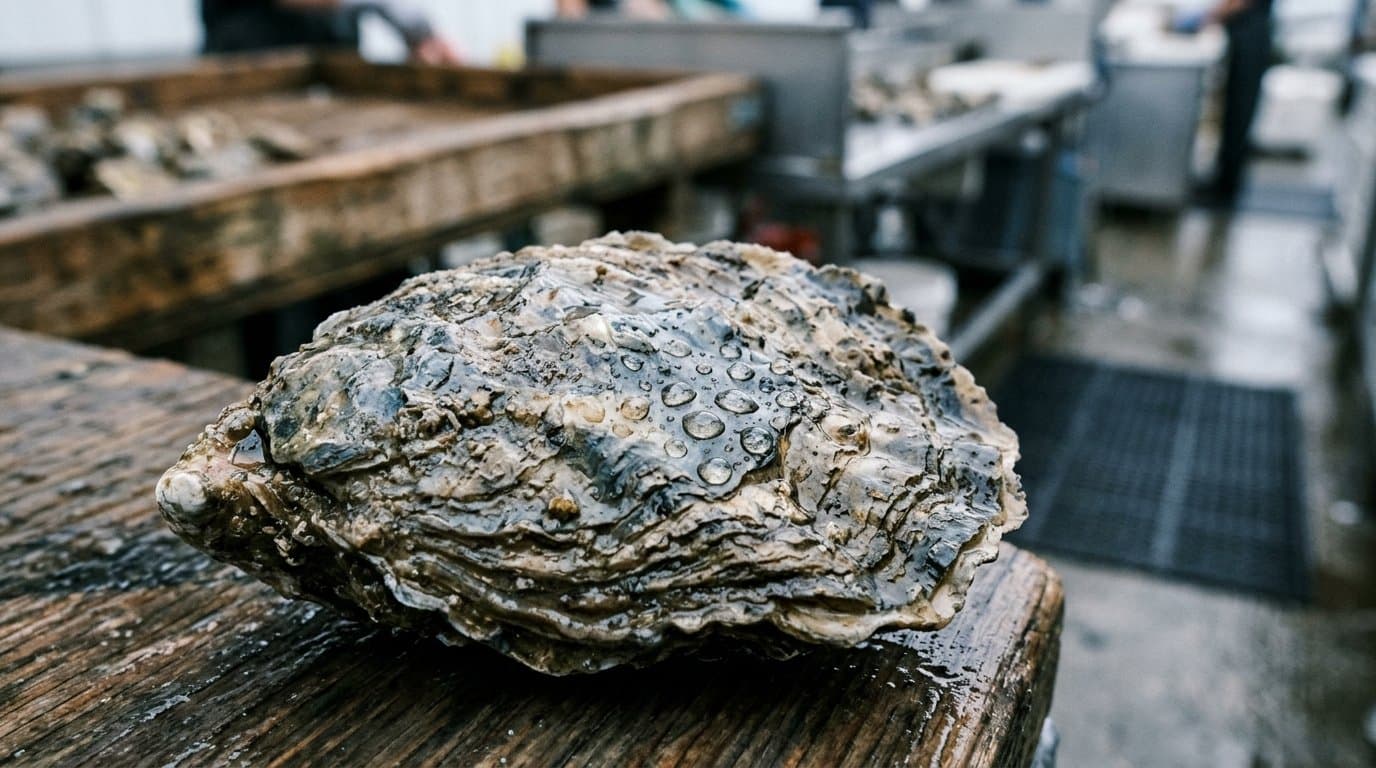
For oysters, clams and other shellfish, a single certificate can list several harvest areas, as long as each is an approved growing area on the EU's list. The EU's arrangement for these shellfish first opened trade for approved growing areas in Massachusetts and Washington state, according to NOAA's certification handbook, and certifying officers must confirm all the product came from areas on that list. NOAA charges a $97 fee per certificate, plus the time spent completing it.
The update follows clarifications Oct. 27 that made some fields optional and gave batch lists more room. The new certificate took effect Sept. 3, and the EU will accept some older forms through Dec. 3.
The health certificate is separate from the EU's catch-tracking system. Paperwork under that system left nearly 16,000 metric tons of Alaska fish held in Dutch ports in May.
Made by our human newsroom with AI. Reviewed by Cale Green. How humans and AI work here · Grow with our newsroom
Get Alaska News in your inbox
Create your free account and get the day’s top stories around 6 each morning, in a few minutes’ read.
The day's top stories around 6 each morning. Unsubscribe in one click.
Based on a press release from NOAA Fisheries.






Comments
Sign in to leave a comment.
No comments yet. Be the first to share your thoughts.