
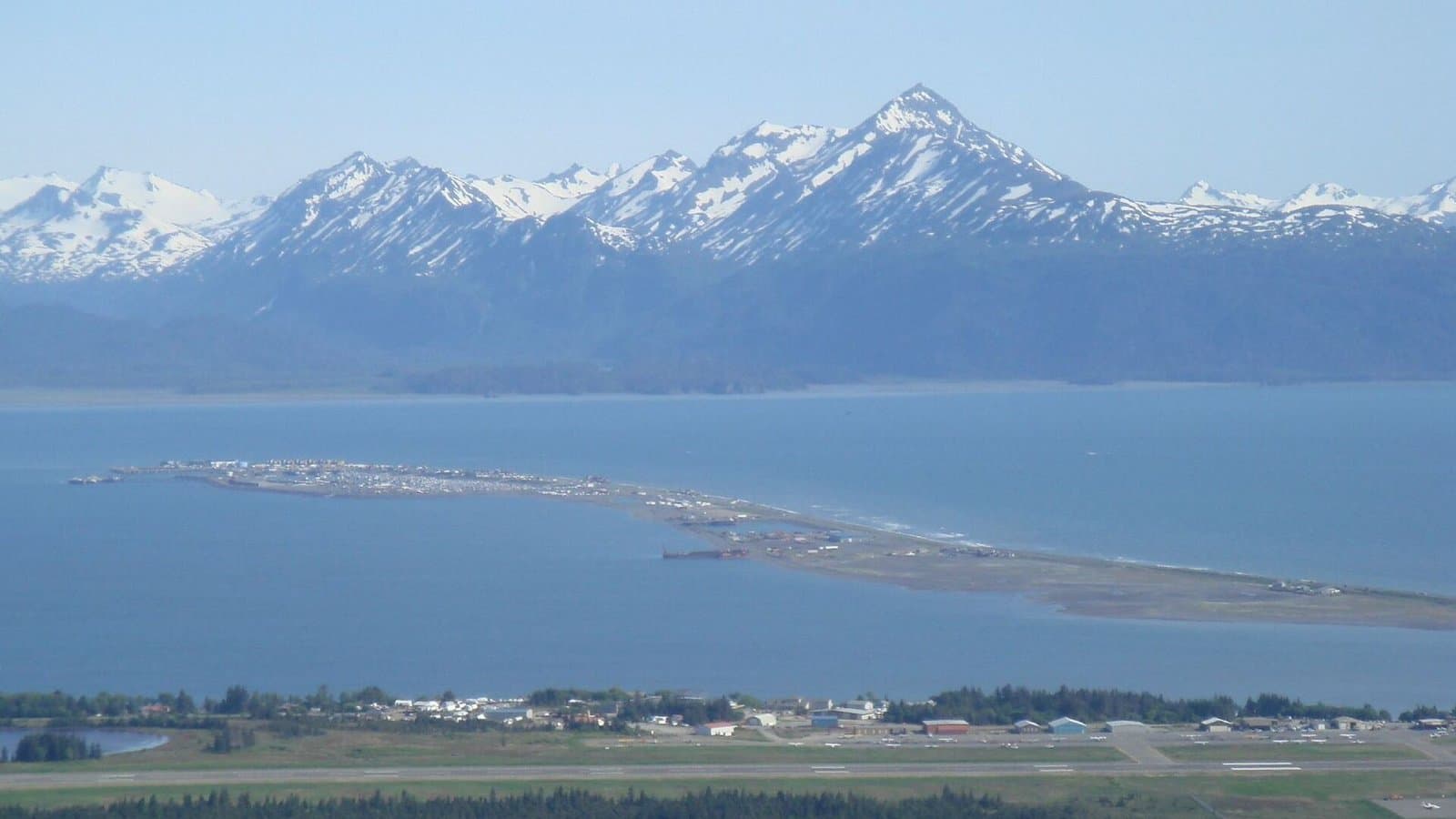
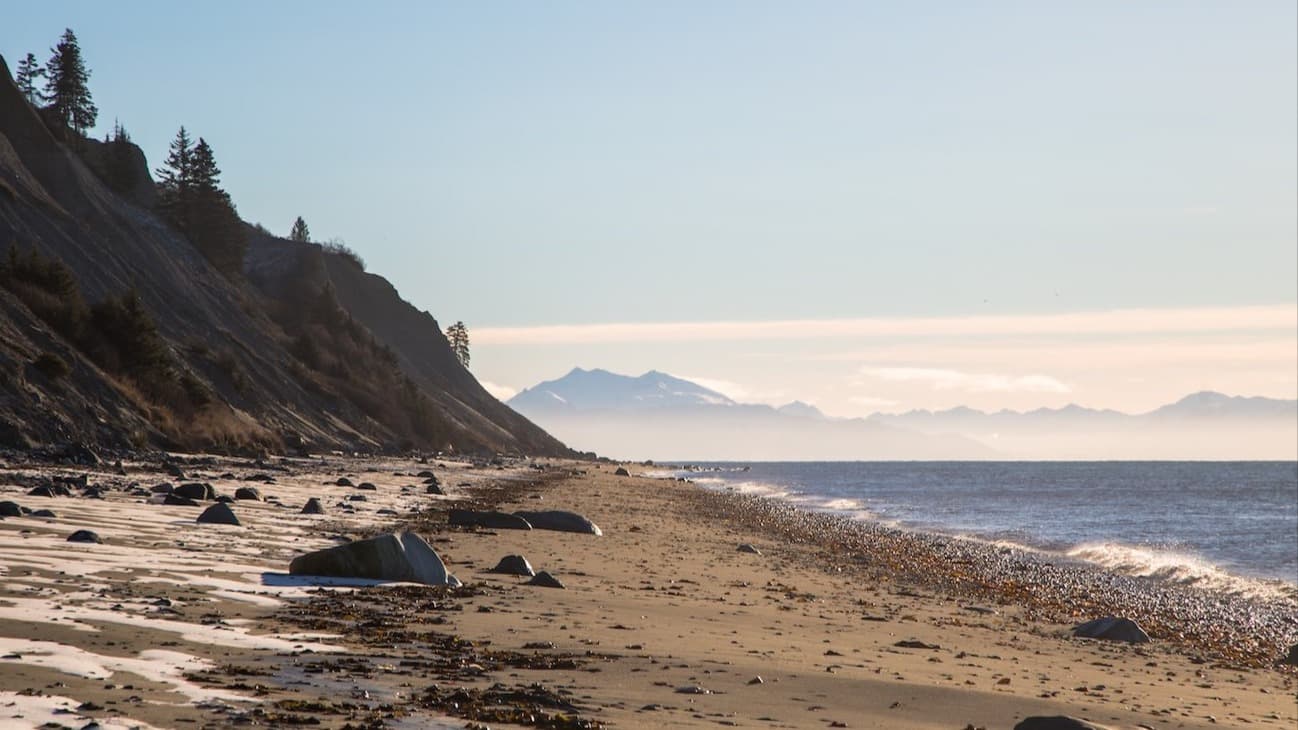
Photo: MODIS Land Rapid Response Team, NASA GSFC via Wikimedia Commons · Photo source · Public domain
Nine more troubled Upper Cook Inlet salmon runs will get state plans by March
The Alaska Department of Fish and Game will bring plans to rebuild eight more Upper Cook Inlet king salmon runs, and the first coho run Alaska has listed, to the Board of Fisheries in March, when the board sets the region's fishing rules.
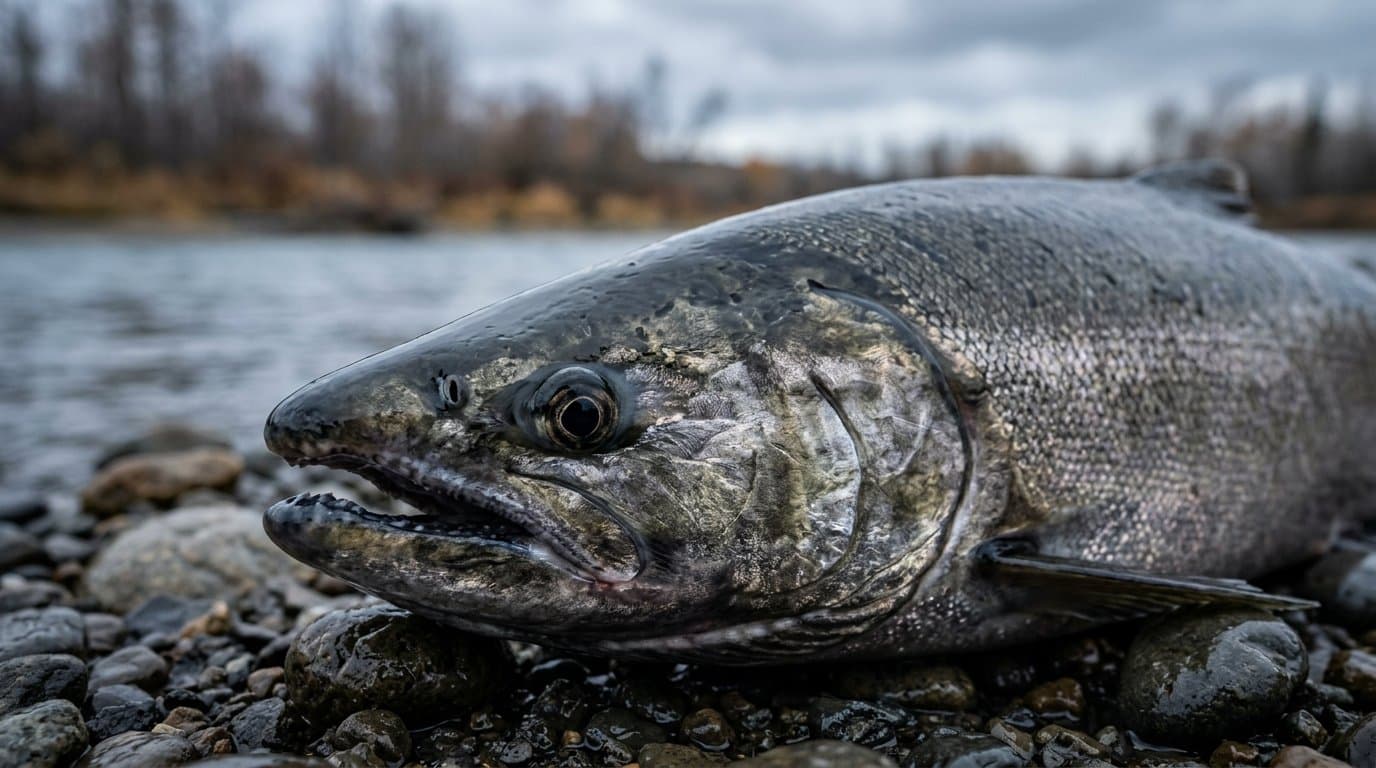
Every king run in the region with a spawning goal fell short of it at least twice from 2022 to 2026 in years when the run was counted, even with closures and fishing limits, according to the department's memo to the board.
On the Kenai River, the state forecast 2,325 large early-run kings this year, short of a goal of 3,900 to 6,600, according to the emergency order that closed that fishery. King fishing on the river was closed from May 1 through Aug. 15.
In October, the board added eight king runs to its list of stocks of management concern, the state's label for runs that keep missing their spawning goals despite limits on fishing. They are the Kenai River early run, Campbell Creek in Anchorage, Crooked Creek and the Deshka, Little Susitna, Chulitna, Talkeetna and Yentna rivers. Five other king runs, including Kenai late-run kings, were already on it, for 13 in all.
The board also listed Little Susitna River coho, which have come in below their spawning goal in three of the past five years. "This will be the first listing of a coho salmon stock in Alaska," the department wrote.
The listings call for action plans. Under the state's sustainable salmon policy, a plan sets rebuilding goals and the fishery management actions needed to reach them, spread "in proportion to each fishery's use of, and hazards posed to," the run. It can also call for habitat protection and research, and past plans have spelled out what it would take for a run to come off the list.
The Little Susitna comes out of Hatcher Pass and "drains everybody's backyard now," board member Mike Wood said in October, arguing its coho plan has to address more than fishing.
The plan already in place for Kenai late-run kings reaches commercial fishermen too. Under it, the east side set gillnet fishery, commercial fishermen with nets anchored off Kenai Peninsula beaches, closes when the Kenai sport king fishery does. This year, the board replaced their gillnets with beach seines for the season.
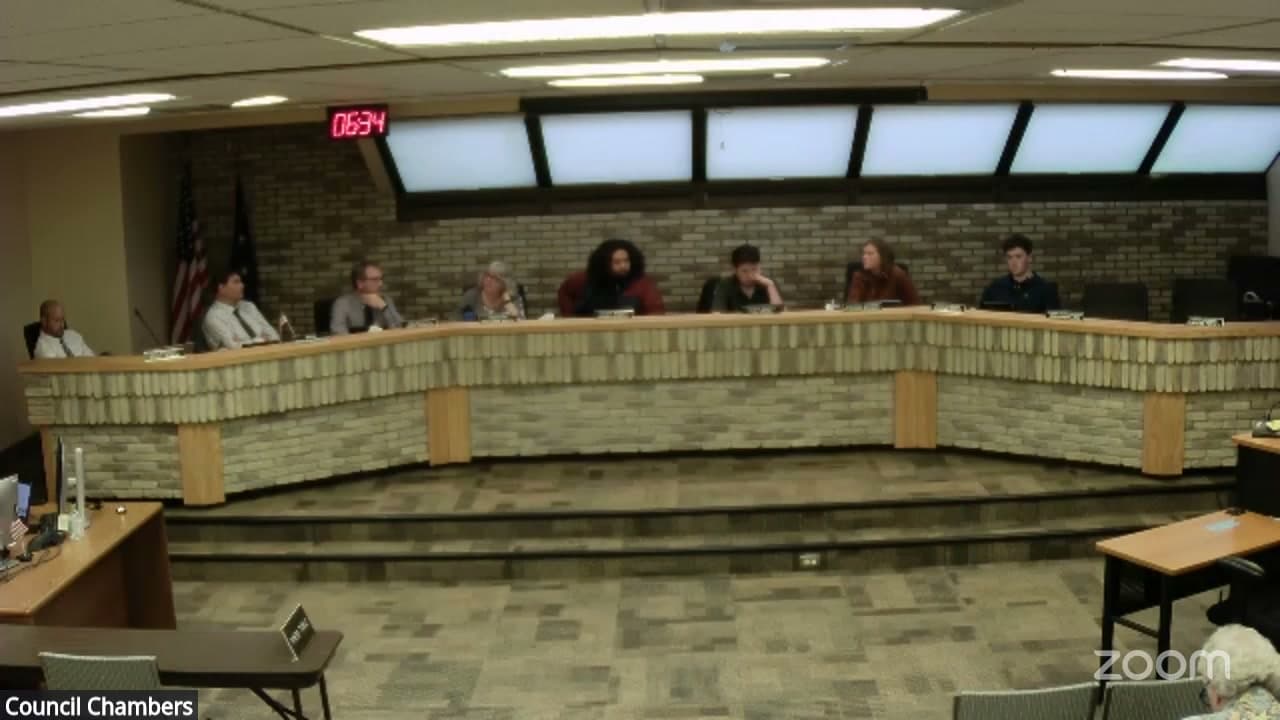
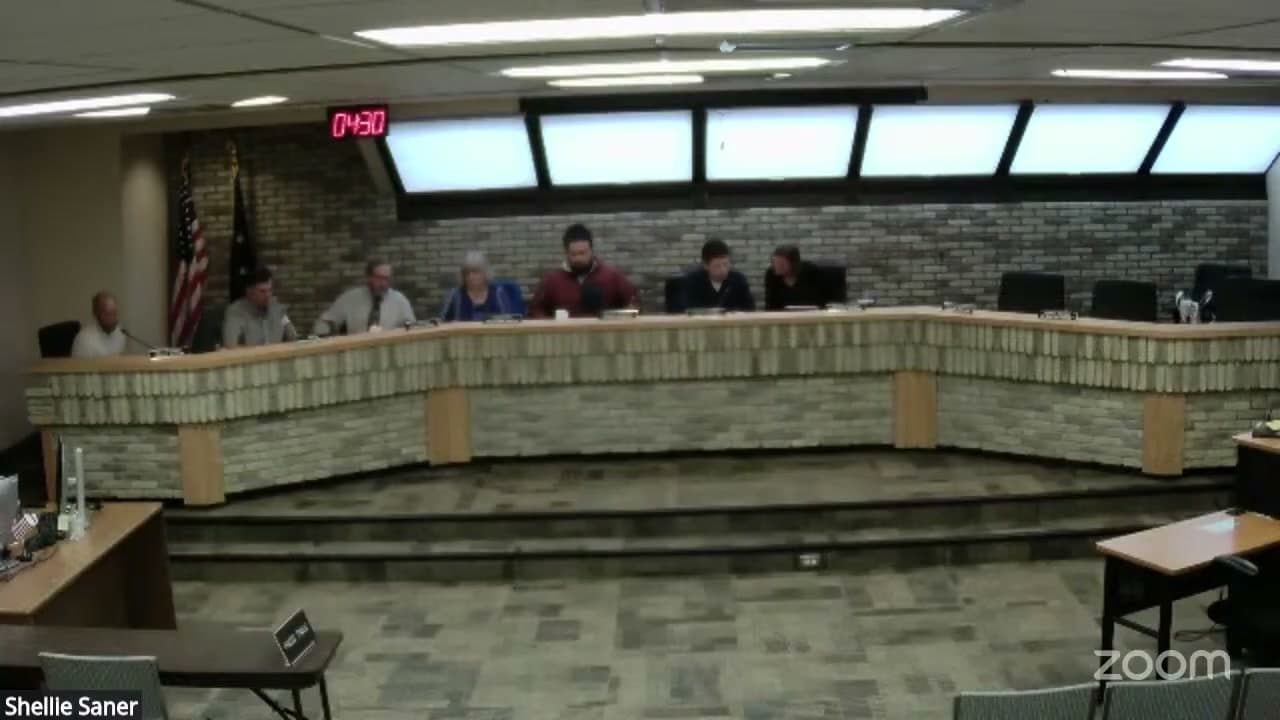
At the October work session, the board agreed to make future listing decisions a year earlier, to leave more time for drafting plans and public comment. A plan arriving weeks before a meeting, with no time for advisory committees or the public to review it, "is just not fair to the public. It's not fair to staff," Fish and Game Commissioner Doug Vincent-Lang said at the work session.
The change isn't expected to apply this cycle. "I don't think we're anticipating any changes to the process for this cycle," board Chair Marit Carlson-Van Dort said at an Oct. 21 committee meeting.
Local advisory committees are already weighing the proposals the board will take up. The Kenai/Soldotna Advisory Committee meets Wednesday night on proposals that include cutting the Northern District coho bag limit to one fish, setting an inriver coho goal for the Little Susitna and requiring people to record every salmon they keep in Cook Inlet sport, personal use and subsistence fisheries.
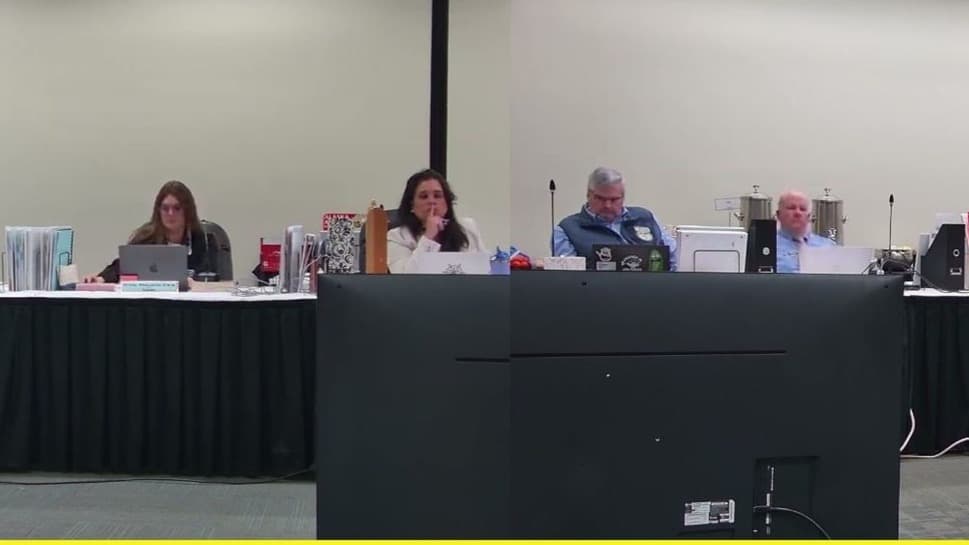
The board meets March 4-15 in Anchorage. Written comments are due Feb. 17.
What did you make of this story? (no account needed)
Made by our human newsroom with AI. Reviewed by Cale Green. How humans and AI work here · Grow with our newsroom ·
Keep Alaska News free for everyone.
No paywall, ever. Members pay so everyone can read the meetings and records Alaska News covers.
Get Alaska News in your inbox
Create your free account and get the day’s top stories around 6 each morning, in a few minutes’ read.
Top stories, around 6 each morning.
Stories on what you follow, on Sundays.
Source: Alaska Board of Fisheries.





Comments
Sign in to leave a comment.
No comments yet. Be the first to share your thoughts.