Editorial map (Gemini + Google Maps)
Much of the Beaufort Sea's ice melted out in August after a cold, late start
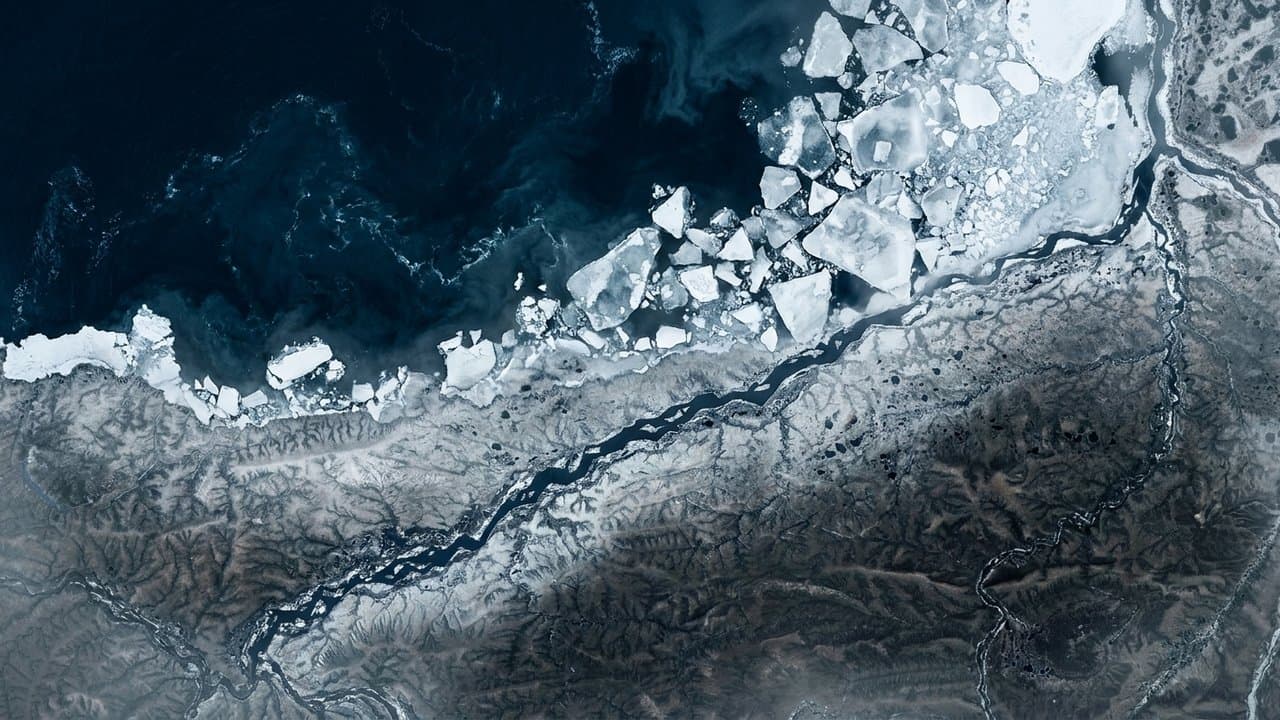
A patch of open water formed in the sea ice north of Utqiaġvik in the first week of August. By the end of the month, much of the ice in the Beaufort Sea had melted out, the National Snow and Ice Data Center reported.
It followed a slow start. Low pressure, clouds and cold kept air temperatures over the Arctic Ocean below average from May through July, and melt began nearly a month late in the southern Chukchi Sea, the center said in its August analysis. In early August, the ice edge in the Beaufort and Chukchi seas still sat near average, just off Alaska's north coast.
Then the opening formed, at about 75 degrees north latitude, and quickly grew into a large bay cut into the ice edge.
Across the Arctic, ice extent had been tracking 2012, the record low year, until August, the center said. The month ended as the seventh lowest August in the satellite record, averaging 5.56 million square kilometers.
On the Atlantic side of the Arctic, NSIDC scientist Matt Shupe saw open water firsthand aboard the Swedish icebreaker Oden, which left Svalbard for the North Pole on Aug. 10. "These areas of open water extended pretty much the whole way to the pole," Shupe said. He also found that meltwater pools on the ice had frozen over and been covered by snow, unlike in recent years.
Arctic sea ice likely reached its low for the year on Sept. 12 at 4.60 million square kilometers, or 1.78 million square miles, the center announced Wednesday. The preliminary figure ties 2008, 2010 and 2025 for 10th lowest and is 1.62 million square kilometers below the 1981 to 2010 average, a gap about the size of Alaska. The 20 lowest minimums on record have all come in the last 20 years.
The September minimum has shrunk about 11.8% per decade since 1979. But the center cautioned that there has been "no significant decline in September minimum extents over the past two decades," and said scientists are still debating why the trend has flattened.
The August report was the center's first monthly analysis since its funding lapsed in October 2025. Monthly reports resumed with money from the Climate Science and Communications Fund, a group of donors. A full analysis of the melt season is due in early October.
Source: science.nasa.gov, The ice off Alaska's north coast started melting a month late this summer, then a hole opened north of Utqiaġvik in the first week of August and the Beaufort largely melted out ().
Drafted with AI. Edited by Cale Green (1 revision). Reviewed by Cale Green. Who is accountable.
Stay informed. Support what matters.
Free, permanent access to local news you can verify. Subscribe to support Walter AlaskaNews and go ad-free.
Related Coverage
Chukchi coastal waters expected to become ice free within days, NWS says
Alaska News · 3w ago
Barents Sea hits record low ice while Beaufort stays locked, splitting Arctic in two
Alaska News · 2mo ago
Chukchi and Beaufort Seas carry most ice in decades, even as Arctic shrinks
Alaska News · 2mo ago
Heavy sea ice off Alaska's north coast keeps shipping routes shut
Alaska News · 1mo ago
Beaufort Sea nearly ice-locked in early July, a level unseen since before 2001
Alaska News · 2mo ago
Comments
Sign in to leave a comment.
No comments yet. Be the first to share your thoughts.