AI image
Chukchi and Beaufort Seas carry most ice in decades, even as Arctic shrinks
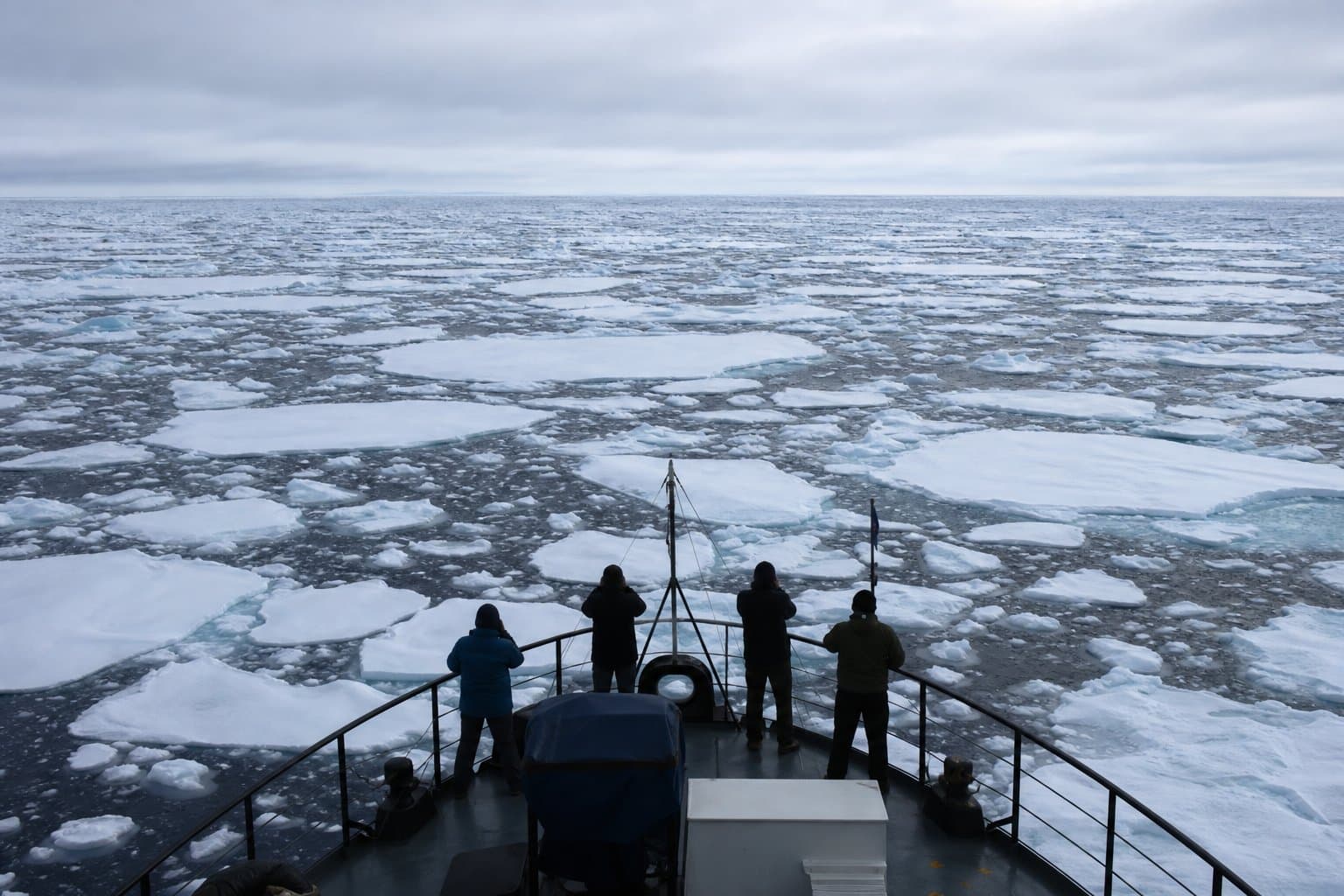
Waters north of Alaska are carrying more summer ice than in decades, even as the broader Arctic continues to shrink. As of July 15, Chukchi Sea ice extent was the highest for that date since 1994, and Beaufort Sea extent tied with last year for the highest since 2006, according to NSIDC data.
The regional surplus sits inside a long-term Arctic decline. Arctic-wide extent on July 15 ranked seventh lowest since 1979 in the NSIDC Sea Ice Index, about 11 percent below the 1991 to 2020 median. Extent was well below late-20th-century levels but was not especially close to the record low for this point in the season, which for most of July occurred in 2020.
The Atlantic-Pacific contrast was stark. Sea ice in the Greenland Sea and the Central Arctic basin was at its lowest in the satellite era, which dates to 1979, while the Pacific side north of the Bering Strait remained well above median. Modeled sea ice volume, which had run at or near record lows for much of the first half of 2026, recovered to roughly the same level as mid-July 2024 and 2025.
Rick Thoman, a climate specialist at the Alaska Center for Climate Assessment and Policy, wrote in his mid-July newsletter that the pattern reflects "low ice extent on the Atlantic side of the Arctic and higher extent on the Pacific side."
Source: Alaska and Arctic Climate Newsletter, Mid-July 2026 Arctic Sea Ice Update.
Made by our human newsroom with AI. How humans and AI work here · Grow with our newsroom
Stay informed. Support what matters.
Free, permanent access to local news you can verify. Subscribe to support Melinda Communities.News and go ad-free.
Related Coverage
Beaufort Sea nearly ice-locked in early July, a level unseen since before 2001
Alaska News · 3mo ago
Chukchi Sea ice runs above median for third straight late June
Alaska News · 3mo ago
Barents Sea hits record low ice while Beaufort stays locked, splitting Arctic in two
Alaska News · 3mo ago
Heavy sea ice off Alaska's north coast keeps shipping routes shut
Alaska News · 2mo ago
Much of the Beaufort Sea's ice melted out in August after a cold, late start
Alaska News · 3w ago
Comments
Sign in to leave a comment.
No comments yet. Be the first to share your thoughts.