
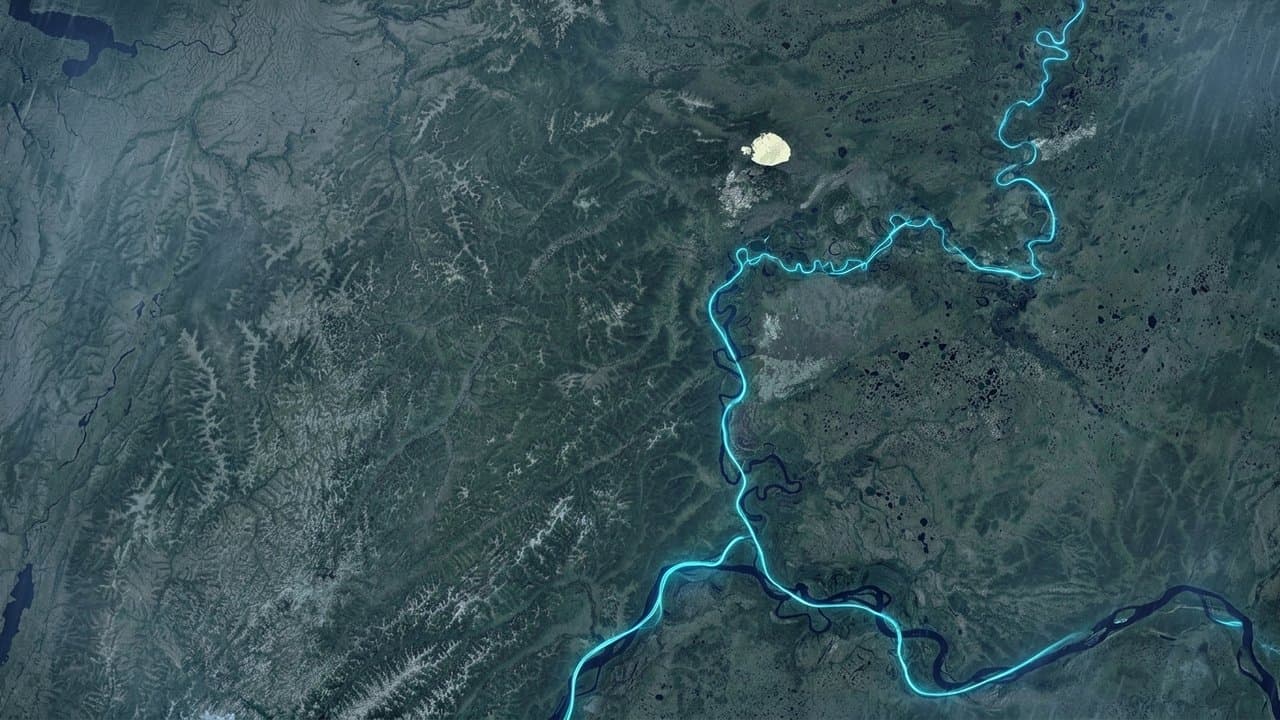
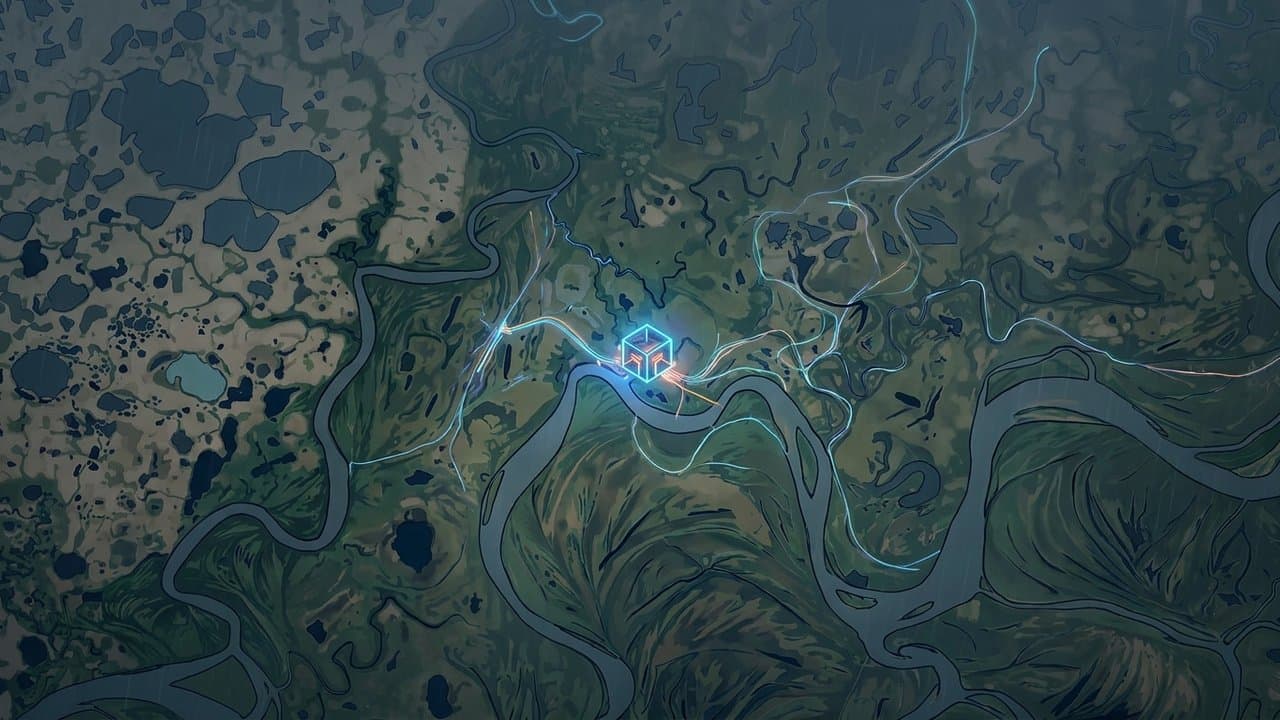
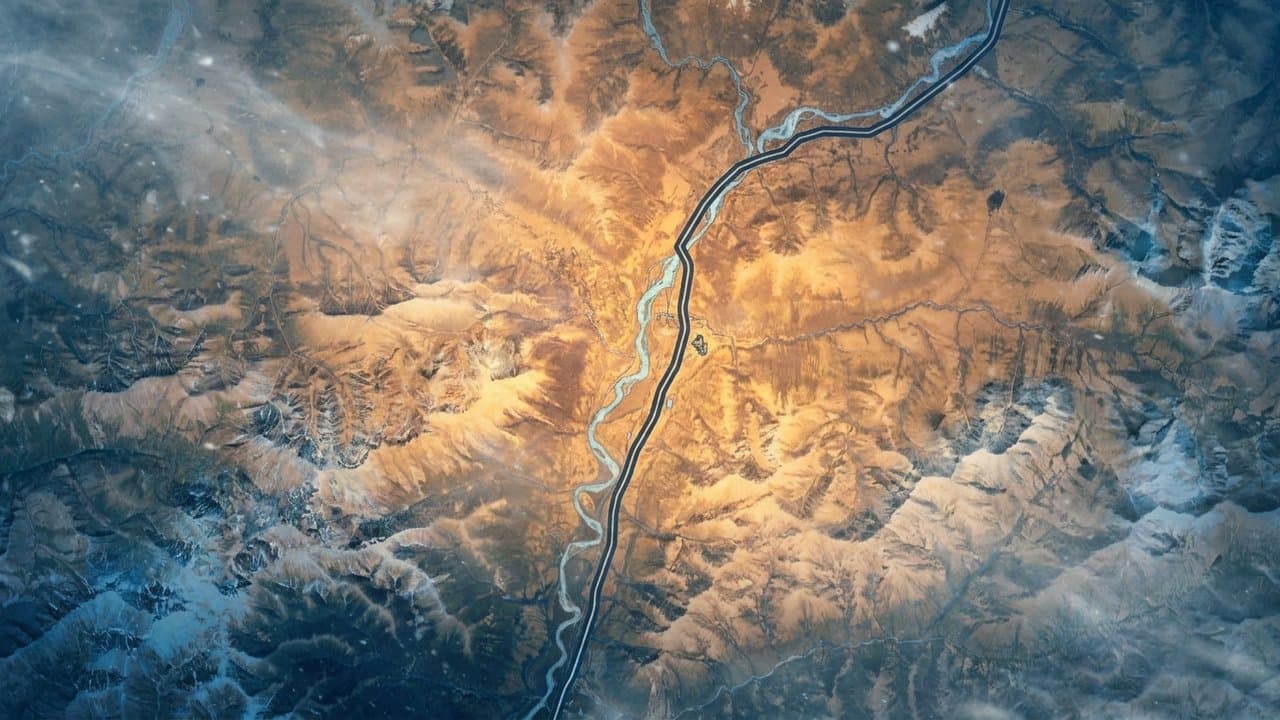
Editorial map (Gemini + Google Maps)
North Slope co-op plans to lay Anaktuvuk Pass fiber across the snow in 2028
The state opened public comment Thursday on the North Slope phone cooperative's request for about three more miles of right-of-way for a fiber optic cable to Anaktuvuk Pass, a line the cooperative now plans to unspool across the snow in early 2028.
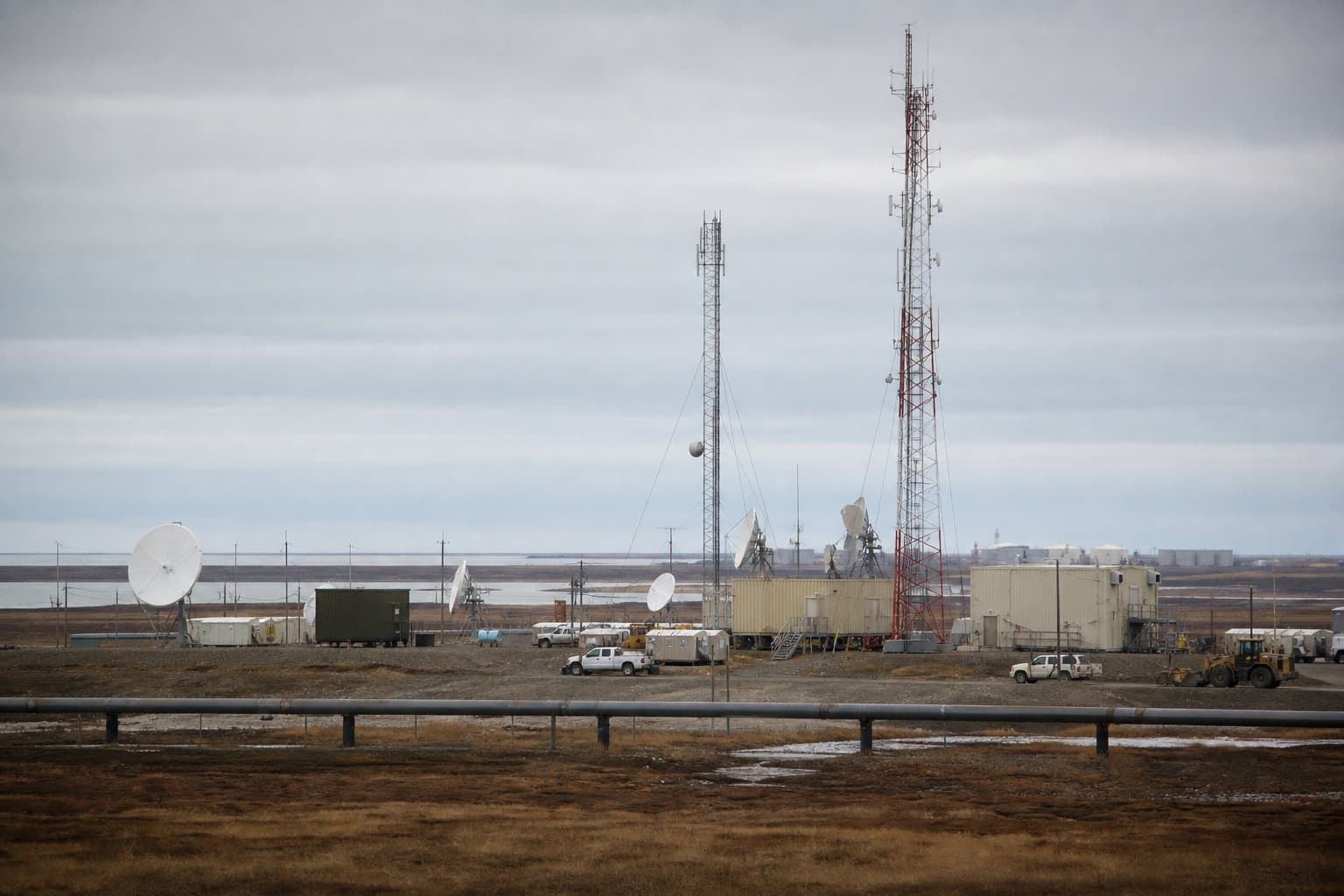
The Arctic Slope Telephone Association Cooperative, or ASTAC, wants to add land about 2 miles north of Toolik Lake, off mile 284.5 of the Dalton Highway, near the University of Alaska Fairbanks' Toolik Field Station. The Bureau of Land Management owned that land when ASTAC first applied, and it was recently conveyed to the state, according to the Department of Natural Resources' public notice. Comments are due by 5 pm Dec. 7.
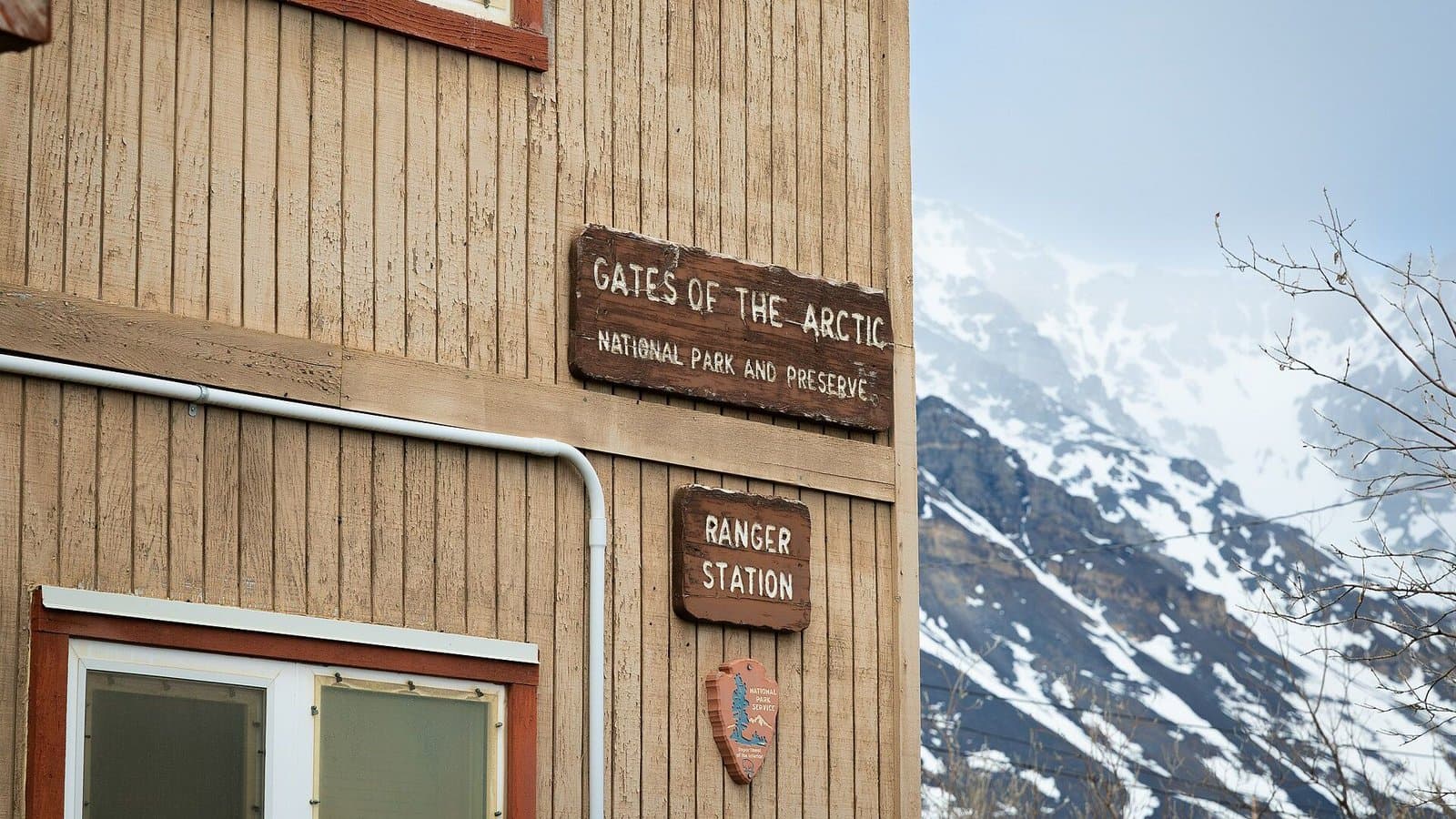
Anaktuvuk Pass, a Brooks Range village of about 400 people inside Gates of the Arctic National Park and Preserve, isn't connected to Alaska's road system. When ASTAC won a $31 million federal grant in 2022 for broadband projects there and in Point Lay, it said the village had traditionally relied on satellite internet, which it described as expensive and limited. It projected service by mid-2025, at speeds of at least 100 megabits per second.
Today, ASTAC's fastest residential plan in Anaktuvuk Pass offers typical downloads of 25 megabits per second for $109.99 a month. In Utqiagvik and Point Hope, which are connected to fiber, its plans go up to 1 gigabit.
ASTAC's new development plan lays out how the cable would get to the village. Pending permits, crews would bring in equipment in summer 2027 and pack snow along the North Slope's Community Winter Access Trail that November. In January 2028, depending on ground conditions, they would start west from Toolik Field Station, generally following the trail for roughly 90 miles to Anaktuvuk Pass. The plan doesn't say when service would begin.
Low ground pressure vehicles such as Pisten Bully Sno-Cats would haul the crews, sleigh-mounted camps, fuel and 15 spools of cable, each holding six miles and weighing up to 10,000 pounds. A powered spooler would pay the cable out onto the packed snow as workers guide it by hand, about two to three miles a day. The work could use up to 20,000 gallons of diesel.
The armored cable, half an inch to an inch thick, carries 48 strands of optical fiber and can be deployed as deep as 10,000 feet underwater.
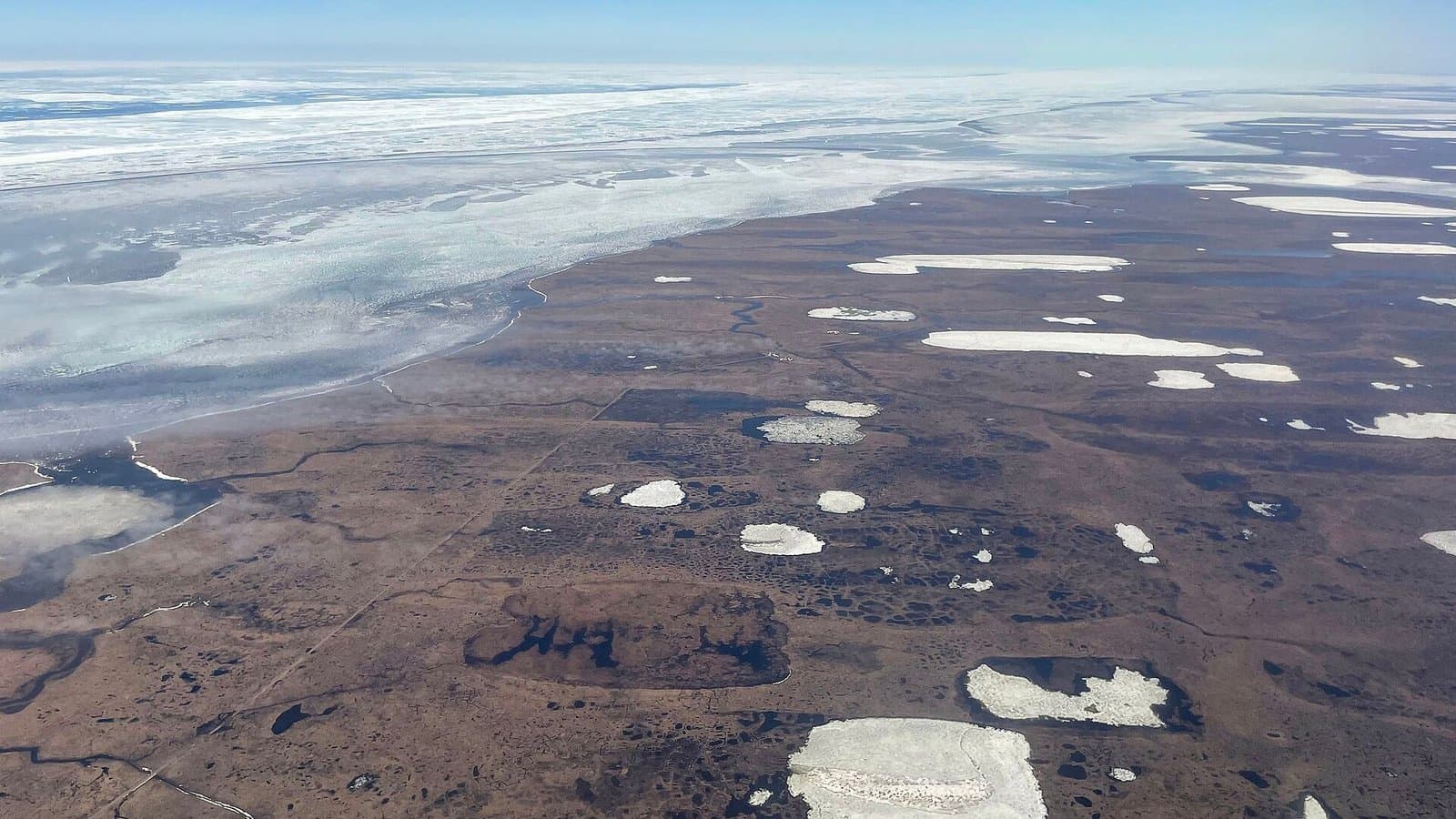
A crew would return in August to make sure the cable has settled onto the tundra. At trail crossings, the cable would be encased in steel pipe, and in lakes and slow-moving streams it would be weighted down. After a growing season, the plan says, the cable "will be engulfed by the tundra and will no longer be visible on the ground surface."
ASTAC considered stringing the line on utility poles instead, but the community objected to how the poles would look on the tundra, according to the plan.
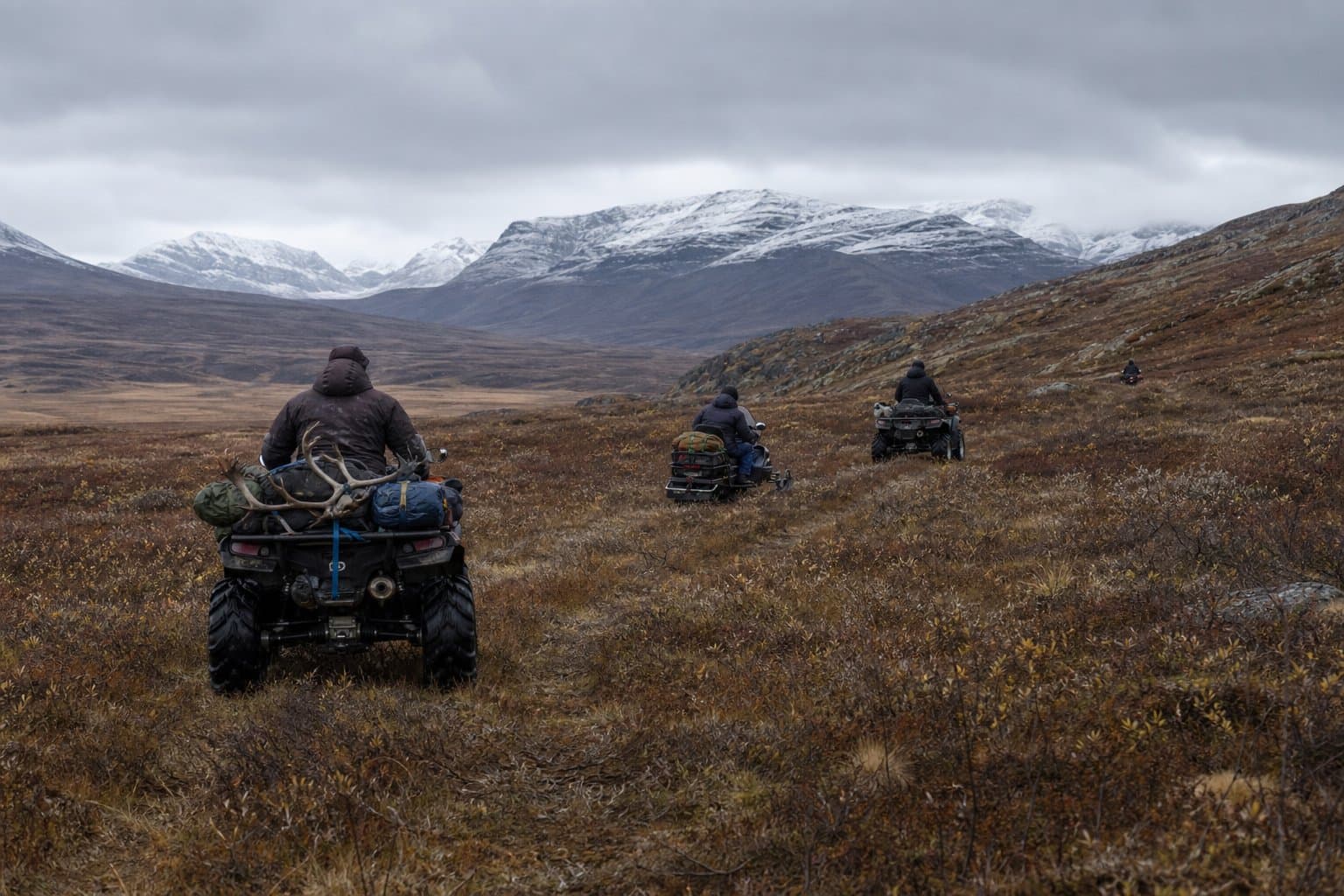
Some residents have raised concerns about caribou migration routes along the corridor, the plan says, and ASTAC is consulting them on historic migration routes and present-day hunting grounds. A local subsistence expert was on the 2023 aerial survey that helped set the route. Subsistence hunting also came up in community and agency meetings, particularly the possible use of helicopters. ASTAC says it doesn't expect effects on hunting because the work would happen in winter. The plan also says hunters are expected to be active near the work area in fall and winter, and it calls for a field coordinator to help avoid conflicts.
When the state reviewed the first 49 miles of state land on the route in 2024, the Alaska Department of Fish and Game didn't object, but it raised concerns about wildlife and snow machines getting tangled in a cable laid across the tundra, and about animals chewing through it. No one from the public commented, and the state approved that easement in December 2024. The new request would bring the state land on the route to 52 miles.
The route also crosses federal land and land owned by Arctic Slope Regional Corp. and the village corporation, Nunamiut Corp. The Bureau of Land Management's project page lists its environmental assessment for the cable as cancelled, without giving a reason. ASTAC's plan lists the federal right-of-way as in progress.
In September, ASTAC said it had finished a helicopter survey of the Anaktuvuk Pass route that it would use to update mapping, crossing designs and construction plans. Its separate fiber project for Nuiqsut has received a federal finding of no significant impact, and $25 million in federal grant money for it was released July 2.
What did you make of this story? (no account needed)
Made by our human newsroom with AI. Reviewed by Cale Green. How humans and AI work here · Grow with our newsroom ·
Get Alaska News in your inbox
Create your free account and get the day’s top stories around 6 each morning, in a few minutes’ read.
Top stories, around 6 each morning.
Stories on what you follow, on Sundays.
Source: Alaska Department of Natural Resources, Anaktuvuk Pass fiber line, once projected for mid-2025, is now planned for 2028 as ASTAC seeks three more miles of state easement.





Comments
Sign in to leave a comment.
No comments yet. Be the first to share your thoughts.