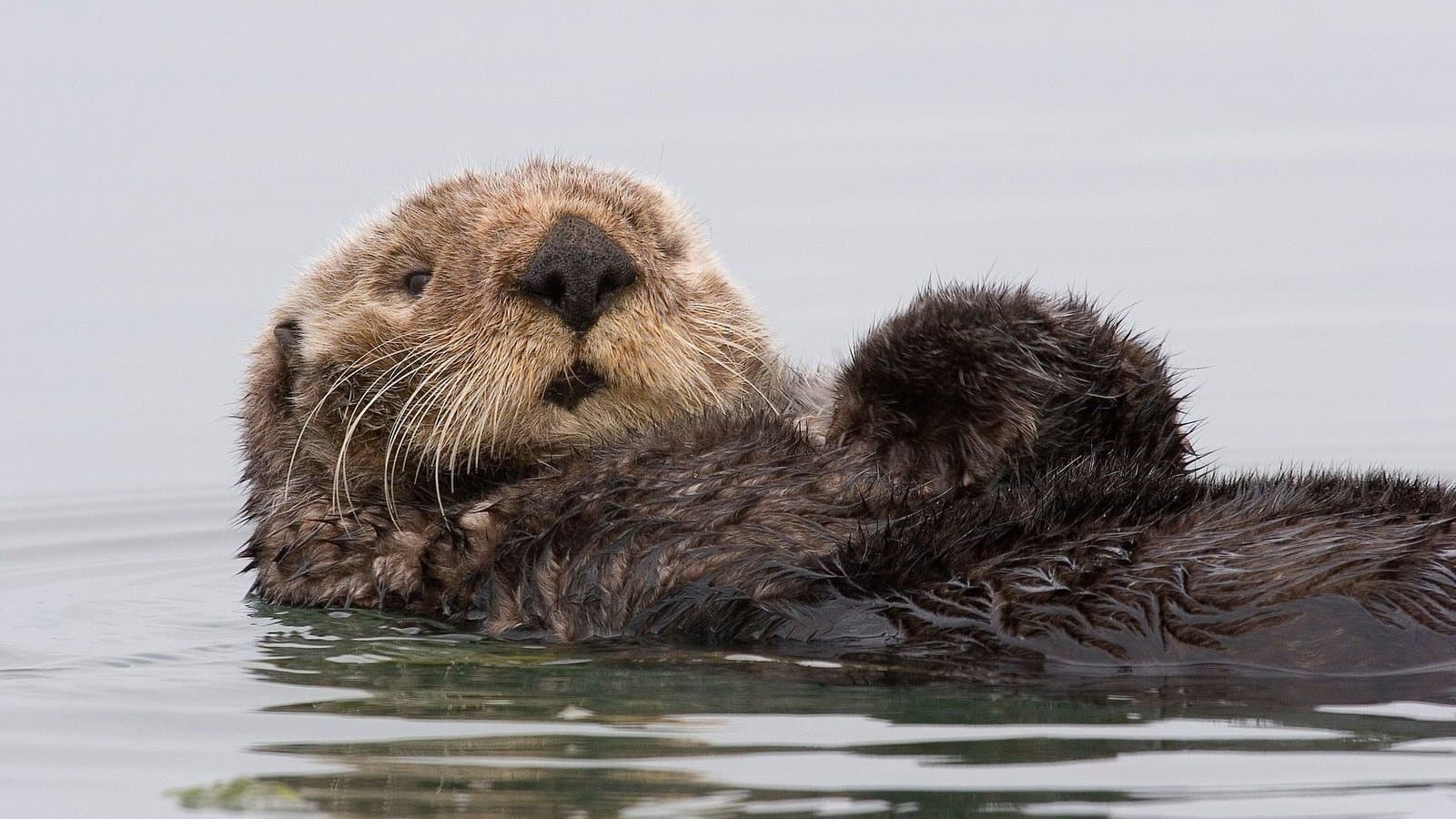
Photo: "Mike" Michael L. Baird via Wikimedia Commons · Photo source · CC BY 2.0
Juneau talk ties an 1880 sea otter dispute to Tlingit offshore rights claims
Anthropologist Steve Langdon will speak in Juneau on Nov. 17 about how a U.S. Navy commander's response to an 1880 sea otter dispute bears on what Sealaska Heritage Institute calls Tlingit claims to "unextinguished offshore aboriginal resource rights."
The talk centers on the T'akdeintaan, a Hoonah clan, and its use of "offshore resources outside of 12 miles," according to the institute's flyer.
The dispute is laid out in the Navy commander's own reports, printed as a Senate document in 1882. In the summer of 1880, Tsimshian hunters from Fort Simpson in British Columbia came north to shoot sea otters on what Beardslee called "the hunting grounds of the Hoonahs," about 30 miles northwest of Cape Spencer, at the mouth of Cross Sound. Hoonah people told managers of the Northwest Trading Company that 27 men in three large canoes were on their sea otter grounds, "killing sea-otters with rifles," and that they intended to "take and kill the entire Fort Simpson expedition" when it came back. Beardslee later wrote of 30 canoes with three men each.
Hoonah chiefs also sent word to Sitka. "I am requested by the chiefs of the Hoonahs to either take steps to drive off these strange Indians or give them permission so to do," Cmdr. L.A. Beardslee, who commanded the USS Jamestown there, wrote on Aug. 10.
That month Beardslee and a Treasury agent, William Gouverneur Morris, traveled to Hoonah country on the trading company's small steamer, the Favorite. Hoonah chiefs told them the hunters had gone home after reading a letter Beardslee sent them, saying they would return in September with 60 canoes. They "would not care then for the Jamestown," the hunters said, according to the chiefs, because they were "King George" Indians, British subjects, and the "Bostons," Americans, "could not touch them."
On the same trip, Beardslee charted a deep bay missing from his map and wrote that he had named it "Glacier Bay." A branch of the Hoonah people was in its upper part, he noted.
The Hoonah chiefs "promised not to fight," Beardslee wrote, but to report to him if the hunters came back. In September he told the secretary of the Navy he had been told that the Hudson's Bay Company factor at Fort Simpson had outfitted the hunters and expressed "great indignation" at the U.S. government "taking steps to preserve the Alaska waters for Alaska Indians." If the hunters returned, Beardslee wrote, he would urge the Hoonah not to go to war. "I shall not tell them not to fight," he added, "for I am utterly unable to see that my orders are carried out, and do not care to expose weakness."
The hunters "apparently did not return in force," according to a 2025 report on sea otters by Thomas F. Thornton that Sealaska Heritage submitted to the U.S. Fish and Wildlife Service.
The 1971 Alaska Native Claims Settlement Act extinguished aboriginal title claims in Alaska, including to land under waters "both inland and offshore," along with "any aboriginal hunting or fishing rights that may exist." But in 1989, the 9th U.S. Circuit Court of Appeals ruled that the law stops at the state's boundary and does not extinguish aboriginal subsistence rights that may exist farther out, on the outer continental shelf. The court left open whether another federal law did. In 2012, ruling on claims by five villages in Prince William Sound and lower Cook Inlet, the full 9th Circuit said they had to prove "actual, exclusive, and continuous use and occupancy" of the area for a long time. It found the villages hadn't shown they exclusively controlled the waters they claimed on the outer continental shelf in the Gulf of Alaska.
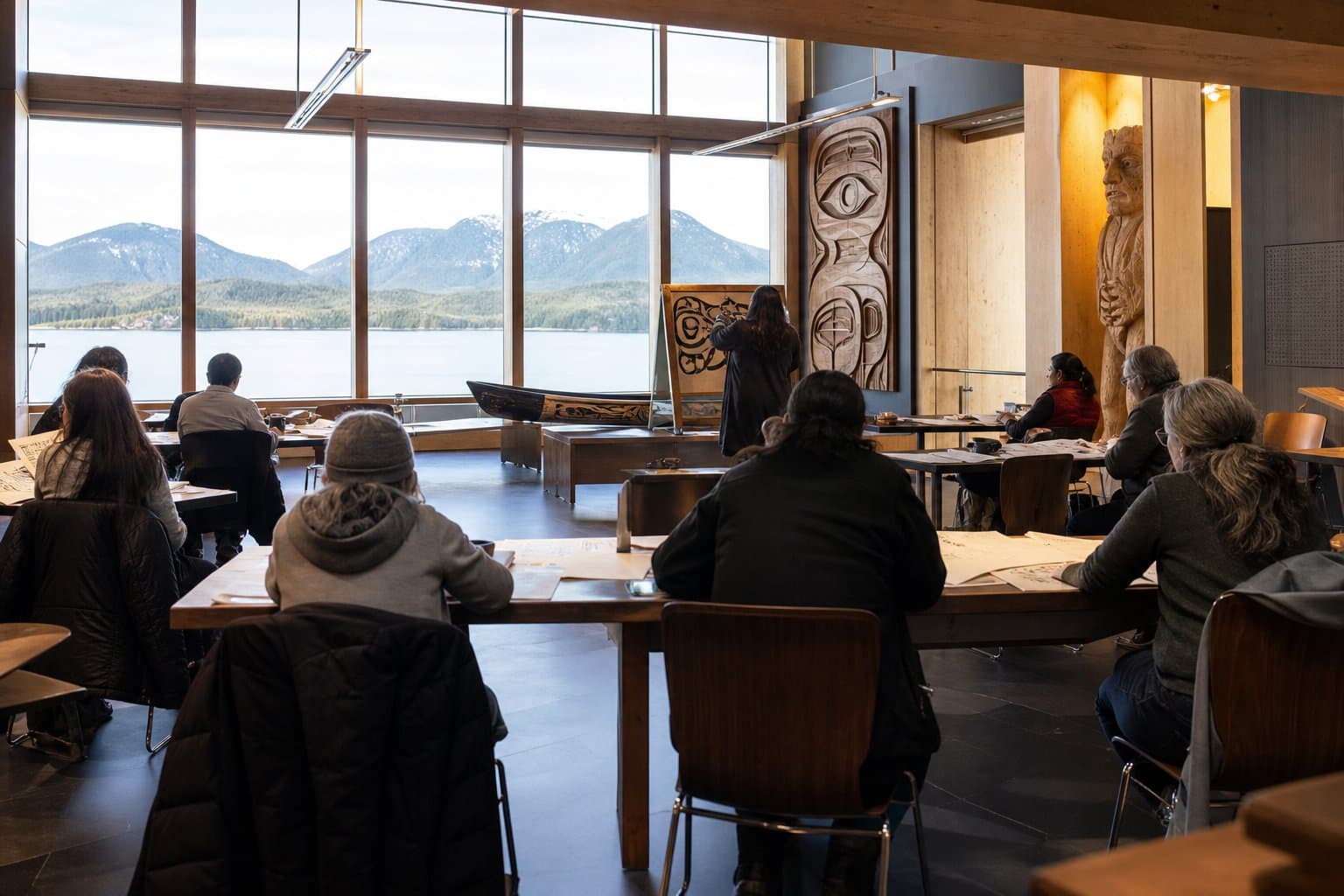
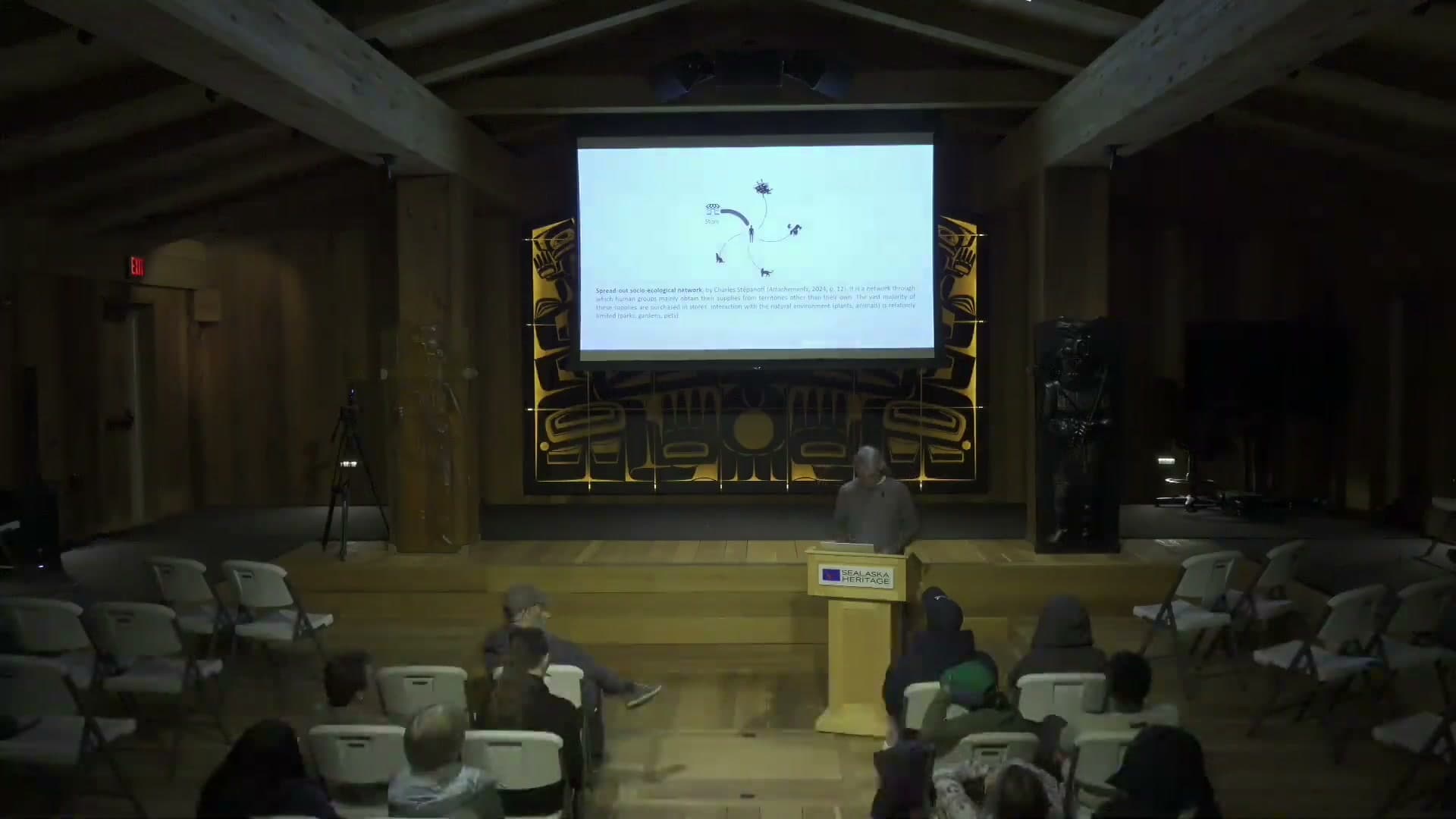
Langdon is professor emeritus of anthropology at the University of Alaska Anchorage. His talk runs from noon to 1 pm at Shuká Hít, the clan house in the Walter Soboleff Building in downtown Juneau, and will be livestreamed on the institute's YouTube channel.
Made by our human newsroom with AI. Reviewed by Cale Green. How humans and AI work here · Grow with our newsroom
Get Alaska News in your inbox
Create your free account and get the day’s top stories around 6 each morning, in a few minutes’ read.
The day's top stories around 6 each morning. Unsubscribe in one click.
Source: Sealaska Heritage Institute, Sealaska Heritage to sponsor lecture series for Native American Heritage Month.






Comments
Sign in to leave a comment.
No comments yet. Be the first to share your thoughts.