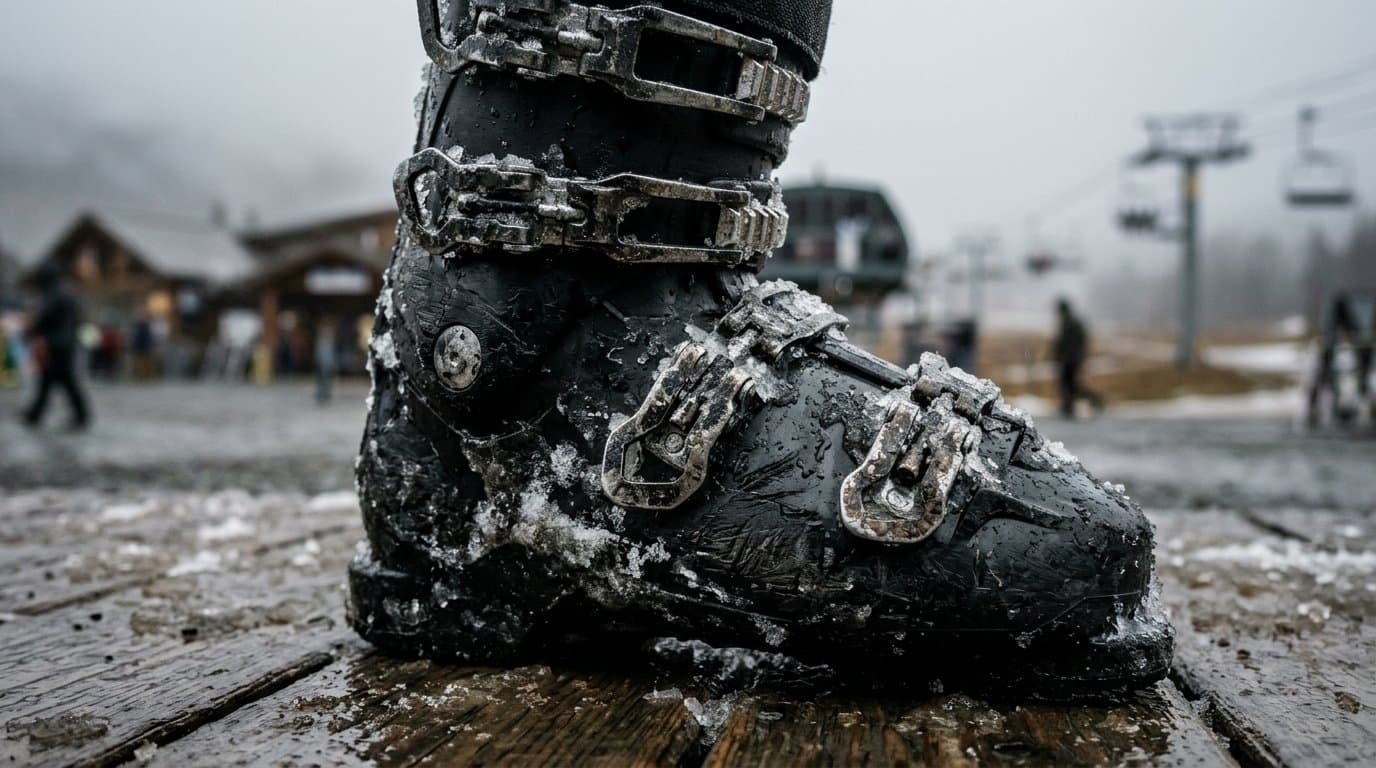
AI image
Consultant's plan says Eaglecrest should publicly address its canceled gondola
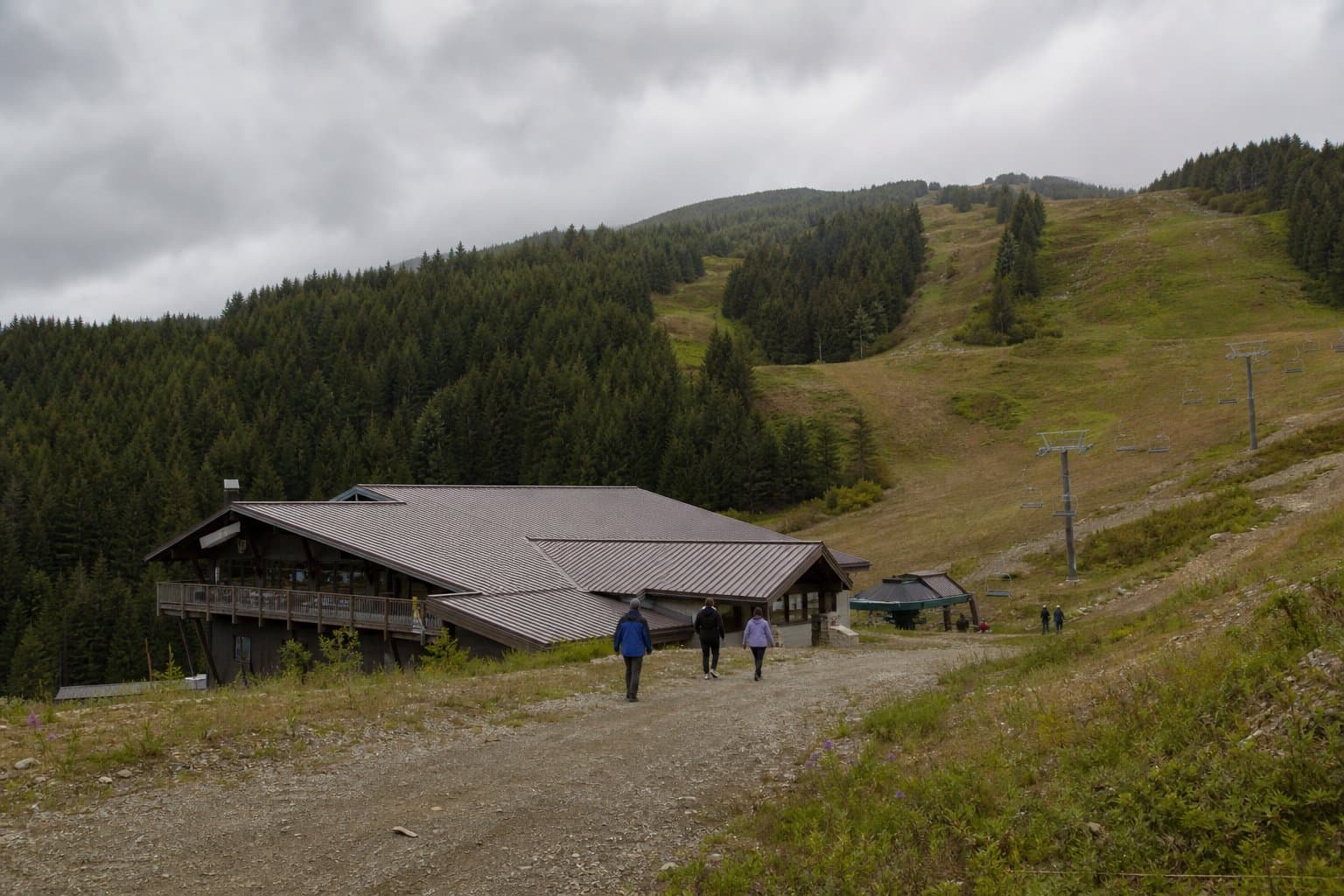
A consultant's plan for Juneau's Eaglecrest Ski Area says the ski area should explain publicly what happened with its canceled pulse gondola, which the plan calls a $12.2 million write-off at a ski area with about $2 million in annual revenue. The ski area's board hears a presentation on the plan at its annual retreat Thursday.
Confidence in Eaglecrest's management has been damaged, SE Group's strategic business plan says, and the gondola is the most frequently cited cause. Participants in the plan's working sessions also pointed to inconsistent communication, limited public outreach and the ski area's past practice of blocking local social media accounts that criticized it, which the plan says was raised "specifically and repeatedly." It recommends unblocking those accounts and acknowledging the change.
The plan says the gondola should be addressed through the community engagement of General Manager Julie Piper, who started Aug. 31, and through the ski area's annual business plan, rather than at a separate public event. It sets a target of the end of December for explaining what happened, the lessons learned and the changes made in response.
The Juneau Assembly voted 8-1 in May to end the gondola's revenue-sharing deal with Goldbelt, Juneau's Alaska Native corporation, and approved $12.2 million to repay it: $10 million for the purchase of a used Austrian gondola plus about $2.2 million in interest.
The plan also questions two numbers that have shaped expectations for the ski area. Juneau's cruise passenger count, about 1.7 million a year, was used as "the foundational support for the gondola proposal," it says, but it is "a number that appears to promise more than the market analysis supports." And the idea that Eaglecrest should cover 100% of its costs with its own revenue has become detached from the ski area's actual cost structure, according to its operating team.
Eaglecrest covered 43% of its expenses with operating revenue, which leaves out donations and city subsidies, in fiscal 2026, down from 74% in fiscal 2022. Its expenses grew 58.6% from fiscal 2021 to 2026, while operating revenue rose through fiscal 2024 and then fell back to its 2021 level. The plan's central premise is that Eaglecrest must first stabilize and strengthen its core winter business before making significant capital commitments for summer operations.
It also recommends that Eaglecrest stay factual about what Goldbelt Aaní, the corporation's proposed cruise ship dock on western Douglas Island, would and would not do for the ski area, without making its plans appear to depend on how permitting turns out. Goldbelt has argued publicly that the dock would improve Eaglecrest's position, the plan notes. That approach, it says, keeps the ski area out of "the middle of a dispute it has no standing to resolve." The state's comment period on Goldbelt's proposed tidelands lease runs through Nov. 23.
At Thursday's retreat, the board also plans to set three- and five-year targets for winter revenue and cost recovery, along with goals for summer business and capital projects.
What did you make of this story? (no account needed)
Made by our human newsroom with AI. Reviewed by Cale Green. How humans and AI work here · Grow with our newsroom ·
Get Alaska News in your inbox
Create your free account and get the day’s top stories around 6 each morning, in a few minutes’ read.
Top stories, around 6 each morning.
Stories on what you follow, on Sundays.
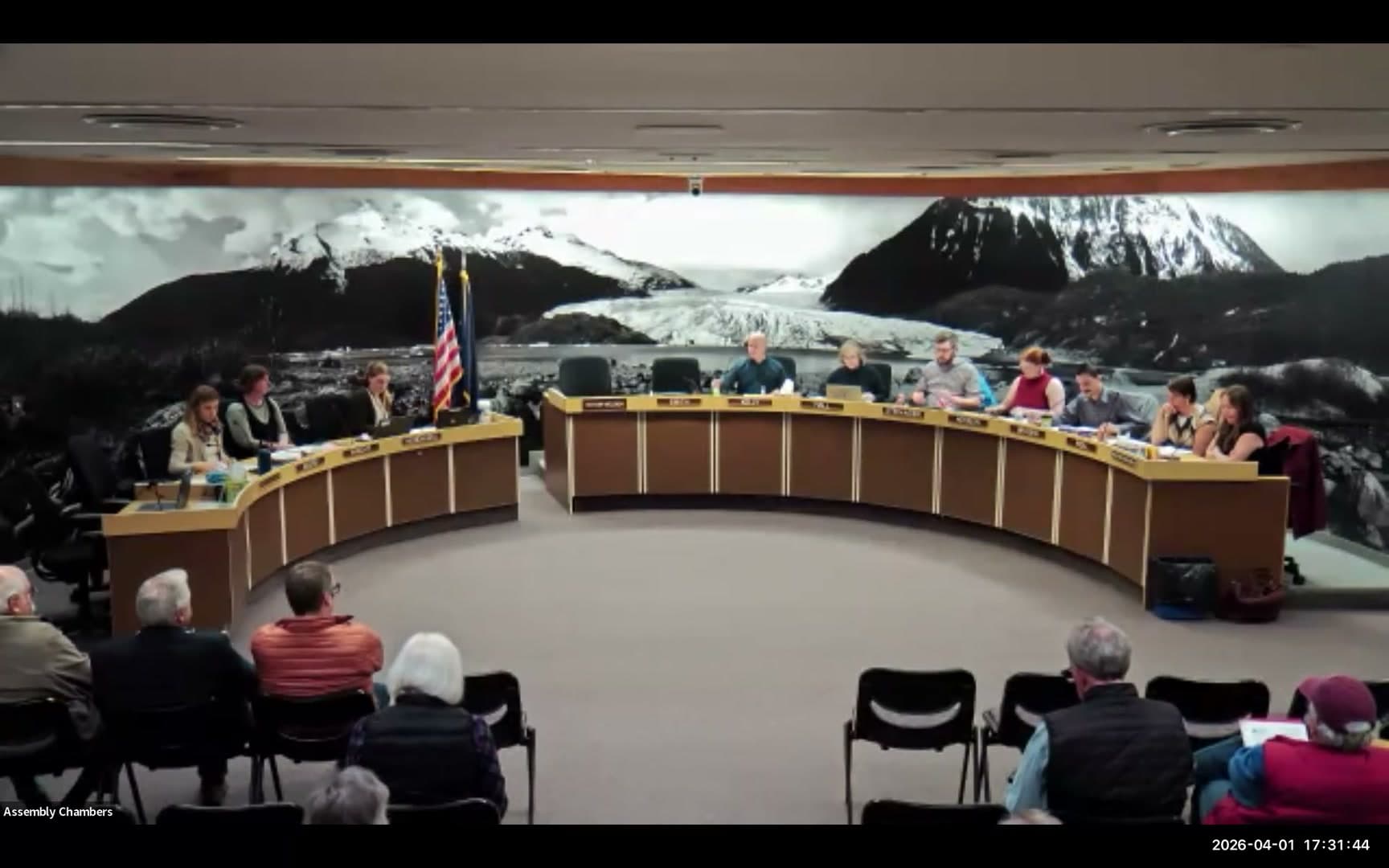
Source: City and Borough of Juneau.







Comments
Sign in to leave a comment.
No comments yet. Be the first to share your thoughts.