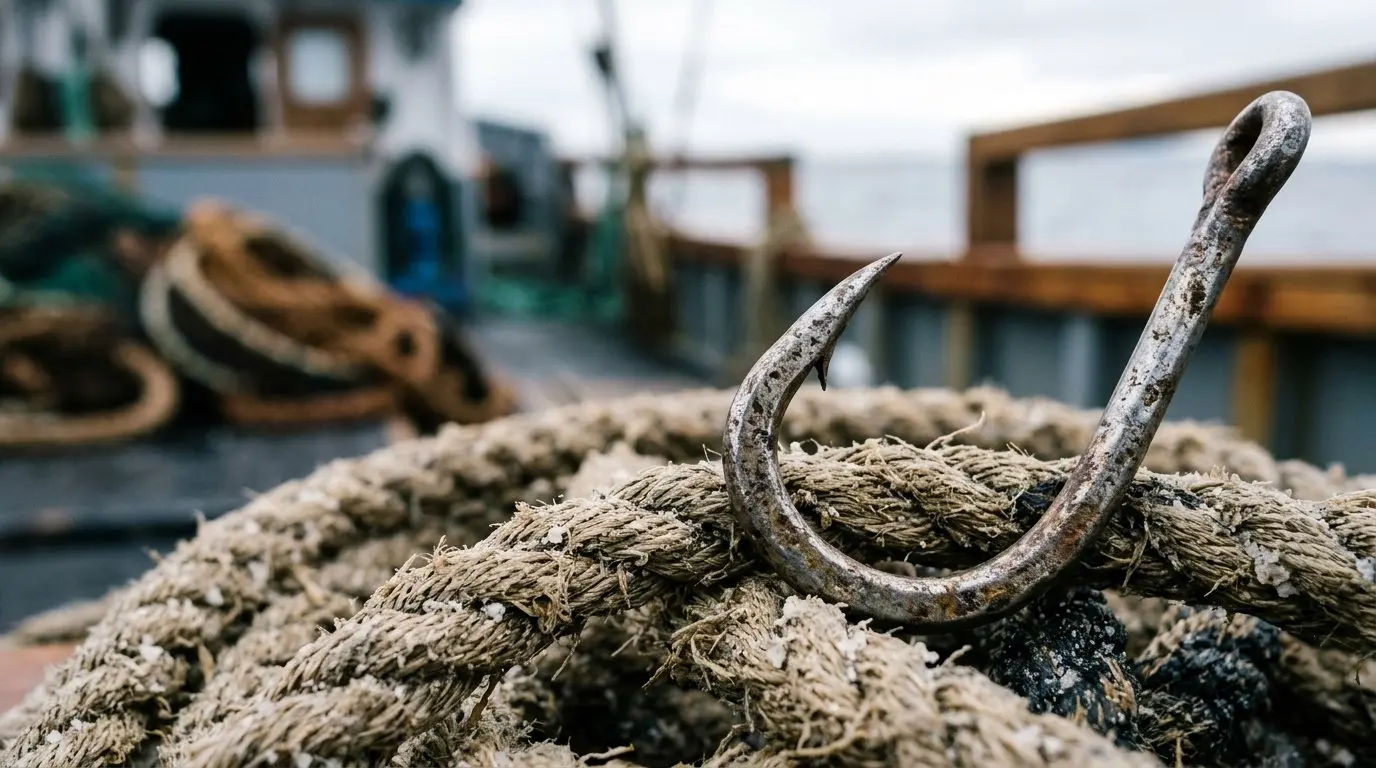
AI image
IPHC advisers' report finds a poor halibut season as prices hit a 20-year high
The International Pacific Halibut Commission's Research Advisory Board on Wednesday adopted a report describing 2026 halibut fishing as poor and uneven in most regulatory areas, with undersized fish showing up in high numbers and prices at a 20-year high.
"Pacific halibut fishing was generally poor and geographically variable in most IPHC regulatory areas compared to previous years," reads the adopted report. Josep Planas of the IPHC Secretariat, the board's vice-chair, read the draft aloud line by line before members adopted it. The same section says prices were substantially higher than in 2024 and 2025 and stayed high for the entire fishing period.
The season came after Alaska's waters took the deepest 2025 cuts, including 22% in the Central Gulf, with Pacific halibut at a 40-year low.
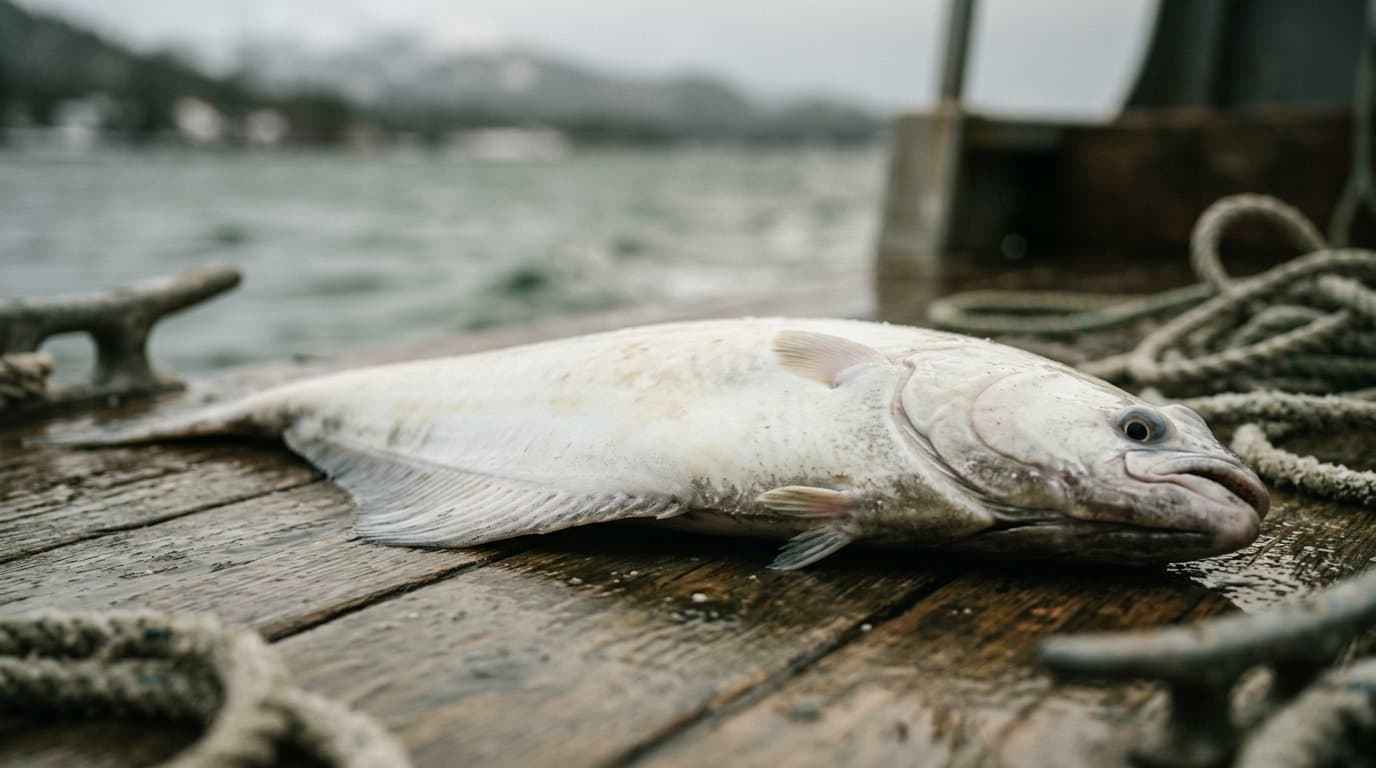
The report notes that fish under 32 inches, the commercial size limit, were being seen in high numbers in most regulatory areas. Brian Ritchie, a board member, suggested adding context: "It's always going to feel like there's more small fish when there's less big fish. But I definitely noticed less big fish." At Planas's suggestion, the adopted report adds that big fish "were being seen in lower numbers."
Members' own accounts filled in the numbers. One member said fish on grounds he knows well usually average 27 to 30 pounds. Over three trips this year, they averaged 22 to 23 pounds. Another, who fishes the Central and Western Gulf (Areas 3A and 3B), described two size groups just below the limit, 24 to 26 inches and 30 to 31.5 inches. He said he moved off spots rather than keep shaking undersized fish off the hook.
Conditions varied. A member from British Columbia (Area 2B) said fishing there was average in July, then he got reports of the best fishing in years starting in August. He said the season was much better than last year.
The report also lists concerns. Marine mammals, mainly orcas and sperm whales, remained a problem coastwide. Dogfish catches were high in Areas 2B, 2C and 3A. The gap between low dogfish abundance estimates in British Columbia and the high numbers fishermen encountered there remains a concern, the report says. High bycatch of yelloweye rockfish was also a concern coastwide.
Sand fleas, a major complaint in 2025, were reported anecdotally as less of a problem this year. The board still recommended that commission staff keep collecting sand flea data from commercial trips, including bottom characteristics, water temperature and soak time. Barbara Hutniczak, who manages the commission's fisheries regulations and data branch, told members the logbook entries are not used for quota accounting.
An IPHC fishery limit report dated Nov. 3 showed Alaska commercial quota landings at about 12.1 million pounds, 81.7% of a 14.8 million-pound limit.
The board advises on research. It does not set catch limits. Planas said its recommendations go before the commissioners, and the report is read at the commission's annual meeting, scheduled for Jan. 25-28, 2027, in Victoria, British Columbia.
What did you make of this story? (no account needed)
Made by our human newsroom with AI. How humans and AI work here · Grow with our newsroom · Transcript byWalter AlaskaNews
Keep Alaska News free for everyone.
No paywall, ever. Members pay so everyone can read the meetings and records Alaska News covers.
Get Alaska News in your inbox
Create your free account and get the day’s top stories around 6 each morning, in a few minutes’ read.
Top stories, around 6 each morning.
Stories on what you follow, on Sundays.
This article is based on a public meeting of International Pacific Halibut Commission — 27th Session of the IPHC Research Advisory Board, Day 2.
Watch key moments from the source meeting. Click to expand.




Comments
Sign in to leave a comment.
No comments yet. Be the first to share your thoughts.