AI image
West Coast halibut catch falls to a fifth of June's rate as NOAA adds a sixth period
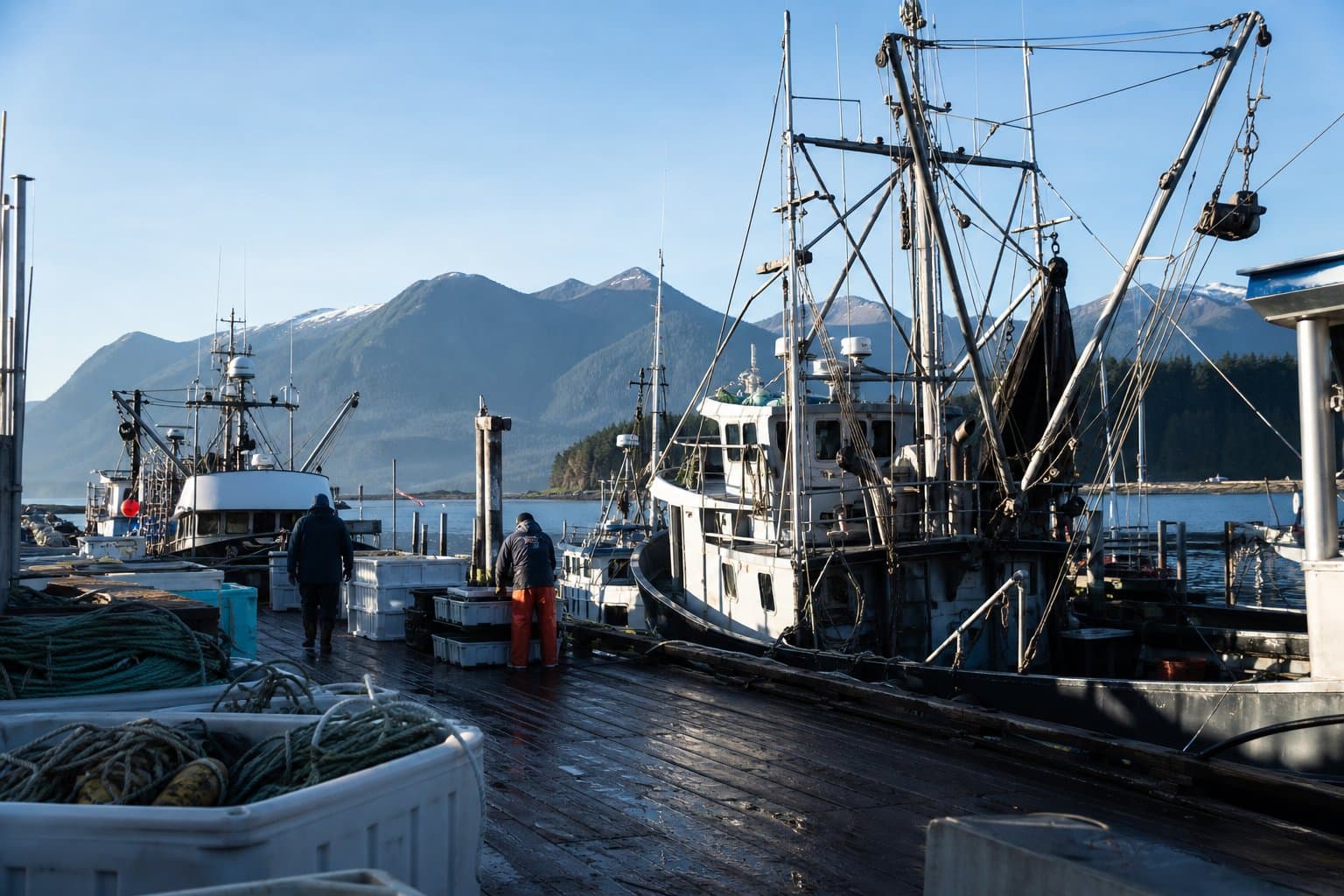
The West Coast halibut fleet is struggling to catch even the modest share of the coast's halibut it's allowed this year — a sign of a broader problem in a stock that Alaska fishermen depend on just as heavily.
Federal managers are adding a sixth fishing period off Washington, Oregon and California, opening Sept. 15, to give the fleet more time to reach a catch limit it hasn't met. The pace has fallen off sharply: after landing 65,000 pounds in the late-June opener, the fleet brought in just 13,574 pounds in early September, roughly a fifth of that. About 37,000 pounds of the year's commercial allocation still sits uncaught. NOAA Fisheries hasn't pinned the slow catch on any single cause.
That West Coast area isn't an Alaska fishing zone, but it draws from the same coastwide Pacific halibut stock — the one Alaska's quota holders, charter operators and subsistence fishermen all rely on. And that stock is under strain. The International Pacific Halibut Commission's most recent assessment found commercial catch rates across nearly the entire coast near 40-year lows, and the spawning population near its lowest level since the 1970s.
The picture isn't all bad: the stock has grown about 8 percent since 2024 and is not considered overfished. But the pressure has already hit Alaska. Coastwide catch limits were cut nearly 16 percent for 2025, and every Alaska area took a reduction — around 20 percent in the Central Gulf. The West Coast's limit, by contrast, wasn't cut for either 2025 or 2026.
Based on a press release.
Made by our human newsroom with AI. How humans and AI work here · Grow with our newsroom
Stay informed. Support what matters.
Free, permanent access to local news you can verify. Subscribe to support Bill AlaskaNews and go ad-free.
Related Coverage
The West Coast's halibut fleet needed six openings to near its small quota
Alaska News · 1mo ago
The West Coast dips into the halibut stock Alaska shares
Alaska News · 3mo ago
Pacific halibut hit a 40-year low as Alaska absorbs the deepest cuts
Alaska News · 2mo ago
NOAA Sets West Coast Halibut Season Opening June 23 With 261,211-Pound Cap
Alaska News · 4mo ago
NOAA would let one boat take far more western halibut to get anyone fishing it
Alaska News · 1mo ago
Comments
Sign in to leave a comment.
No comments yet. Be the first to share your thoughts.