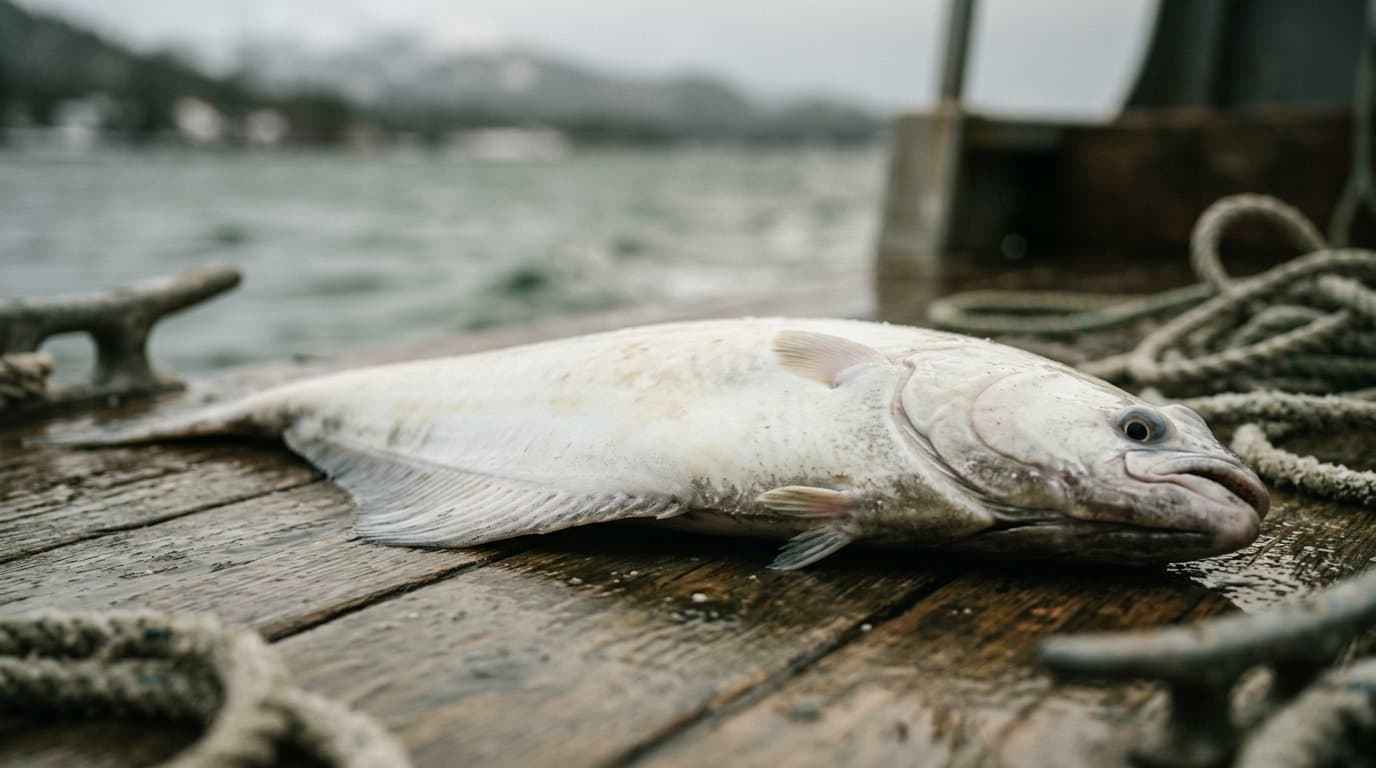
AI image
Halibut advisers ask commission to study rental-boat rules across its waters
The International Pacific Halibut Commission's Research Advisory Board on Wednesday asked commission staff to analyze how rental boats used for sport fishing are registered, and how those rules are enforced, in every area the commission manages, Alaska included.
The request concerns Alaska's unguided, or self-guided, sector. Commercial and charter members of the board said that sector is removing halibut that no one can reliably count, and that those removals compete with their own allocations.
The commission's annual meeting report put the final 2025 unguided removal estimate for Area 2C, Southeast Alaska, at 1.445 million pounds, up from a preliminary 0.992 million. The commission said the increase is understood to be driven by growing harvest from unguided rental boats. By comparison, the 2025 Area 2C charter allocation was 720,000 pounds. The same report noted a proposal to cut the unguided daily bag limit from two halibut to one in all Alaska areas. A commission research report put combined guided and unguided recreational removals at 5.7 million pounds in 2025, 20% of all halibut deaths caused by fishing.
Charter anglers in Southeast face tighter limits. This year they could keep halibut 34 inches or shorter, and regulators are studying 32 inches or smaller for 2027.
Steve Daniels, who fishes commercially, runs a guided charter lodge and now has $3 million invested in a self-guided lodge, said the unguided catch is "a big sinkhole for us." By the time anyone studies it, he said, the sector could have grown "by 200 or 300, 400%." He described an operator out of Pelican who, he said, "takes people out and he guides them, but he claims that he's unguided. They keep 2 halibut a day." Daniels did not name the operator.
Jim Hubbard, a commercial fisherman on the board, said Seward charter operators told him there are 90 charter licenses there and about 120 unguided operations. He said his operation's cap this year was 68,000 pounds, compared with the 280,000 to 300,000 pounds it once caught.
Bruce Hale, who said he chairs the commission's processors board, questioned whether sector disputes belonged in a research advisory meeting, though he added of the sport sector, "I want their reporting scrutinized." Josep Planas of the commission staff said unguided accounting is the responsibility of the Alaska Department of Fish and Game and that such issues belong before the North Pacific Fishery Management Council.
Brian Ritchie, a Homer charter fisherman and voting member of that council, said that is why he wanted the analysis. Such efforts feel "pretty Herculean" to get done at the council, "even to get an analysis started," he said. He said a logbook program for rental boats would first require registering them, ideally modeled on a successful program elsewhere.
Another board member called the roughly 50% revision to the unguided estimate unacceptable and asked that the state be told so. Commission staff said the department has reported that its Statewide Harvest Survey is moving to an electronic format expected to improve reporting starting in 2028.
The board adopted the request in its report, which also said it looks forward to the state's improved data collection, expected in 2028.
What did you make of this story? (no account needed)
Made by our human newsroom with AI. How humans and AI work here · Grow with our newsroom · Transcript byWalter AlaskaNews
Keep Alaska News free for everyone.
No paywall, ever. Members pay so everyone can read the meetings and records Alaska News covers.
Get Alaska News in your inbox
Create your free account and get the day’s top stories around 6 each morning, in a few minutes’ read.
Top stories, around 6 each morning.
Stories on what you follow, on Sundays.
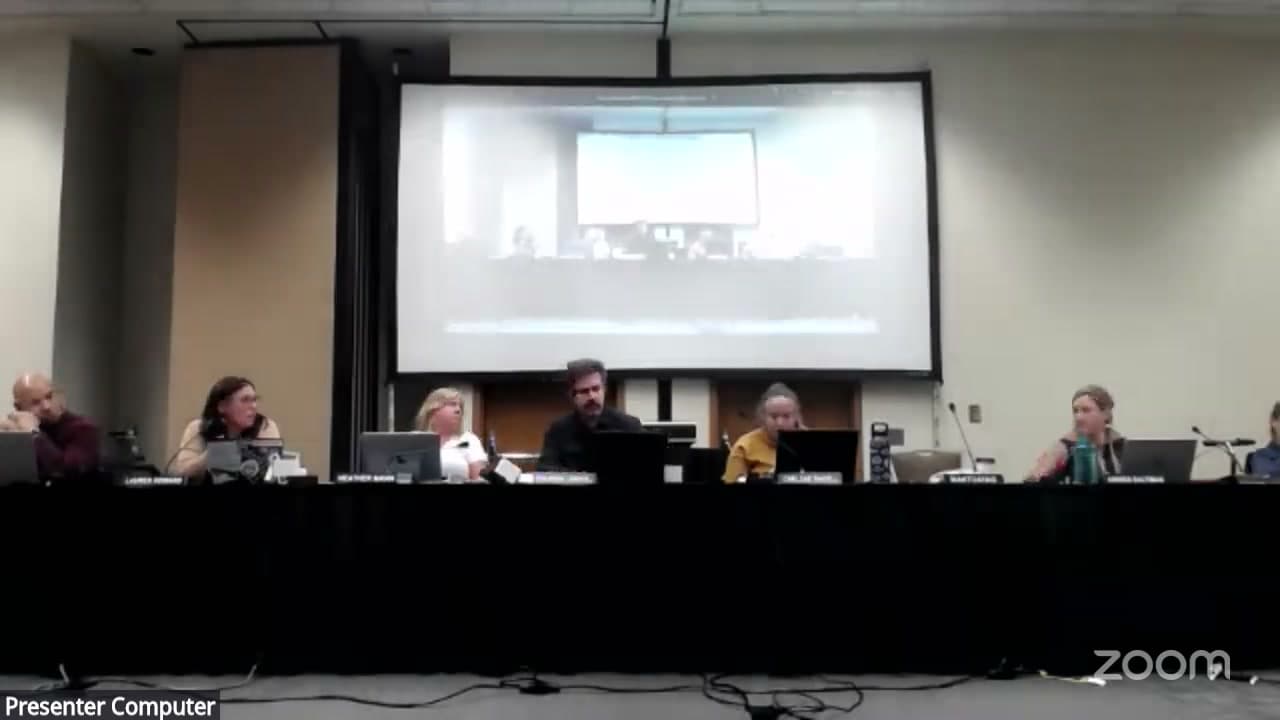
This article is based on a public meeting of International Pacific Halibut Commission — 27th Session of the IPHC Research Advisory Board, Day 2.
Watch key moments from the source meeting. Click to expand.




Comments
Sign in to leave a comment.
No comments yet. Be the first to share your thoughts.