
Editorial map (Gemini + Google Maps)
Old Harbor tribe seeks permit for hydro plant to replace the village's diesel power
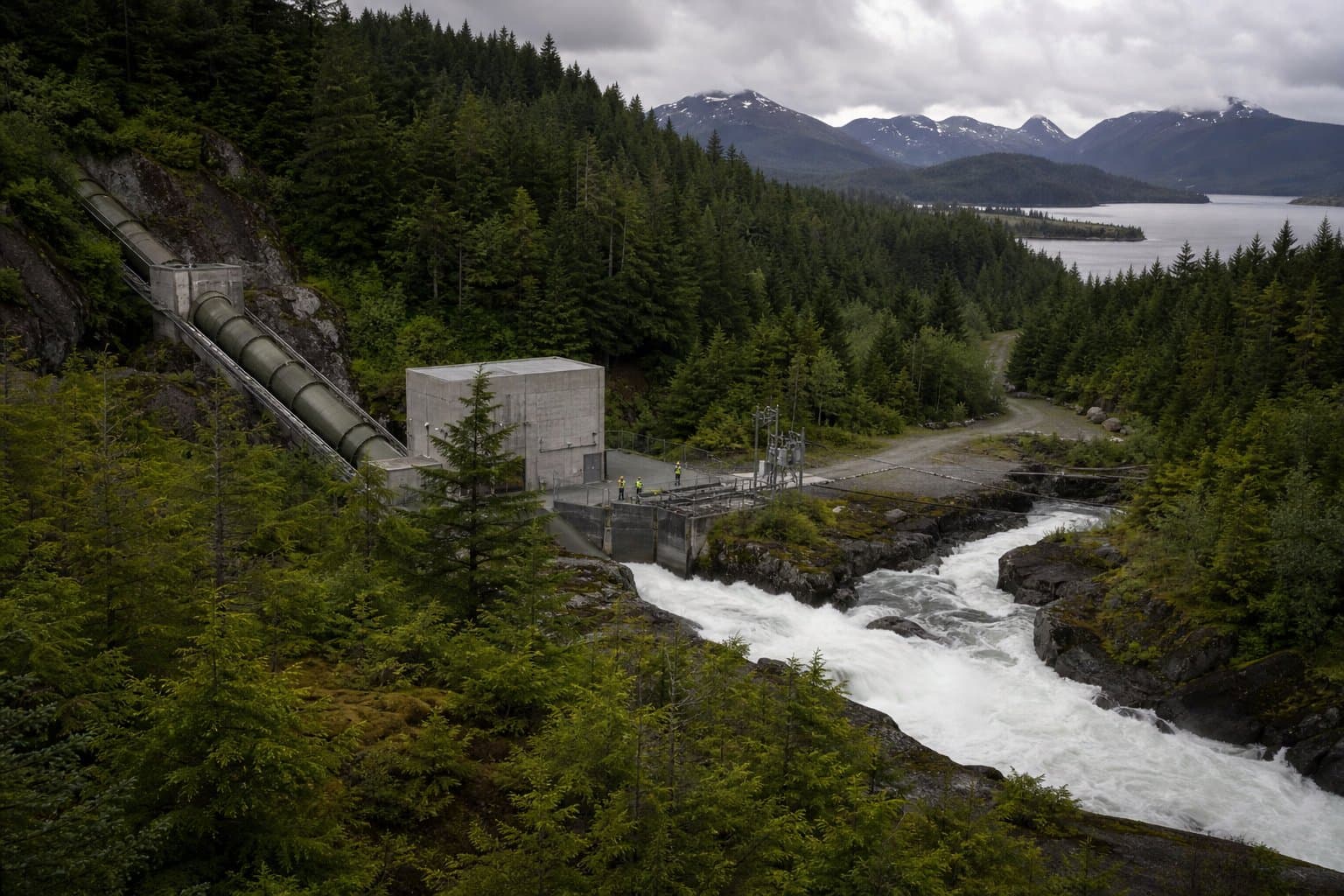
The Alutiiq Tribe of Old Harbor has asked the U.S. Army Corps of Engineers for a permit to build a hydroelectric plant that is expected to replace almost all of the diesel the Kodiak Island village burns for electricity.
The run-of-river plant would take water from the East Fork of Mountain Creek, inside the Kodiak National Wildlife Refuge northwest of the village, and send it through nearly 2 miles of buried pipe to a powerhouse in the Lagoon Creek drainage west of town. The Corps issued a public notice on the application this week and is taking comments through Nov. 27.
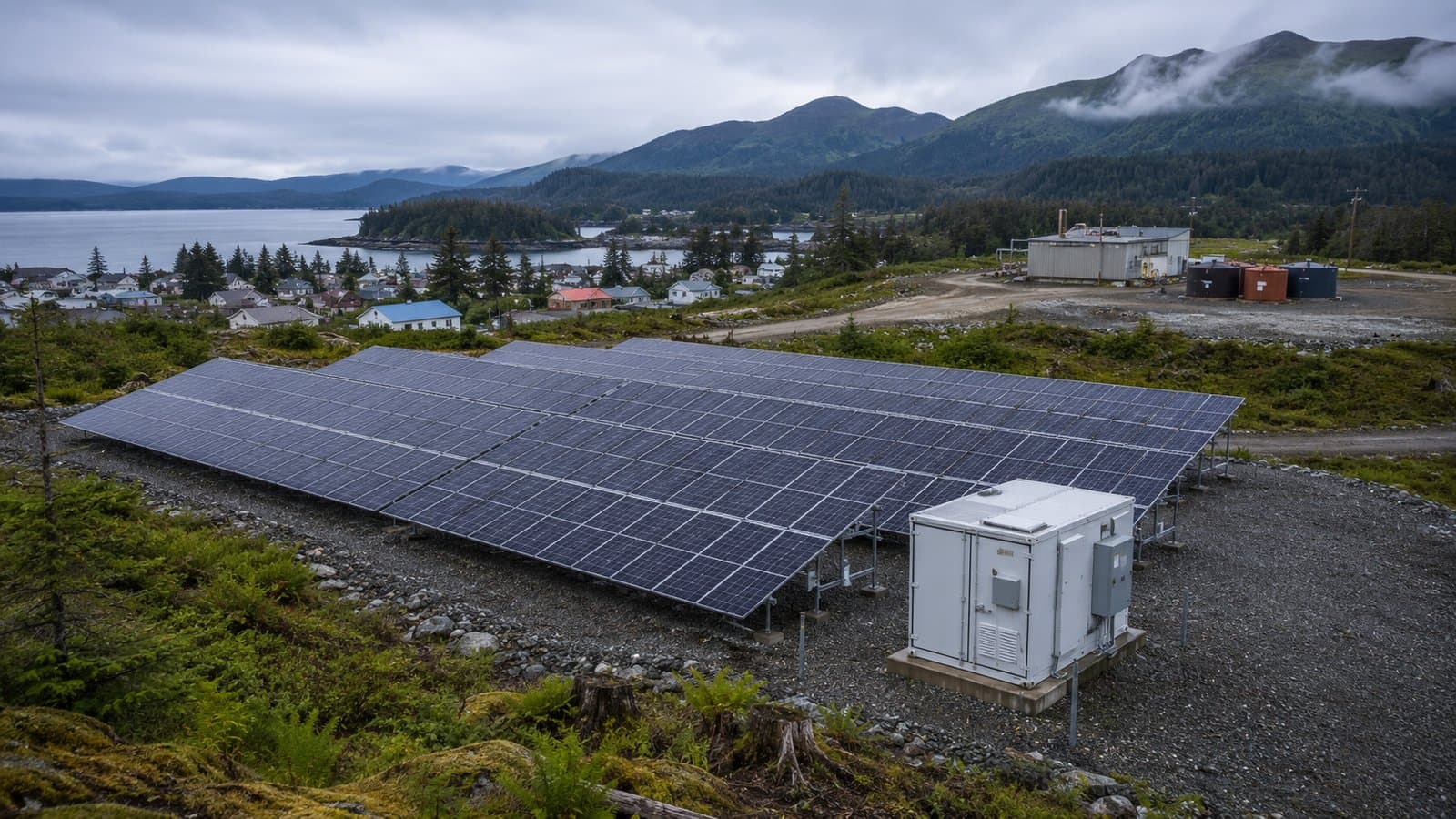
Old Harbor, an Alutiiq village on Kodiak's southeast coast, gets all its electricity from diesel generators. Residents pay about 35 cents a kilowatt-hour, more than twice the national average, according to a U.S. Fish and Wildlife Service review of the project. Diesel arrives by barge and is carried in barrels to the power plant, which the review says creates a constant risk of fuel spills.
The average household electric bill is $264 a month, the tribe says. It also says the village's utility, the Alaska Village Electric Cooperative, shut off power to 22 of Old Harbor's 86 households in 2022.
Village leaders have been interested in hydropower since the 1970s, according to the tribe. The cooperative won a federal license for a plant in 2000 but never built it, deciding the project wasn't feasible because diesel prices had dropped and the mitigation measures resource agencies required were costly. That license was terminated in 2005. The cooperative got a new one in 2016, and federal regulators approved transferring the project to the tribe in July 2024.
The tribe plans to run the plant as an independent power producer and sell its power for 80% of what the diesel would have cost. It estimates that would trim electric rates 6% to 7% before the state's Power Cost Equalization subsidy.
The tribe also plans to pass profits back to households. After setting aside reserves, that would come to about $2,400 per household at current fuel prices, enough by the tribe's estimate to cover a year of water bills and half of an average electric bill. Its goal is that no home has its lights or water shut off for nonpayment for the next 50 years.
The plant would be built in two phases, according to the Corps notice. The first would install one 262-kilowatt turbine along with the intake, pipe and powerhouse, and a second turbine would later bring capacity to 524 kilowatts. The tribe says a feasibility study found the plant could save about 56,000 gallons of diesel in its first year.
The U.S. Department of Energy awarded $1.5 million in 2024 for planning and design work, out of a federal share of up to nearly $10 million. The department expects the plant to generate about 3,470 megawatt-hours a year and cut diesel use at the village power plant by 95%. Old Harbor Native Corp., the Alaska Native Tribal Health Consortium and the cooperative are partners. In 2022, the corporation, working with the U.S. Army and the Innovative Readiness Training program, built a 2-mile road to the powerhouse site, the tribe says.
Building the plant would permanently fill about 1.45 acres of wetlands and other waters, according to the Corps notice. The Fish and Wildlife Service, which manages the refuge, approved a 40-year right-of-way for the project in March, the notice says. The service's draft review found the plant compatible with the refuge's purposes, with in-stream work timed to protect coho salmon and helicopters keeping 1,500 feet from any mountain goats they spot.
Construction would start in April 2027 and finish by April 2030, according to the notice. The Corps has not made a decision.
Source: U.S. Army Corps of Engineers, U.S. Army Corps of Engineers: POA-2026-00036 Mountain Creek PN.
Made by our human newsroom with AI. Reviewed by Cale Green. How humans and AI work here · Grow with our newsroom
Stay informed. Support what matters.
Free local news you can verify. Support Maggie AlaskaNews and go ad-free.








Comments
Sign in to leave a comment.
No comments yet. Be the first to share your thoughts.