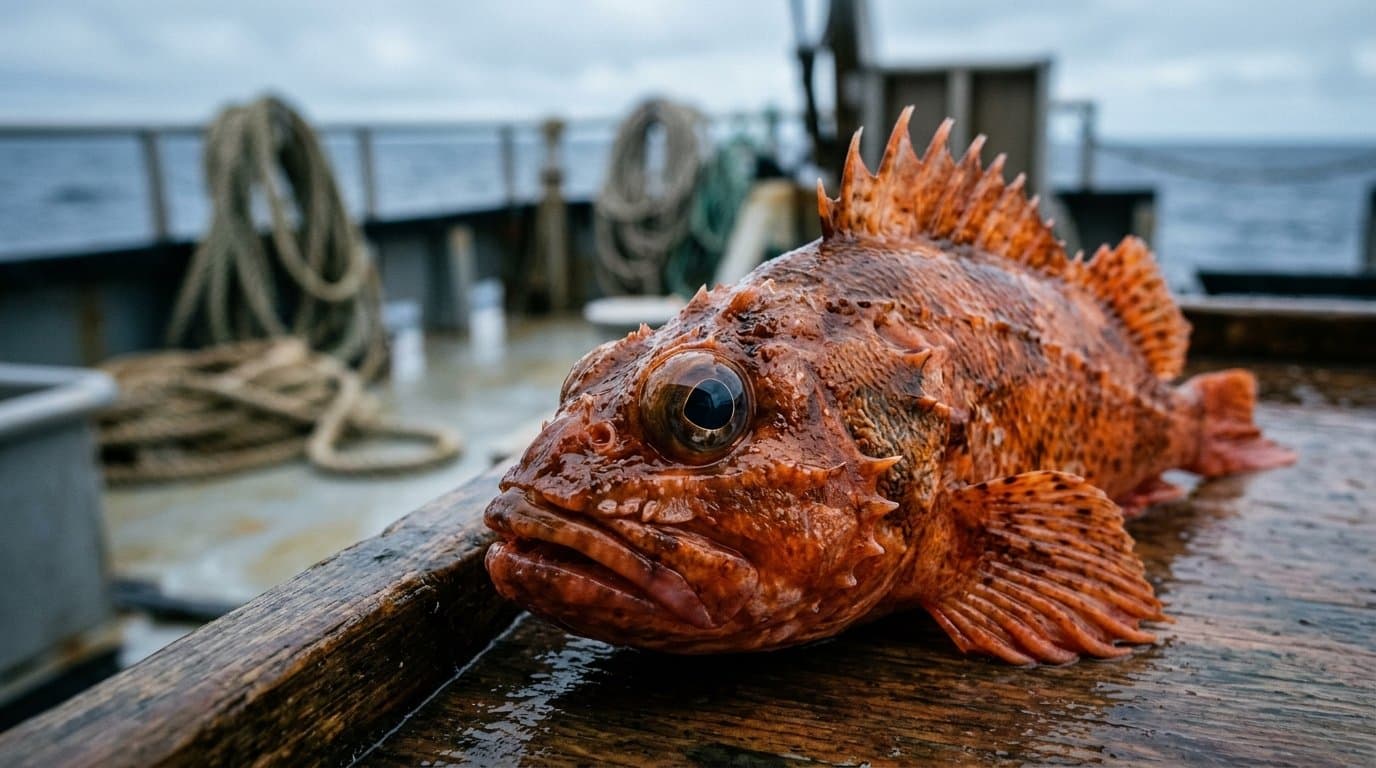
AI image
Federal scientists recommend 11.7% cut to Gulf of Alaska thornyhead catch for 2027
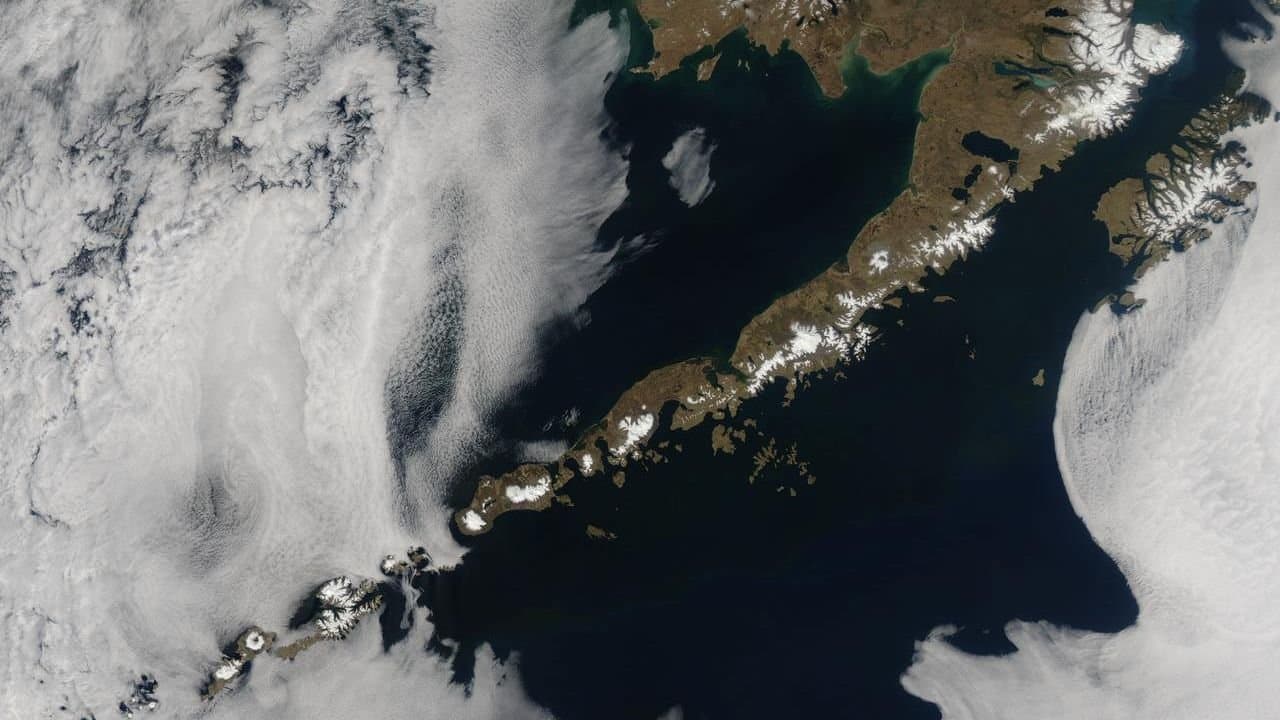
Federal scientists recommend lowering the 2027 Gulf of Alaska thornyhead rockfish catch to 1,182 metric tons, an 11.7% drop from this year's 1,338 tons, in a stock assessment chapter posted Thursday to the North Pacific Fishery Management Council's portal. The council will set final 2027 Gulf catch limits at its Dec. 4-9 meeting. Written comments on the Gulf limits are due at noon Friday, Nov. 27, through the council's December meeting agenda.
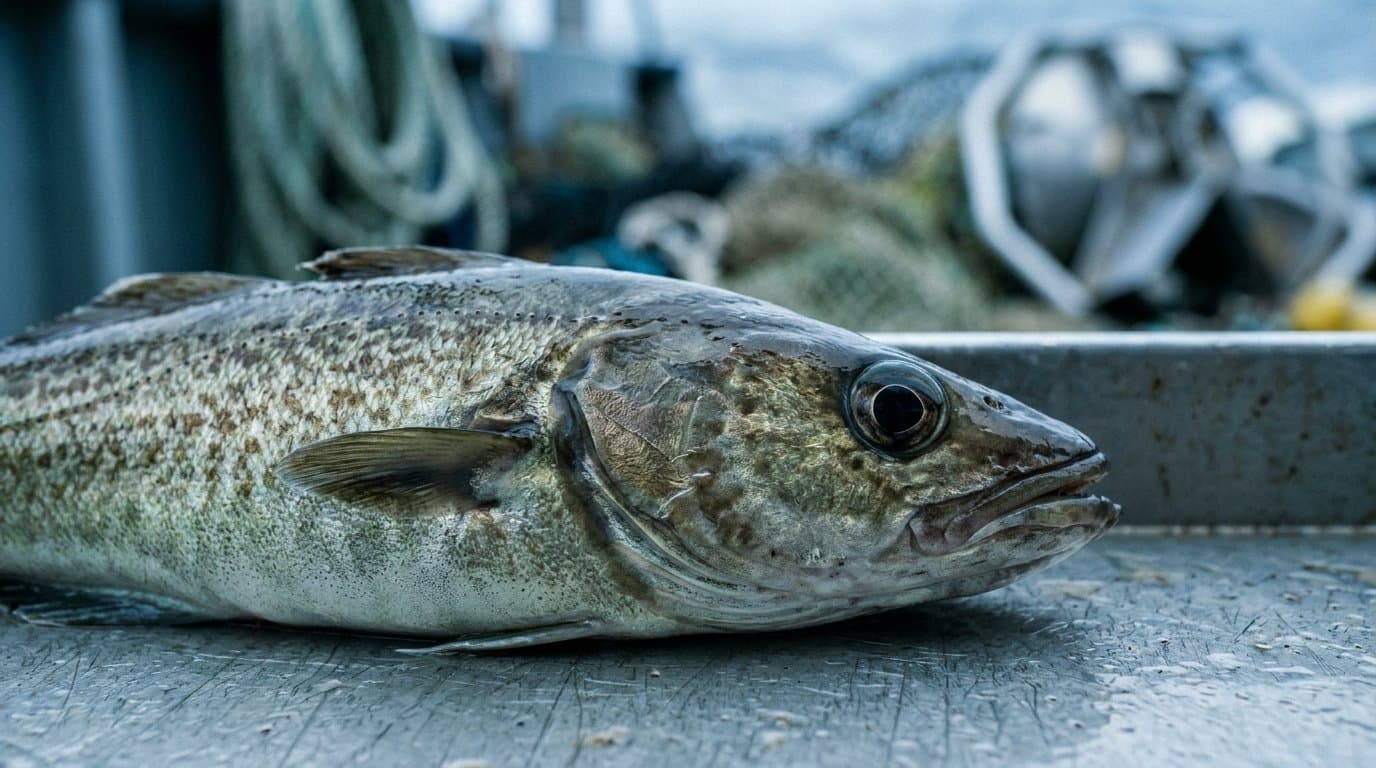
Thornyheads are managed as a bycatch-only fishery, meaning boats targeting other species catch them incidentally rather than fishing for them directly. Shortspine thornyheads make up more than 99% of the thornyhead weight in observer and electronic monitoring data, and they are long-lived, with maximum ages estimated at 85 to 100 years.
The authors split the recommended 2027 catch by region: 266 tons for the western Gulf, 527 tons for the central Gulf and 389 tons for the eastern Gulf. They set the overfishing limit at 1,575 tons and found the stock was not subject to overfishing in 2025. The recommended catch was 1,628 tons for 2023 through 2025, according to the 2023 assessment.
The lower number rests on survey biomass. The 2025 Gulf biomass estimate fell 26% from 2023. After the 2025 redesign of the bottom trawl survey, the authors adopted a new model, Model 26, which puts 2027 Gulfwide biomass at 52,513 tons. The authors' Plan Team presentation noted a declining trend in survey indices despite low exploitation rates.
The authors attribute the recent drop in thornyhead catch to the sablefish fishery's shift from hook-and-line gear to pots, which catch fewer thornyheads. Catch has been relatively low for eight years while biomass estimates declined, they wrote: "This suggests that fishing is not driving these observed declines."
A NOAA gear comparison found shortspine thornyhead made up 3% to 7% of hook-and-line catches but no more than 0.2% of pot catches. By 2022, pots had become the main Gulf sablefish gear, with 156 pot vessels against 133 hook-and-line vessels, the 2022 assessment shows. Research catch in 2025 totaled about 8 tons, roughly 0.5% of that year's recommended catch.
An industry newsletter notes the sablefish fleet's growing use of pots changes what the fleet catches, which may affect the information used to assess the thornyhead stock.
What did you make of this story? (no account needed)
Made by our human newsroom with AI. How humans and AI work here · Grow with our newsroom ·
Keep Alaska News free for everyone.
No paywall, ever. Members pay so everyone can read the meetings and records Alaska News covers.
Get Alaska News in your inbox
Create your free account and get the day’s top stories around 6 each morning, in a few minutes’ read.
Top stories, around 6 each morning.
Stories on what you follow, on Sundays.
Source: Alaska Fisheries Science Center.








Comments
Sign in to leave a comment.
No comments yet. Be the first to share your thoughts.