AI image
FCC hasn't approved $162 million for Alaska cell service, past the October vote Trump cited
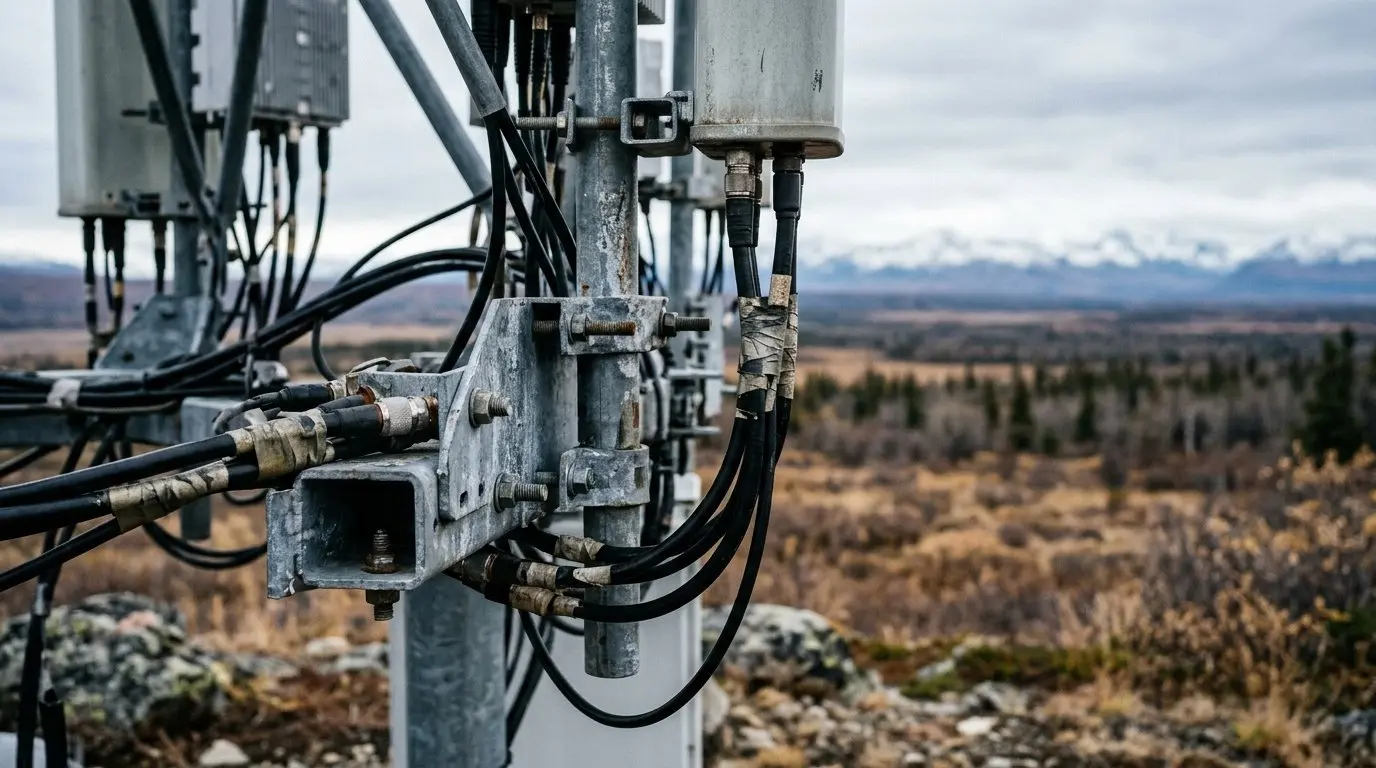
The Federal Communications Commission still hasn't adopted Chairman Brendan Carr's plan to put $162 million more toward cell service in rural Alaska, more than three weeks after President Donald Trump told a Wasilla rally that Carr had informed him the commission would vote in October.
The state's telecom trade group is pushing for it. Representatives of the Alaska Telecom Association and its members, including GCI, Alaska Communications and several smaller carriers, met Wednesday with a legal adviser to Commissioner Anna Gomez to back the "proposed $162 million in supplemental mobile broadband funding," according to a letter the group filed Friday. The letter describes the order as "on circulation," meaning commissioners can adopt it without a public meeting. It was still on the FCC's circulation list Friday.
Carr circulated the order Oct. 14. According to the FCC's announcement, it would let mobile carriers in the Alaska Connect Fund, the federal subsidy program that replaces the Alaska Plan in January, apply for the money to build service in unserved parts of the state. It would come from the Universal Service Fund, which phone companies pay into, and would be on top of the $203.8 million a year the Alaska Connect Fund will pay out.
The order would also extend by two years the fund's first mobile phase, which keeps paying all the subsidized carriers in areas where more than one operates. After that phase, the FCC intends to pick one carrier per area. The order's title also includes a waiver, which the announcement doesn't describe.
The order itself isn't public. The announcement doesn't say where within the Universal Service Fund the money would come from, or whether carriers outside the Alaska Connect Fund could apply. It describes the money as "supplemental funding to Alaska Connect Fund mobile providers."
Carriers have argued about that before. The Alaska Telecom Association, which the FCC said in 2024 represents all eight mobile carriers in the Alaska Plan, told the FCC in February 2025 to "be wary" of a competitive bidding process the FCC had proposed, warning that it could lead qualified providers to abandon the hardest-to-serve areas in favor of new entrants. It said the FCC could instead explore "an application-based program." OptimERA Holdings, a small carrier that serves Unalaska, Nikolski and Akutan, called itself too new a carrier to receive federal high-cost subsidies in comments that month and said it was "poised" to receive them as soon as the FCC opens the door to new carriers.
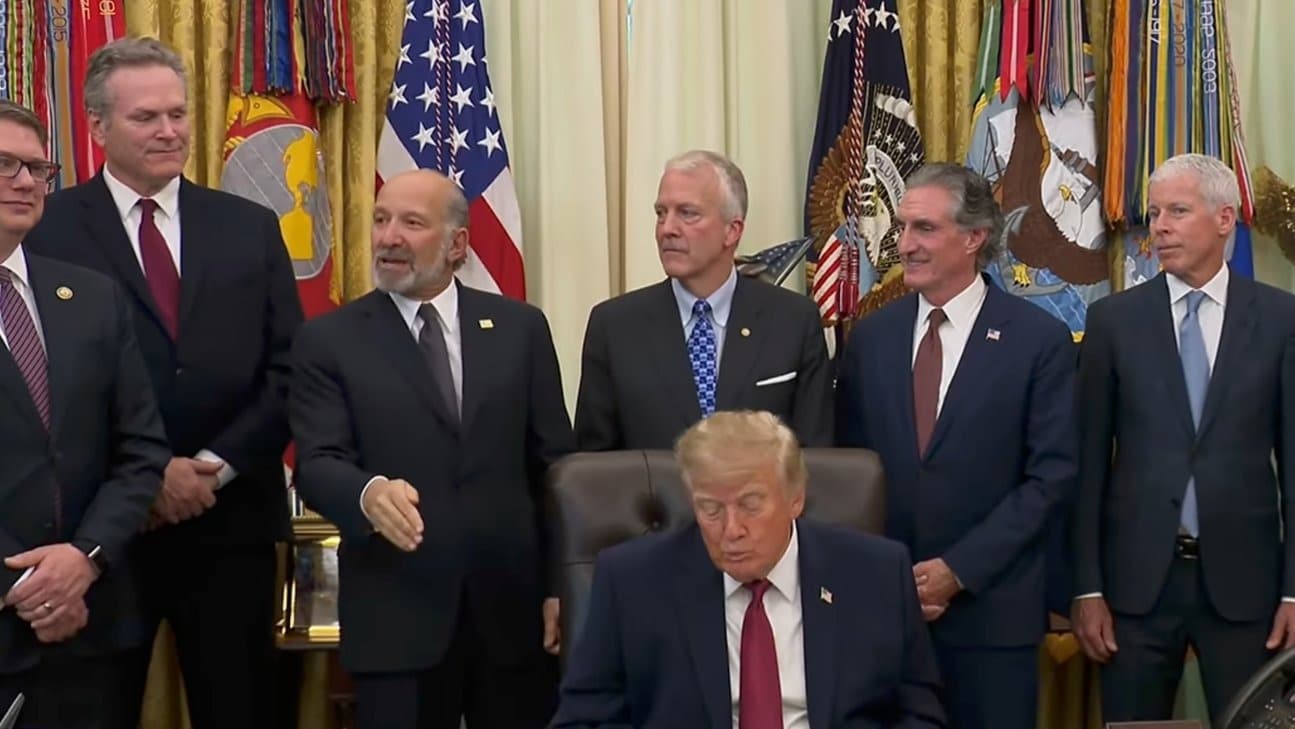
The FCC's announcement quoted Carr crediting "Senator Sullivan's strong leadership." It came the day after a campaign rally for Sen. Dan Sullivan in Wasilla, where Trump told the crowd that Carr had informed him "the commission will vote this month to invest an additional $162 million." The rally was three weeks before the Nov. 3 election, and Carr told the crowd he was there "in my personal capacity." Two groups later asked the federal Office of Special Counsel to look into whether Carr and two Cabinet secretaries broke the Hatch Act, which limits political activity by federal employees. The order wasn't on the agenda for the commission's Oct. 29 meeting and isn't on the tentative agenda for its Nov. 19 meeting.
On Oct. 15, the day after Carr circulated the order, a federal appeals court ruled that the FCC broke the law in setting up the company that pays out the Universal Service Fund. The court threw out the rate phone companies paid into the fund for the last three months of 2025 and sent the case back to the FCC, but it didn't order any payments stopped. GCI's parent said the ruling won't take effect until at least Dec. 7 and that it can't yet tell what the ruling will mean for the subsidies, which made up 47% of GCI's revenue in the first nine months of this year.
What did you make of this story? (no account needed)
Made by our human newsroom with AI. Reviewed by Cale Green. How humans and AI work here · Grow with our newsroom ·
Get Alaska News in your inbox
Create your free account and get the day’s top stories around 6 each morning, in a few minutes’ read.
Top stories, around 6 each morning.
Stories on what you follow, on Sundays.
Source: Federal Communications Commission, Order for an 'additional' $162 million in Alaska cell service funding, still unvoted, matches money the FCC set aside in 2016.







Comments
Sign in to leave a comment.
No comments yet. Be the first to share your thoughts.