AI image
FCC reconsiders how it sets rural clinic telecom subsidies, 97% of which go to Alaska
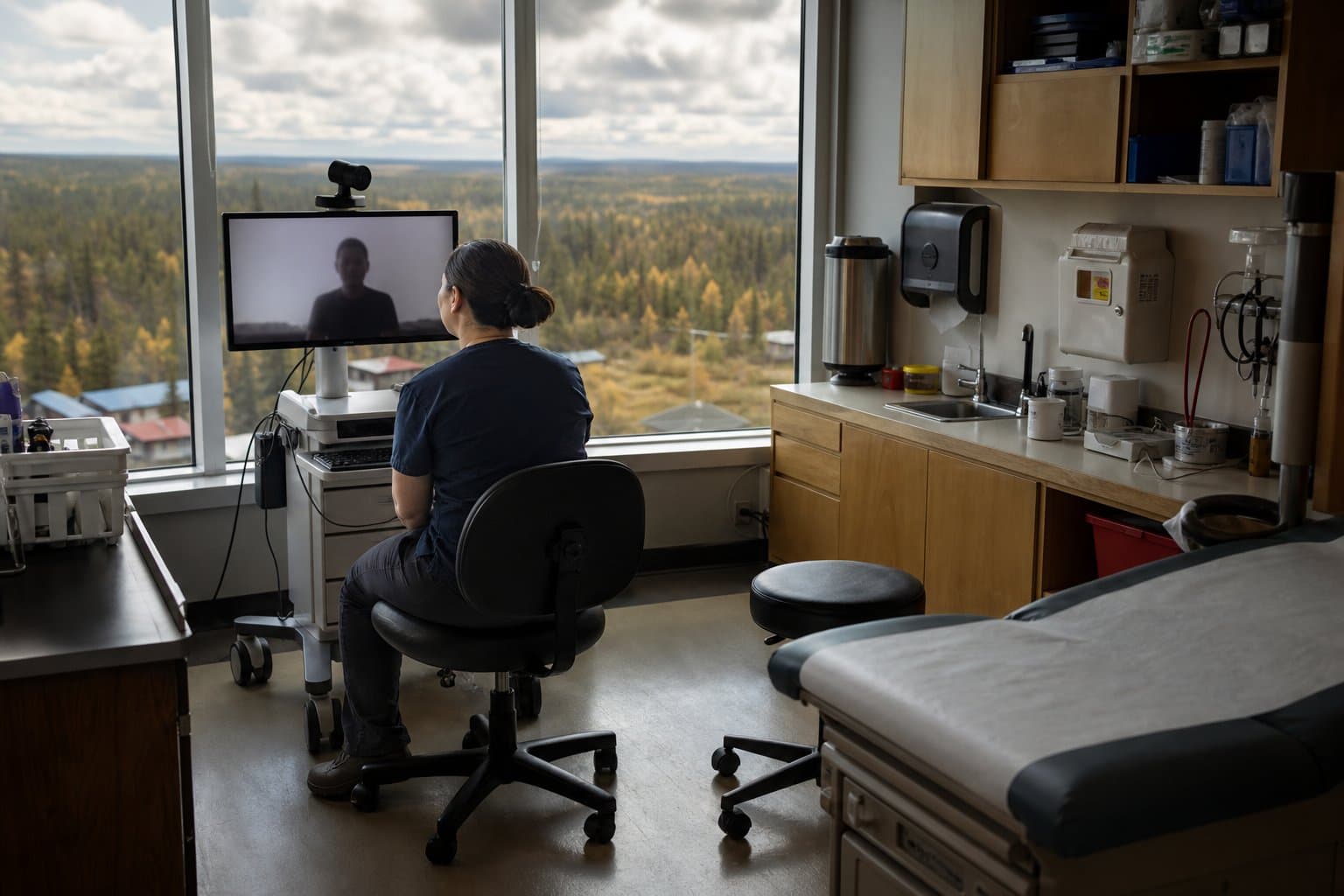
Nearly all the money in a federal program that helps rural clinics pay for phone and internet connections goes to Alaska, and the Federal Communications Commission is asking how it should change the way those subsidies are set. Comments are due Wednesday.
In funding year 2025, Alaska health care providers received about $276 million of the $285 million committed nationwide by the Rural Health Care Telecommunications Program, or 97%, according to data from the Universal Service Administrative Co., which runs the program. The program covers the difference between what a rural clinic would be charged for a connection and what similar service costs in a city in the same state, so the clinic pays the urban rate.
The key number is the rural rate, and the rules offer three ways to set it. A carrier first looks at what it charges other customers for similar service in the area, then at what other carriers charge. If there's nothing to compare, the carrier can instead submit a cost study showing what the service costs to provide and ask the FCC to approve that rate.
In Alaska, there's usually nothing to compare. Only 34 of 340 approved Alaska requests in funding year 2025 used the first two methods, according to the FCC. The agency says cost studies weren't used at all in the program's first two decades and spread as demand for bandwidth grew, particularly in Alaska.
The proposal the FCC adopted Aug. 6 focuses on those cost studies. The agency says they're burdensome for carriers but have become a common route to a rate rather than the rarely used "safety valve" they were meant to be. It asks how to ease that burden while keeping rates backed by reliable data. It also asks about three alternatives suggested by GCI: using wholesale rates carriers charge each other, reusing previously approved rates or cost models, and projecting rates from similar services at other speeds.
GCI was the provider for 265 approved requests in 2025, according to the FCC. The company told the agency that without a temporary waiver letting carriers reuse previously approved rates, a quarter of its requests would likely need cost studies. In the same action, the FCC extended that waiver through funding year 2027. The agency says program participants used previously approved rates nearly 500 times in 2024 and 2025.
The proposal also asks how to define "similar services" and "comparable rural areas" and whether to publish a list of eligible services, adopt performance measures and drop a requirement that multiyear "evergreen" contracts get advance approval. The Schools, Health & Libraries Broadband Coalition has called that approval step unnecessary.
The rate rules have changed before. In 2019, the FCC replaced carrier-by-carrier rates with a database of median rates for areas grouped by how rural they are. That system was suspended by waivers, first for Alaska and then nationwide, and the FCC repealed it in 2023, restoring the older methods while it considered long-term changes.
Replies to comments are due Oct. 30. Filings go in WC Docket No. 17-310 through the FCC's Electronic Comment Filing System.
Source: Nine years, 679 filings, and one commissioner who said in 2019 that nobody had modelled what the new Alaska rates would do ().
Drafted with AI. Edited by Cale Green (1 revision). Reviewed by Cale Green. Who is accountable.
Stay informed. Support what matters.
Free, permanent access to local news you can verify. Subscribe to support Walter AlaskaNews and go ad-free.
Related Coverage
FCC weighs new ways to set prices for rural Alaska clinics' internet and phone service
Alaska News · 2d ago
The FCC review that could end E-Rate is filed under children and screens
Alaska News · 1w ago
Alaska schools fight FCC proposals that could cut their internet lifeline
Alaska News · 1mo ago
A rural Alaska phone company says a subsidy cut costs $185 per connection
Alaska News · 1mo ago
Alaska schools could face a choice between internet and teachers if a federal subsidy is cut
Alaska News · 1mo ago
Comments
Sign in to leave a comment.
No comments yet. Be the first to share your thoughts.