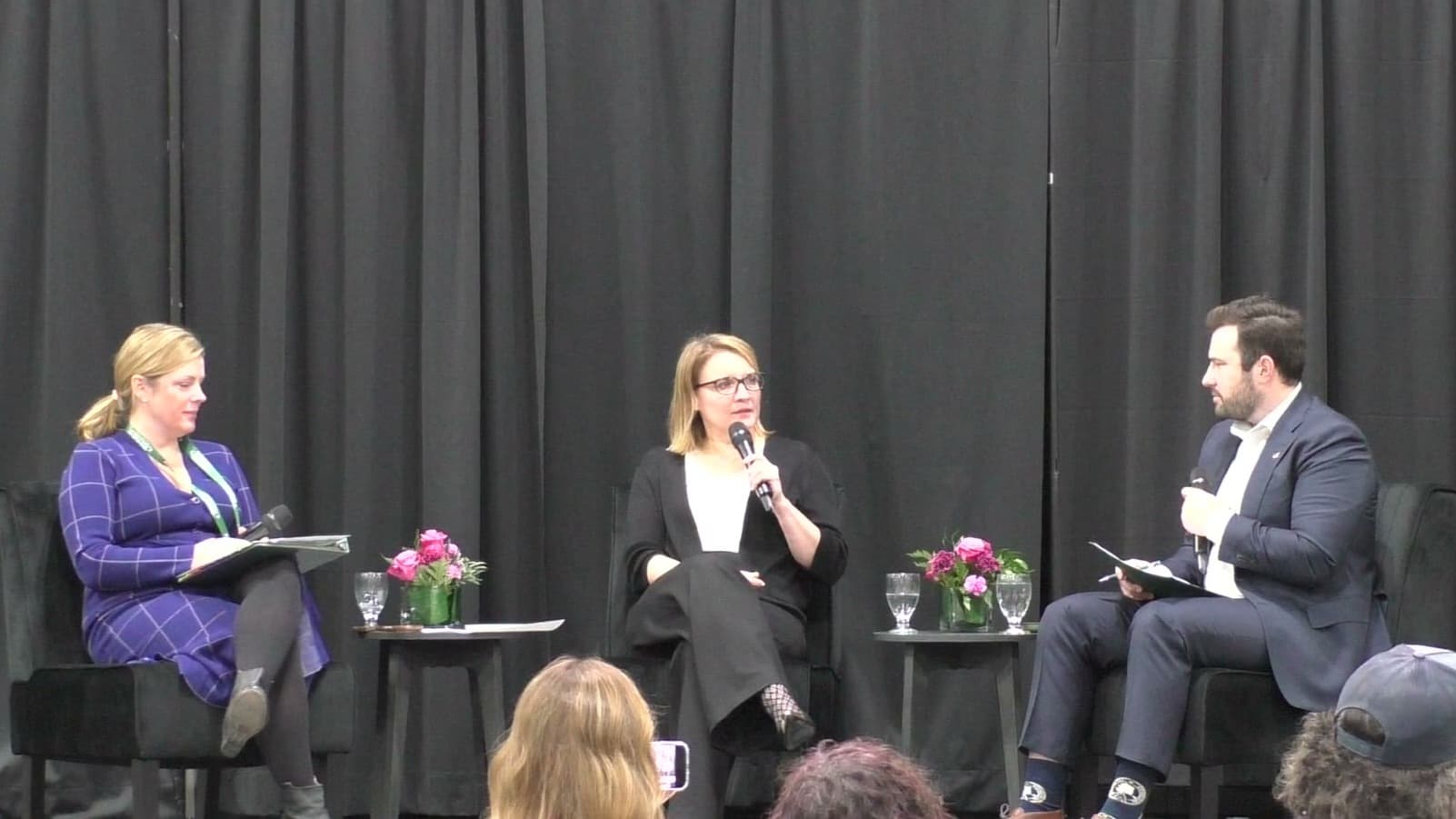
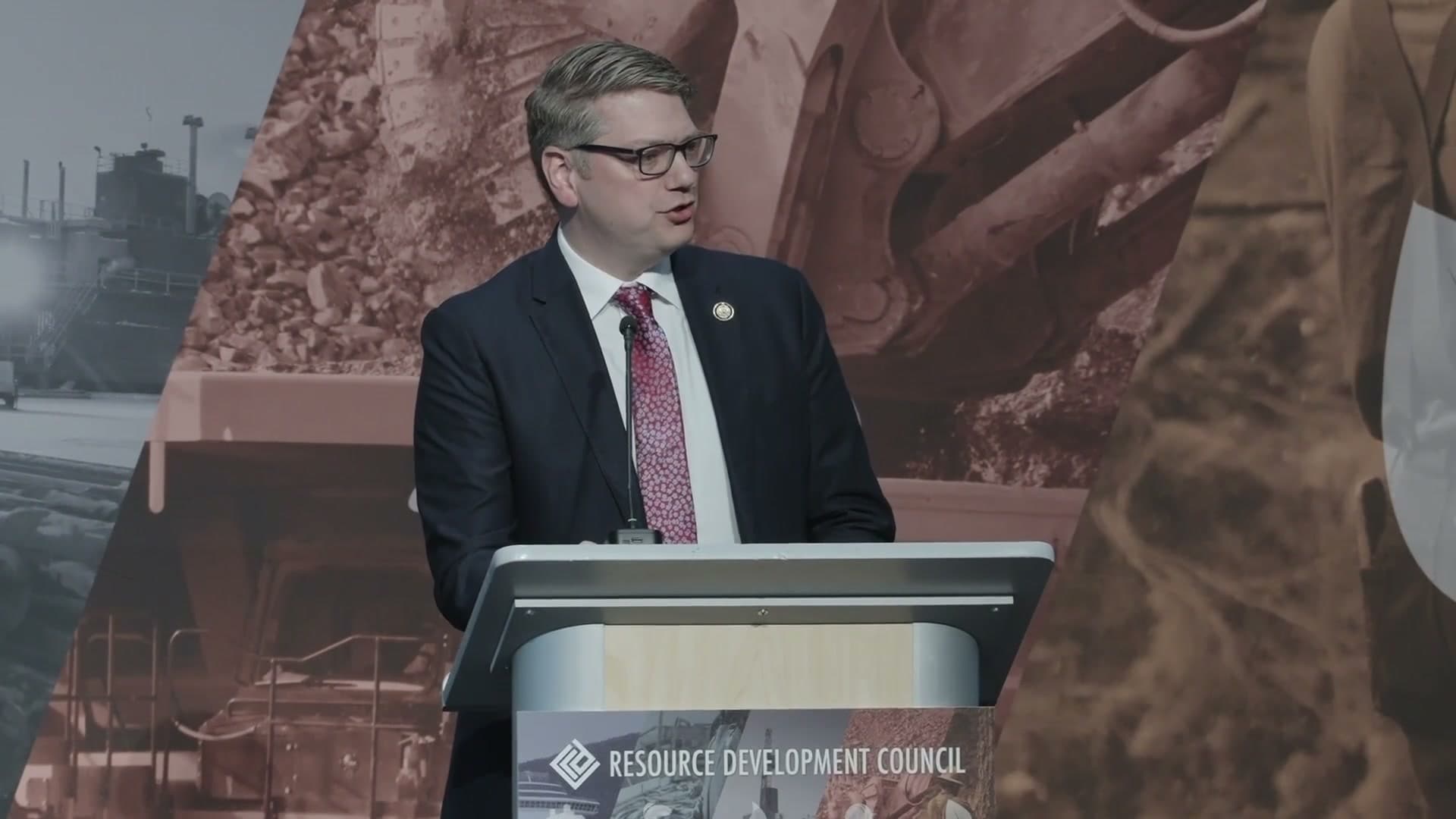
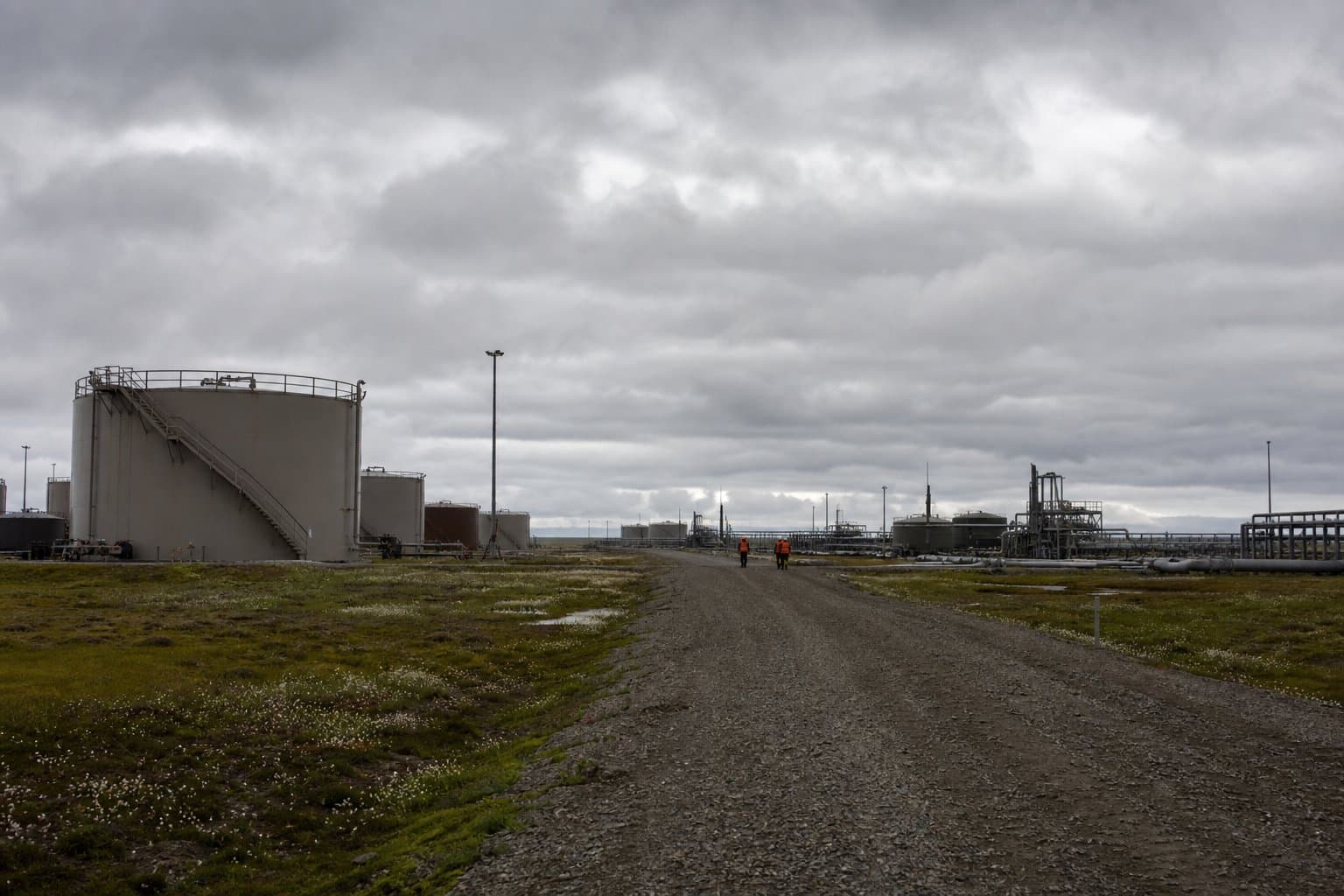
Frame from "RDC: S1240004" · Photo source
EPA official says Zeldin connected Fairbanks garages with experts on cold diesel failures
The EPA's top official for Alaska and the Pacific Northwest said Thursday that the agency's chief, Lee Zeldin, put Fairbanks garages "in a room with the experts in Michigan" after they told him about diesel equipment trouble in extreme cold.
Emma Pokon, the EPA's Region 10 administrator and a former state environmental conservation commissioner, spoke at the breakfast the Alaska Miners Association and the Resource Development Council for Alaska hold each year during the miners' convention at the Dena'ina Center in Anchorage.
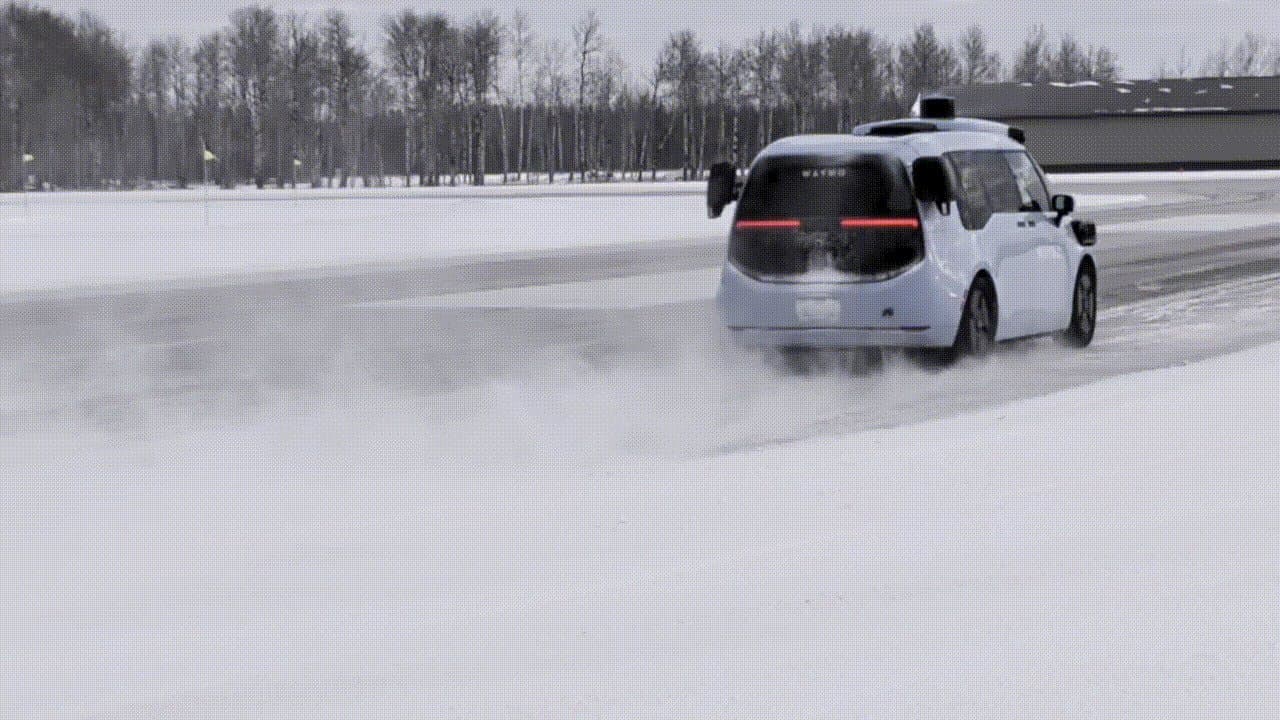
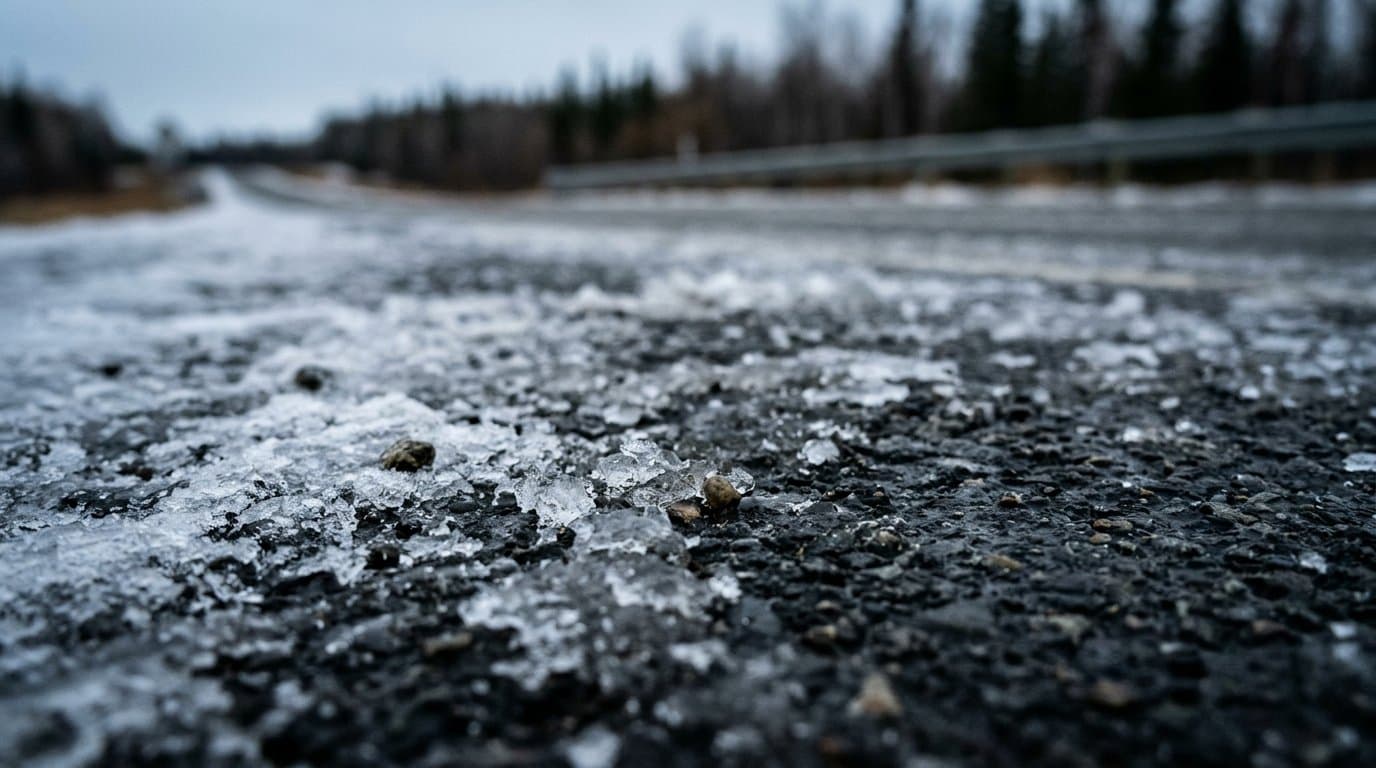
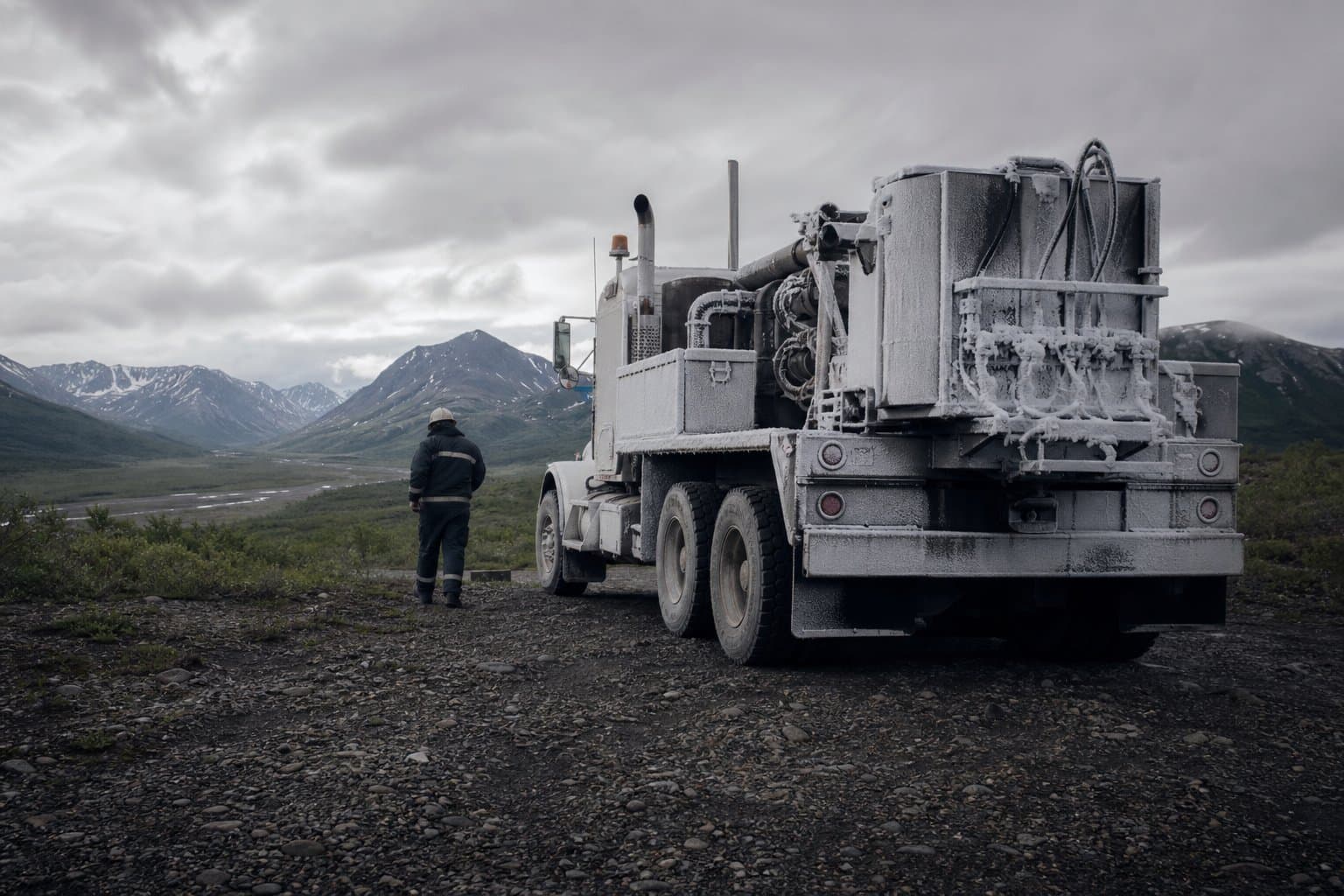
The trouble centers on diesel exhaust fluid, which modern diesels spray into their exhaust to cut nitrogen oxide pollution. It freezes at about 12 degrees. When the system detects low or bad fluid, a faulty part or tampering, the engine can cut power or shut down, called a derate. Derates exist to push operators to keep emissions controls working. But in deep cold, frozen fluid, heater failures and false sensor readings can trigger them on engines that otherwise run fine.
For Alaska, that can mean a plow or a truck losing power far from help. State Transportation Commissioner Ryan Anderson told senators in March that 70% to 80% of his department's diesel-engine maintenance problems over two years involved emissions systems.
Zeldin visited Fairbanks with Pokon in early March, and the EPA listed "DEF system failures" among the topics. Pokon said the garages he met there described cold-weather problems that hadn't come up in other places where the fluid was a concern.
"Oh, this is news," was his reaction, she said. She didn't say who the experts were, but the EPA's national vehicle emissions lab is in Ann Arbor, Michigan. The experts are meant to sort out "what technically is actually happening with this equipment that's causing these issues and how can we solve it."
She said there are limits. "There's going to be sideboards on what we can accomplish under our existing statutory authority," she said. She said enforcement had brought the issue to a head, though she didn't say what enforcement, and that congressional offices flagged it early.
The EPA has already moved nationally. Under Zeldin it has called on manufacturers to ease derates on existing engines and told them they can swap out the fluid-quality sensors it blames for many false faults. In July it proposed replacing derates on newly built diesel engines with warnings. The proposal would let manufacturers silence those warnings below 12 degrees and asks whether some places or uses should get exemptions. It isn't final.
Congress is weighing a separate fix. Sen. Dan Sullivan's Cold Weather Diesel Reliability Act would have the EPA let manufacturers suspend derates at or below 20 degrees, and permanently for farm equipment and for vehicles used mainly north of the 59th parallel, which takes in Anchorage, Fairbanks, Bethel and Nome but not Southeast, Kodiak or the Aleutians.
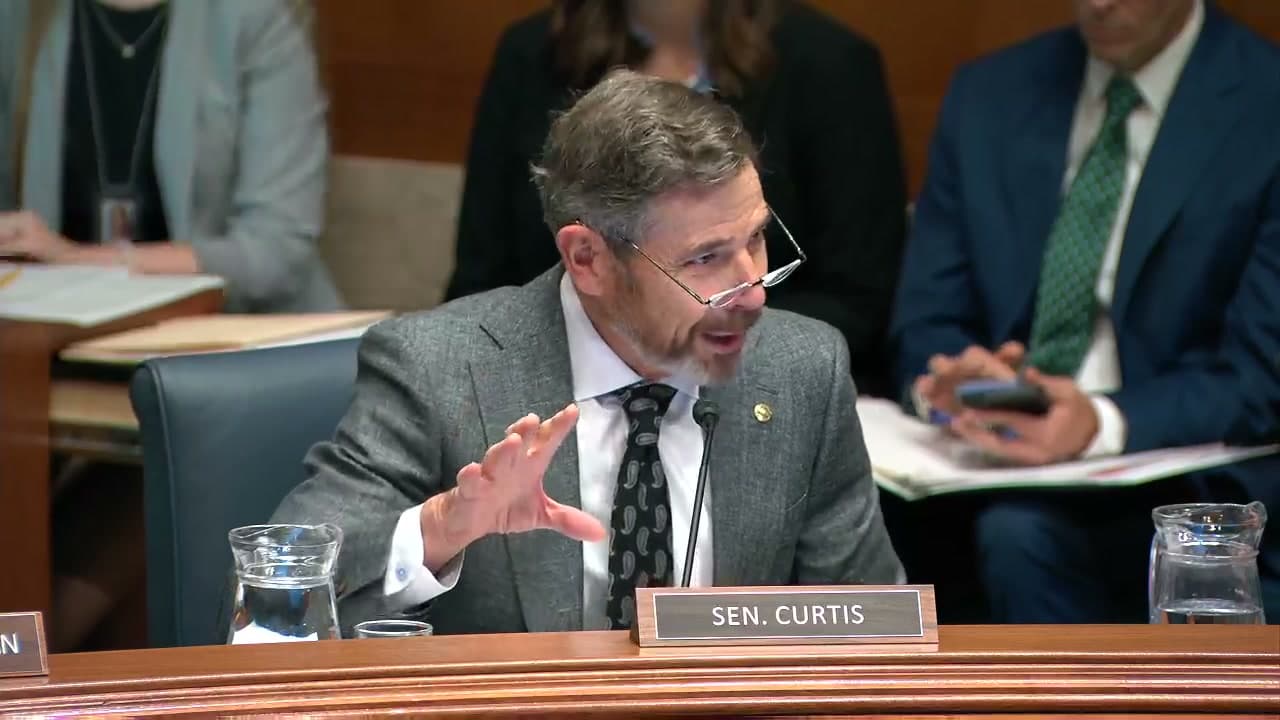
A Senate committee advanced it 10-9 in September. Sen. Sheldon Whitehouse of Rhode Island, the committee's top Democrat, voted no, calling the bill too broad. Sullivan has said he wants a bipartisan path before it reaches the Senate floor.
What did you make of this story? (no account needed)
Made by our human newsroom with AI. Reviewed by Cale Green. How humans and AI work here · Grow with our newsroom · Transcript byWalter AlaskaNews
Get Alaska News in your inbox
Create your free account and get the day’s top stories around 6 each morning, in a few minutes’ read.
The day's top stories around 6 each morning. Unsubscribe in one click.
This article is based on a public meeting of Resource Development Council for Alaska — RDC: S1240004 ().





Comments
Sign in to leave a comment.
No comments yet. Be the first to share your thoughts.