AI image
Fairbanks borough mayor proposes capping whole-home short-term rentals
Fairbanks North Star Borough Mayor Grier Hopkins has proposed capping the number of whole homes that can be rented out short term, saying the rentals have shrunk the area's housing supply.
His ordinance would also require every short-term rental in the borough to register, at $250 for each room separately available for rent, and to post its registration number on every online listing. The Assembly is scheduled Nov. 12 to send it to the Planning Commission, which would have 90 days to make a recommendation before the Assembly takes it up again.
The cap would apply to what the ordinance calls Type 1 rentals: an entire house, cabin, apartment or condo, including a guest house or attached apartment at the owner's own home. The cap would start at the number of borough registrations in effect on July 1, 2027. Each year after that, it could grow by 20% of the new housing units built in the borough the year before. For every 100 new units, the cap would rise by 20.
Renting out part of a home the owner lives in, such as a spare bedroom, wouldn't count toward the cap. Neither would rentals in areas without electric utility service.
In a memo to the Assembly, Hopkins wrote that the widespread conversion of long-term rentals into short-term rentals has "constrained the already tight Fairbanks residential rental market considerably" and kept homes off the market that might have been sold to residents. Foundation Health Services, the University of Alaska Fairbanks and Eielson Air Force Base have had to take "extraordinary measures" to house their employees and members, he wrote.
Hopkins also wrote that rental platforms have helped fill a need for visitors in a community with strong tourism demand year-round, and that "many short-term rental operators are conscientious and good neighbors." The ordinance, he wrote, would allow for "their benefits to our tourism market" while attempting to stem "their depletion of long-term housing stock."
Some operators have, "knowingly or unknowingly," not followed borough rules on property tax exemptions or the room tax charged on lodging, Hopkins wrote. The ordinance says some rentals aren't registered or paying room tax, and that the borough had opened 20 code enforcement cases as of October.
The number of short-term rentals rises and falls with the seasons and the tourism economy, the ordinance says. The borough's draft comprehensive plan counted 729 in May, out of 42,695 housing units in the borough, and put the highest estimate at around 1,400. About 97% are entire homes or apartments, and 44% are standalone single-family houses, according to the ordinance's estimates. About 46% have one bedroom, and 30% have two.
Average monthly rent in the borough was $1,405 in 2024, not including utilities, up 32% since 2015, the draft plan says. Anchorage rents rose 24% over the same period. Open survey responses for the plan included concerns about housing being converted into short-term rentals, the ordinance says.
Explore Fairbanks President Scott McCray told the North Pole City Council in September that short-term rental listings had thinned out, which he called a needed correction after supply outran demand.
Right now, short-term rental operators outside the cities of Fairbanks and North Pole must register with the borough to collect its 8% room tax, and those inside the city of Fairbanks register with the city.
Under the ordinance, every short-term rental, including those inside both cities, would have to register with the borough by June 30, 2027, and show that it complies with zoning. Registrations would last a year and end when the property is sold or transferred.
Owners who rent out an entire home they live in would have to acknowledge that the home would lose its residential homeowner exemption on property taxes. Leaving the registration number off a listing, or breaking the new standards, would bring a $500 fine after a warning for a first offense.
The borough's zoning code now treats short-term rentals like any other home. The ordinance would list them as their own use for the first time, allowed in rural and single-family residential zones. If the Assembly adopts it, the ordinance would take effect March 1, 2027.
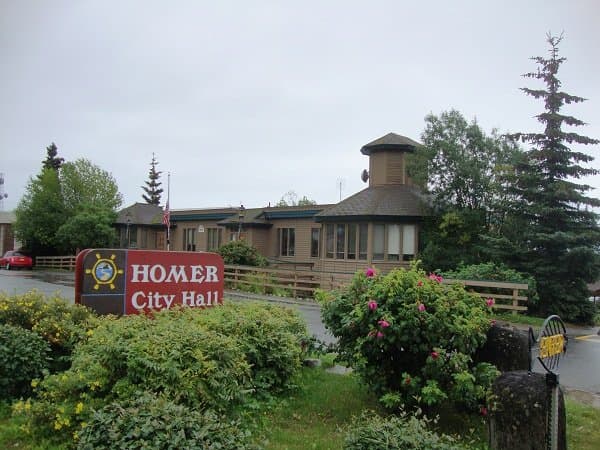
Other Alaska communities have been weighing the same questions. Anchorage opened registration for short-term rentals in May, with no fee, and allows them in all residential zones. A Juneau Assembly committee weighed limiting them to one per owner in April. In September, Homer's economic development commission recommended allowing them in four residential zones only at the operator's primary home, though its draft said short-term rentals affect housing but are not a primary driver of the city's housing problems.
What did you make of this story? (no account needed)
Made by our human newsroom with AI. Reviewed by Cale Green. How humans and AI work here · Grow with our newsroom ·
Get Alaska News in your inbox
Create your free account and get the day’s top stories around 6 each morning, in a few minutes’ read.
The day's top stories around 6 each morning. Unsubscribe in one click.
Source: Fairbanks North Star Borough Assembly, Fairbanks North Star Borough Assembly: Fairbanks North Star Borough — Borough Assembly: Agenda (2026-11-12).












Comments
Sign in to leave a comment.
No comments yet. Be the first to share your thoughts.