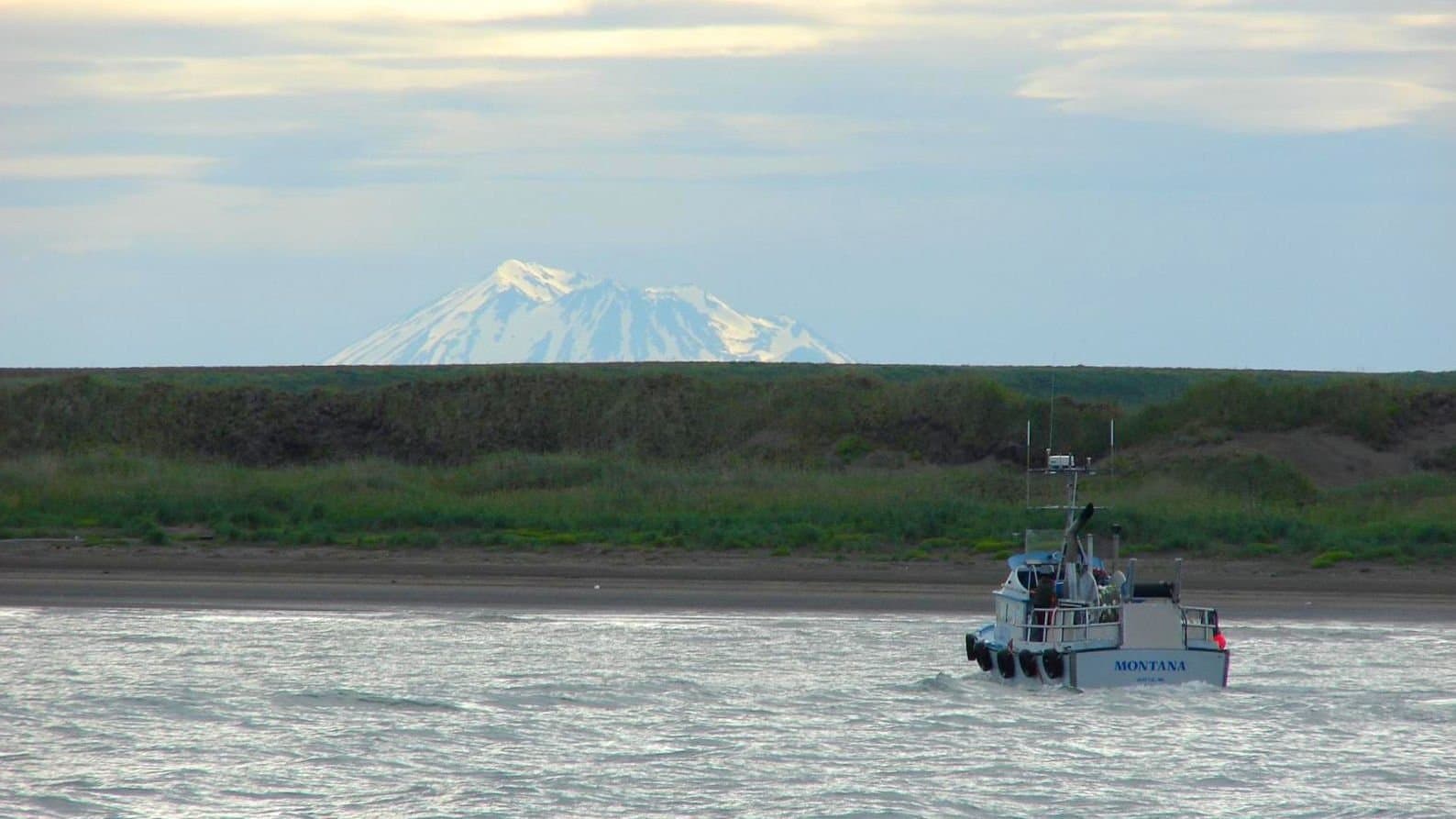
Photo: echoforsberg via Wikimedia Commons · Photo source · CC BY 2.0
Bristol Bay red king crab move farther west in warmer years, satellite study finds
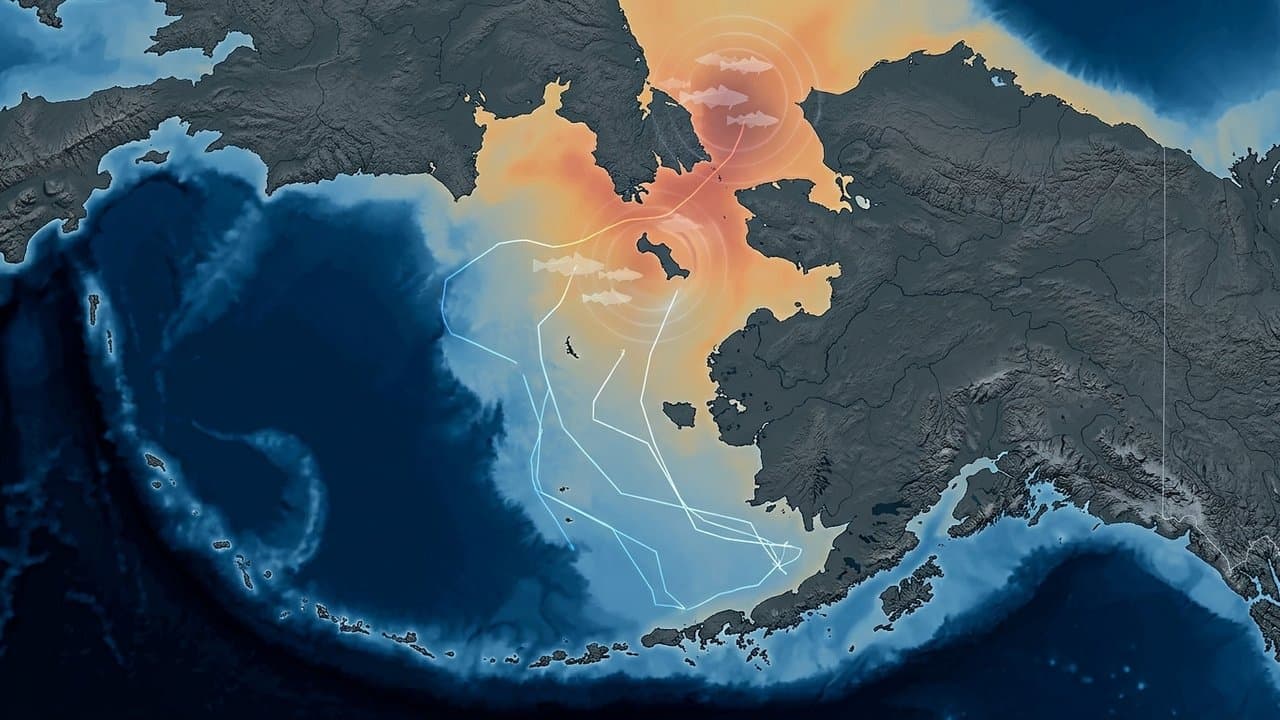
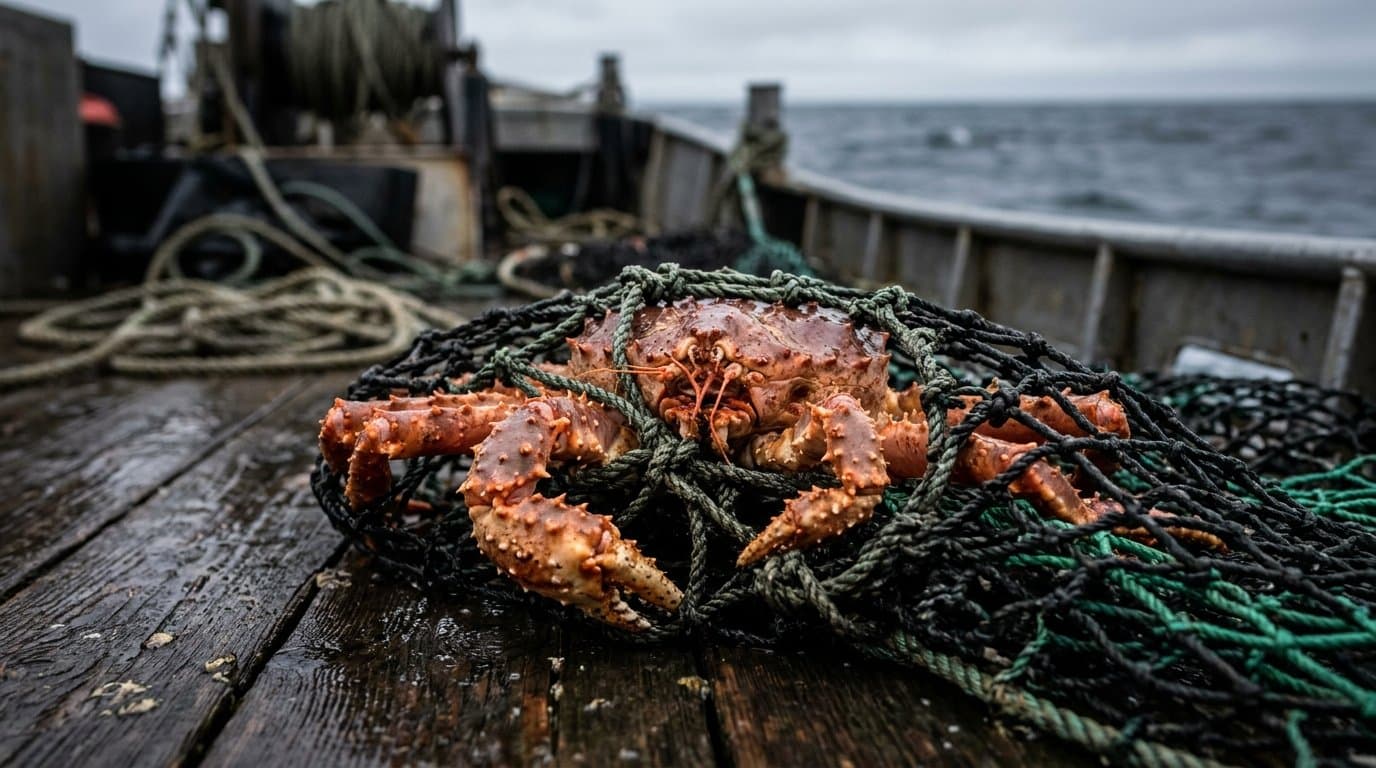
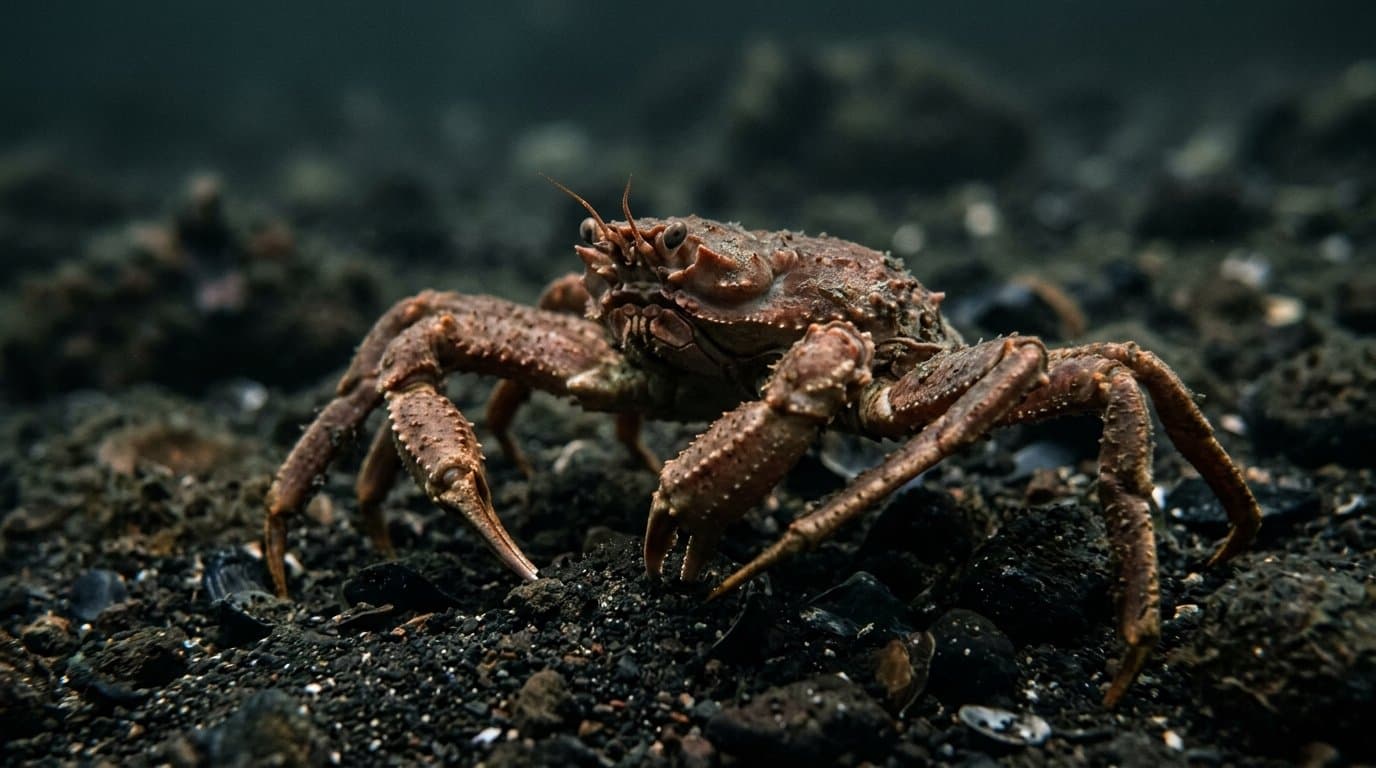
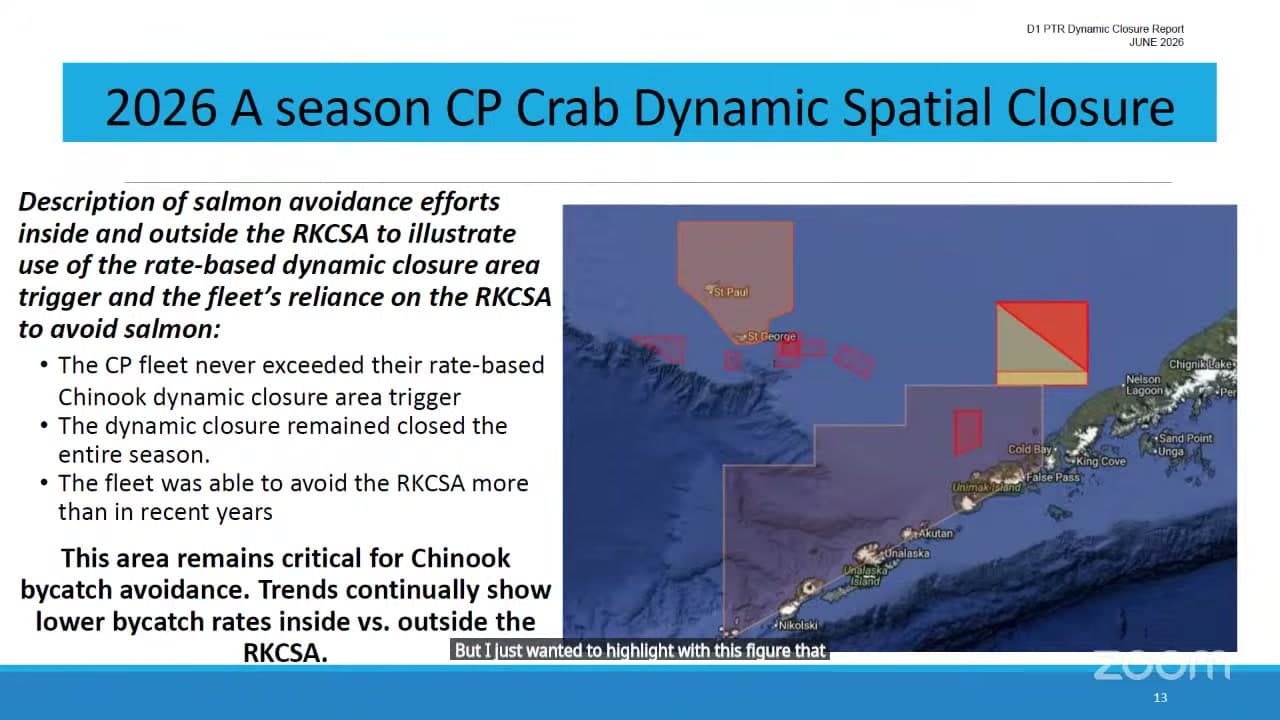
Mature male red king crab in Bristol Bay move farther west in years with warmer bottom water, according to a satellite tagging study NOAA Fisheries highlighted this week. NOAA says the findings will help managers evaluate current closure boundaries, including the Red King Crab Savings Area, a Bristol Bay block closed to bottom trawling since the mid-1990s.
Researchers attached pop-up satellite tags to crab during NOAA's eastern Bering Sea bottom trawl surveys from 2021 to 2024. The tags were programmed to release and float to the surface Oct. 11-15, just before the commercial fishery's usual Oct. 15 opening.
The researchers' movement models predicted the crab generally moved west or southwest by fall, into deeper and cooler water in central Bristol Bay. Lead author Sean Hardison, a University of Alaska Fairbanks research associate, said the predictions generally matched catch data from the fall fishery.
Co-author Erin Fedewa, a NOAA Fisheries biologist, said "our findings suggest that dynamic, rather than static, spatial closure boundaries may be more effective for red king crab." Hardison said the results "don't prescribe new closure boundaries" but show how movement, survey and environmental data can be combined to identify important crab habitat and test proposed changes.
The North Pacific Fishery Management Council has asked the Bering Sea pollock fleet to continue voluntary dynamic crab closures in and around the savings area during the 2027 pollock A season, while keeping salmon bycatch avoidance its top priority. As Alaska News reported June 9, bycatch was minimal while the 2026 test closures were active.
NOAA says researchers are applying the approach to other seasons. Winter and spring, when crab mate and molt and are more vulnerable, are future targets.
Based on a press release.
Made by our human newsroom with AI. How humans and AI work here · Grow with our newsroom
Stay informed. Support what matters.
Free local news you can verify. Support Bill AlaskaNews and go ad-free.





Comments
Sign in to leave a comment.
No comments yet. Be the first to share your thoughts.