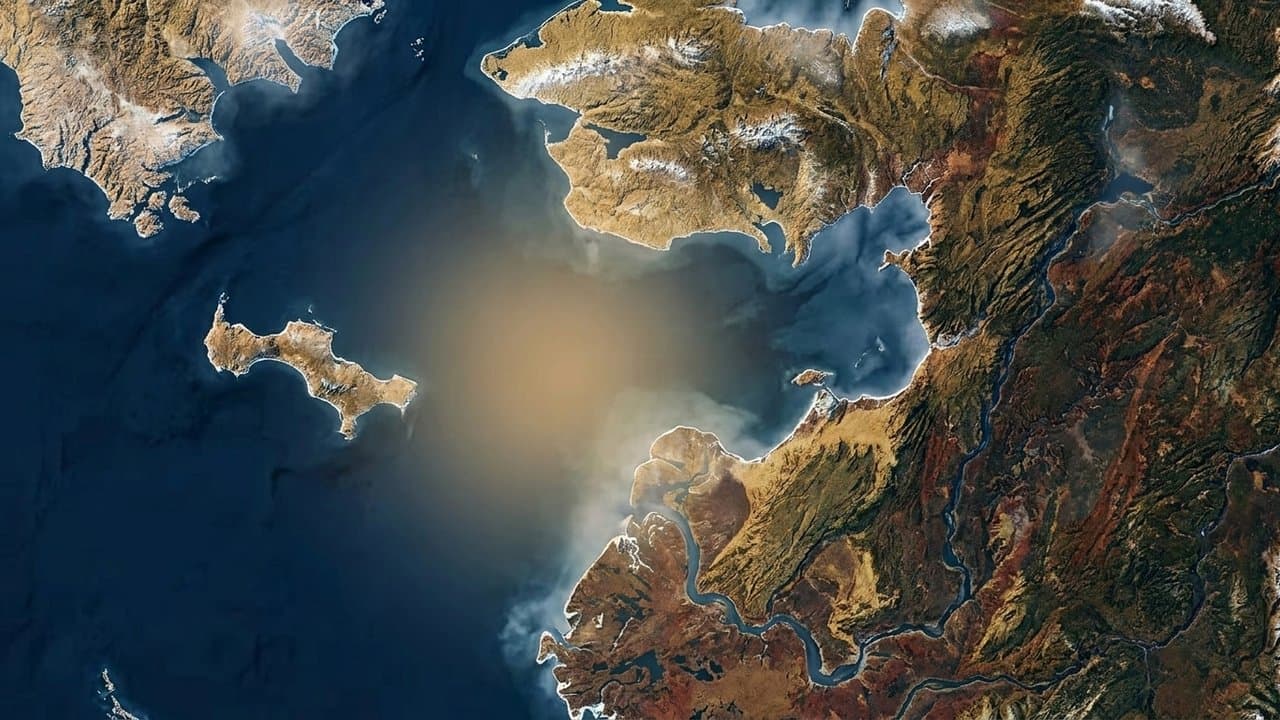
Editorial map (Gemini + Google Maps)
NOAA invites tribes to weigh in on Norton Sound red king crab limits
NOAA Fisheries on Friday invited tribes and Alaska Native corporations to consult on next year's catch limits for Norton Sound red king crab, a fishery whose ceiling was cut by about a third this year.
The North Pacific Fishery Management Council will take up those limits at its November-December meeting, along with groundfish limits for the Bering Sea, Aleutian Islands and Gulf of Alaska. NOAA said tribes can also ask for consultation on any council or federal action they consider to have tribal implications.
For 2026, the council capped the Norton Sound catch at 135 metric tons, or 298,000 pounds, down from 199 metric tons in 2025, according to its December 2025 and December 2024 newsletters. The stock assessment found it is not overfished.
The state set this year's commercial harvest target at 268,000 pounds.
Last December, the council also asked for more analysis of how to handle fishing capacity among boats 32 feet and shorter, which are exempt from the federal license larger crab boats need.
The summer fleet went past its share. Crabbers landed about 297,000 pounds in the 10-day June season, 11% over the summer quota, worth $3.5 million, Alaska News reported in September. Thirty-one boats fished, and the crab averaged 3.7 pounds apiece, a record for the summer fishery.
The winter fishery took 17,697 pounds, just over three-quarters of its quota.
The Seward Peninsula Regional Advisory Council, which advises federal managers on subsistence, has said current management isn't meeting local subsistence needs, Alaska News reported in September.
Norton Sound crab limits are set on their own schedule, apart from the other Bering Sea crab stocks the council took up in October. Because the commercial fishery opens in early February, the assessment runs off-cycle, and final numbers come later in the year when newer data are in, Katie Palof of the Alaska Department of Fish and Game told the council in June.
Based on a press release.
Made by our human newsroom with AI. Reviewed by Cale Green. How humans and AI work here · Grow with our newsroom
Stay informed. Support what matters.
Free, permanent access to local news you can verify. Subscribe to support Maggie AlaskaNews and go ad-free.
Related Coverage
NOAA will stop briefing Alaska tribes before every council meeting
Alaska News · 1mo ago
Council advisers back Bering Sea crab ceilings after the state already set its catches
Alaska News · 2w ago
State reviews Bering Sea crab catch calculations Wednesday
Alaska News · 2w ago
Rules on remote Alaska communities' fishing quota return to council
Alaska News · 1mo ago
North Pacific council raises Tanner and Bristol Bay red king crab limits, keeps snow crab in rebuilding
Alaska News · 2w ago
Comments
Sign in to leave a comment.
No comments yet. Be the first to share your thoughts.