Gwen Holdmann
Chief Scientist · Alaska Center for Energy and Power
8 articles · 3 transcripts · 8 clips
Affiliations
Regulators raise Golovin's power credit 17 cents a kilowatt-hour as fuel costs climb
“the power cost equalization only covers about a third of the kilowatt hours that are sold in rural Alaska”

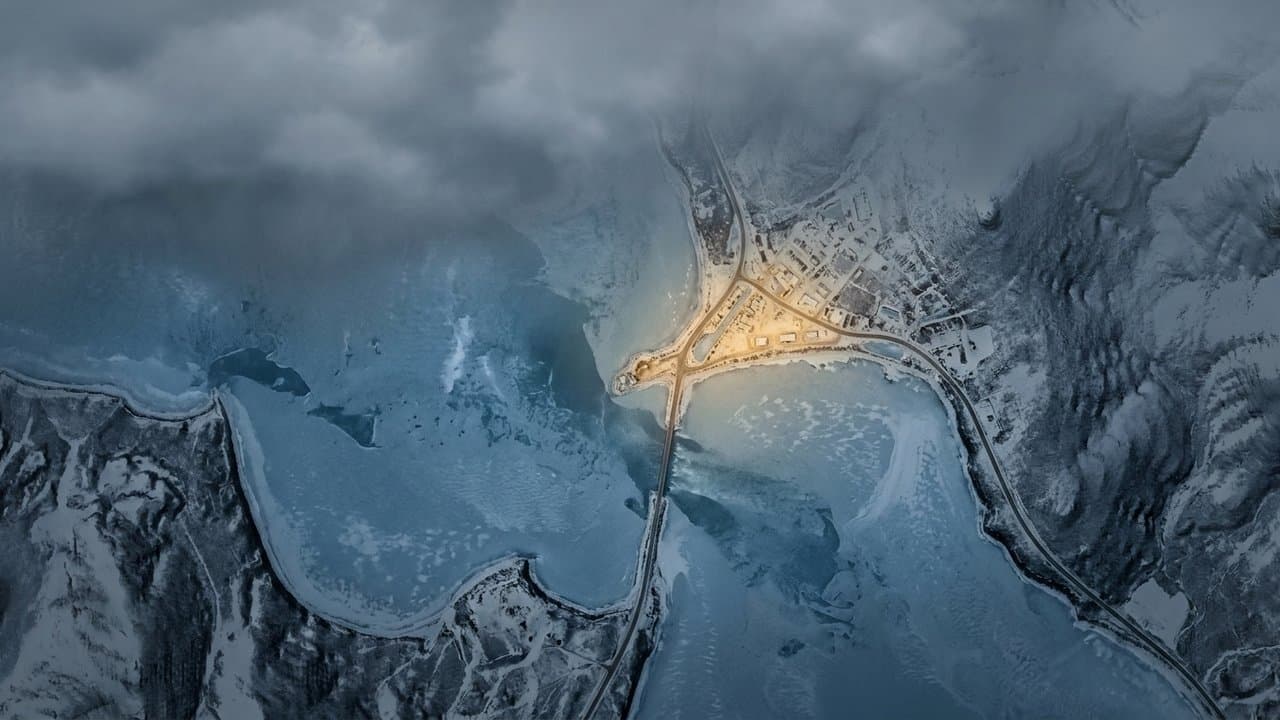
Army has no date for a Fort Wainwright microreactor as experts flag permafrost
The Army still has no date for a microreactor at Fort Wainwright. Its Arctic workshop says testing how to set one on permafrost is a high near-term priority.
New book on Alaska's microgrids collects stories of the people behind them
“in some danger of being lost because a lot of our innovators are retiring and leaving and, you know, sadly passing away. And Diane did pass away.”


Rose, Holdmann say Southcentral gas imports look unavoidable and urge state policy
“seems pretty unavoidable”

Alaska's Off-Grid Communities Face Rising Diesel Costs as Governor Promotes Solar Alternative
Alaska Governor Dunleavy urged the state's 220-plus off-grid communities to adopt solar power paired with batteries and diesel backup to cut fuel costs as diesel prices rise for winter orders.


Rural Alaska fuel prices could hit $25/gallon, lawmaker warns
Rural Alaska fuel prices could reach $20 to $25 per gallon this year, potentially costing western Alaska up to $500 million in additional costs, state Sen. Lyman Hoffman warned Friday.

Alaska Energy Survey Shows Strong Support for Renewables, Mixed Views on Nuclear
Survey shows 70% of Alaskans support renewable energy and natural gas pipelines, but backing drops if costs rise or state investment is needed. • Rural Alaska faces energy crisis. Fairbanks burned 250,000 gallons of diesel daily last winter when natural gas power became unavailable. • Nuclear awareness grew from 25% to 40% between 2023 and 2025, with support rising as residents learned about microreactors.
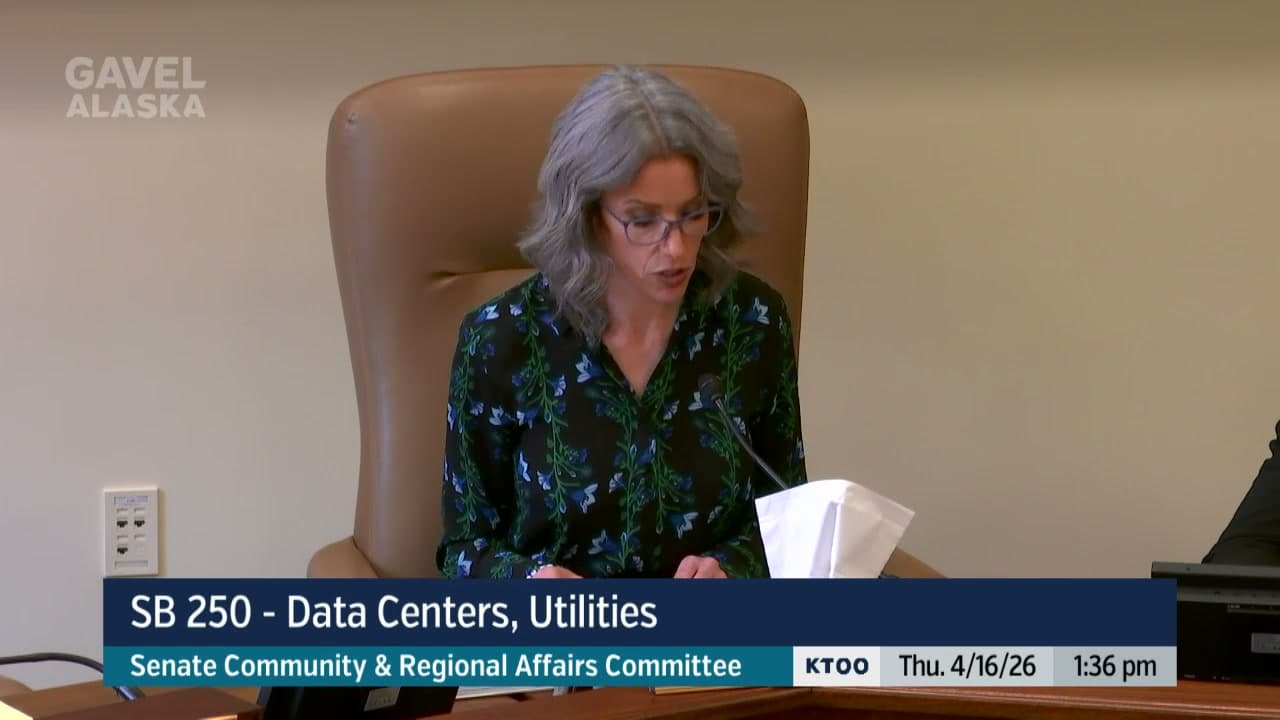
Senate panel hears data center safeguards, tribal education bill
Senate panel heard testimony on a bill requiring data centers to cover their own infrastructure costs and protect Alaska ratepayers from fuel supply risks and rate increases.