
Editorial map (Gemini + Google Maps)
Regulators raise Golovin's power credit 17 cents a kilowatt-hour as fuel costs climb
The Regulatory Commission of Alaska on Thursday raised the state credit on electric bills in Golovin by about 17 cents a kilowatt-hour, to 45.15 cents, after the city's fuel costs climbed.
The new credit applies to bills issued starting Friday. With it, Golovin households will pay about 22 cents a kilowatt-hour for up to 750 kilowatt-hours a month, down from about 39 cents. For a household using 500 kilowatt-hours, that works out to about $109 after the credit, instead of about $195.
The credit comes from Power Cost Equalization, a state program that pays part of power bills in rural Alaska, where electricity often comes from diesel generators and costs far more than in the cities. It covers home use up to 750 kilowatt-hours a month and power for local community facilities, under state law. The credit is figured from how far a community's power costs run above a benchmark the state sets from average home power rates in Anchorage, Fairbanks and Juneau, now 21.85 cents a kilowatt-hour.
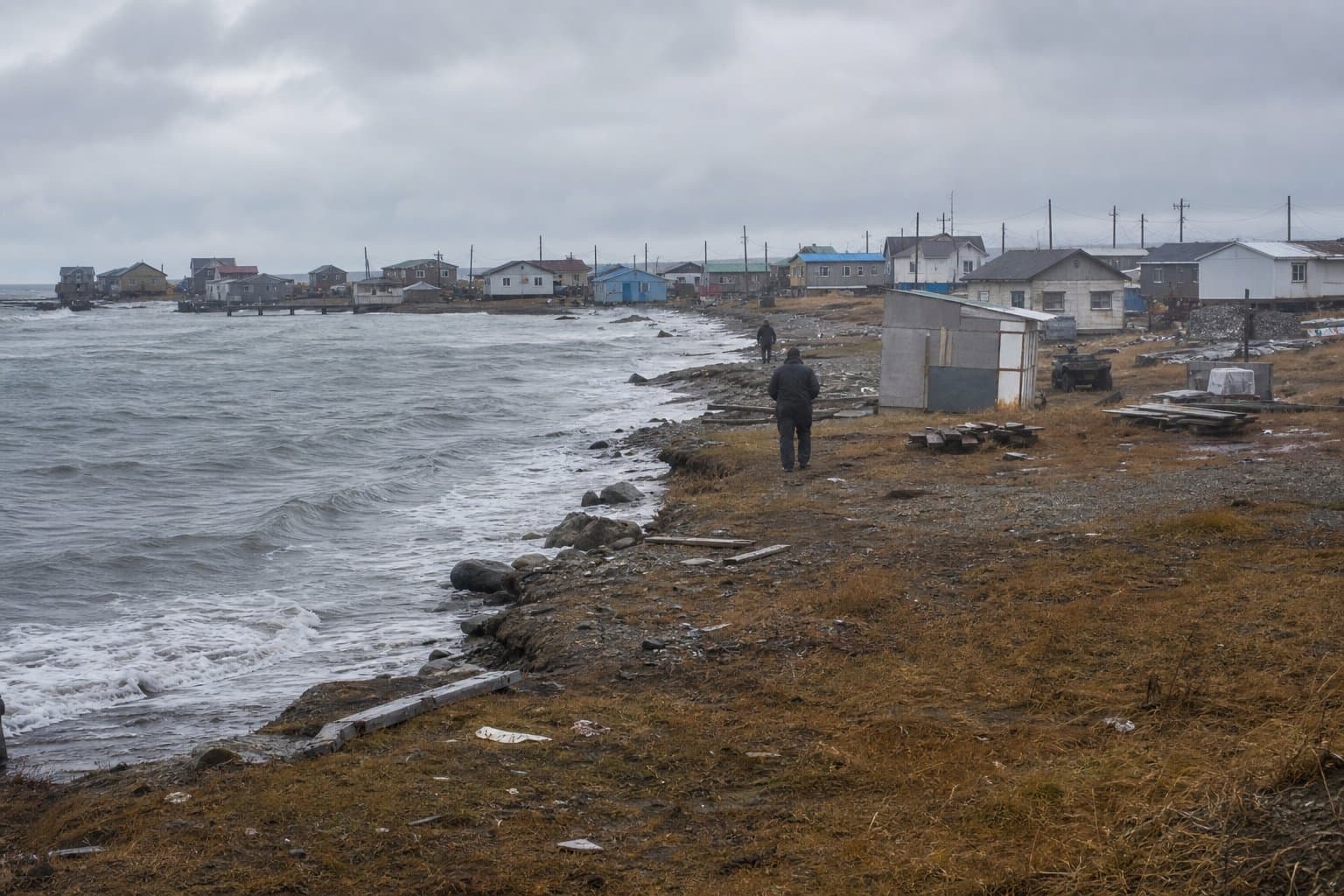
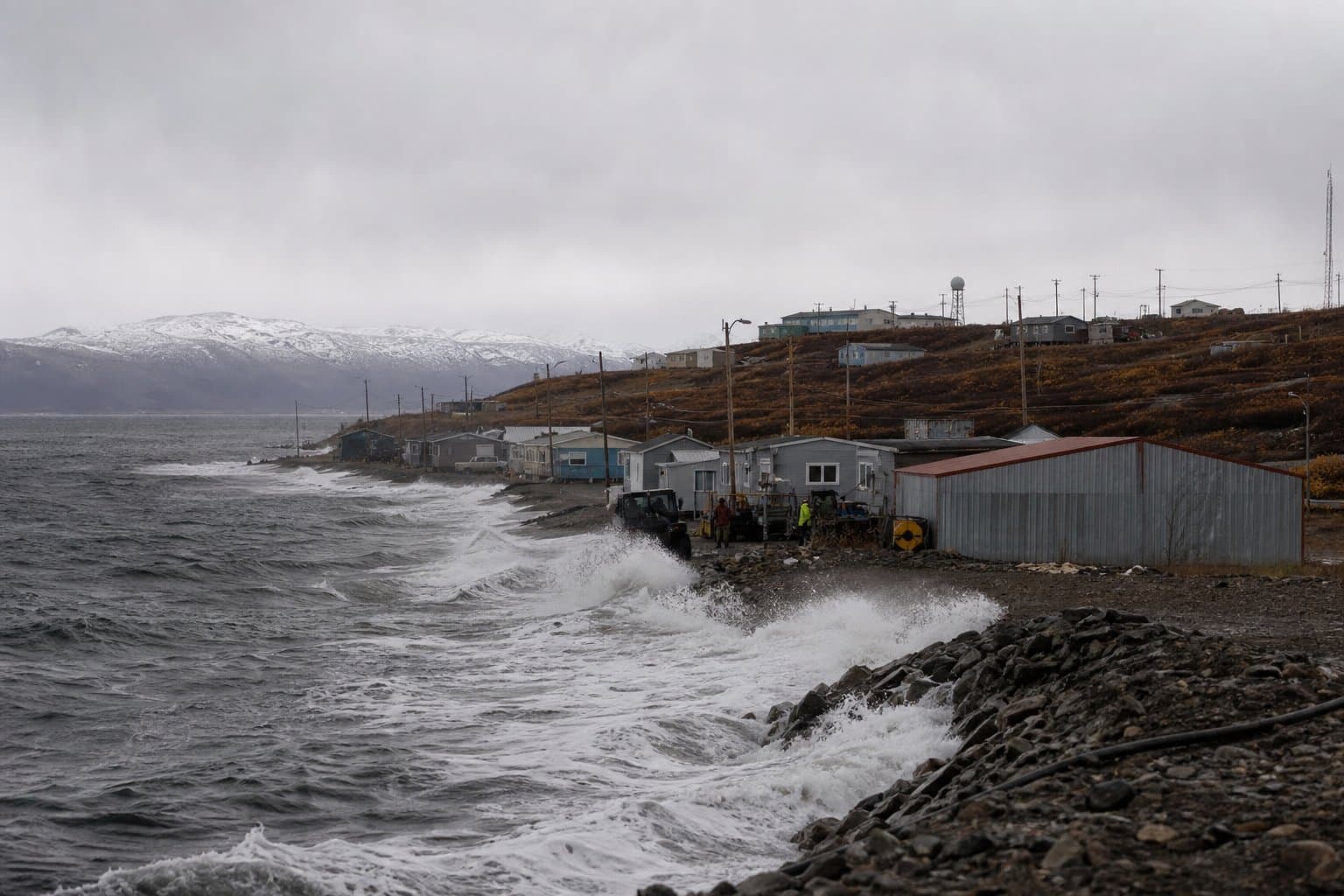
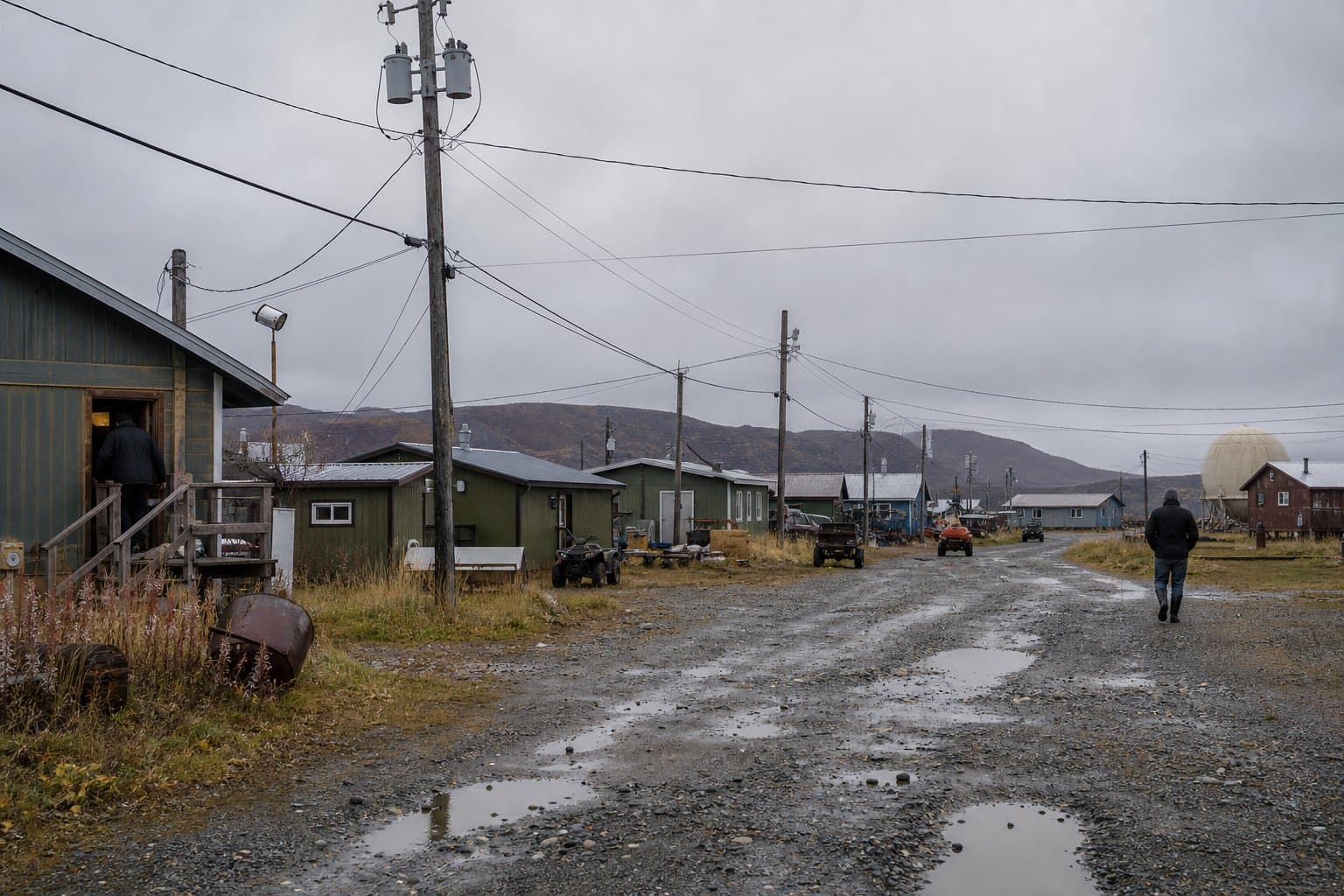
In Golovin, a Norton Sound community where all the power over the past year came from diesel generators, the city-run utility charges 67 cents a kilowatt-hour. Fuel deliveries in July and September cost about $5.35 to $5.50 a gallon, while fuel already on hand was valued at about $3.71, according to the commission's order. The fuel share of the city's power costs rose from about 31 cents to about 51 cents a kilowatt-hour.
The credit can't be larger than the gap between a community's rate and the urban benchmark. In Golovin, that gap is what set the new amount.
Commission staff also found that Golovin's generators fell short of a state efficiency standard. Over the 12 months ending in September, they made 11.25 kilowatt-hours of power per gallon of diesel, below the minimum of 11.5. In the city's previous update, they made 12.94, which met that period's standard of 12.5.
When a utility misses the standard, staff calculate its fuel costs as if its generators had met the standard. Here, they used 84,954 gallons instead of the 86,857 the city actually burned. That didn't change the final credit this time, because the cap set the amount. Staff said they will watch Golovin's efficiency closely and reach out with its next filing if it keeps slipping.
The program covers only part of the power sold in rural Alaska. It "only covers about a third of the kilowatt hours that are sold in rural Alaska," Gwen Holdmann, chief scientist at the Alaska Center for Energy and Power, told the House Resources Committee in April.
What did you make of this story? (no account needed)
Made by our human newsroom with AI. Reviewed by Cale Green. How humans and AI work here · Grow with our newsroom ·
Get Alaska News in your inbox
Create your free account and get the day’s top stories around 6 each morning, in a few minutes’ read.
Top stories, around 6 each morning.
Stories on what you follow, on Sundays.
Source: Regulatory Commission of Alaska.








Comments
Sign in to leave a comment.
No comments yet. Be the first to share your thoughts.