Video Clips
Quoted moments from Alaska public meetings, hearings, and press conferences.

Mitch McConnell
“Core pieces of the President's defense agenda, like multiyear procurement contracts for critical munitions, Half of the F-35 program, Golden Dome, and DROME dominance initiatives are all requested as a one-off reconciliation spending, not a full year base appropriations.”Senate Appropriations Subcommittee on Department of Defense (Murkowski): Hearings to examine proposed budget estimates and justification for fiscal year 2027 for the Department of the Air Force. ·
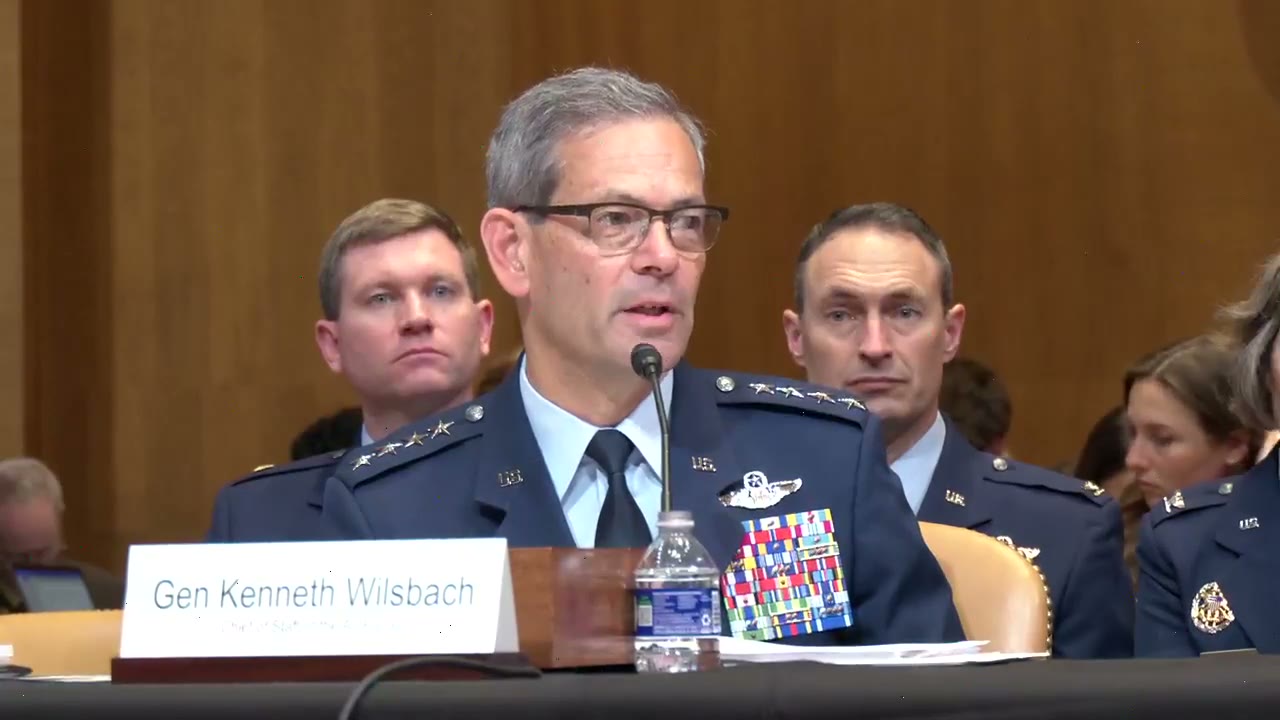
Kenneth Wilsbach
“What that tells us is that when you prioritize the funding for the parts and the weapon system sustainment, the jet flies really well. And that's why in this budget we have $24 billion for weapon system sustainment and $10 billion for flying hours and $4.5 billion for the working capital fund, which funds the necessary parts and weapon system sustainment. A large portion of that is for F-35”Senate Appropriations Subcommittee on Department of Defense (Murkowski): Hearings to examine proposed budget estimates and justification for fiscal year 2027 for the Department of the Air Force. ·

B. Saltzman
“the FY27 budget boosts our top line by 130% and our end strength by 27%.”Senate Appropriations Subcommittee on Department of Defense (Murkowski): Hearings to examine proposed budget estimates and justification for fiscal year 2027 for the Department of the Air Force. ·

Troy Meink
“this budget leverages existing commercial production capacity and takes full advantage of multiyear procurement for our most critical munitions, totaling 39,000 weapons of all types by FY '33.”Senate Appropriations Subcommittee on Department of Defense (Murkowski): Hearings to examine proposed budget estimates and justification for fiscal year 2027 for the Department of the Air Force. ·

Senate Appropriations Subcommittee on Department of Defense (Murkowski): Hearings to examine proposed budget estimates and justification for fiscal year 2027 for the Department of the Air Force. ·

Kenneth Wilsbach
“the F-35 has performed marvelously in Epic Fury. And you're right, the aircraft availability averages out over the course of time at about 50%, but of the jets that we actually had forward performed much, much greater than that.”Senate Appropriations Subcommittee on Department of Defense (Murkowski): Hearings to examine proposed budget estimates and justification for fiscal year 2027 for the Department of the Air Force. ·

Mitch McConnell
“I think it's safe to conclude there will not be another reconciliation bill. So it's really not an option.”Senate Appropriations Subcommittee on Department of Defense (Murkowski): Hearings to examine proposed budget estimates and justification for fiscal year 2027 for the Department of the Air Force. ·

Kenneth Wilsbach
“Weapon systems sustainment funding increased to over $24 billion and flying hours to nearly 10 billion.”Senate Appropriations Subcommittee on Department of Defense (Murkowski): Hearings to examine proposed budget estimates and justification for fiscal year 2027 for the Department of the Air Force. ·

Senate Appropriations Subcommittee on Department of Defense (Murkowski): Hearings to examine proposed budget estimates and justification for fiscal year 2027 for the Department of the Air Force. ·

Troy Meink
“Across the fight, about 60% of that 30,000-plus weapons are coming from there, so that That tells you the level of investment, 60% of the weapons going forward across the fight.”Senate Appropriations Subcommittee on Department of Defense (Murkowski): Hearings to examine proposed budget estimates and justification for fiscal year 2027 for the Department of the Air Force. ·

Cole Scandaglia
“The Teamsters Union continues to support strong prescriptive regulations where warranted. Innovation, regulation, and the workforce need not be in conflict with each other”Senate Senate Commerce, Science, and Transportation Subcommittee on Surface Transportation, Freight, Pipelines, and Safety (Sullivan): Hearings to examine how technological advances are driving transportation innovation. ·

Senate Senate Commerce, Science, and Transportation Subcommittee on Surface Transportation, Freight, Pipelines, and Safety (Sullivan): Hearings to examine how technological advances are driving transportation innovation. ·

Ian Jeffries
“rail needs a regulatory system to keep pace with innovation. Much of today's regulatory structure was developed 5 decades ago and does not reflect modern technologies or operating practices.”Senate Senate Commerce, Science, and Transportation Subcommittee on Surface Transportation, Freight, Pipelines, and Safety (Sullivan): Hearings to examine how technological advances are driving transportation innovation. ·
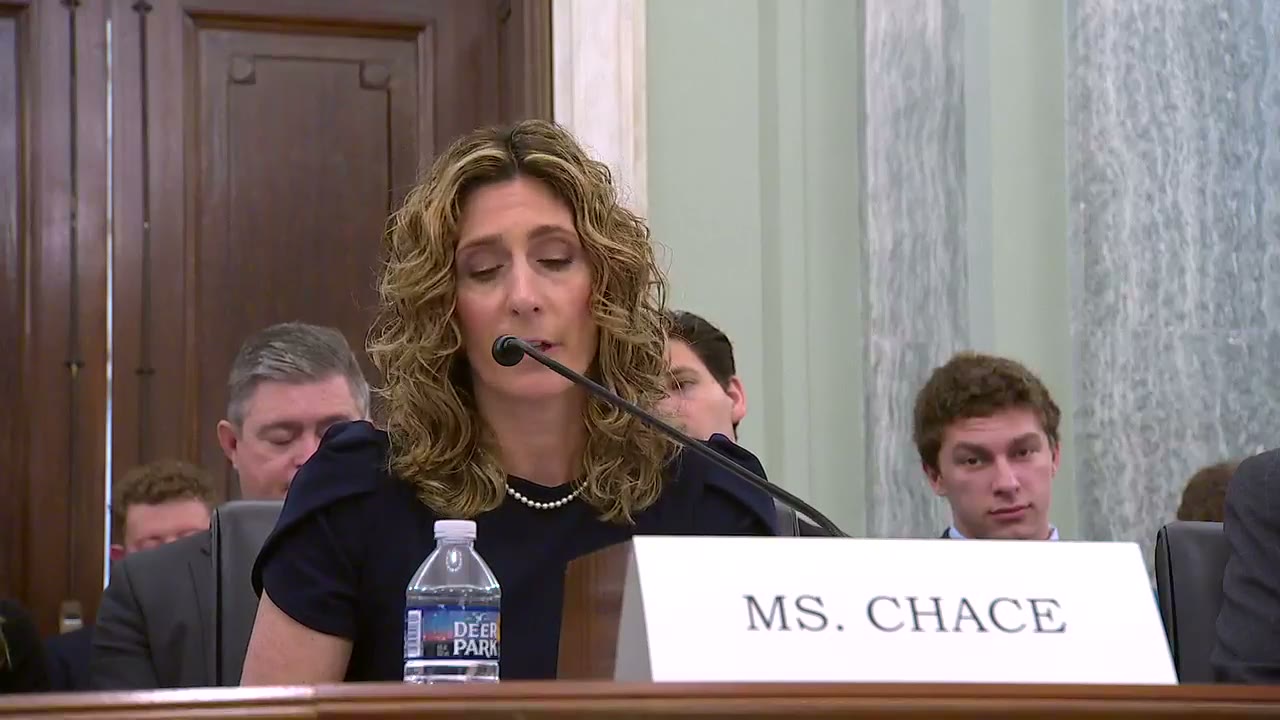
Laura Chase
“Digital technologies must be treated as core transportation elements. They are fundamental to how the system operates and how it performs, and how it delivers outcomes for the American public.”Senate Senate Commerce, Science, and Transportation Subcommittee on Surface Transportation, Freight, Pipelines, and Safety (Sullivan): Hearings to examine how technological advances are driving transportation innovation. ·

Chris Spear
“Congress should solidify the National Highway Traffic Safety Administration's role as the primary authority over motor vehicle safety standards. Trucking is a national industry, and vehicle standards must remain national as well. When states or courts impose equipment standards beyond federal law, it creates a fragmented regulatory landscape”Senate Senate Commerce, Science, and Transportation Subcommittee on Surface Transportation, Freight, Pipelines, and Safety (Sullivan): Hearings to examine how technological advances are driving transportation innovation. ·

Laura Chase
“Federal leadership plays a critical role. A clear national approach to transportation technology will provide direction reduce fragmentation, and give public agencies and private partners alike greater confidence to invest. Establishing consistent national frameworks for areas such as automated vehicles, data privacy, and system interoperability can help ensure that innovation is deployed safely and at scale”Senate Senate Commerce, Science, and Transportation Subcommittee on Surface Transportation, Freight, Pipelines, and Safety (Sullivan): Hearings to examine how technological advances are driving transportation innovation. ·

Chris Spear
“Congress should repeal the 12% federal excise tax on heavy-duty trucks, trailers, and tractors. The century-old tax punishes the purchase of the very vehicles that come with the latest technologies. Adding tens of thousands of dollars to the cost of new equipment discourages fleet turnover, keeps older equipment on the road longer.”Senate Senate Commerce, Science, and Transportation Subcommittee on Surface Transportation, Freight, Pipelines, and Safety (Sullivan): Hearings to examine how technological advances are driving transportation innovation. ·

Chris Spear
“Trucks are business to business, whereas cars are business to consumer. If you're buying a car, you're going to pick the things that you want on that car. If you don't want things that drive technology, you know, you're going to come up short on that. Businesses to businesses will design systems around moving freight more efficiently, more safely, more environmentally friendly.”Senate Senate Commerce, Science, and Transportation Subcommittee on Surface Transportation, Freight, Pipelines, and Safety (Sullivan): Hearings to examine how technological advances are driving transportation innovation. ·

Laura Chase
“what would happen if we don't have federal leadership is we will continue to see fragmented, uneven deployments across the country that really struggle to deliver the system-wide benefits that we know they can to the American public. On the private sector side, right now you have a situation where the private sector is actually asking for that unified national marketplace.”Senate Senate Commerce, Science, and Transportation Subcommittee on Surface Transportation, Freight, Pipelines, and Safety (Sullivan): Hearings to examine how technological advances are driving transportation innovation. ·

Ian Jeffries
“other agencies in the DOT have embraced performance-based regulations, whether it's FAA, whether it's FHWA, whether it's FTA. The FRA, for some reason, has not, you know, really come around to that concept.”Senate Senate Commerce, Science, and Transportation Subcommittee on Surface Transportation, Freight, Pipelines, and Safety (Sullivan): Hearings to examine how technological advances are driving transportation innovation. ·

Cole Scandaglia
“Continuing to permit the unfettered and unregulated operation of autonomous vehicles is a no-win situation for the country. We continue to call Congress to create a binding framework that prioritizes safety, the workforce, and goes beyond weak self-certification regimes.”Senate Senate Commerce, Science, and Transportation Subcommittee on Surface Transportation, Freight, Pipelines, and Safety (Sullivan): Hearings to examine how technological advances are driving transportation innovation. ·

Laura Chase
“Atlanta, Georgia has actually the largest current deployment in the country all throughout the metro area and extending now to the Port of Savannah and actually giving freight signal priority, which is been very successful. Maricopa County, Arizona has a large deployment. Salt Lake City in Utah is coordinating with Colorado and Wyoming.”Senate Senate Commerce, Science, and Transportation Subcommittee on Surface Transportation, Freight, Pipelines, and Safety (Sullivan): Hearings to examine how technological advances are driving transportation innovation. ·

Chris Spear
“Congress should establish and implement a federal framework for autonomous commercial vehicles. These systems hold real promise to enhance safety, improve productivity, and strengthen America's economic competitiveness, but only if deployment is governed by a clear national strategy.”Senate Senate Commerce, Science, and Transportation Subcommittee on Surface Transportation, Freight, Pipelines, and Safety (Sullivan): Hearings to examine how technological advances are driving transportation innovation. ·
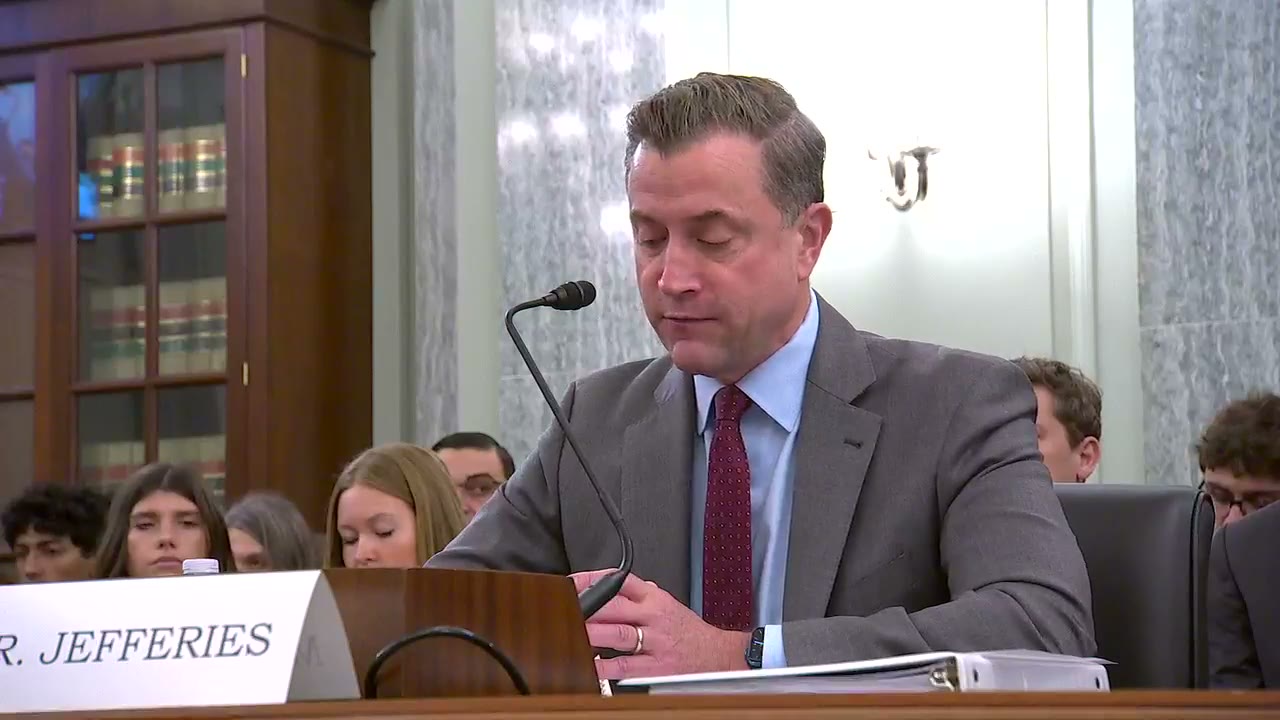
Ian Jeffries
“when policymakers consider technology, I ask that they take a mode-neutral approach to transportation technology. Advanced tools are reshaping freight movement across not only rail, but trucking, maritime, and logistics writ large. And rail should not be treated differently simply because it's an established industry”Senate Senate Commerce, Science, and Transportation Subcommittee on Surface Transportation, Freight, Pipelines, and Safety (Sullivan): Hearings to examine how technological advances are driving transportation innovation. ·

Cole Scandaglia
“One is robust premarket standards at NHTSA, figuring out what has to be on the vehicle to make it safe before it hits the road. The second piece is substantial oversight tools at Federal Motor Carrier Administration to make sure that once there are deployments of these vehicles in a meaningful sense, that Federal Motor Carrier has an idea of how they're functioning and how they're operating”Senate Senate Commerce, Science, and Transportation Subcommittee on Surface Transportation, Freight, Pipelines, and Safety (Sullivan): Hearings to examine how technological advances are driving transportation innovation. ·

Senate Senate Commerce, Science, and Transportation Subcommittee on Surface Transportation, Freight, Pipelines, and Safety (Sullivan): Hearings to examine how technological advances are driving transportation innovation. ·

Senate Senate Commerce, Science, and Transportation Subcommittee on Surface Transportation, Freight, Pipelines, and Safety (Sullivan): Hearings to examine how technological advances are driving transportation innovation. ·

Hearings to examine the National Defense Authorization Act for fiscal year 2027. ·

Hearings to examine the National Defense Authorization Act for fiscal year 2027. ·

Senate Indian Affairs (Murkowski): Hearings to examine S.630, to authorize the Secretary of the Treasury to make payments to the Quapaw Nation and certain members of the Quapaw Nation in accordance with the recommendation of the United States Court of Federal Claims, S.1514/H.R.2389, to take certain land in the State of Washington into trust for the benefit of the Quinault Indian Nation, S.2796, to provide for a land exchange in San Bernardino County, California, S.2871/H.R.2400, to take certain Federal land in the State of California into trust for the benefit of the Pit River Tribe, S.3219, to transfer certain Federal land into trust for certain Indian Pueblos in the State of New Mexico, and S.3475/H.R.2916, to authorize, ratify, and confirm the Agreement of Settlement and Compromise to Resolve the Akwesasne Mohawk Land Claim in the State of New York. ·

Senate Veterans' Affairs (Sullivan): Hearings to examine the President's proposed budget request for fiscal year 2027 and 2028 advance appropriations requests for the Department of Veterans Affairs. ·

Senate Veterans' Affairs (Sullivan): Hearings to examine the President's proposed budget request for fiscal year 2027 and 2028 advance appropriations requests for the Department of Veterans Affairs. ·

Senate Appropriations Subcommittee on Energy and Water Development (Murkowski): Hearings to examine proposed budget estimates and justification for fiscal year 2027 for the U.S. Army Corps of Engineers and the Bureau of Reclamation. ·

Senate Appropriations Subcommittee on Energy and Water Development (Murkowski): Hearings to examine proposed budget estimates and justification for fiscal year 2027 for the U.S. Army Corps of Engineers and the Bureau of Reclamation. ·

Senate Appropriations Subcommittee on Energy and Water Development (Murkowski): Hearings to examine proposed budget estimates and justification for fiscal year 2027 for the U.S. Army Corps of Engineers and the Bureau of Reclamation. ·