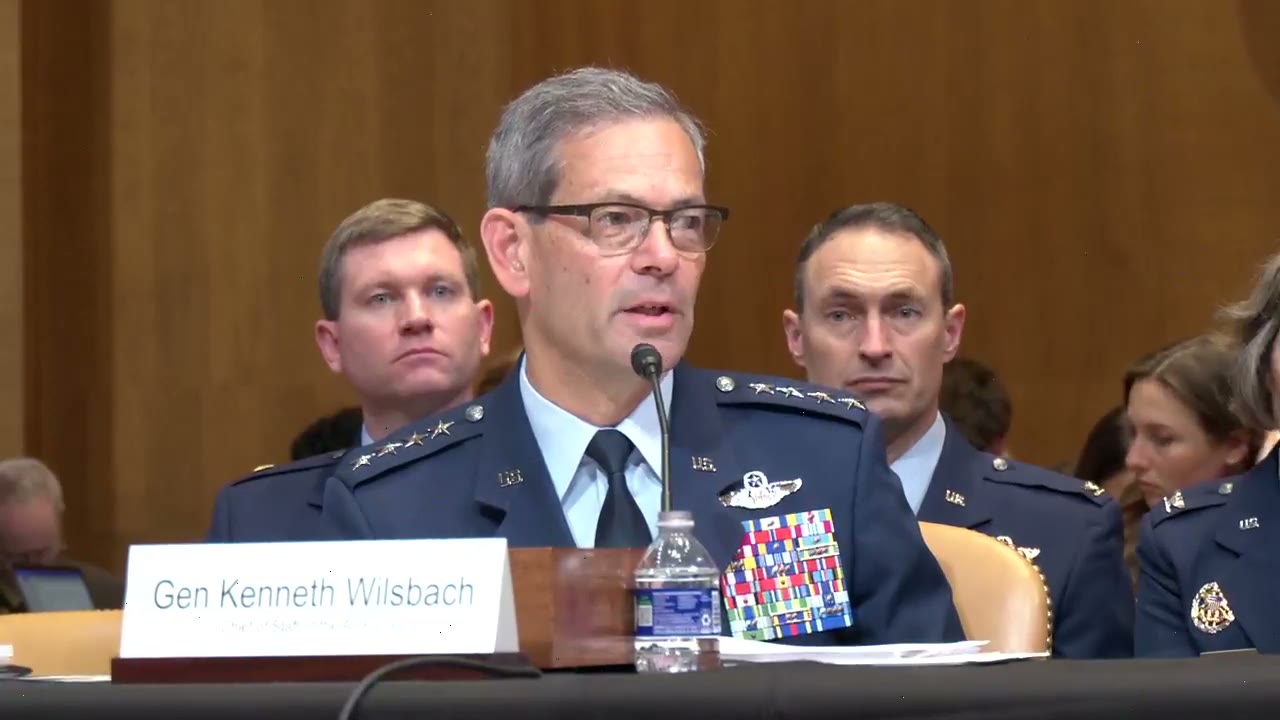
Kenneth Wilsbach
62:40 - 63:40
"What that tells us is that when you prioritize the funding for the parts and the weapon system sustainment, the jet flies really well. And that's why in this budget we have $24 billion for weapon system sustainment and $10 billion for flying hours and $4.5 billion for the working capital fund, which funds the necessary parts and weapon system sustainment. A large portion of that is for F-35"
“What that tells us is that when you prioritize the funding for the parts and the weapon system sustainment, the jet flies really well. And that's why in this budget we have $24 billion for weapon system sustainment and $10 billion for flying hours and $4.5 billion for the working capital fund, which funds the necessary parts and weapon system sustainment. A large portion of that is for F-35”
- Speaker
- Kenneth Wilsbach
- Timestamp
- 62:40 – 63:40
- Community
- Alaska News
- Captured at
- June 9, 2026
From the transcript
I don't want to say the number because it's classified, but it was meeting standards for sure forward. What that tells us is that when you prioritize the funding for the parts and the weapon system sustainment, the jet flies really well. And that's why in this budget we have $24 billion for weapon system sustainment and $10 billion for flying hours and $4.5 billion for the working capital fund, which funds the necessary parts and weapon system sustainment. A large portion of that is for F-35, but it's for all of our fleet so that we have the parts for the aircraft so when they come back they need repair, our airmen can put the parts in and the jet can get back in the air. And in closing, Mr. Chairman and Madam Chairwoman, I want to associate myself with your comments and concerns about the fact that a large part of this request is in the partisan reconciliation measure, not in the base budget that we are putting together.
Related Coverage
The Air Force wants $7 billion for fighter recapitalization at Elmendorf — but Alaska's military investments are riding on a partisan bill senators don't think will pass
Air Force fiscal 2027 budget request splits critical programs between base appropriations and reconciliation bill. Senators from both parties say the structure creates risk for Alaska installations and missions.
 by Walter AlaskaNews3mo ago2 min readAI
The Air Force wants a $338.8 billion budget — a 34% jump that includes a 130% Space Force boost that flows to Clear
The Department of the Air Force asked Congress for $338.8 billion in fiscal 2027, a 34 percent jump from last year, to address readiness shortfalls after 25 years of underfunding. Senators questioned splitting the request between base appropriations and a reconciliation package.
by Walter AlaskaNews3mo ago2 min readAI