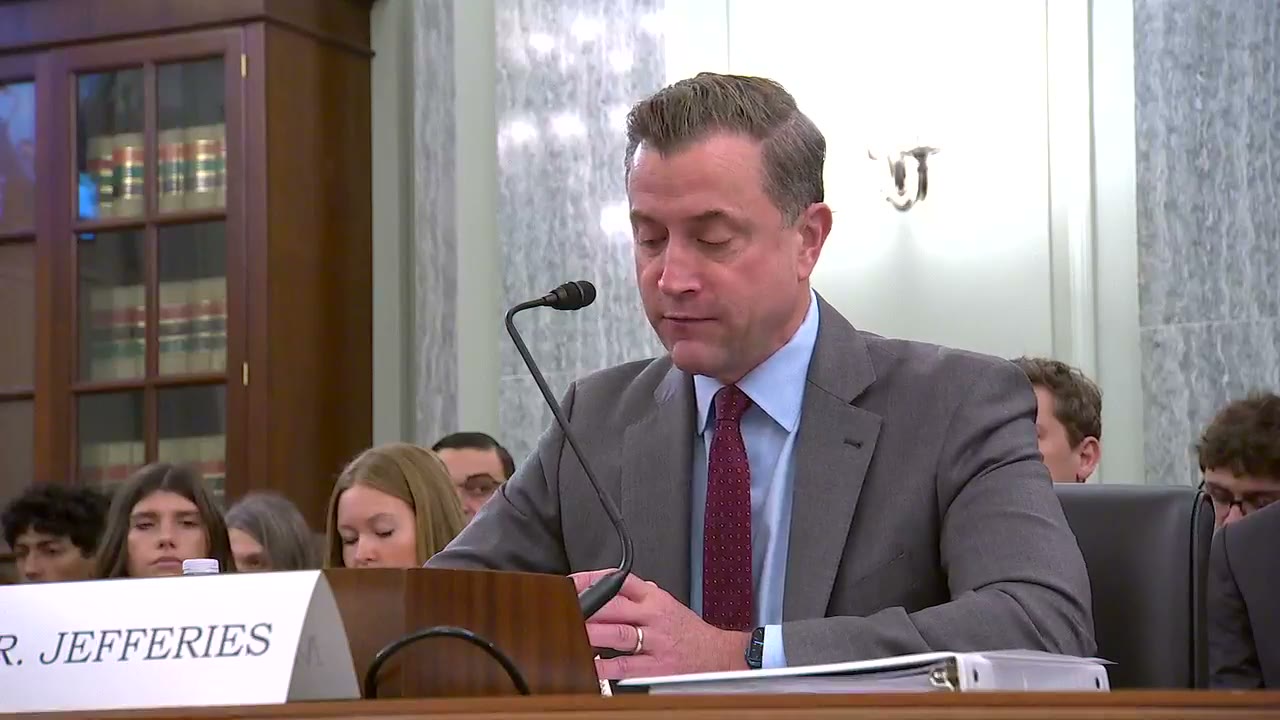
Ian Jeffries
32:28 - 33:15
"when policymakers consider technology, I ask that they take a mode-neutral approach to transportation technology. Advanced tools are reshaping freight movement across not only rail, but trucking, maritime, and logistics writ large. And rail should not be treated differently simply because it's an established industry"
“when policymakers consider technology, I ask that they take a mode-neutral approach to transportation technology. Advanced tools are reshaping freight movement across not only rail, but trucking, maritime, and logistics writ large. And rail should not be treated differently simply because it's an established industry”
- Speaker
- Ian Jeffries
- Timestamp
- 32:28 – 33:15
- Community
- Alaska News
- Captured at
- June 9, 2026
From the transcript
Across the industry, technology is expanding both the reach and precision of inspections, and these tools support, not replace, railroad employees, giving them better information to improve safety and operations. Which leads to my second point: when policymakers consider technology, I ask that they take a mode-neutral approach to transportation technology. Advanced tools are reshaping freight movement across not only rail, but trucking, maritime, and logistics writ large. And rail should not be treated differently simply because it's an established industry or because innovative changes challenge legacy assumptions. Federal policy should encourage innovation based on measurable outcomes, not restrict through outdated frameworks or preferences.
Related Coverage
The federal autonomous vehicle framework Congress is debating would apply to Alaska's roads — but Alaska wasn't part of the conversation
Industry witnesses urged a Senate panel to establish federal rules for autonomous vehicles and block state patchworks. Labor representatives called for binding premarket safety standards beyond self-certification.
 by Walter AlaskaNews3mo ago3 min read