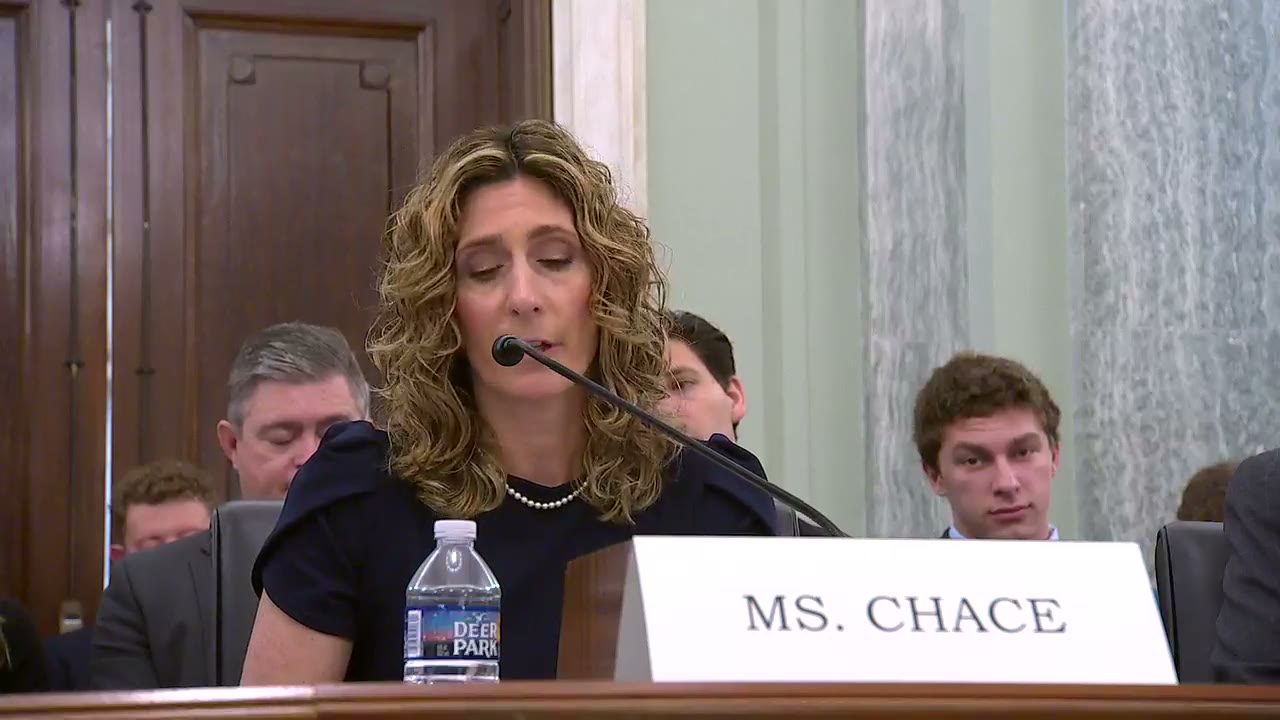
Laura Chase
41:59 - 42:56
"Digital technologies must be treated as core transportation elements. They are fundamental to how the system operates and how it performs, and how it delivers outcomes for the American public."
“Digital technologies must be treated as core transportation elements. They are fundamental to how the system operates and how it performs, and how it delivers outcomes for the American public.”
- Speaker
- Laura Chase
- Timestamp
- 41:59 – 42:56
- Community
- Alaska News
- Captured at
- June 9, 2026
From the transcript
Digital technologies must be treated as core transportation elements. They are fundamental to how the system operates and how it performs, and how it delivers outcomes for the American public. You can't manage what you don't understand, and digital infrastructure fundamentally improves our ability to understand our transportation system. Treating technology as a core element means prioritizing it throughout entire project lifecycles, from planning and building to operating and maintaining, and funding it at meaningful levels and in the same way— dedicated way that we do our traditional physical assets. Across the country, technology applications are improving safety from smart signals and pedestrian detection systems in Bellevue, Washington, delivering a 40% reduction in near-miss conflicts at intersections to digital alerting systems in Illinois, increasing driver reaction distance and reducing harsh braking, to real-time detection technology in Indiana, keeping workers safe in work zones.
Related Coverage
The federal autonomous vehicle framework Congress is debating would apply to Alaska's roads — but Alaska wasn't part of the conversation
Industry witnesses urged a Senate panel to establish federal rules for autonomous vehicles and block state patchworks. Labor representatives called for binding premarket safety standards beyond self-certification.
 by Walter AlaskaNews3mo ago3 min read