Video Clips
Quoted moments from Alaska public meetings, hearings, and press conferences.
Chelsea Bailey
“Uh, so because formal— informal discussions with the project team have failed to yield alternative designs and solutions, we're relying on the commission tonight to establish binding conditions that protect our property.”Anchorage Assembly: Planning and Zoning Commission - August 10, 2026 - 2026-08-10 18:30:00 · Aug 11, 2026
Andres Spinelli
“I also intend to support the motion. I think taking time on this project in particular would be beneficial.”Anchorage Assembly: Planning and Zoning Commission - August 10, 2026 - 2026-08-10 18:30:00 · Aug 11, 2026
Connor Eshelman
“I want to thank, uh, the Baileys for being so thorough. We did meet with them and have every intention of re— uh, taking a closer look at sections, uh, near their area once we have updated survey information.”Anchorage Assembly: Planning and Zoning Commission - August 10, 2026 - 2026-08-10 18:30:00 · Aug 11, 2026
Taryn Olson-Yell
“So we're asking for 6 additional inches to allow us to have 1 foot of that protective security wire on the top, and we have a 9.5-foot wooden fence that is a match as best as we can with the adjacent fences in the neighborhood.”Anchorage Assembly: Planning and Zoning Commission - August 10, 2026 - 2026-08-10 18:30:00 · Aug 11, 2026
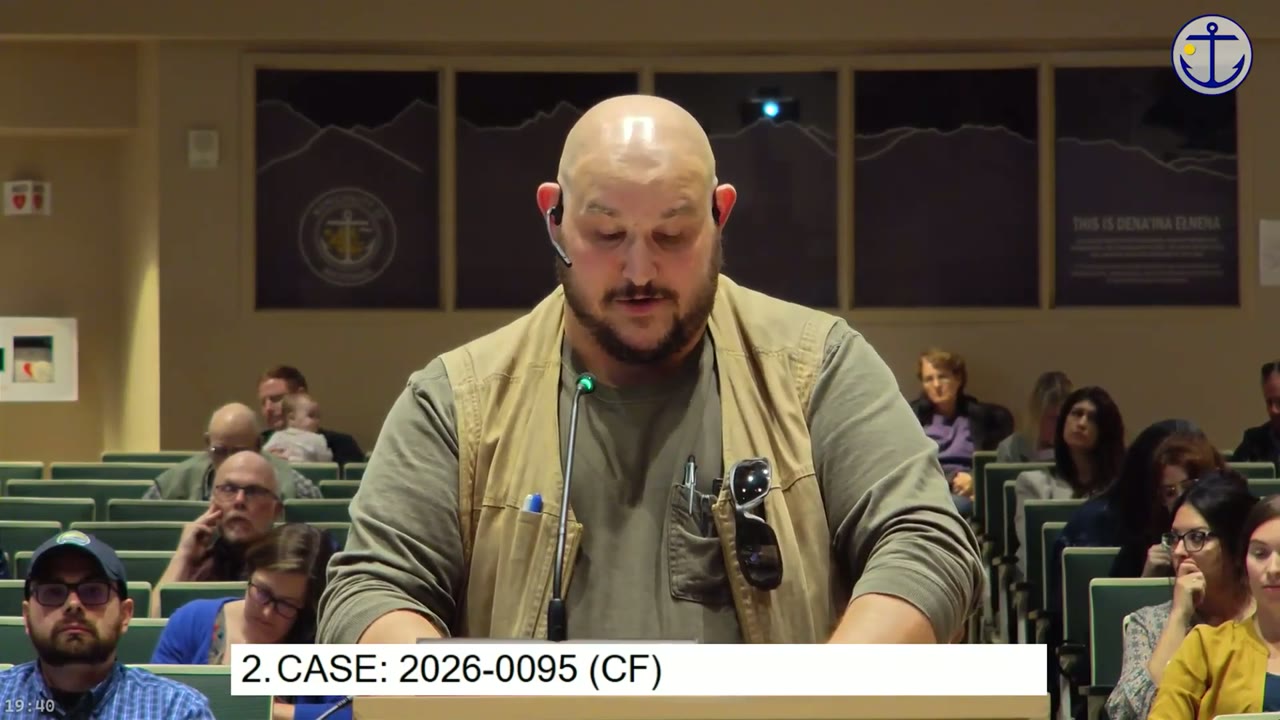
James Michael
“No apparent meaningful work has been done to factor in a connection to Jamie Avenue and further into Bear Valley, and this seems to conflict with the purpose of a federal grant. As currently there is only one means of access to Bear Valley via Clark's Road, a connection to Jamie would open up a second route and could easily be the difference between life and death for residents in the valley in the event of a wildfire.”Anchorage Assembly: Planning and Zoning Commission - August 10, 2026 - 2026-08-10 18:30:00 · Aug 11, 2026
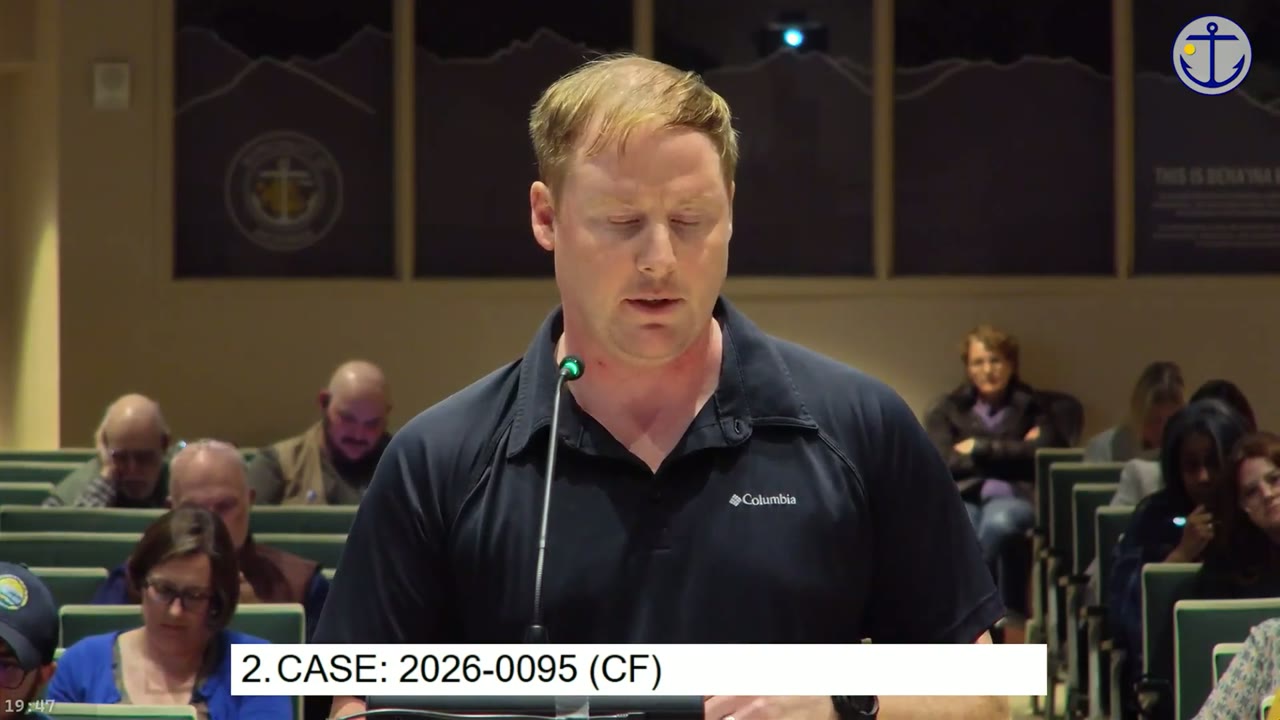
Brett McKinnon
“one of the proposals that we would like to see in place is that the design does not necessarily get approved and move forward until we see that survey with the existing structures already plotted out to depict the right-of-way impacts, to those existing structures”Anchorage Assembly: Planning and Zoning Commission - August 10, 2026 - 2026-08-10 18:30:00 · Aug 11, 2026
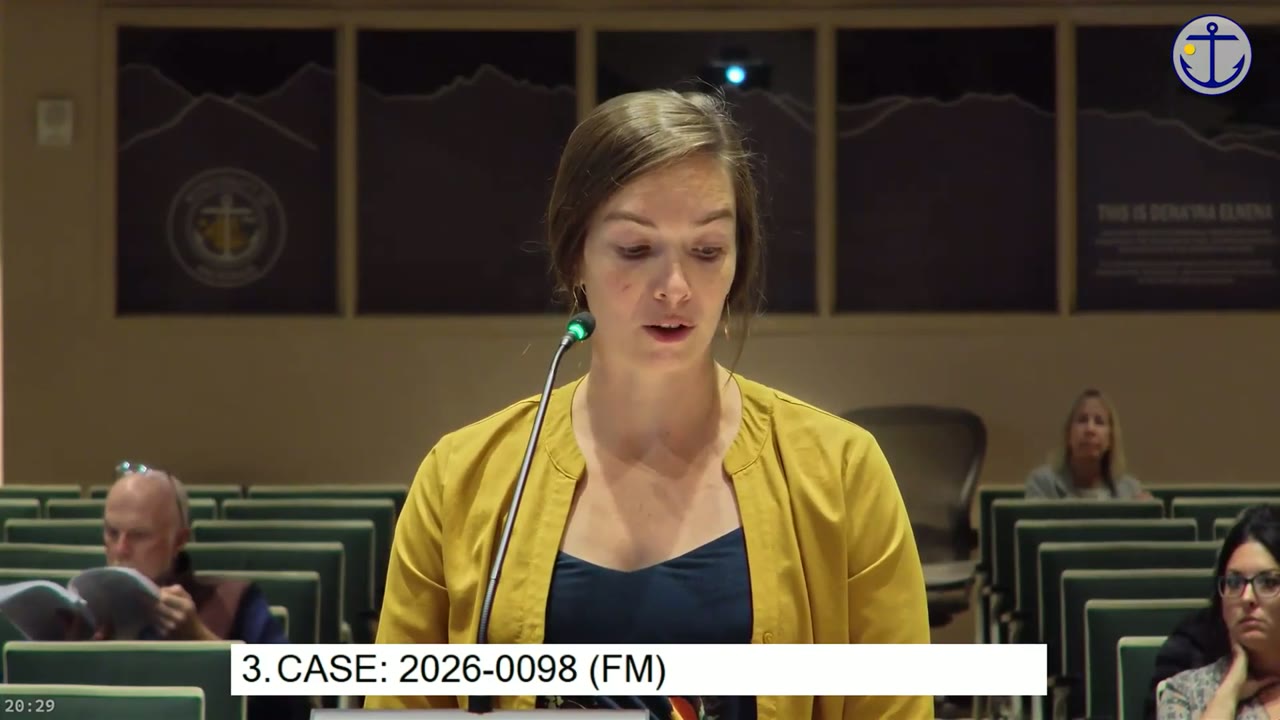
Taryn Olson-Yell
“When it was originally constructed in 1976, the facility served roughly 1,400 properties. Today it serves approximately 4,600 properties, which is over 3 times the customer base.”Anchorage Assembly: Planning and Zoning Commission - August 10, 2026 - 2026-08-10 18:30:00 · Aug 11, 2026
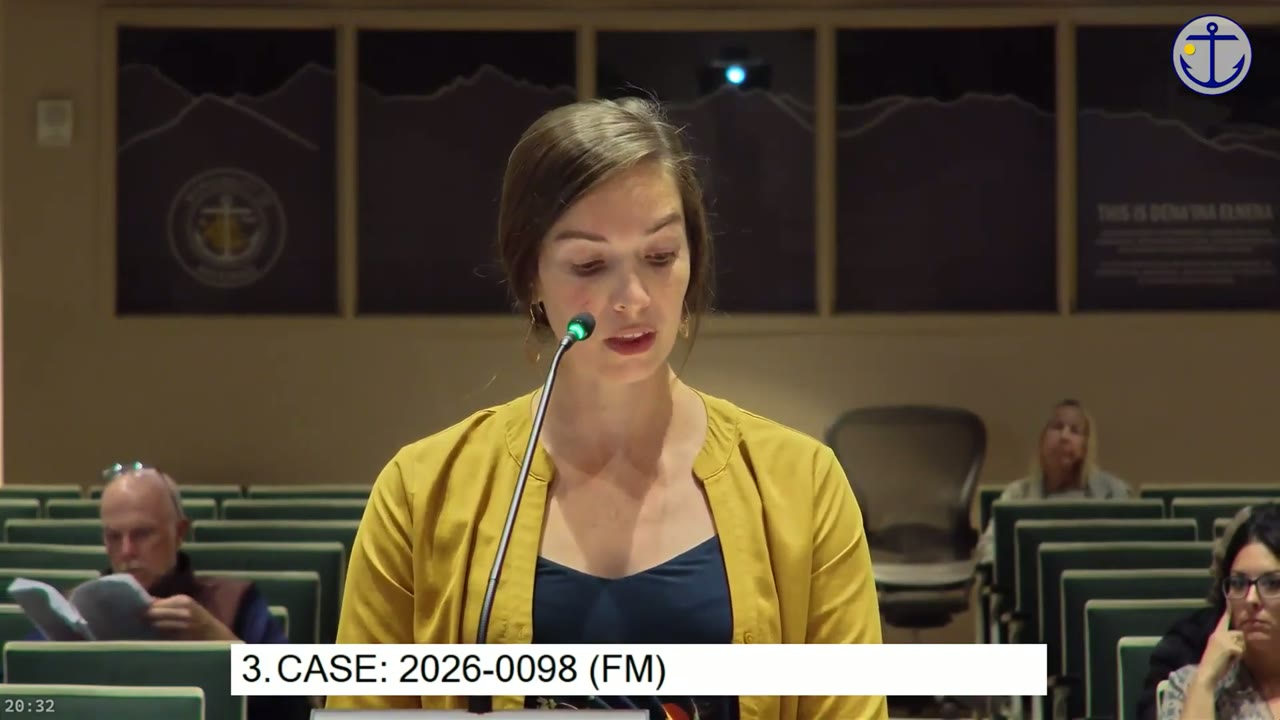
Taryn Olson-Yell
“The project includes a complete replacement of the existing substation, so we are installing 2 new transformers for needed redundancy, and those 2 transformers are enclosed on 3 sides by a concrete barrier for additional visual and noise buffering.”Anchorage Assembly: Planning and Zoning Commission - August 10, 2026 - 2026-08-10 18:30:00 · Aug 11, 2026
Janice Zilko
“Under this new site plan, two 15-foot-tall transformers would be located immediately adjacent to their property and less than 25 feet from their house. The transformers and razor wire would extend above the screening fence.”Anchorage Assembly: Planning and Zoning Commission - August 10, 2026 - 2026-08-10 18:30:00 · Aug 11, 2026
Brett McKinnon
“it shows our property adjacent to Station 17 on the east side. It shows our property line, uh, the cut line and the right-of-way line, uh, that's already been alluded to by the commissioners previously, uh, and it cuts approximately 45 feet into our parcel.”Anchorage Assembly: Planning and Zoning Commission - August 10, 2026 - 2026-08-10 18:30:00 · Aug 11, 2026
Ronalda Cadiente-Brown
“It's now easy to understand why November 14th is is Dr. Walter Sobolev Day in Alaska. A lifetime of challenging work, all done with gentleness.”Sealaska Heritage Institute: Ḵaajaaḵwtí Dr. Sobolef Documentary | Sealaska Heritage · Aug 10, 2026
Maxine Richert
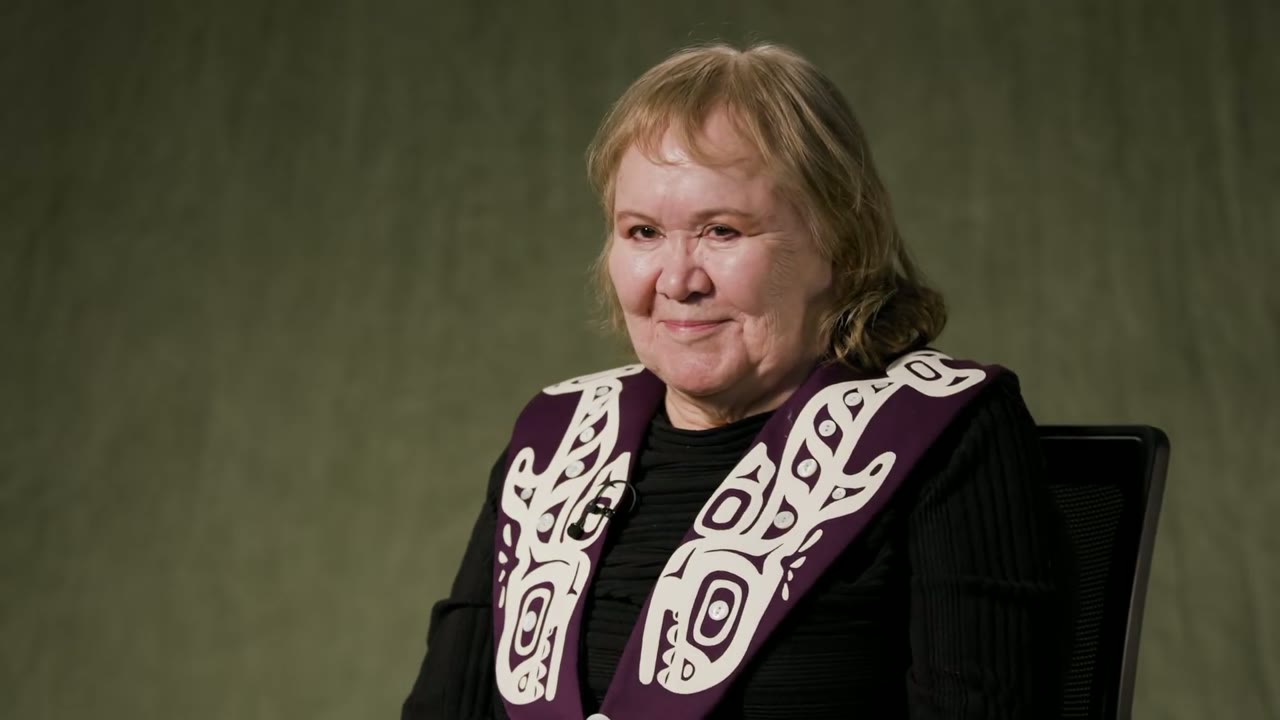
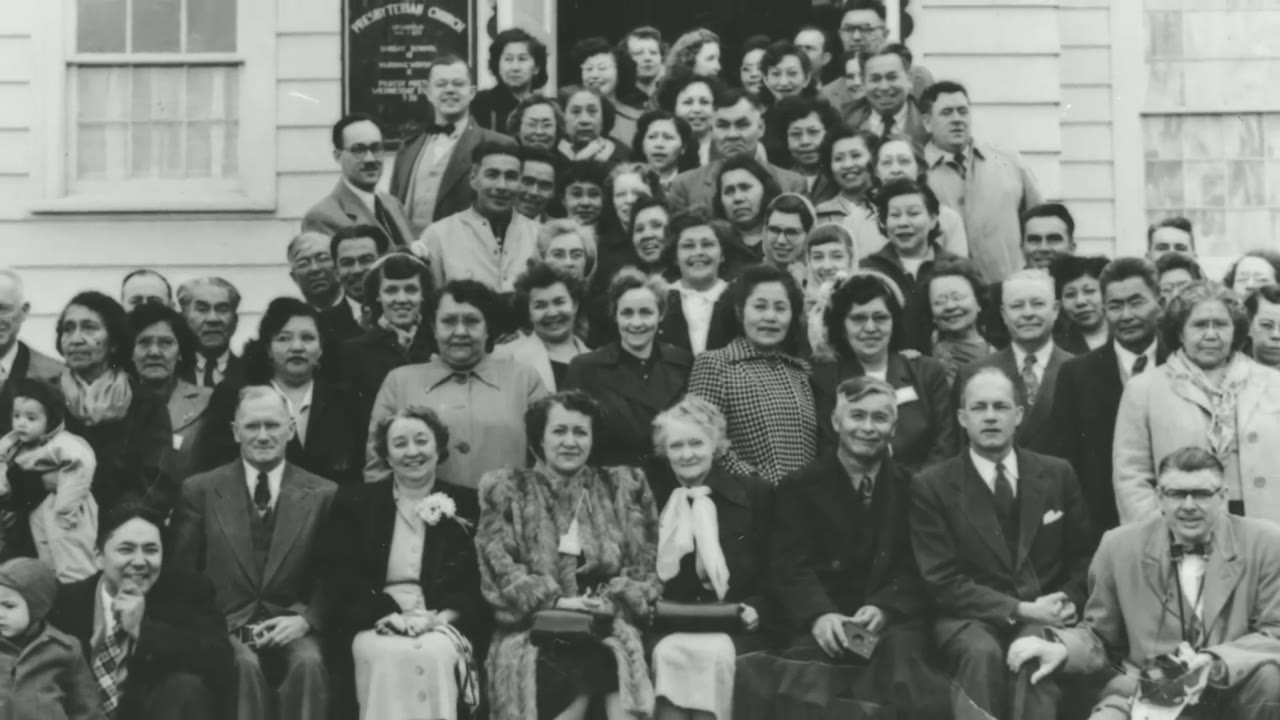
“Although it was called the Native Church, after it was established, white neighbors in the neighborhood asked Dr. Soboleff, "Well, can we join your church?" So he asked the Native congregation, and they said, "Why not?" So it became an integrated church.”Sealaska Heritage Institute: Ḵaajaaḵwtí Dr. Sobolef Documentary | Sealaska Heritage · Aug 10, 2026
Maxine Richert
“At the time that it closed, it was the USA Presbytery closed it. It wasn't the wish of the congregation.... And Dr. Soboleff had just ordered 14 new pews. And then all of a sudden, it was just abruptly closed.”Sealaska Heritage Institute: Ḵaajaaḵwtí Dr. Sobolef Documentary | Sealaska Heritage · Aug 10, 2026
Maxine Richert
“It was established in 1942, and Walter was the first and only minister, Dr. Soboleff.”Sealaska Heritage Institute: Ḵaajaaḵwtí Dr. Sobolef Documentary | Sealaska Heritage · Aug 10, 2026
Randy Bates
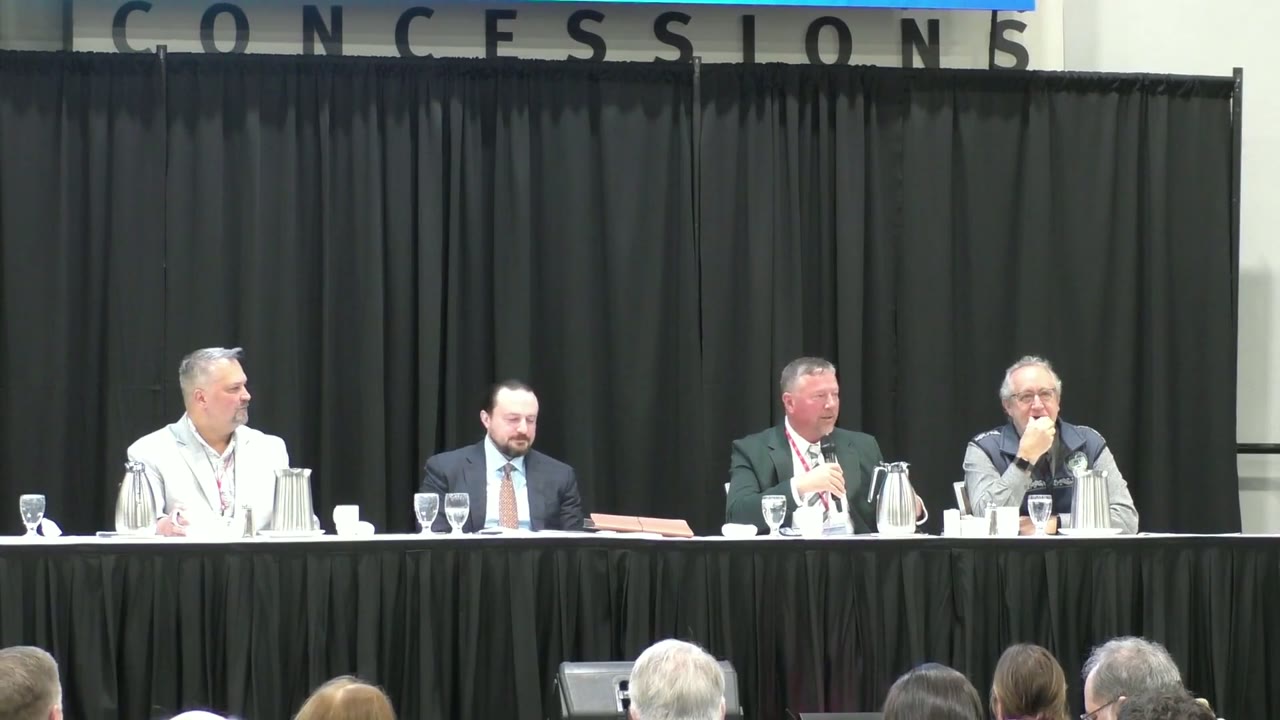
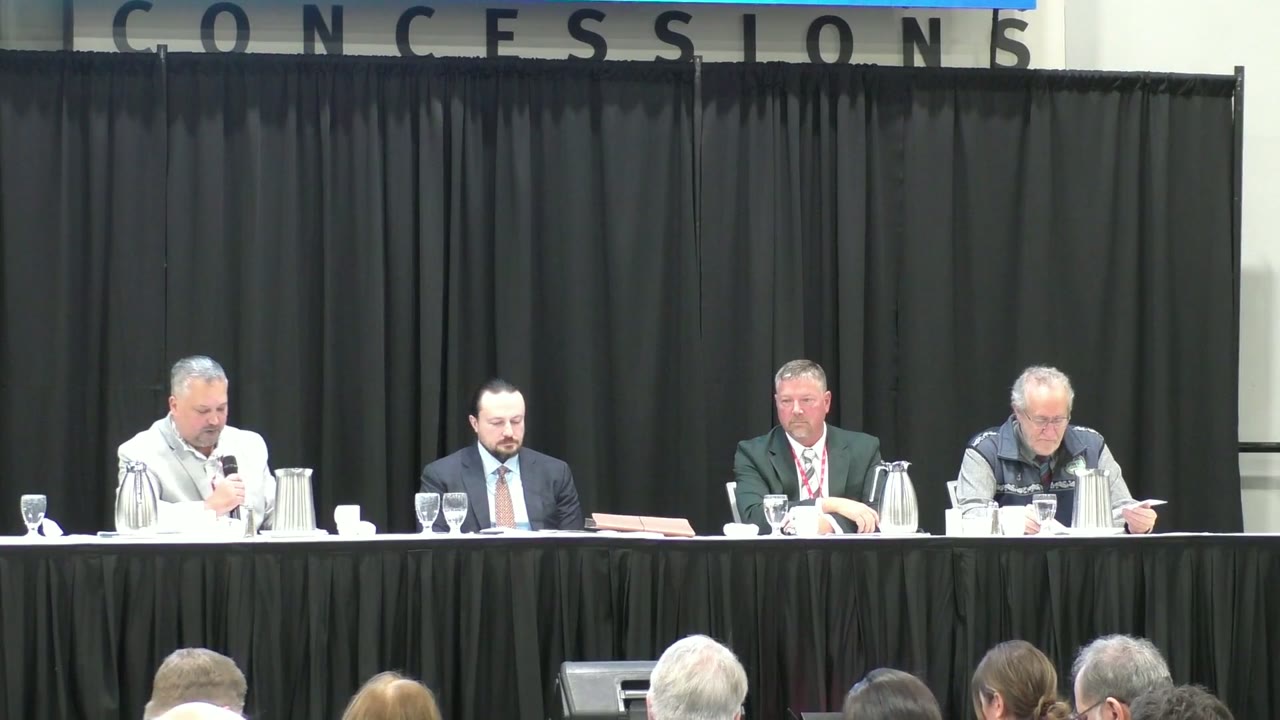
“With President Trump, Administrator Zeldin, Regional Administrator Emma Pocan, Governor Dunleavy, this cabinet, and myself, this is the most opportune time that I've ever seen in Alaska. I've never seen the federal-state alignment the way it is.”11-3-25 RDC Breakfast Forum - A Conversation with Alaska's Regulatory Agency Commissioners
John Crowther
“That's really to open the door to the state participating, encouraging projects to get on the dashboard, and then participating with the federal agencies for those projects that are on the dashboard to ensure that the state voice is heard and that the timelines work for the state, for the project, and to get the work done.”11-3-25 RDC Breakfast Forum - A Conversation with Alaska's Regulatory Agency Commissioners
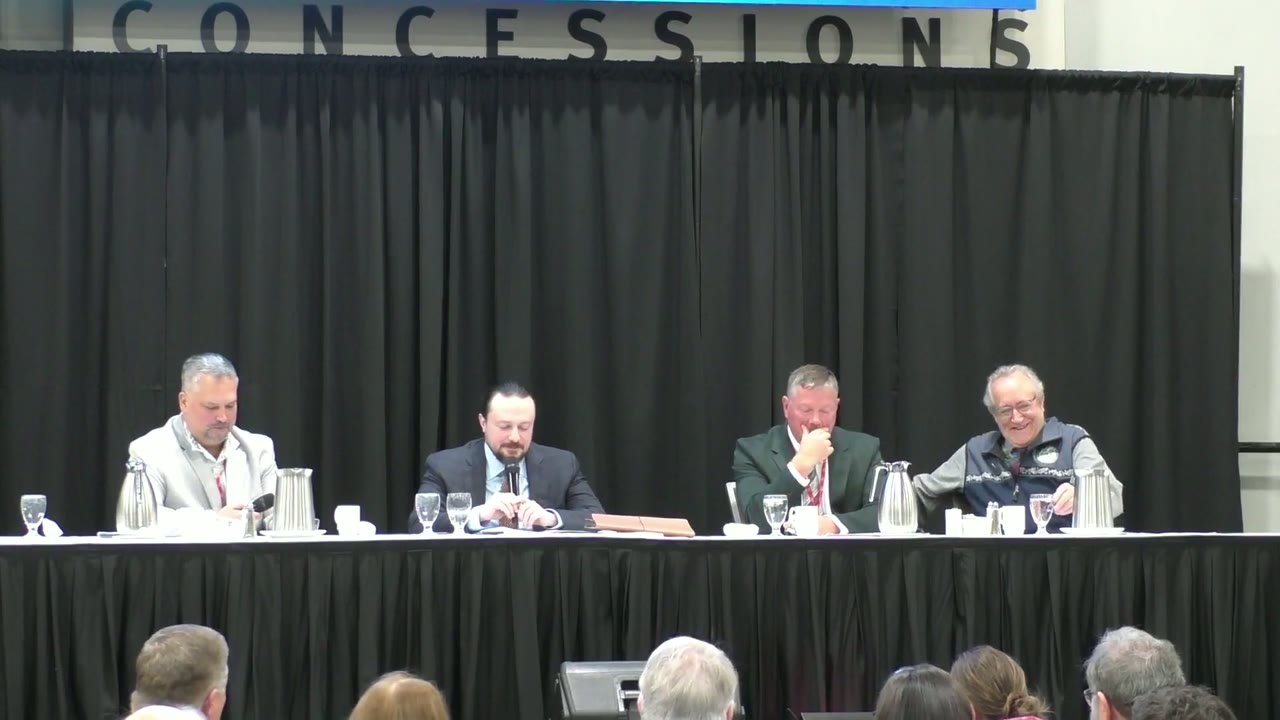
John Crowther
“The governor wants us to meet or beat the federal timelines. And for the first time in my life, federal timelines may be moving forward and actually be a little bit more predictable timeline.”11-3-25 RDC Breakfast Forum - A Conversation with Alaska's Regulatory Agency Commissioners
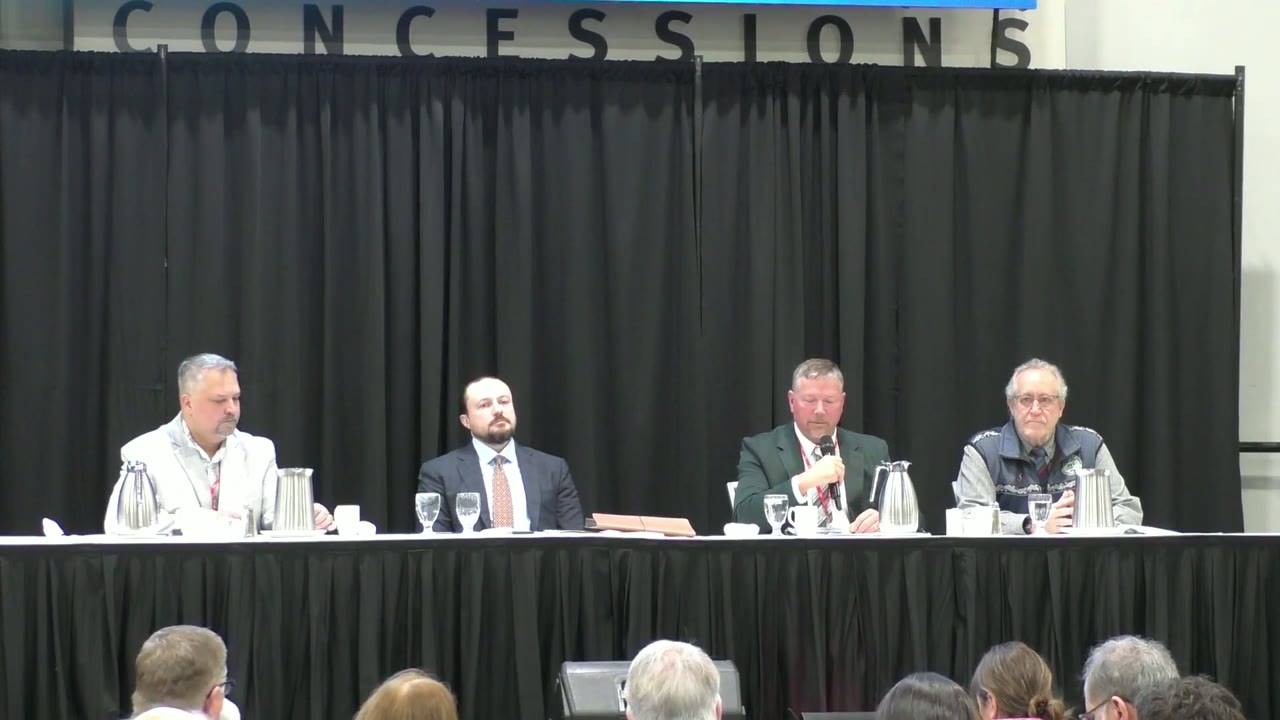
Randy Bates
“I can guarantee you, between Deputy Commissioner Kieneman and myself, we will be looking at the comments that you submitted, seeing if there's ways we can improve our processes regulatorily through the administrative order.”11-3-25 RDC Breakfast Forum - A Conversation with Alaska's Regulatory Agency Commissioners
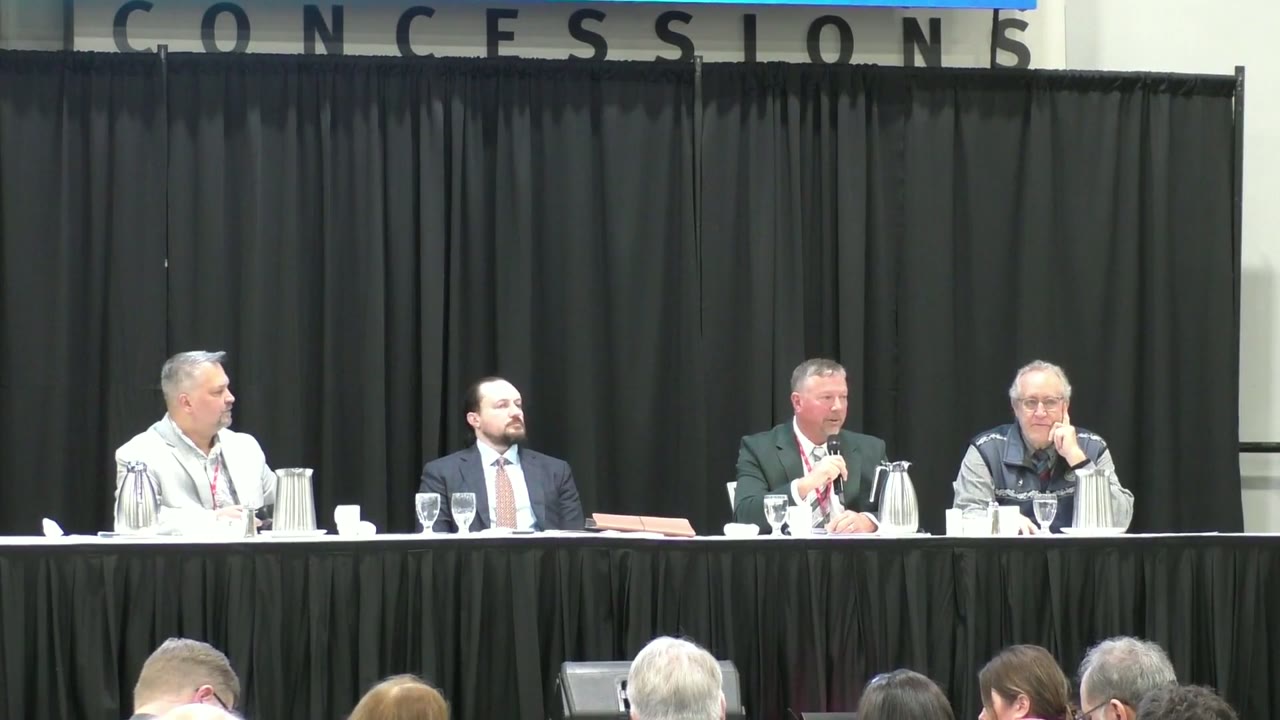
Randy Bates
“FAST-41 is a wonderful opportunity to align, expedite, and coordinate our permits.”11-3-25 RDC Breakfast Forum - A Conversation with Alaska's Regulatory Agency Commissioners
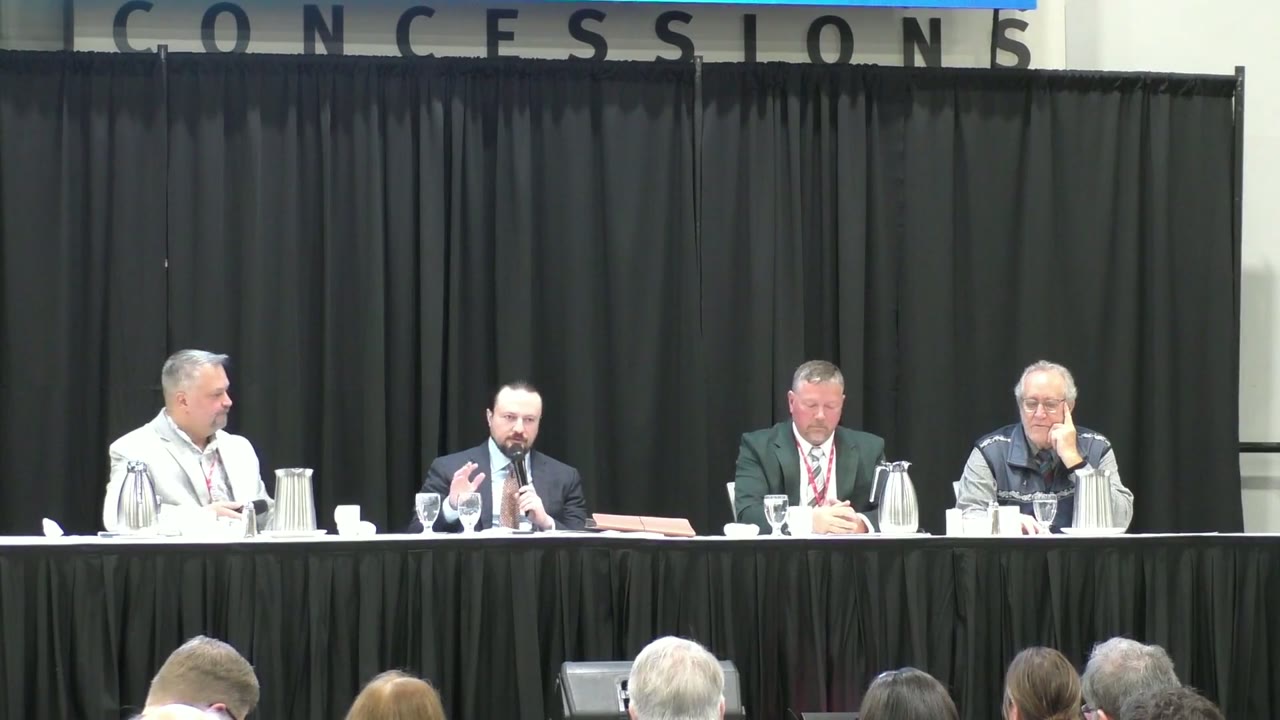
John Crowther
“The state has an under-that-MOU ability to suggest, recommend how projects get on the dashboard. So if you're looking at a big project, a lot of timelines, a lot of federal opposition, take a close look at it. And, and I, I really mean on the back end, the state has the ability under the MOU to directly ask the specifics of the project, not when is this going to get done, 9 months, okay, we hope so.”11-3-25 RDC Breakfast Forum - A Conversation with Alaska's Regulatory Agency Commissioners
Randy Bates
“We found a better way of doing business where a simple drafting of regulations sets out the rules by which you operate. You just simply have to toggle online that you need this coverage. You're good to go. It's an overnight permit. It's called permit by rule.”11-3-25 RDC Breakfast Forum - A Conversation with Alaska's Regulatory Agency Commissioners
John Crowther
“We have some of our cycle times literally down to less than a week. We have some of them down to, you know, 32 days, and 30 of that is a public notice period.”11-3-25 RDC Breakfast Forum - A Conversation with Alaska's Regulatory Agency Commissioners
Randy Bates
“At DEC, we looked at this as a real opportunity for our agency to do a deep dive, a deep scrub, a scour of our regulations and see if we can't find a way to identify ways to improve the timeliness, the predictability, whether there's duplication, whether there's holes in our regulations.”11-3-25 RDC Breakfast Forum - A Conversation with Alaska's Regulatory Agency Commissioners
Randy Bates
“Now they've reempowered this FAST-41 group, and we just need to make it permanent. We need to make it stick so that it has longevity and withstands the swing of the next administration's pendulum.”11-3-25 RDC Breakfast Forum - A Conversation with Alaska's Regulatory Agency Commissioners
John Crowther
“Why hasn't this particular person reviewed this? What's the hangup here? We have a lot of ability to get in and participate now, so it's really exciting.”11-3-25 RDC Breakfast Forum - A Conversation with Alaska's Regulatory Agency Commissioners
John Crowther
“It's an opportunity to revisit things wholesale and look at the whole record, you know, what's on there that's just kind of been on there for a long time and how do we reimagine it.”11-3-25 RDC Breakfast Forum - A Conversation with Alaska's Regulatory Agency Commissioners
Randy Bates
“It's, it's something that we haven't played with very much in the regulatory world, but it's something that has a lot of potential to streamline permitting, make it easier to get your permit, make it easier to get you active in the field.”11-3-25 RDC Breakfast Forum - A Conversation with Alaska's Regulatory Agency Commissioners
John Crowther
“The governor is intensely focused on permitting efficiency, on adopting new technology, being more adaptive, and keeping pace with the federal opportunity we have.”11-3-25 RDC Breakfast Forum - A Conversation with Alaska's Regulatory Agency Commissioners
Denise Runge
“UAA has an apprenticeship program in early childhood education, and the way that that works is throughout Alaska primarily in rural and small areas, anyone who is employed in any capacity within the school can apply for the apprenticeship, and then they start taking online classes through UAA. Their on-the-job training happens inside the school that they're already employed in, and eventually they become a licensed teacher.”RDC: 3-26-2026 Breakfast Forum: UAA on Building Alaska's Talent Pipeline
Denise Runge
“In many ways, the Native corporations and the tribes are the partners in this because they're helping to identify the students.”RDC: 3-26-2026 Breakfast Forum: UAA on Building Alaska's Talent Pipeline
Gary Stevens
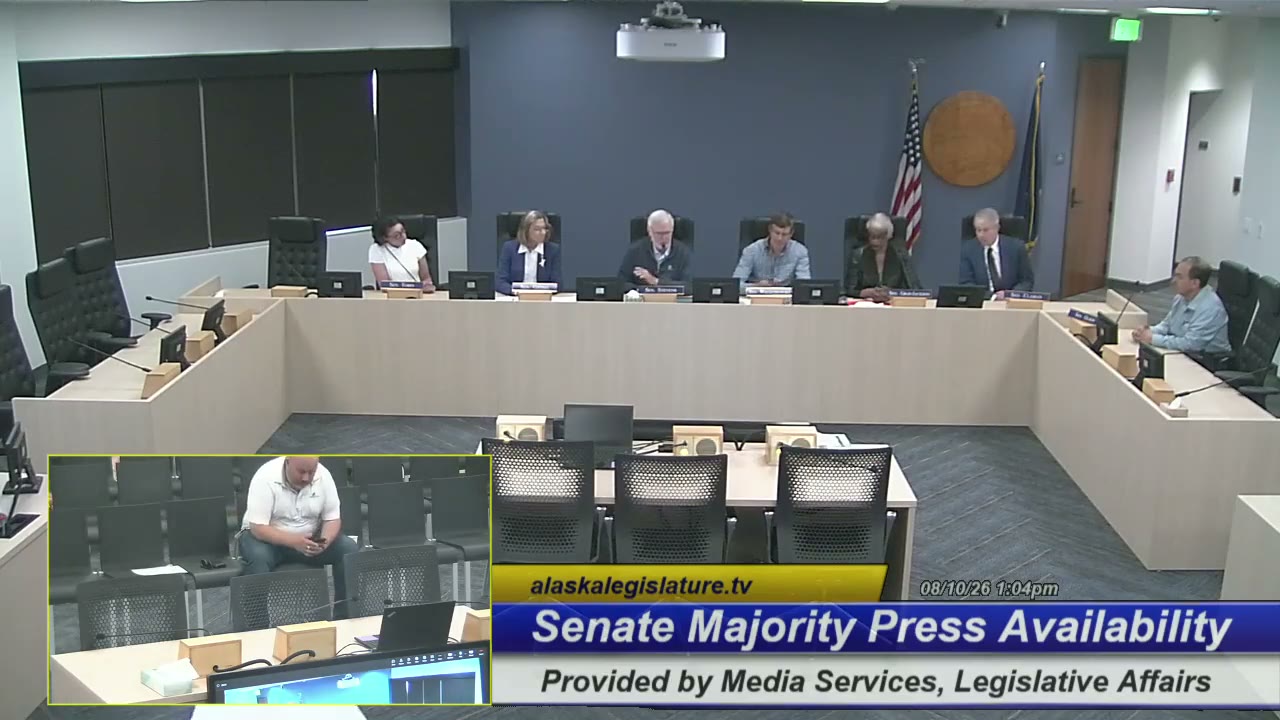
“We are being asked to commit Alaska to a deal we cannot fully see. That's a problem. We need more project details from AGDC and Glenfarm to produce the best versions for the state.”Alaska Legislature recording 2026-08-10
Bill Wielechowski
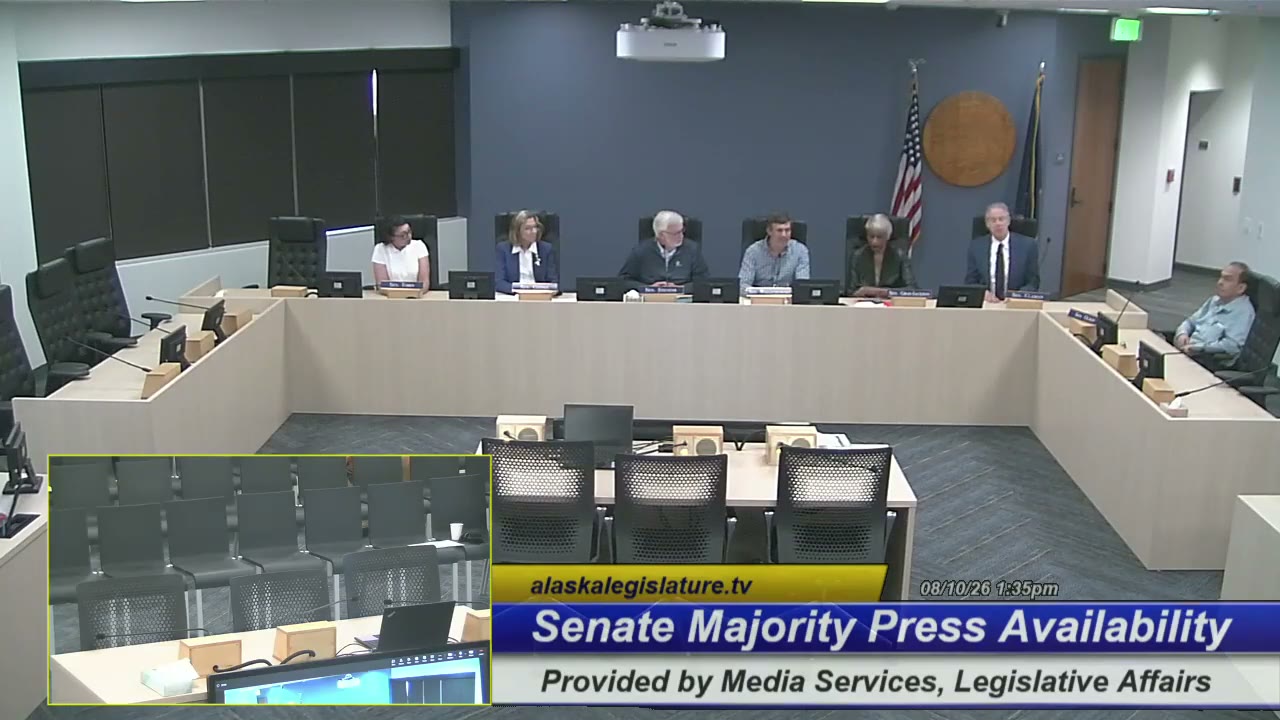
“we thought we did find a compromise with the last version that we passed and that he threatened to veto, even though Glen Farn originally said they supported it.”Alaska Legislature recording 2026-08-10
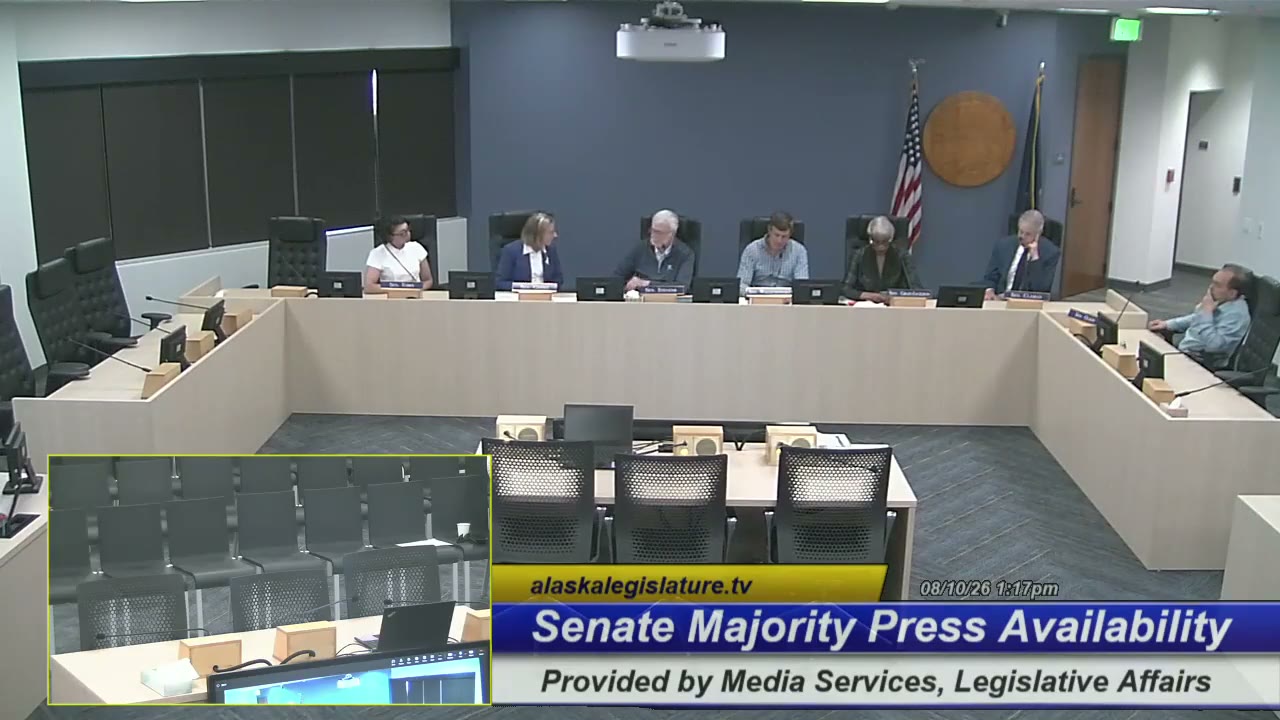
Gary Stevens
“the governor has told me that he will be presenting us a bill on the 20th of August.”Alaska Legislature recording 2026-08-10
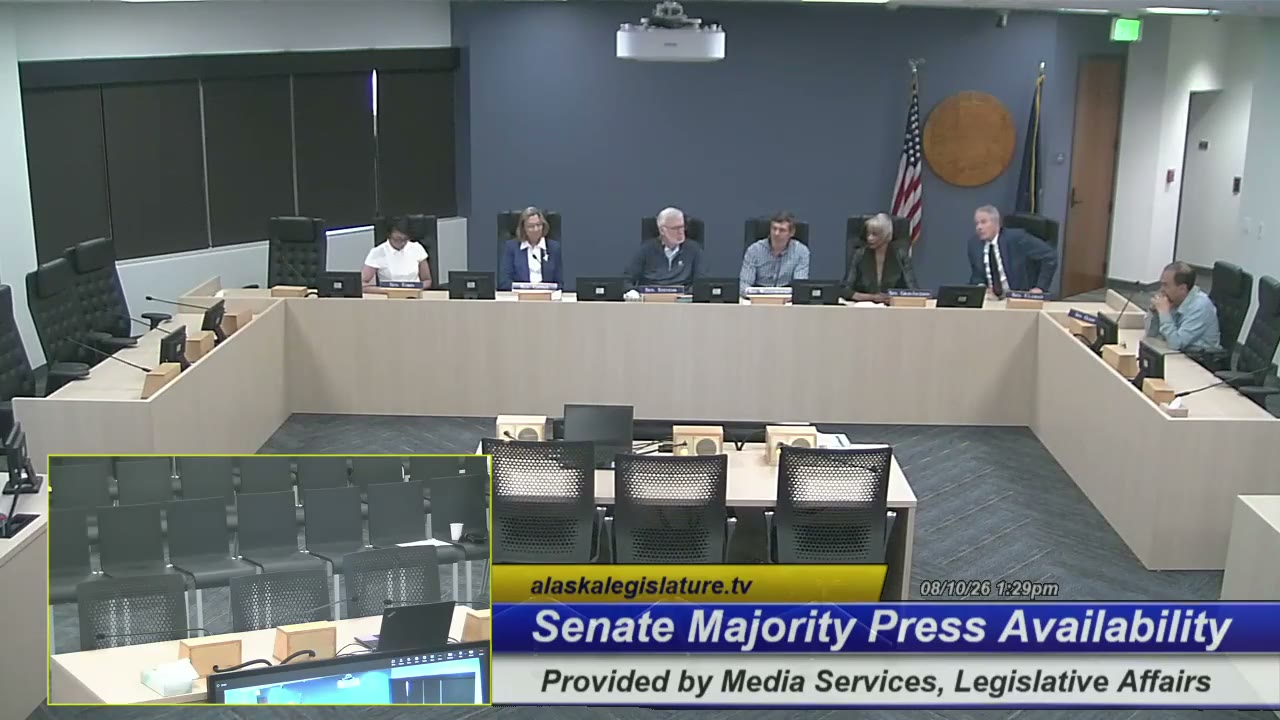
Bill Wielechowski
“HEX, it was unbelievably unfortunate that the state got leveraged, the state got put in a position where because HEX had overriding royalty interests of 12.5%, it made the projects undevelopable, Kitchen Lights undevelopable. And so the state agreed to massively cut our royalty share with really no protections for providing that to Alaskan consumers or anything else. So I would say really colossal mismanagement by the administration.”Alaska Legislature recording 2026-08-10
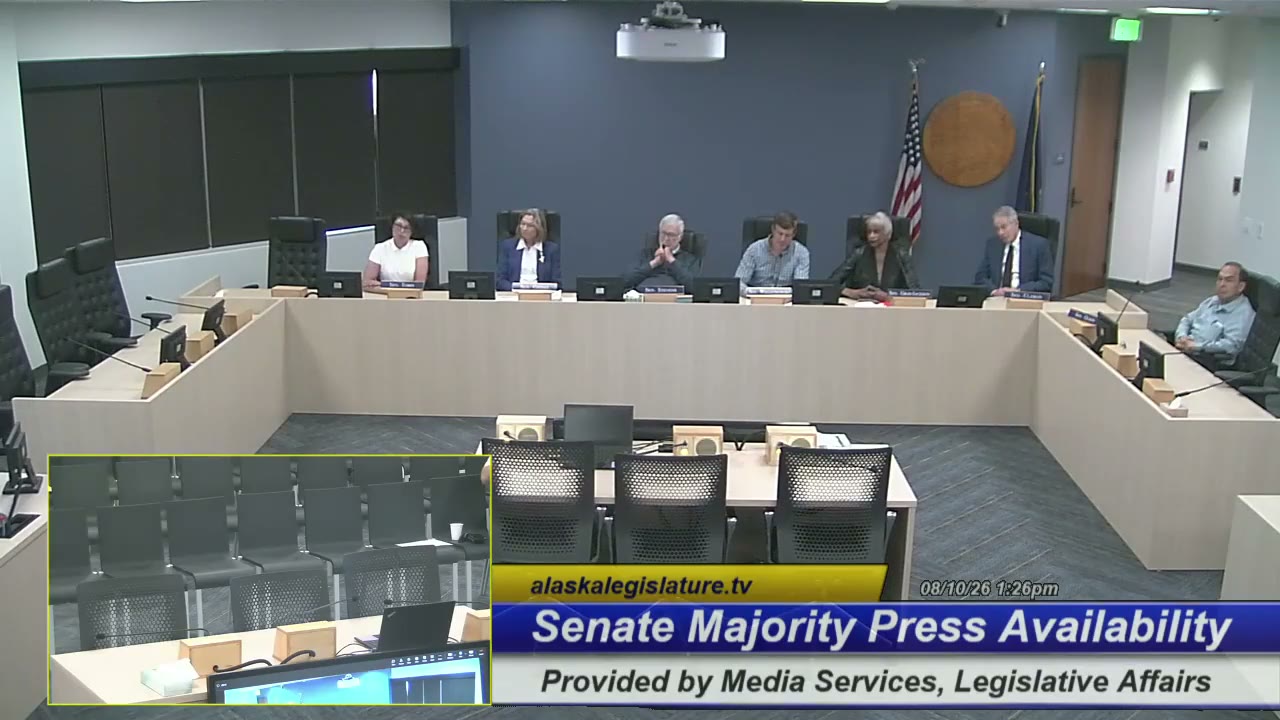
Jeff Landfield
“Why is Hilcorp not being asked to help us with this problem when they're the ones who have demonstrated they can solve this problem, they can address the problem in Cook Inlet?”Alaska Legislature recording 2026-08-10
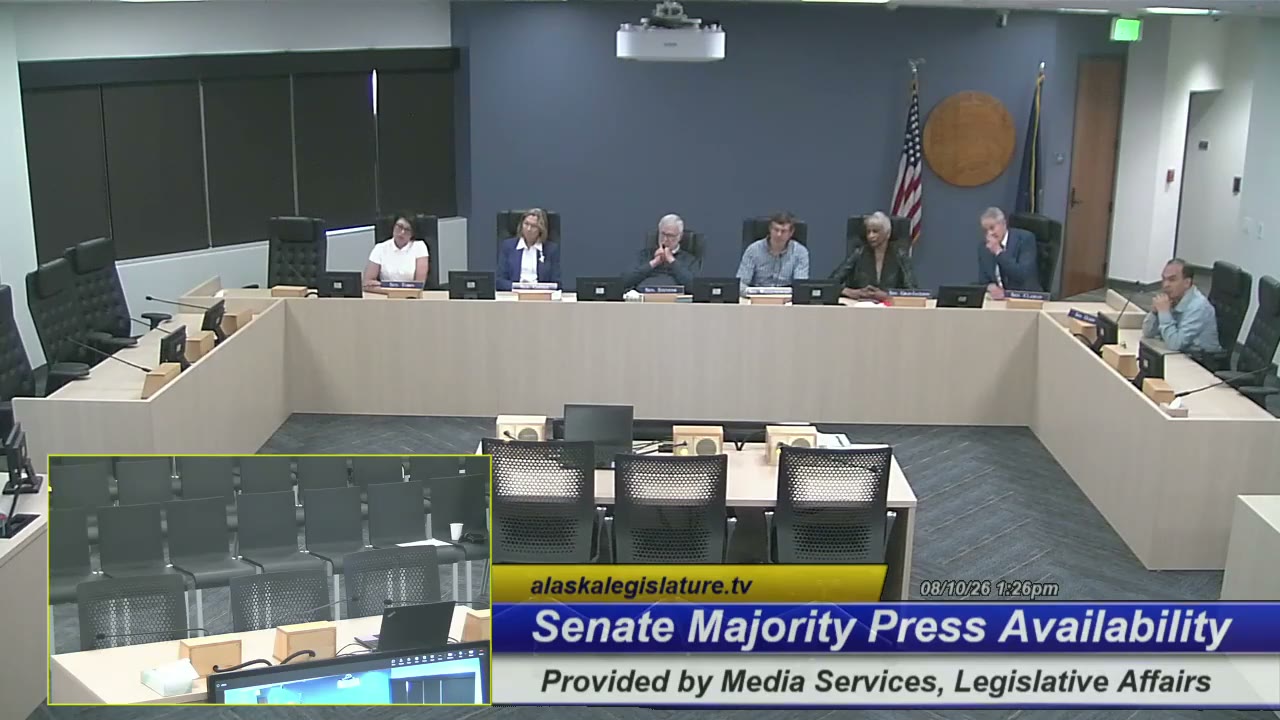
Jeff Landfield
“Why do— why does the state keep stringing along Hex, John Hendricks, and BlueCrest when they haven't produced— BlueCrest, no gas.”Alaska Legislature recording 2026-08-10
Bill Wielechowski
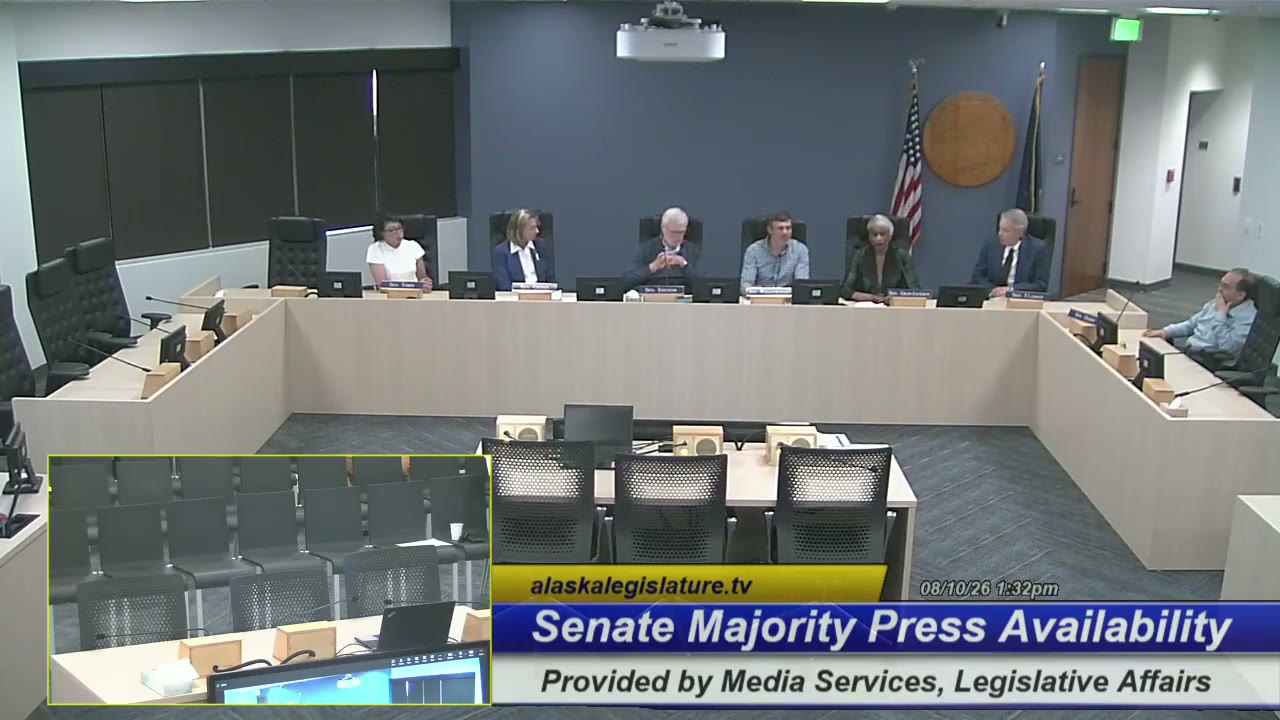
“you're looking at at least 3, probably 4 days on a— if we wanted to rubber stamp a bill.”Alaska Legislature recording 2026-08-10
Bill Wielechowski
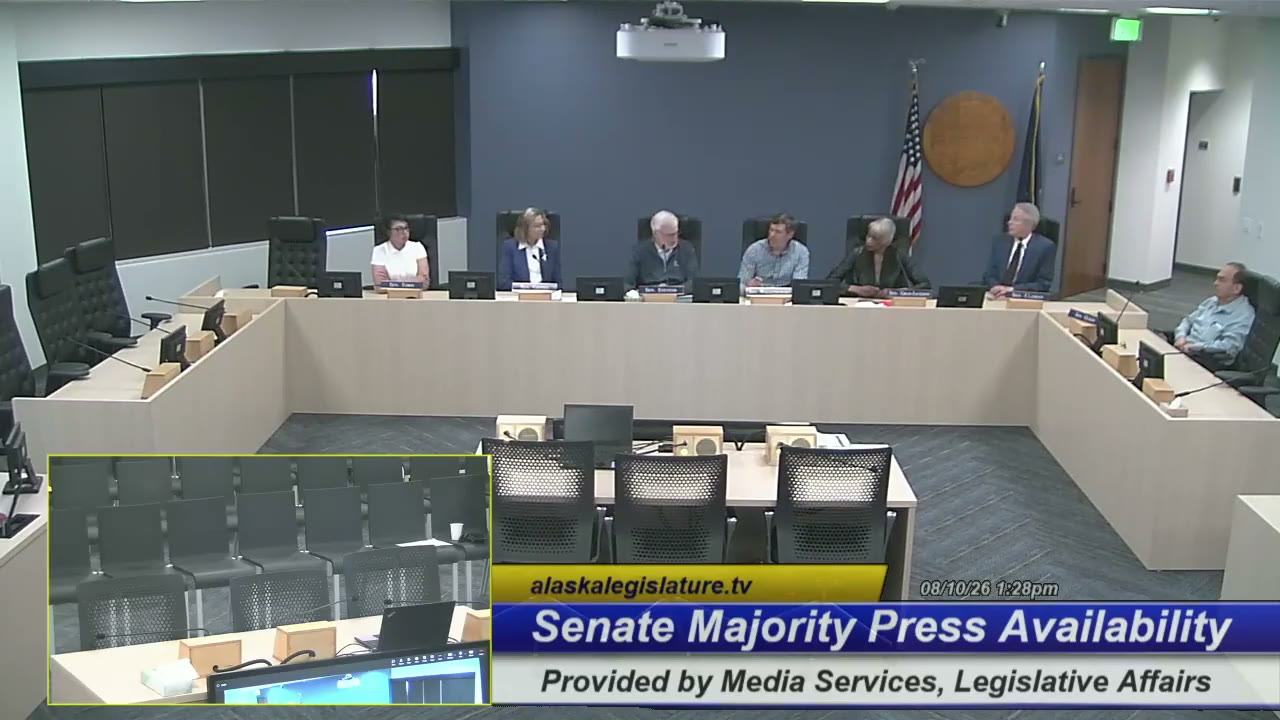
“the Dunleavy approach in Cook Inlet, a laissez-faire approach of just let industry do whatever they want with no oversight— I mean, BlueCrest is— and you raise a good example, Jeff. BlueCrest, that lease should have been taken away, in my opinion.”Alaska Legislature recording 2026-08-10
Gary Stevens
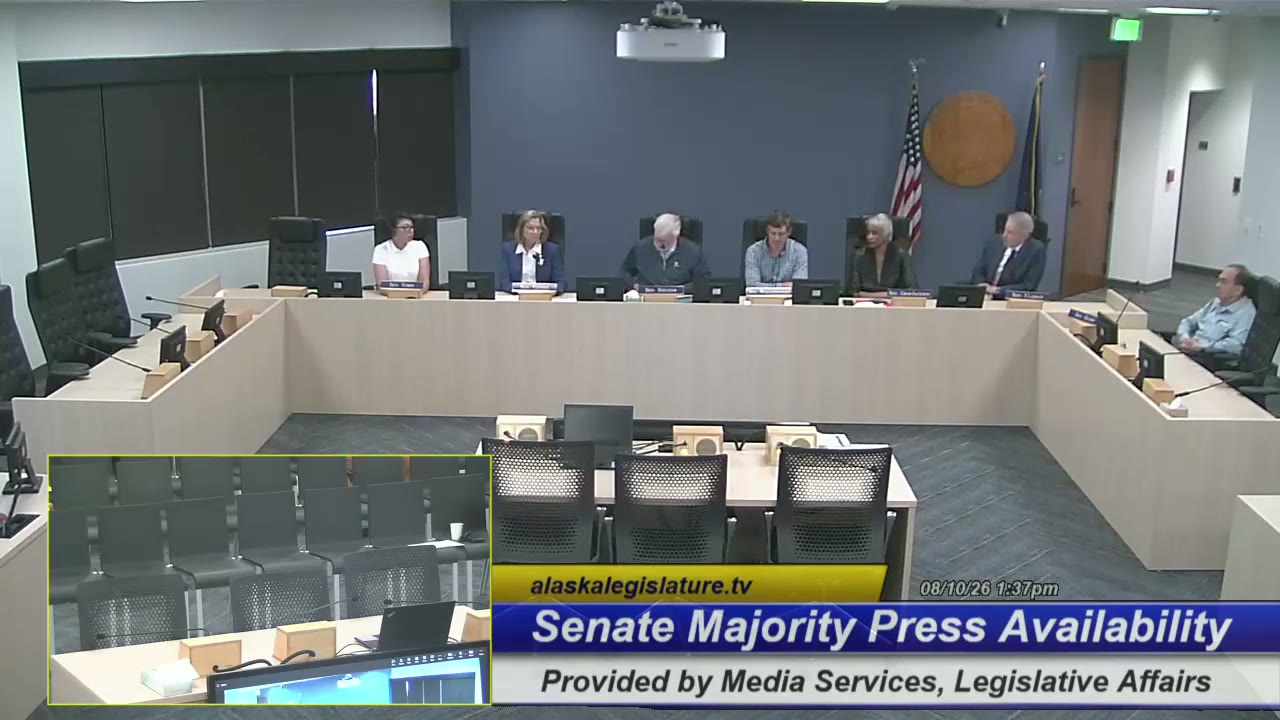
“5 days is virtually impossible for us to get through all of the steps”Alaska Legislature recording 2026-08-10
Bill Wielechowski
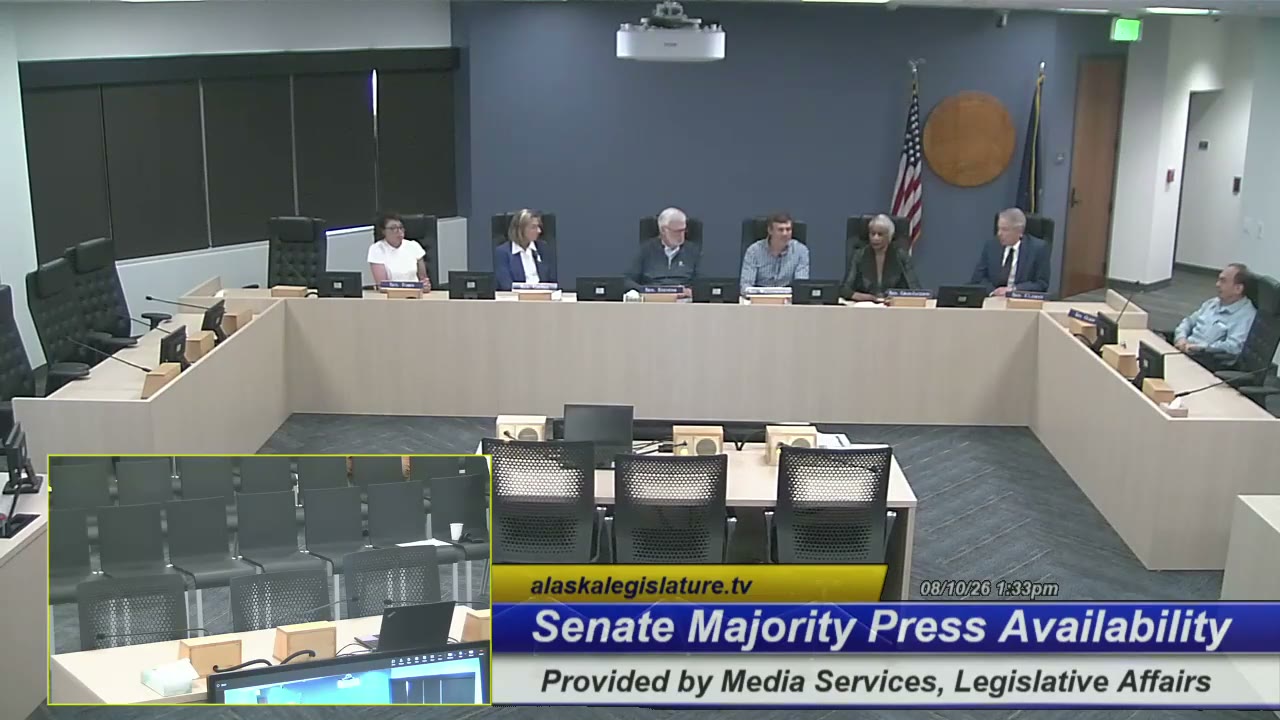
“It's unprecedented. I mean, we've all been through a number of special sessions over the years. I can't ever remember a special session where we didn't have a bill on the first day.”Alaska Legislature recording 2026-08-10
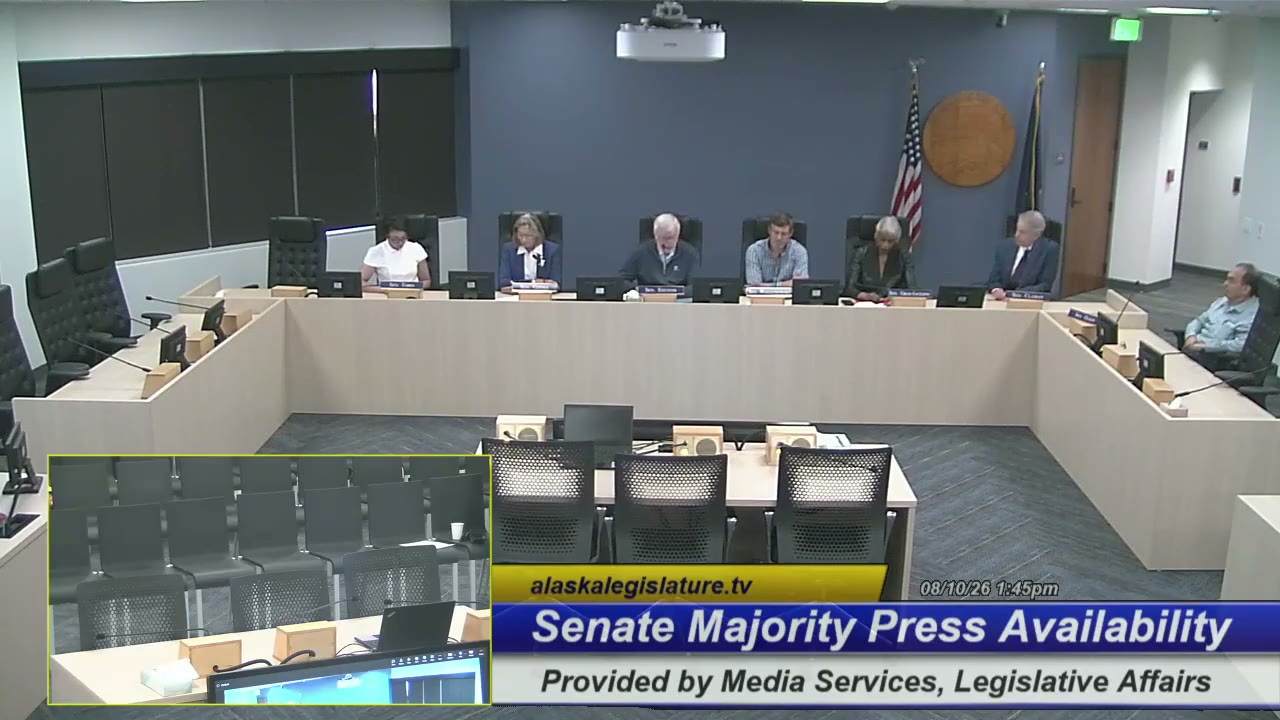
Gary Stevens
“The Senate majority is ready to evaluate the project further once we learn more from the producer, Glen Farn, and from the administration. They need to bring us the numbers this year.”Alaska Legislature recording 2026-08-10
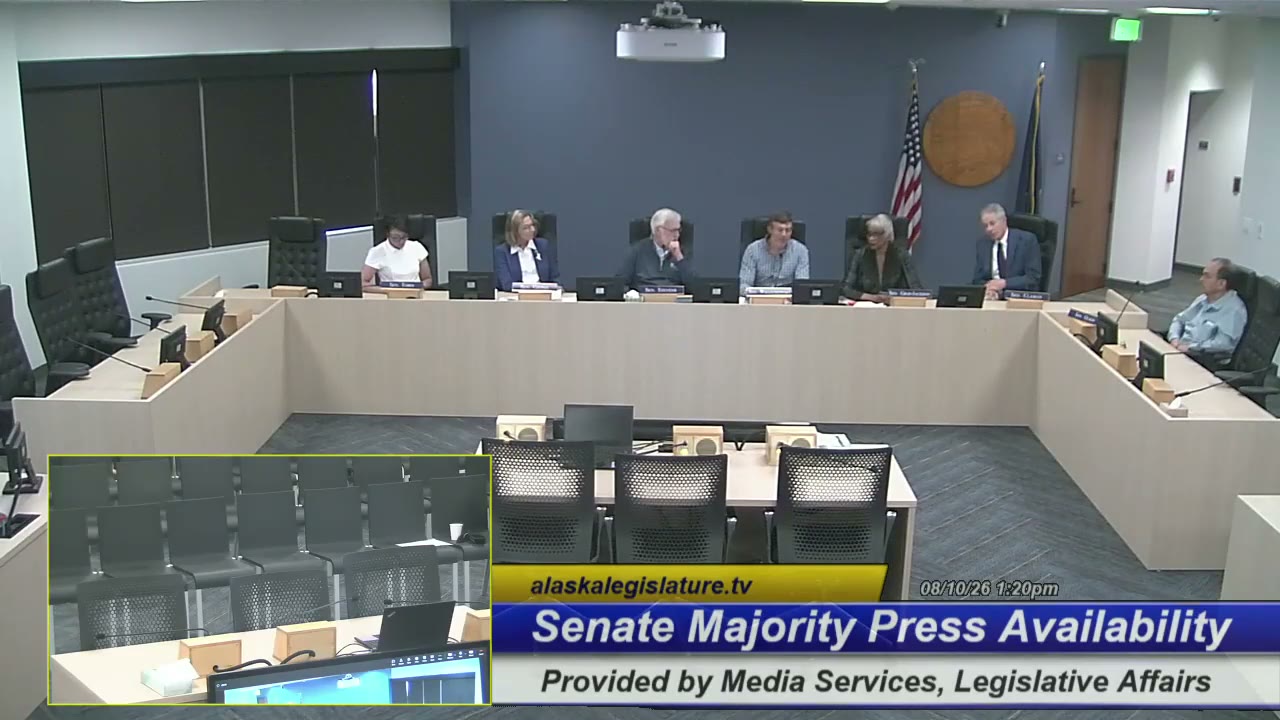
Bill Wielechowski
“if the plan is to get us a bill and then just expect us to rubber stamp it, that's not going to happen in the Senate.”Alaska Legislature recording 2026-08-10
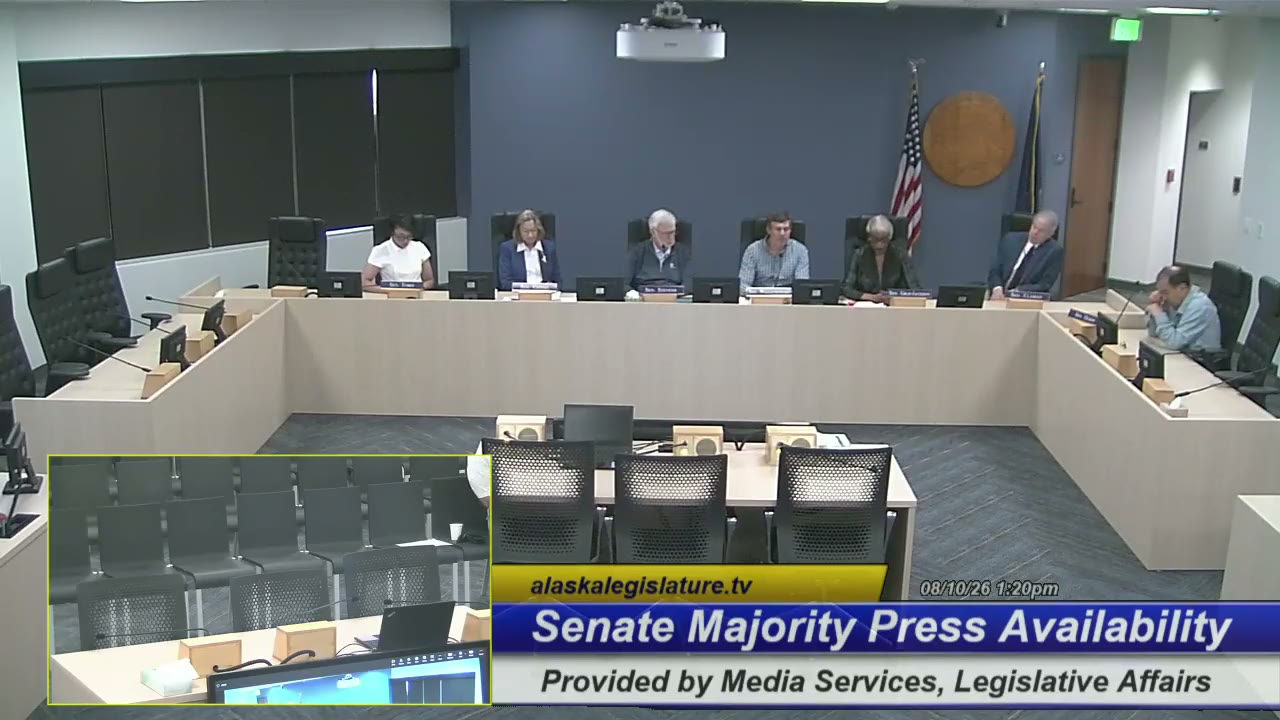
Bill Wielechowski
“The price has gone from initially $44, $45 billion to $55 billion to now the governor over the weekend said It could be as high as $65 to $70 billion.”Alaska Legislature recording 2026-08-10
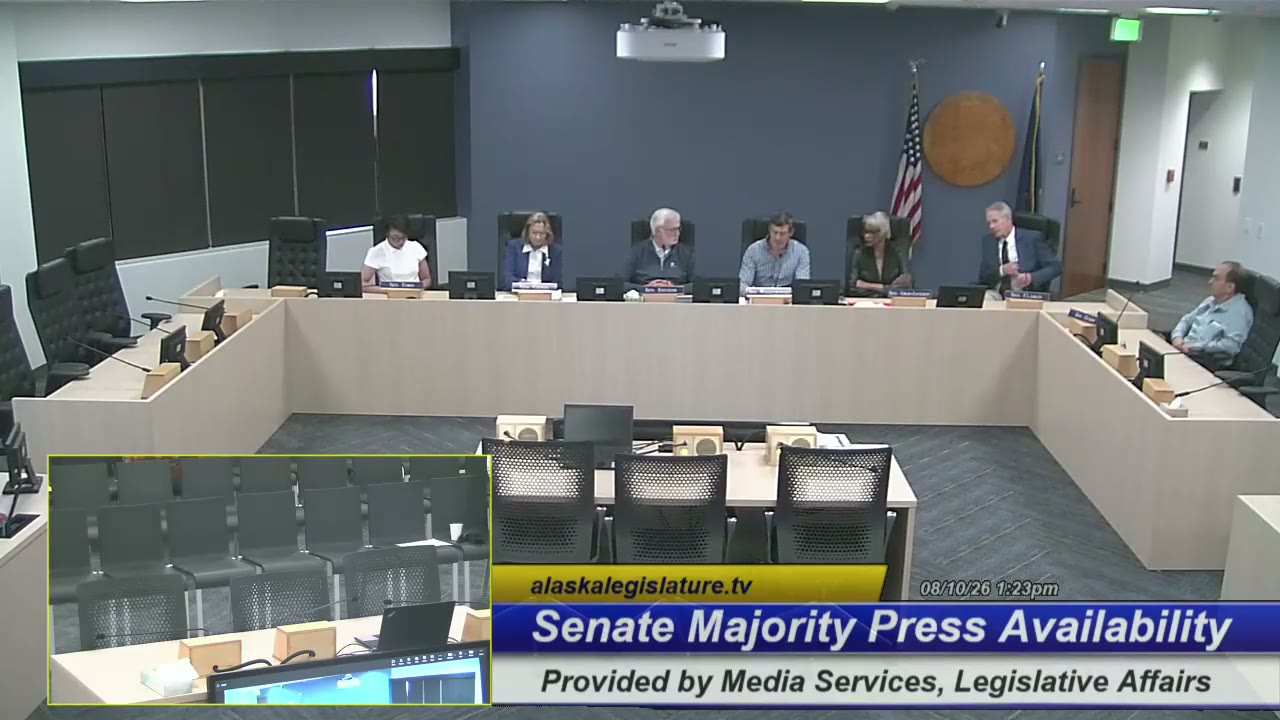
Bill Wielechowski
“if DNR and the governor's office are allowing BlueCrest to sit on what we believe to be 300 billion cubic feet of gas, that is only hurting our situation this winter. If they're allowing— if they're blocking storage issues for this winter or not moving forward and helping storage issues, that is only going to make this situation worse.”Alaska Legislature recording 2026-08-10
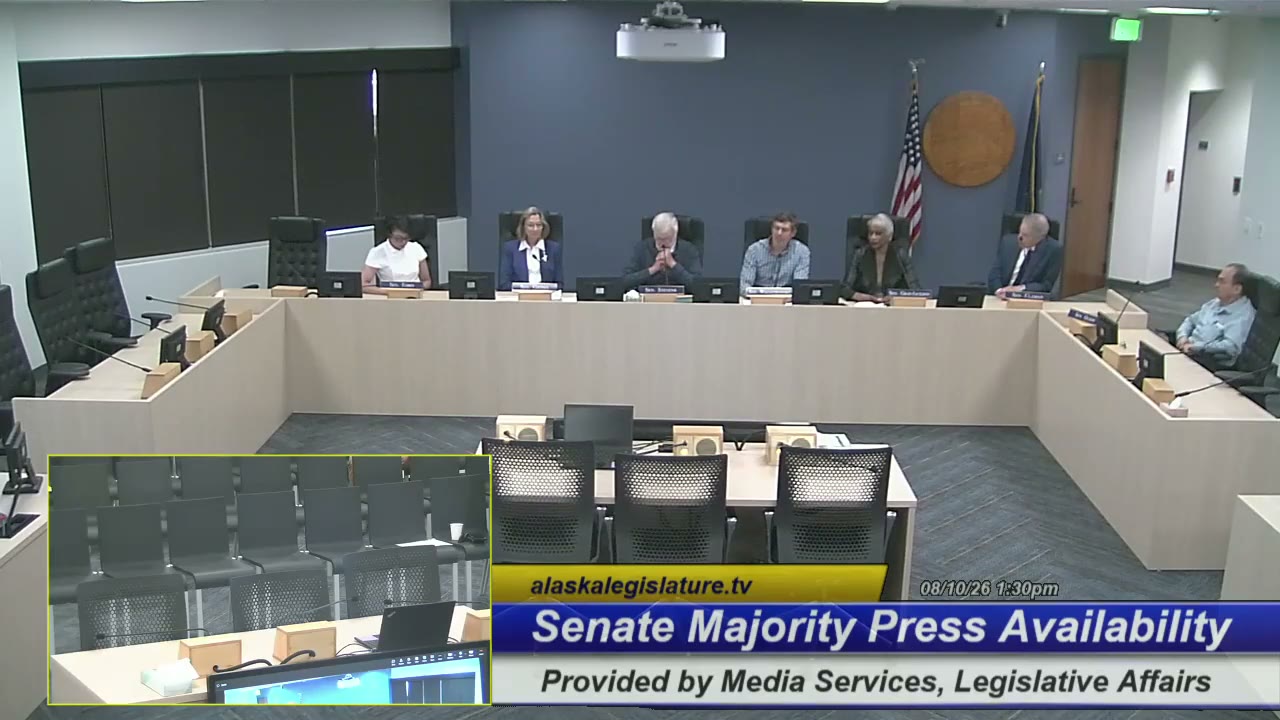
Bill Wielechowski
“for DNR to sit there and the governor to, to dis— to do nothing while Blue Crest, which is, we believe, very productive field, large quantities of gas, is, uh, has really placed us in this unfortunate situation.”Alaska Legislature recording 2026-08-10
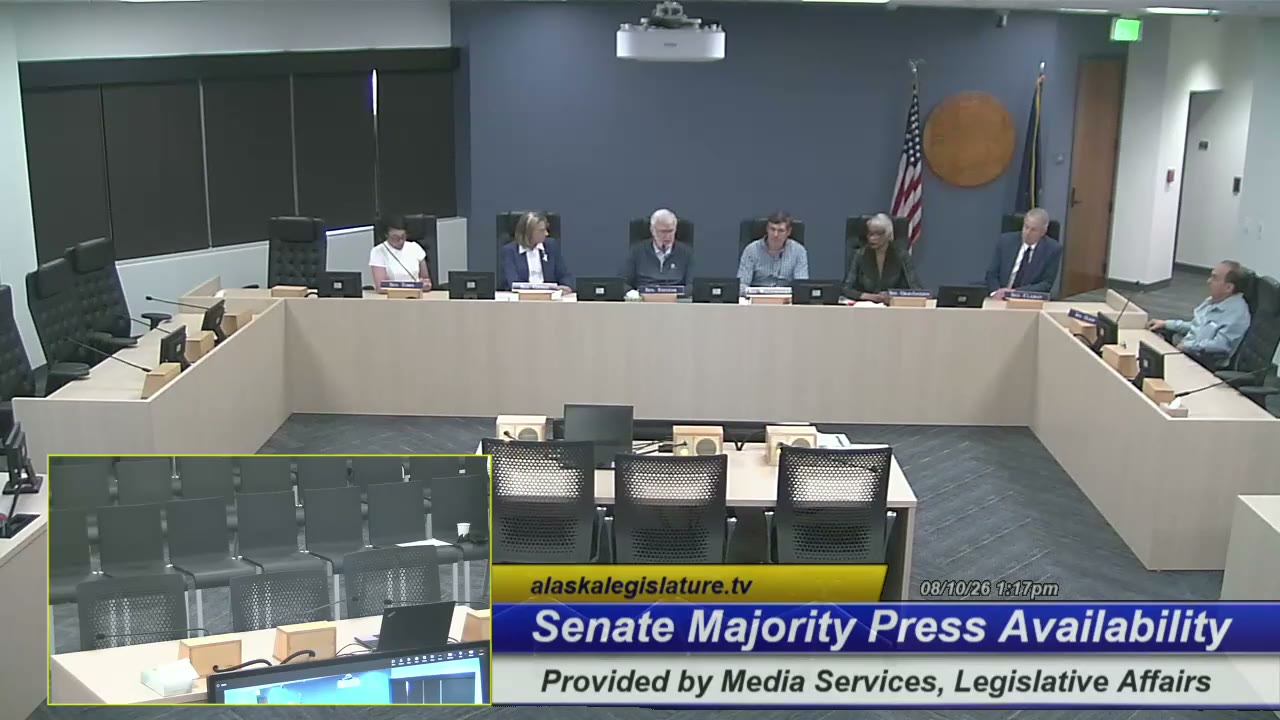
Gary Stevens
“We have not seen the bill. We don't know what's in it. We're anxious to see it. Of course, the problem is that this session, special session, ends on the 25th. So getting that bill on the 20th and getting through it by the 25th is very, very difficult, mainly because, as I've said, we don't know what's in it.”Alaska Legislature recording 2026-08-10
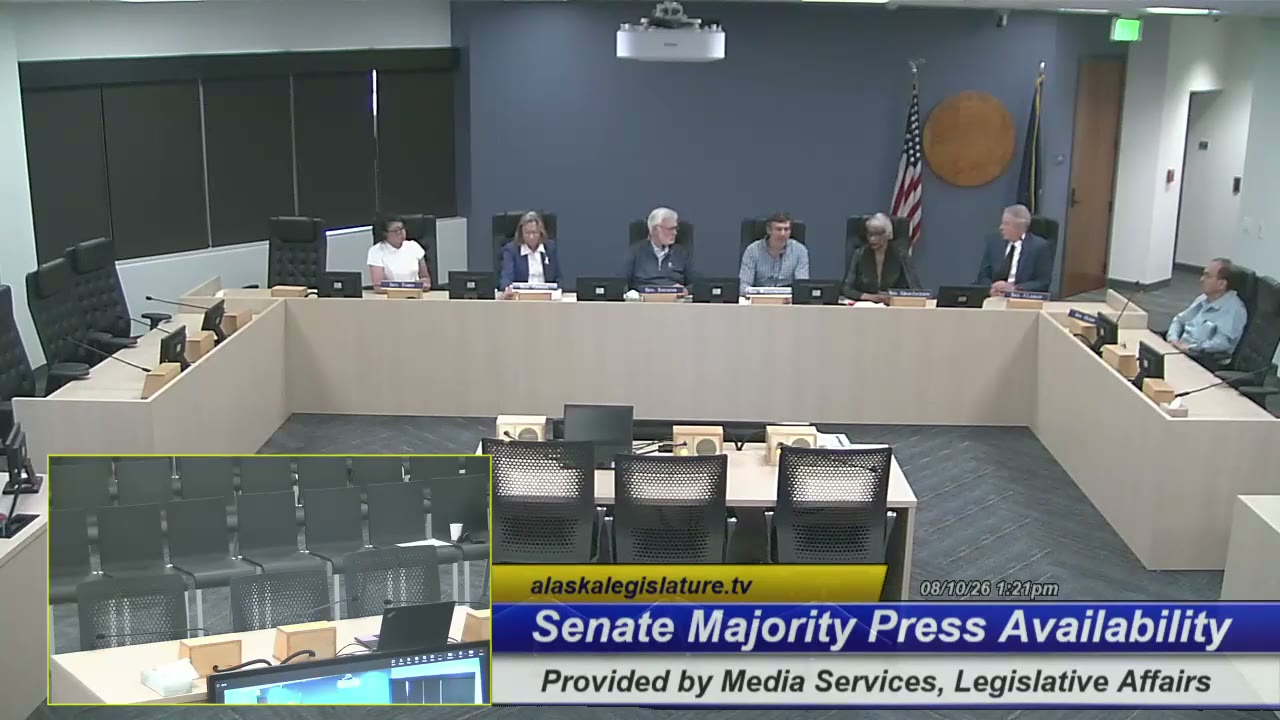
Bill Wielechowski
“We're not going to rubber stamp a bill that we've never seen, that we've never evaluated and have no idea what's in it at this point.”Alaska Legislature recording 2026-08-10
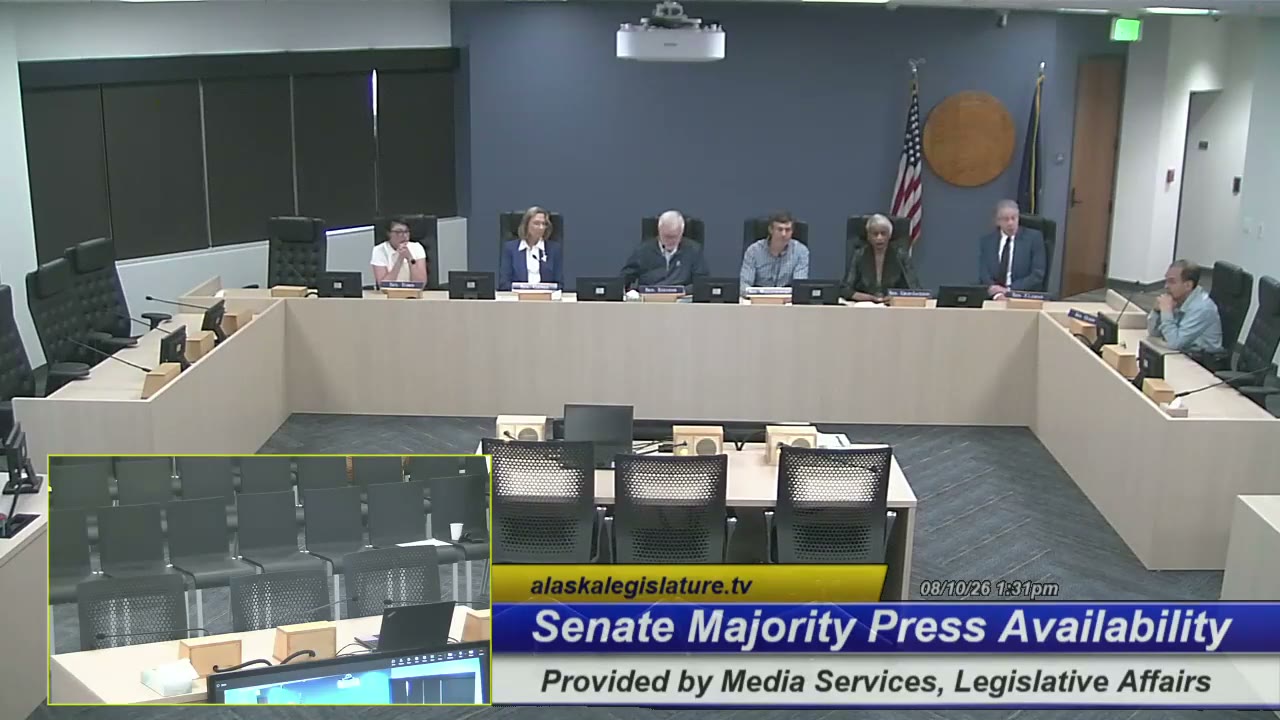
Bill Wielechowski
“The problem is the governor said he will deliver us the bill on the 20th and this special session is over on the 25th.”Alaska Legislature recording 2026-08-10