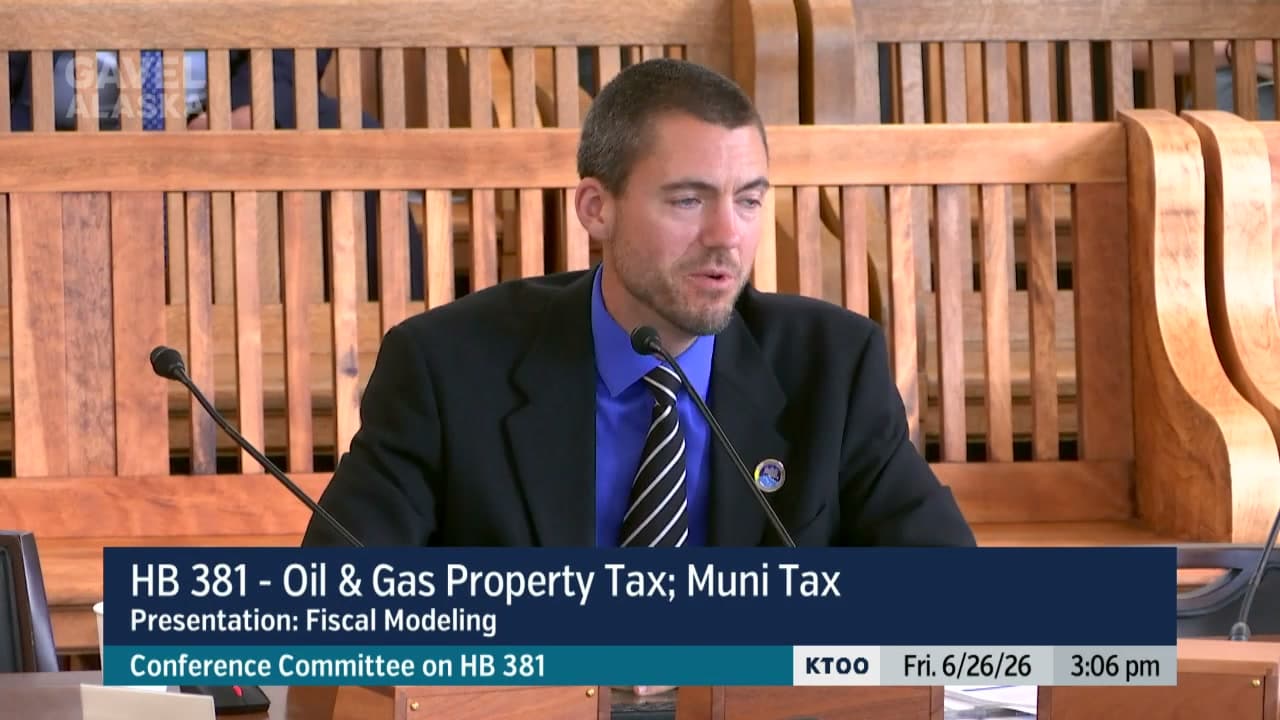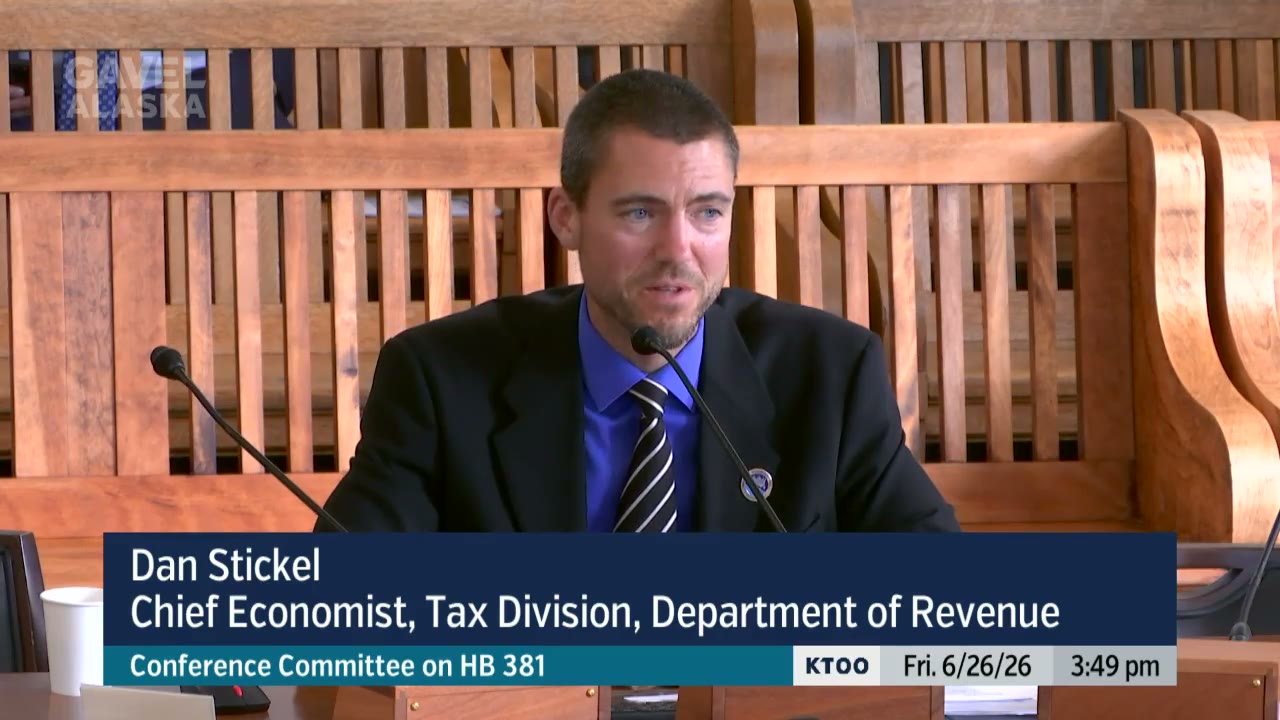
Dan Stickel
97:55 - 98:38
"The act of agreeing on a new set of baseline assumptions, ideally that would be a months-long process where we would collaborate, we would review all of the latest information in detail, spend some time with it. We would collaborate with stakeholders, partners and agencies, developer, AGDC, industry, and kind of synthesize all of that information. And come up with a new set of baseline assumptions."
“The act of agreeing on a new set of baseline assumptions, ideally that would be a months-long process where we would collaborate, we would review all of the latest information in detail, spend some time with it. We would collaborate with stakeholders, partners and agencies, developer, AGDC, industry, and kind of synthesize all of that information. And come up with a new set of baseline assumptions.”
- Speaker
- Dan Stickel
- Timestamp
- 97:55 – 98:38
- Community
- Alaska News
- Location
- Alaska
From the transcript
We've run numerous scenarios for the committees. The act of agreeing on a new set of baseline assumptions, ideally that would be a months-long process where we would collaborate, we would review all of the latest information in detail, spend some time with it. We would collaborate with stakeholders, partners and agencies, developer, AGDC, industry, and kind of synthesize all of that information. And come up with a new set of baseline assumptions. When you get into the production and lease expenditure information for the upstream in particular, that becomes extremely, extremely complex.
Related Coverage
Alaska's gas-pipeline bill now carries a tax on Hilcorp and others
The Alaska Senate added a corporate income tax on oil and gas pass-through entities like Hilcorp to the AK LNG gas-pipeline bill (HB 381), effective 2028 regardless of the project.
 by Walter AlaskaNews3mo ago3 min read
State economist: even with tax breaks, the gas line barely works
State economist Dan Stickel told a legislative conference committee Friday that the Senate version of HB 381 reduces the Alaska LNG export break-even price from $9.05 to $8.62 per thousand cubic feet — still above current futures market prices near $8 — prompting Rep. Justin Ruffridge to say the project simply "doesn't work."
by Walter AlaskaNews3mo ago2 min read