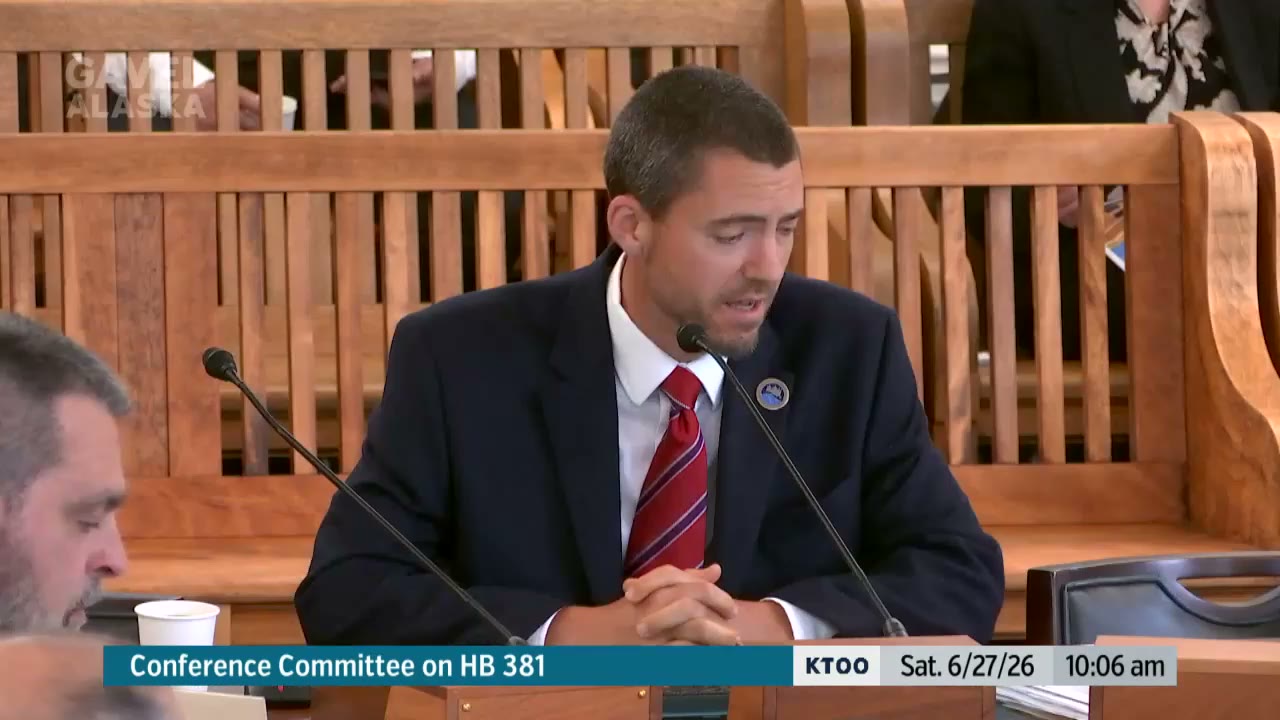
Dan Stickel
10:35 - 11:49
"under the House version of the bill, the alternative volumetric tax was calculated and levied on a per-component basis as a— using a weighted average of capital expenditures. And so once the full project was complete, we would look at the, the total capital expenditures that were spent on each component of the project, being the treatment plant, the pipeline, and the LNG export facility."
“under the House version of the bill, the alternative volumetric tax was calculated and levied on a per-component basis as a— using a weighted average of capital expenditures. And so once the full project was complete, we would look at the, the total capital expenditures that were spent on each component of the project, being the treatment plant, the pipeline, and the LNG export facility.”
- Speaker
- Dan Stickel
- Timestamp
- 10:35 – 11:49
- Community
- Alaska News
- Location
- Alaska
- Captured at
- June 27, 2026
From the transcript
This appendix goes through the calculation of the alternative volumetric tax rates that was in the House bill, is passed through the House, and then explains how those were kind of incorporated into the version that passed out of the Senate. So what slide 48 shows is a— it's a slide that I presented in the Senate Finance Committee, and this shows the alternative volumetric tax calculation for House Bill 381 as passed the House. And so under the House version of the bill, the alternative volumetric tax was calculated and levied on a per-component basis as a— using a weighted average of capital expenditures. And so once the full project was complete, we would look at the, the total capital expenditures that were spent on each component of the project, being the treatment plant, the pipeline, and the LNG export facility. And we would look at what share of the total capital expenditures for the entire project that represented to come up with a component weight.