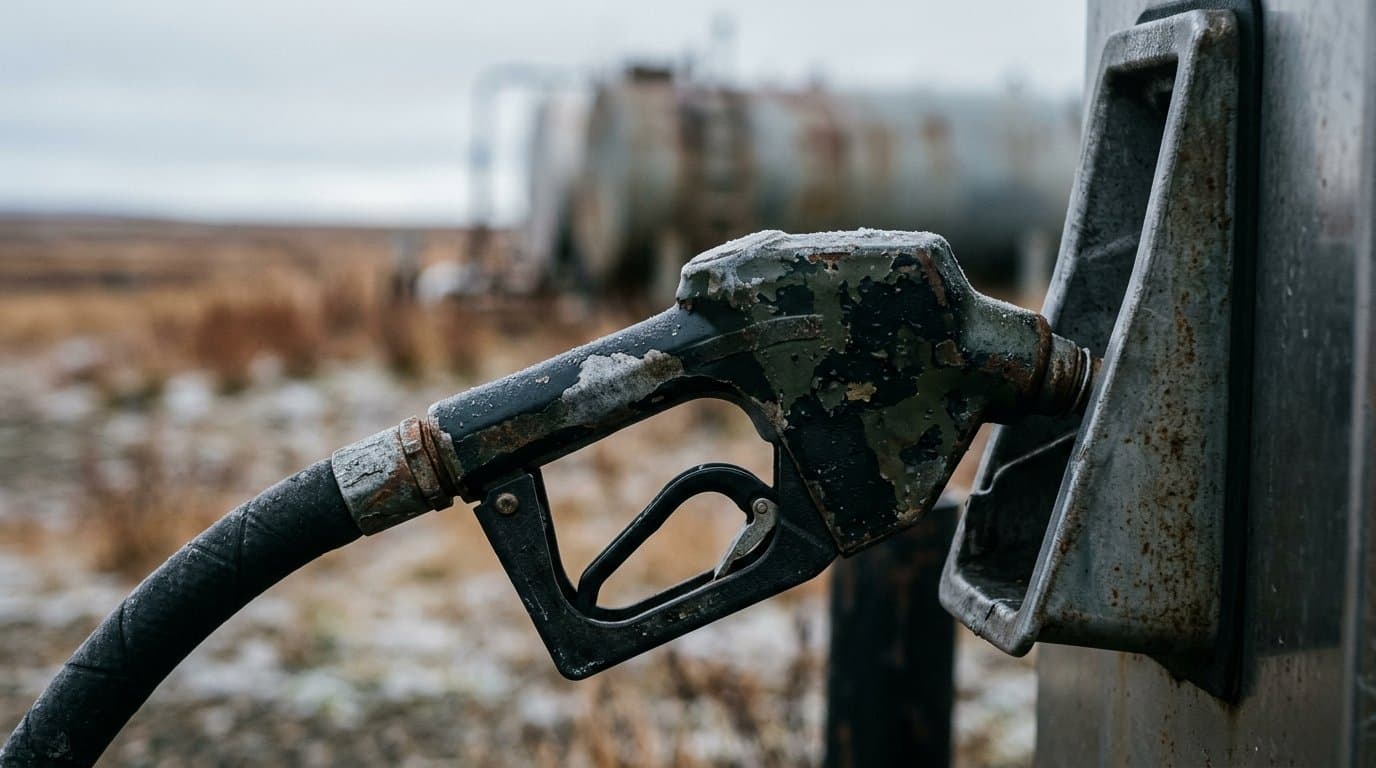
AI image
State credit on home power bills shrinks in 40 of AVEC's 46 village systems
The state credit that lowers electric bills for homes and small businesses will shrink starting Thursday in 40 of the 46 village power systems run by the Alaska Village Electric Cooperative, under amounts state regulators approved Wednesday.
The credit comes from the state's Power Cost Equalization program, which pays part of the bill for eligible homes on up to 750 kilowatt-hours a month. In Bethel, home to 2,788 of AVEC's 11,455 customers, it falls from 41.71 to 23.64 cents per kilowatt-hour, according to the Regulatory Commission of Alaska's order.
What a household pays also depends on AVEC's own rates, which changed too. The commission's new schedules price a 750-kilowatt-hour month in Bethel at $491.98 before the credit, up from $476.68 under the September schedule, with the energy rate up from 15.32 to 19.92 cents. By those figures, the credit on that month drops from $312.83 to $177.30, leaving $314.68 to pay instead of $163.85.
Most other villages had a credit of 56.63 cents. In Anvik it falls to 36.41 cents, but the fuel surcharge in the schedules also fell, from 56.88 to 34.23 cents. By the same figures, the month comes to about $283 after the credit, down from about $295.
Six systems get more: Ambler, Noatak, Shungnak-Kobuk, Goodnews Bay, Kotlik and Wales. Ambler, Noatak and Shungnak-Kobuk reach 74.24 cents, the most the law allows.
The credit is figured from each system's power costs, minus a base rate tied to city electric rates, and can't exceed a village's own rate minus that base. In September, the credits ran above the cost-based figures in the commission's schedules: 56.63 cents in Anvik against 33.76, and 41.71 cents in Bethel against 14.77. The new credits follow each system's costs, within those limits.
In setting them, commission staff asked about spending that did not appear "used and useful in the production of power" and removed $2,199,651 of AVEC's 2025 expenses. The largest were $688,817.29 for outside services and $603,451.64 for training and development, plus about $290,000 for fuel, oil and coolant spill cleanup. AVEC requested several of the adjustments and approved the updated calculations, according to the staff memo signed by Utility Financial Analyst Zack Walters.
The commission last reset AVEC's credits in a Sept. 24 order that fixed formula errors and raised them in 44 of the 46 systems.
AVEC has 15 days from the order to ask the commission to reconsider if it believes the calculations are wrong.
What did you make of this story? (no account needed)
Made by our human newsroom with AI. How humans and AI work here · Grow with our newsroom ·
Keep Alaska News free for everyone.
No paywall, ever. Members pay so everyone can read the meetings and records Alaska News covers.
Get Alaska News in your inbox
Create your free account and get the day’s top stories around 6 each morning, in a few minutes’ read.
Top stories, around 6 each morning.
Stories on what you follow, on Sundays.
Source: Regulatory Commission of Alaska.









Comments
Sign in to leave a comment.
No comments yet. Be the first to share your thoughts.