AI image
UAF wins a $27.6 million contract to keep running stations that listen for nuclear tests
The University of Alaska Fairbanks will keep running 14 U.S. stations that listen for nuclear explosions, three of them in Alaska, under a $27,612,090 contract the Defense Threat Reduction Agency awarded Wednesday.
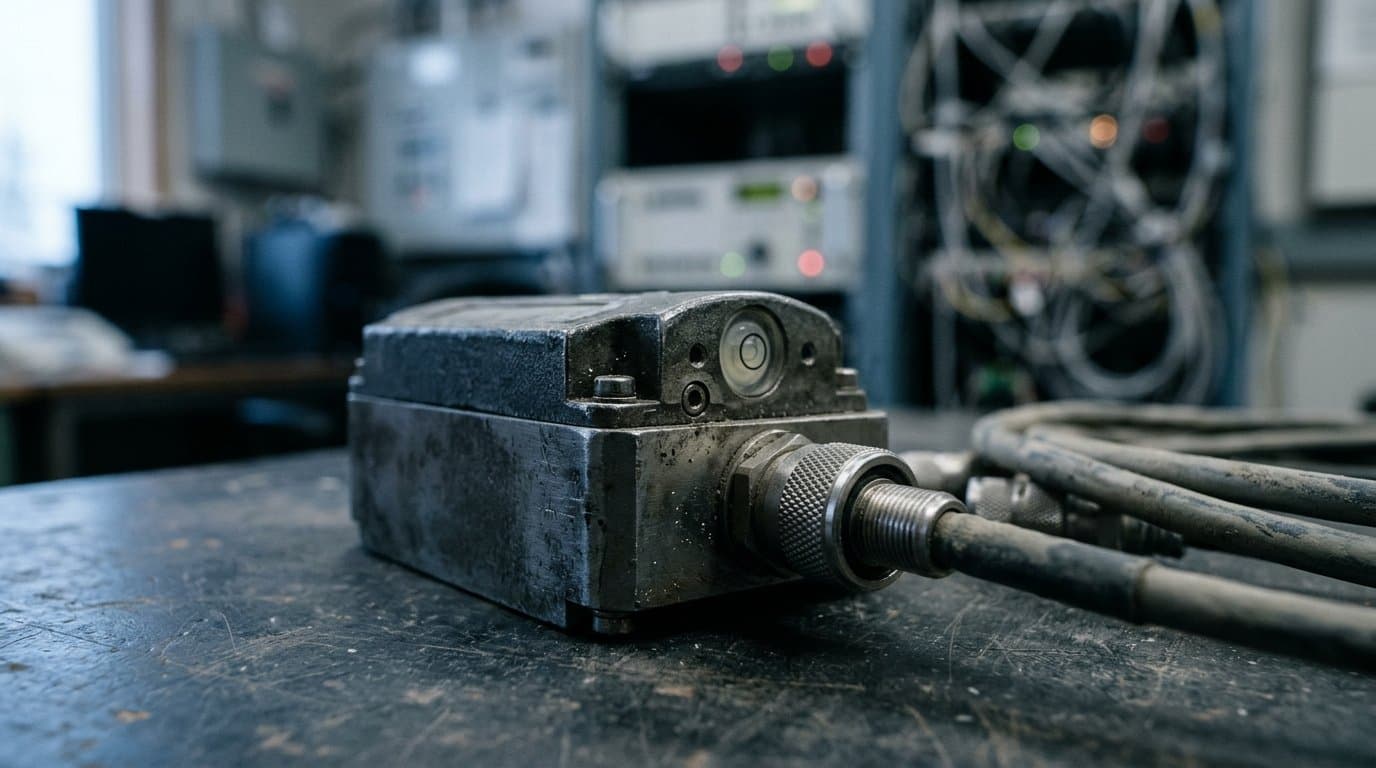
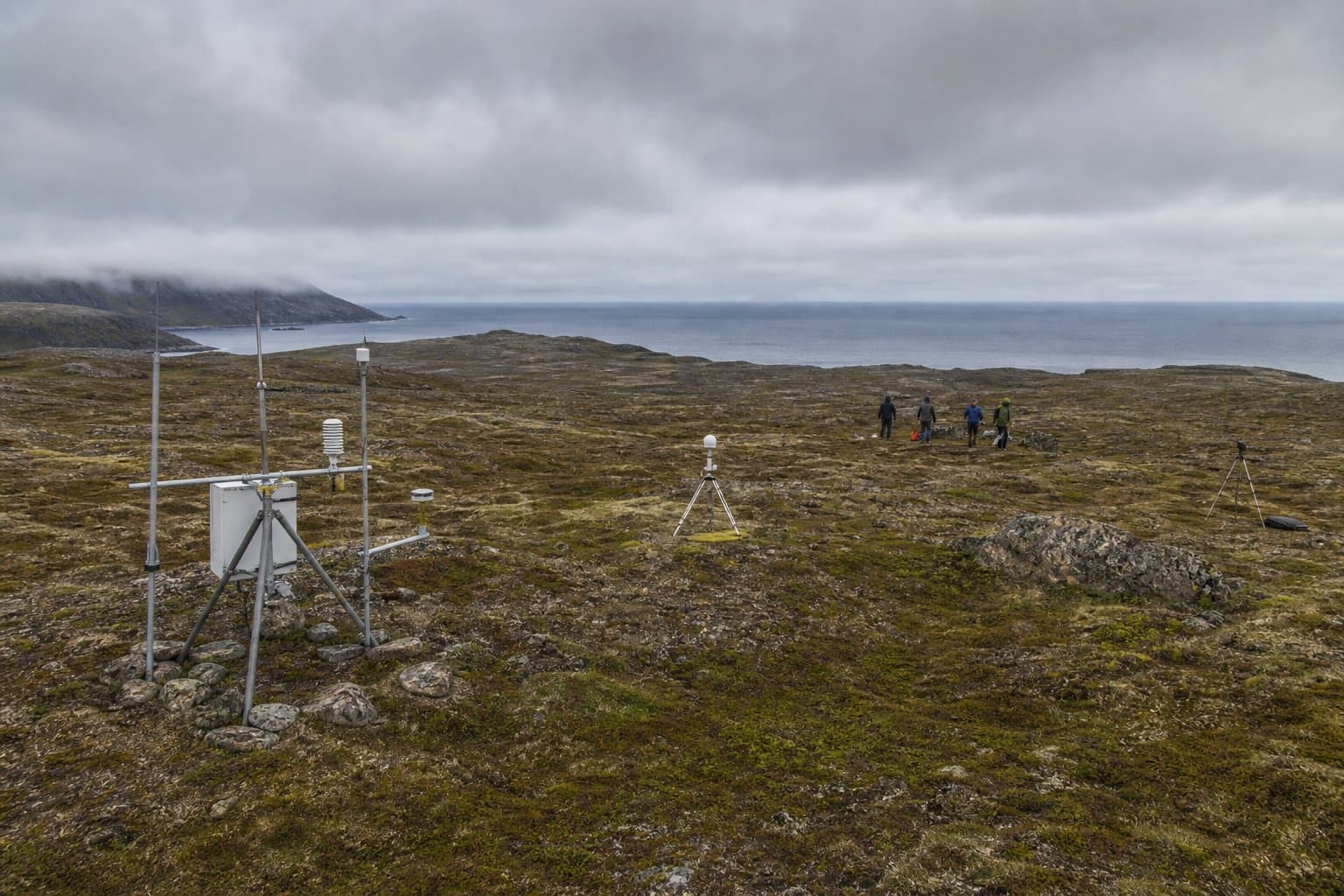
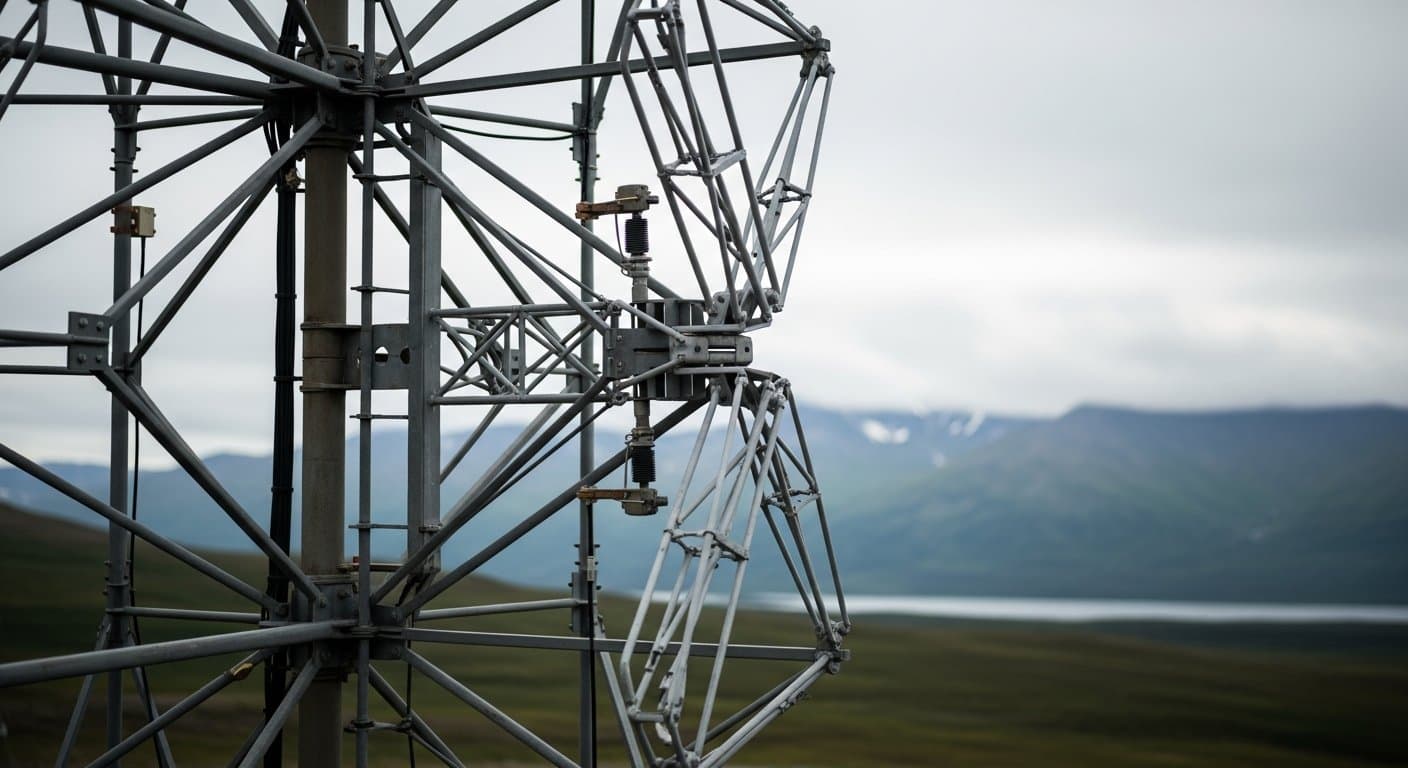
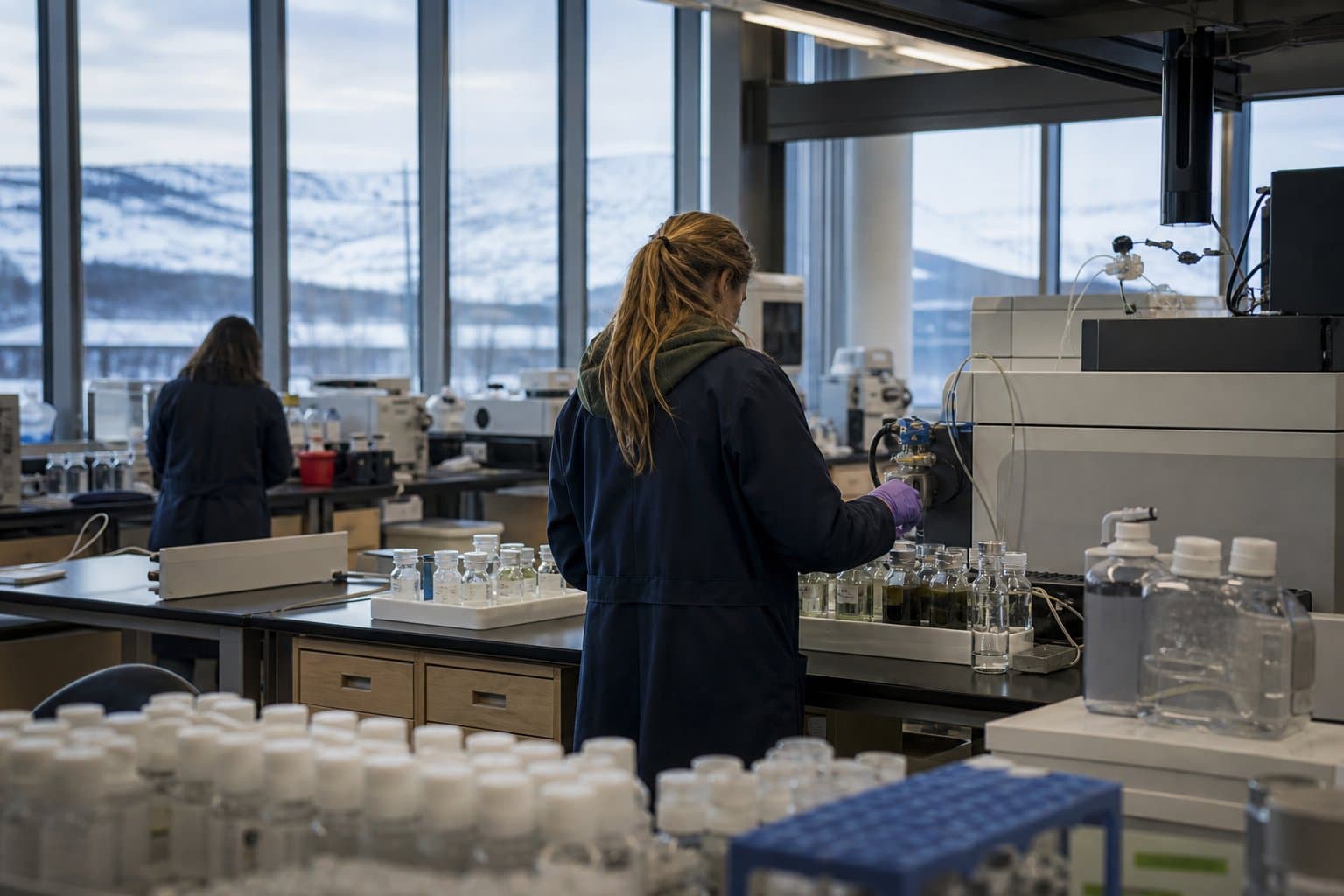
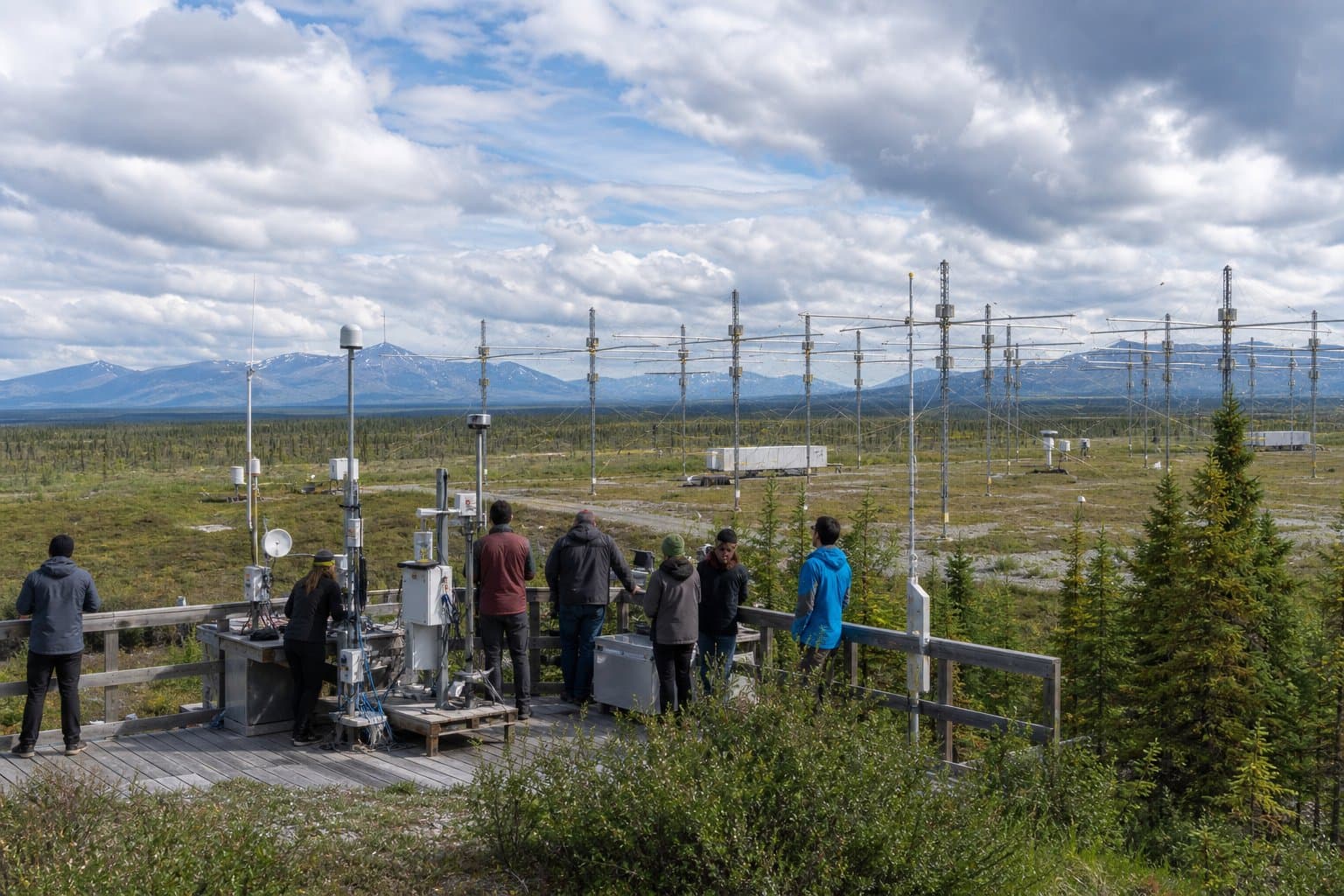
The stations belong to the International Monitoring System, a worldwide network that detects nuclear explosions for the nuclear test-ban treaty, according to the CTBTO, the organization that runs it. UAF's are waveform stations: seismometers that record ground motion and infrasound arrays that record low-frequency pressure changes in the air.
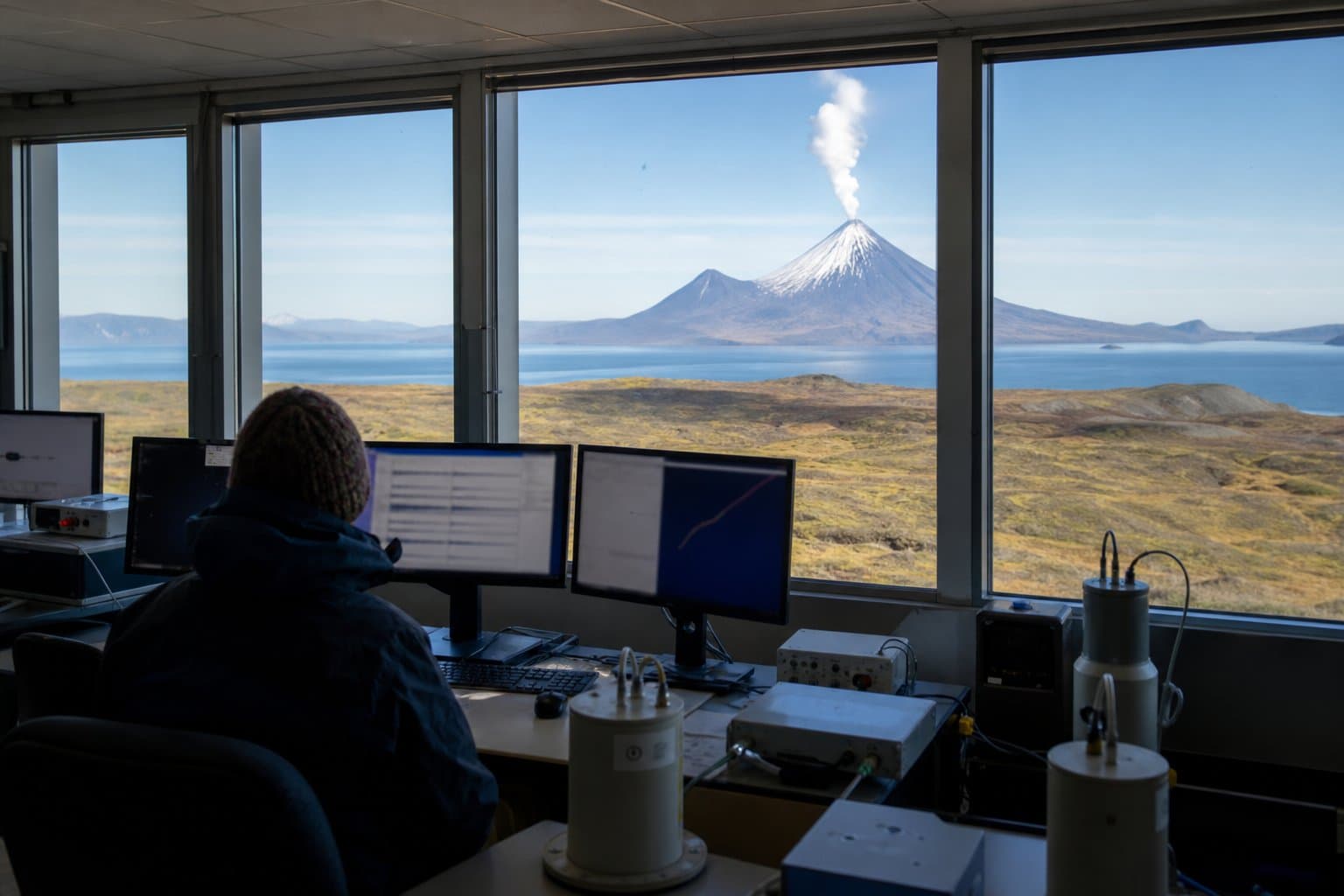
In Alaska, the agency's notices for the work list stations at Fairbanks, Kodiak Island and Shemya Island, in the Aleutians. The Wilson Alaska Technical Center, the UAF Geophysical Institute center that runs them, describes an eight-element infrasound array on the UAF campus, a seismometer at the Coast Guard station on Kodiak and two at Eareckson Air Station on Shemya. The other 11 are in Antarctica, on Pacific islands and in the Lower 48.
The contract pays for running the stations, maintaining them and their sites, and research and testing. The stations are generally automated, and their operators must send continuous data to the network's International Data Centre in Vienna, an April 2025 agency notice says. The program's goal is for the stations' data to be available 98% of the time.
Federal spending records show UAF held two earlier agency contracts for the same work, from April 2017 and April 2021, and neither was competed. The 2021 contract, the predecessor, runs through Monday and has $30,029,093.93 obligated.
A November 2025 notice described the new contract as a follow-on to operate the 14 stations, planned to run five years, a base year and four one-year options, starting in April 2026. The award came in late November instead.
The center says it operates more than 20 infrasound and seismic arrays worldwide, and that their data is also used to monitor volcanic eruptions and earthquakes.
What did you make of this story? (no account needed)
Made by our human newsroom with AI. How humans and AI work here · Grow with our newsroom ·
Keep Alaska News free for everyone.
No paywall, ever. Members pay so everyone can read the meetings and records Alaska News covers.
Get Alaska News in your inbox
Create your free account and get the day’s top stories around 6 each morning, in a few minutes’ read.
Top stories, around 6 each morning.
Stories on what you follow, on Sundays.
Source: Operational Support of Waveform Stations for the United States International Monitoring System (HDTRA1IMSWAVEFORMOM) [Award Notice].





Comments
Sign in to leave a comment.
No comments yet. Be the first to share your thoughts.