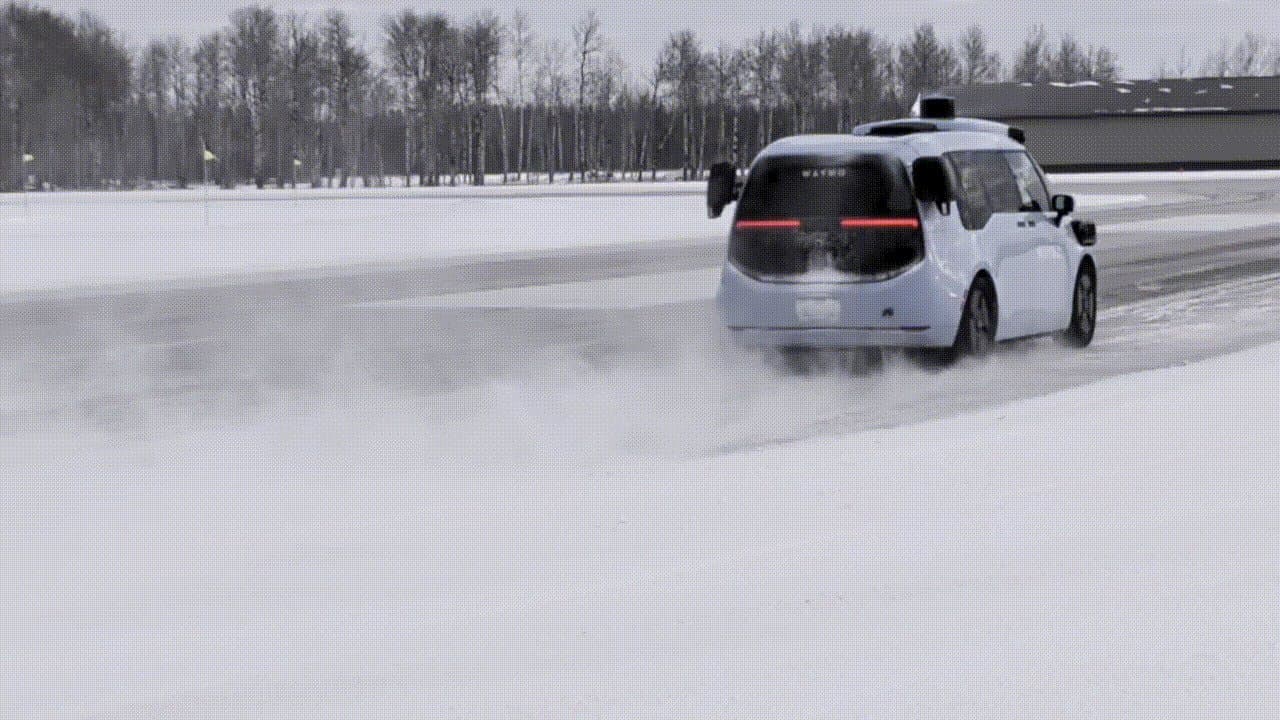
Screenshot from Waymo’s Nov. 5 blog mentioning Alaska · Photo source
Self-driving cars are coming to Alaska to practice in the snow
Waymo, the self-driving car company controlled by Google's parent, Alphabet, said Thursday that it will test its self-driving cars in Alaska this winter, and Gov. Mike Dunleavy welcomed the company by calling Fairbanks the best "proving ground for winter driving."
Waymo's announcement was one sentence in a blog post about driving in winter weather: "This season in Alaska, for example, we'll be conducting closed-course evaluations and heavy snowfall data collection to further refine critical cold-weather capabilities." It doesn't name a city.
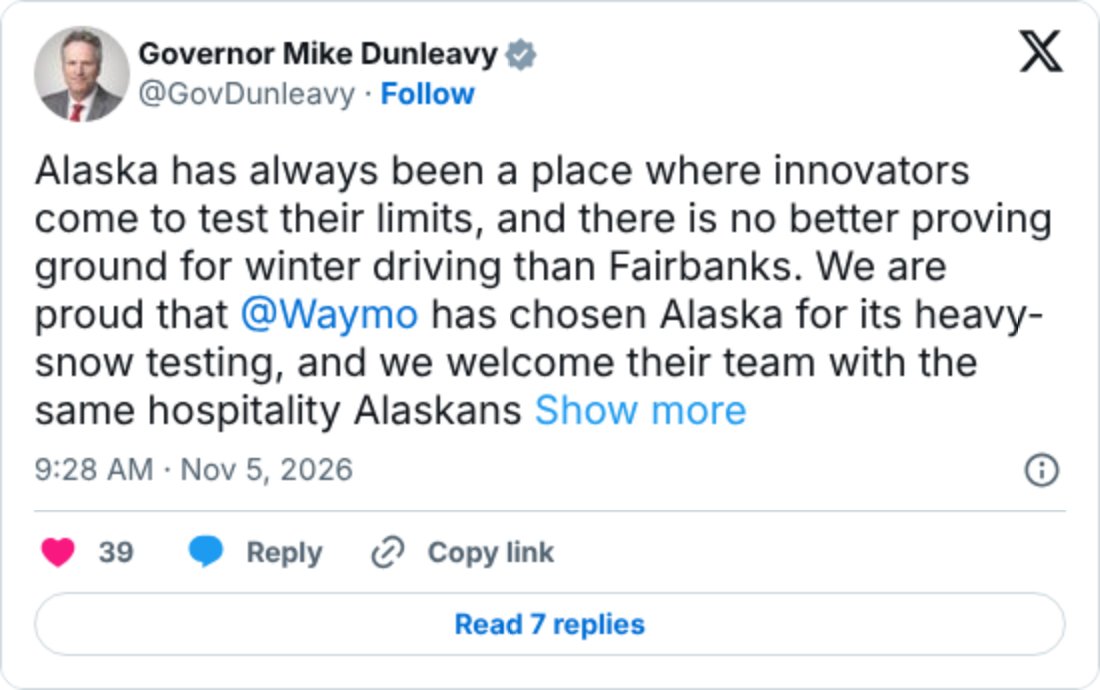
The governor's post on X went further. "There is no better proving ground for winter driving than Fairbanks," Dunleavy wrote, adding that the testing would include "both the Ojai and the Hyundai Ioniq."
The Ojai is Waymo's newest robotaxi, built in China by Zeekr, a brand of the Chinese automaker Geely, and fitted with Waymo's sensors in Arizona. It has carried riders since May. Waymo has been testing a self-driving Hyundai Ioniq 5, built in Georgia, on roads since November 2025. Neither Waymo nor the governor said exactly where the testing will happen, how many cars are coming, how long they'll stay or whether they'll drive on Fairbanks streets.
Snow is a problem the self-driving industry hasn't fully solved. Waymo operates in 15 major U.S. cities and has logged more than 300 million fully autonomous miles, according to Alphabet. But its own safety data, which runs through June, includes no snow.
"There is no commercial [automated driving] service operating in winter conditions or freezing rain," Steven Waslander, a University of Toronto robotics professor who studies winter driving, told Heatmap in February. "We don't have it completely solved." He added: "But our research has shown that a lot of the winter conditions are reasonably manageable."
Waymo started giving public rides Sept. 1 in Denver, which a company spokesperson told the Denver Gazette is "the first true winter weather market." In snowy cities, Waymo says, it validates its system "with trained human drivers behind the wheel." When the weather goes beyond what it has validated, it plans to limit or pause service, and "those pauses may last for hours or even days."
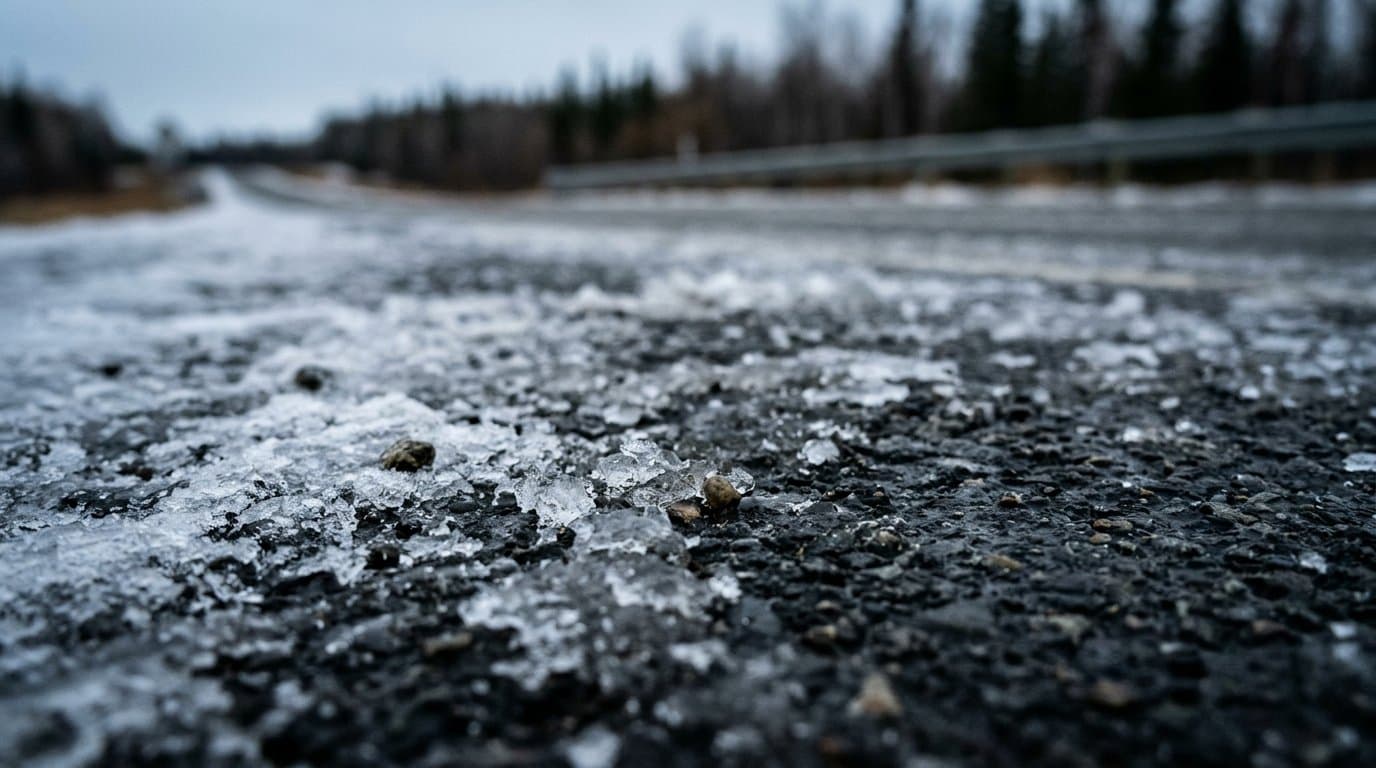
Winter can trip up a self-driving car in several ways. Falling snow can clutter the readings from lidar, the laser sensors that map a car's surroundings, with false detections and missed objects, researchers have found. Snow can bury the lane lines, curbs and signs the cars rely on. Black ice is "nearly invisible even to advanced sensors," Frances Zhu, a Colorado School of Mines researcher, told Denver's Westword.
And a 2022 study found that car exhaust condensing in cold air creates "ghost object detections" in lidar. In Fairbanks, at about 30 below, that exhaust freezes into ice fog. Car exhaust is "the main cause of limited driving visibility," UAF science writer Ned Rozell wrote in 2024. Ice fog has become rarer, averaging about six days a year from 1990 to 2020.
Waymo says its cars measure traction under each wheel, will run on snow tires and use "built-in heaters and micro-wipers" to keep sensors clear.
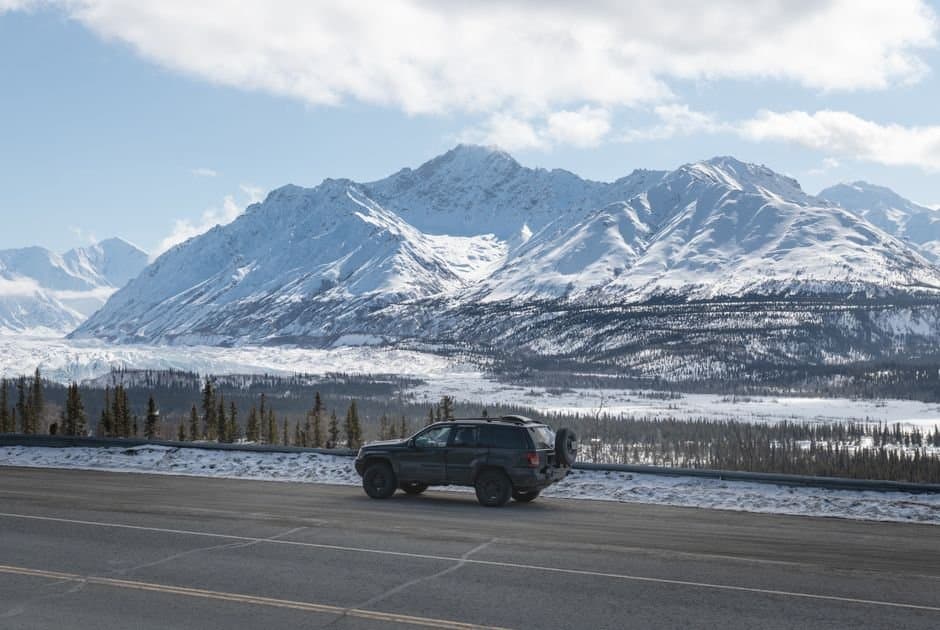
Fairbanks isn't the snowiest place Waymo has tested. It gets about 5 feet of snow in an average winter, compared with about 8 in Buffalo, N.Y., where Waymo spent part of the 2023-24 winter. But Fairbanks snow stays, covering the ground with at least an inch about half the year. On Thursday, the sun rose at 8:53 am and set at 4:15 pm. On the Dec. 21 solstice, Fairbanks will get 3 hours and 42 minutes of daylight.
The deep cold is less dependable. Fairbanks has averaged 10.5 days a year at 40 below or colder since 1930, but only about two a year from 2016 to 2025, according to UAF's Alaska Climate Research Center. Last winter brought 24.
Waymo wouldn't be the first company to come north for the cold. Volvo Trucks calls Fairbanks its "cold weather testing headquarters." The Army began cold-weather testing in Alaska in 1946 and runs its Cold Regions Test Center near Delta Junction. An auto industry group told legislators in May that several automakers already do severe-weather testing near Fairbanks.
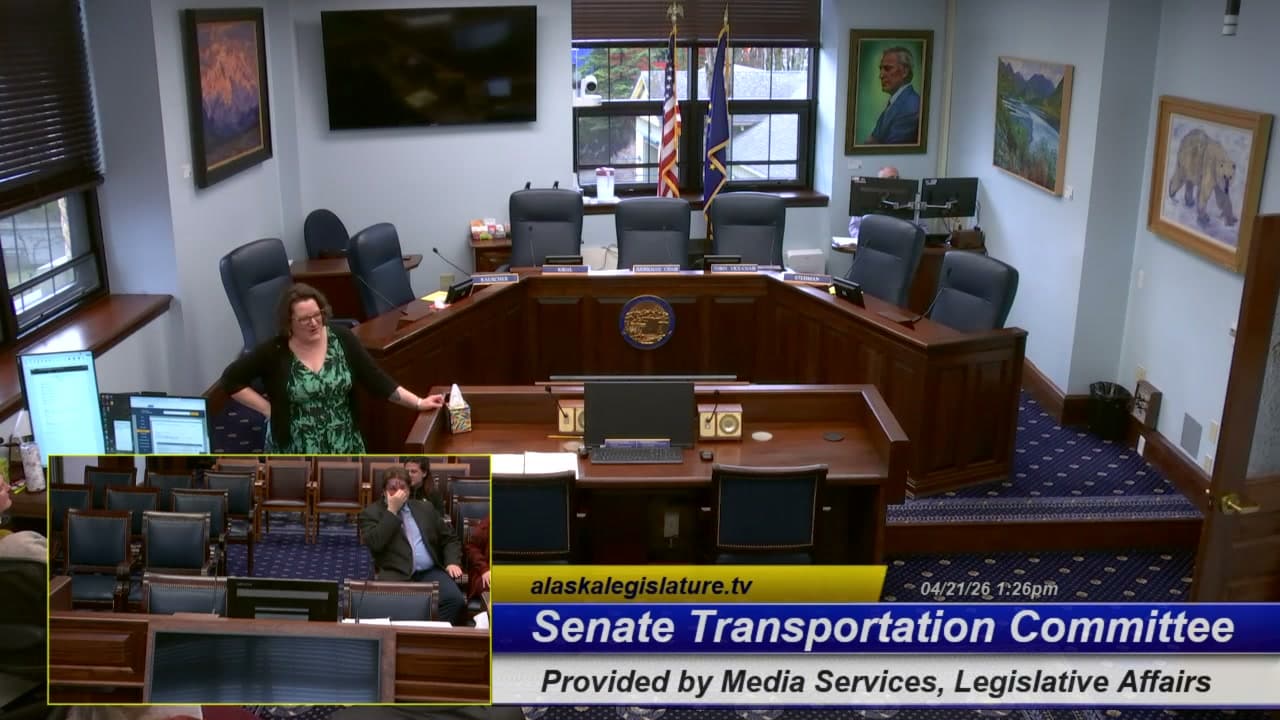
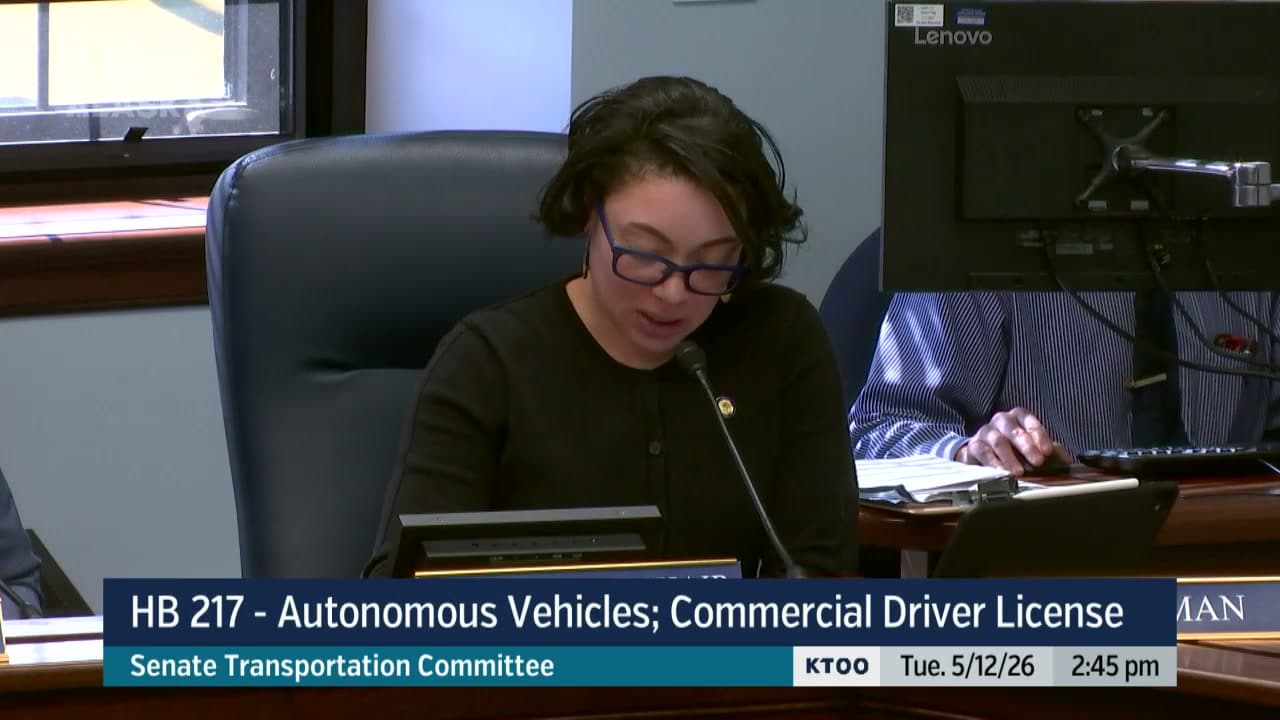
Alaska has no law written for self-driving cars, Sen. Robert Myers of North Pole told a Senate committee in April. A bill that would have required a human safety operator in commercial self-driving vehicles, HB 217, passed the House in April and died in the Senate Rules Committee when the session ended May 20.
Myers, who sponsored a similar Senate bill, drew a distinction. "There is a big difference between, say, a Waymo taxi going down the road at 20 miles an hour through town and a 90,000-pound truck going down the road at 50, going down the highway at 55," he said.
Waymo says that, on the city streets where it operates, its cars are in 82% fewer injury crashes than human drivers, based on 271 million miles through June. Weather has tripped them up before. In April, an empty Waymo drove into a flooded road in San Antonio and was swept away, and the company recalled 3,791 vehicles for a software fix.
What did you make of this story? (no account needed)
Get Alaska News in your inbox
Create your free account and get the day’s top stories around 6 each morning, in a few minutes’ read.
The day's top stories around 6 each morning. Unsubscribe in one click.








Comments
Sign in to leave a comment.
No comments yet. Be the first to share your thoughts.