AI image
Park Service corrects wording of new Alaska harvest rule's "subsistence uses" change
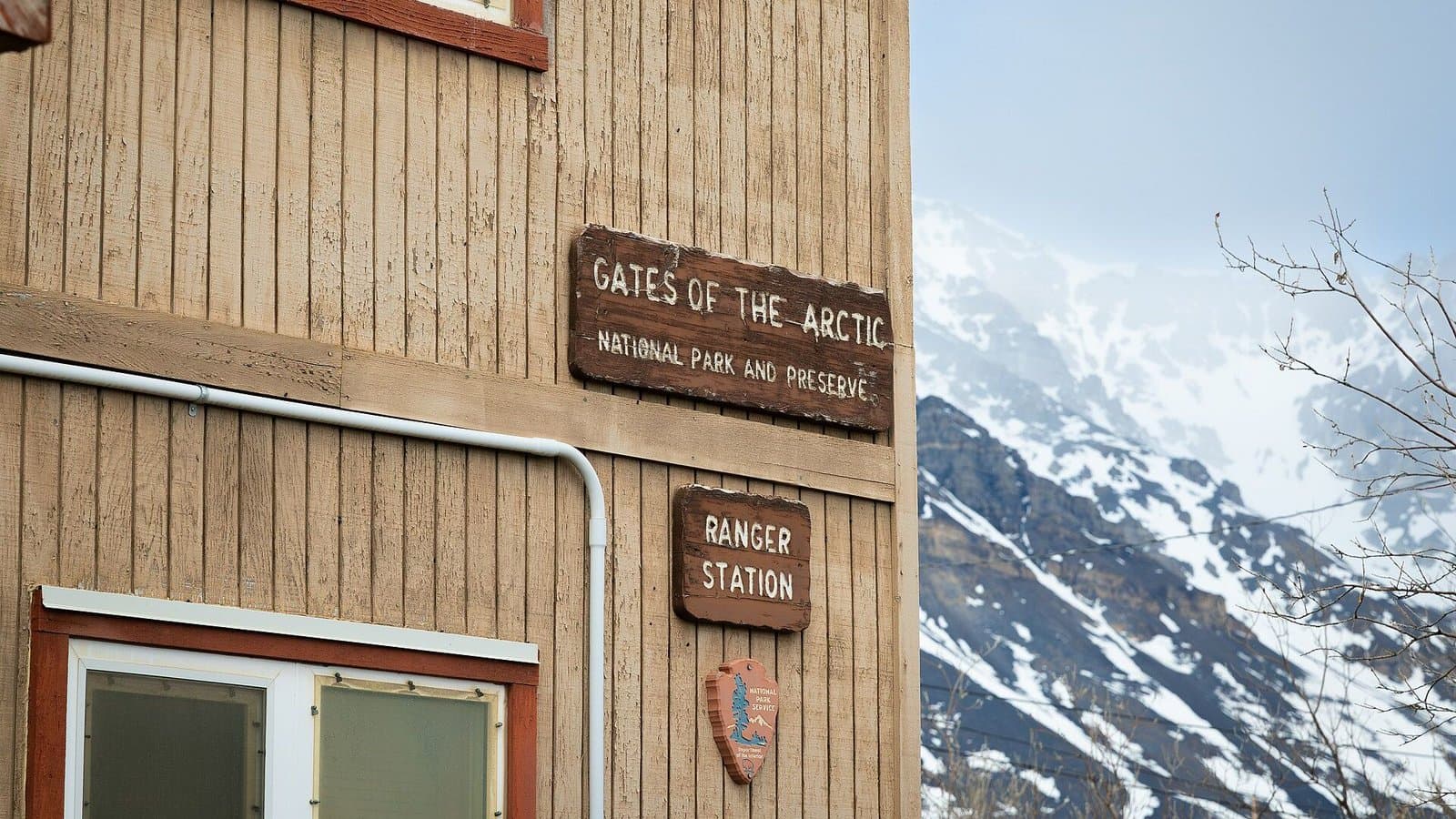
The National Park Service filed a correction Tuesday to its new Alaska wildlife harvest rule, limiting the rule's change to the federal definition of "subsistence uses" to that definition's introductory text. The terms defined after that opening stay as they are.
The correction is scheduled to be published in the Federal Register on Wednesday. In the final rule published Oct. 19, the revised definition ended its opening text with "For the purposes of this paragraph, the terms" followed by asterisks marking unchanged text. The correction specifies that the amendment covers only "the introductory text of the definition for Subsistence uses."
The rule takes effect Nov. 18 for subsistence users, hunters, trappers and anglers on Park Service land in Alaska.
It rewrites regulations for hunting, fishing, trapping and other harvest in Alaska park areas, along with the procedures used to restrict public use and access, including for subsistence. The agency says it restores the framework adopted in 1981 to carry out the Alaska National Interest Lands Conservation Act, the 1980 law that created Alaska's national preserves. It rescinds the 2024 changes and most of those made in 2015 and 2017, though it keeps the 2017 definitions of customary trade and handicraft.
The rule removes restrictions on harvesting bears over bait for all user groups, drops the permit requirement for collecting animal parts for handicrafts and restores public hearings before certain closures affecting fish and wildlife harvest.
The Park Service received 5,172 public comments during a 46-day comment period. The agency says the rule is consistent with recent executive orders and Interior secretary's orders.
Source: National Park Service, National Park Service: Wildlife, Harvest, and Access: Alaska; Correction.
Made by our human newsroom with AI. Reviewed by Cale Green. How humans and AI work here · Grow with our newsroom
Stay informed. Support what matters.
Free local news you can verify. Support Maggie AlaskaNews and go ad-free.




Comments
Sign in to leave a comment.
No comments yet. Be the first to share your thoughts.