AI image
Park Service drops permit for subsistence users gathering antlers and bones for crafts
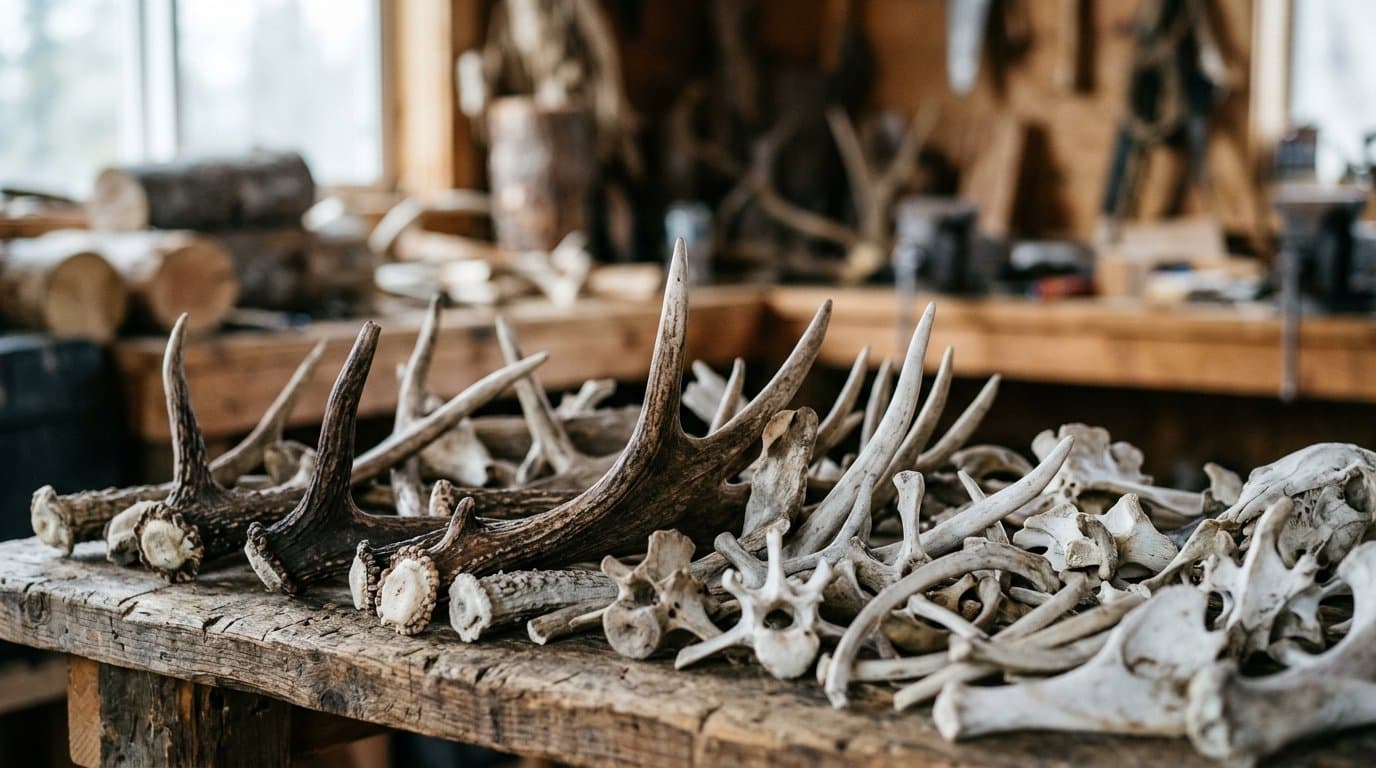
Starting Nov. 18, rural subsistence users who pick up antlers, bones and similar materials to make handicrafts in Alaska park areas where subsistence is allowed will no longer need a National Park Service permit first.
The permit had been required since 2017. Nearly every commenter speaking for subsistence users and Alaska Native organizations opposed it when the Park Service adopted it, according to the Park Service's final rule dropping it. Collecting was already legal, they argued, and most of it happens by chance, which does not fit a system of asking permission first. They said they had spent nearly a decade working in good faith with regulators and got new restrictions instead of the clarity they wanted.
Collecting stays legal. Only the permit and its conditions go away. The Park Service said dropping it will spare subsistence users unnecessary administrative burdens, and pointed to their comments as one reason.
The rule also restores pre-2017 wording that lets local rural residents gather fruits, berries, mushrooms and other plant materials, and dead or downed wood for firewood, for noncommercial use without a permit.
Some limits stay. A trophy or a European mount of horns or antlers still does not count as a handicraft.
The handicraft change is part of a broader rollback. The same rule allows bear baiting again in national preserves, as Alaska News reported, and brings back local hearings and newspaper and post office notice before temporary fish and wildlife closures. The Park Service said the rule largely restores the framework that governed Alaska park areas from 1981 until 2015, keeps some 2017 changes and does not change the federal rural subsistence priority.
The agency received 5,172 comments. It extended the comment period to 46 days after Federal Subsistence Regional Advisory Councils and others said 30 days was too short, and it acknowledged that some rural communities with limited connectivity had less chance to weigh in.
Source: National Park Service, National Park Service: Federal Register :: Alaska; Wildlife, Harvest, and Access.
Made by our human newsroom with AI. Reviewed by Cale Green. How humans and AI work here · Grow with our newsroom
Stay informed. Support what matters.
Free, permanent access to local news you can verify. Subscribe to support Maggie AlaskaNews and go ad-free.
Related Coverage
Park Service final rule allows bear baiting again in Alaska national preserves
Alaska News · 1w ago
Park Service will again hold local hearings before Alaska park hunting closures
Alaska News · 11h ago
Park Service proposes ATV access across Gates of the Arctic for Anaktuvuk Pass residents
Alaska News · 6d ago
Federal subsistence permits and harvest reports move online in new Alaska portal
Alaska News · 4w ago
BLM rule would let NPR-A operators waive subsistence conditions without public notice
Alaska News · 1mo ago
Comments
Sign in to leave a comment.
No comments yet. Be the first to share your thoughts.