
Editorial map (Gemini + Google Maps)
Ouzinkie shuts off its diesel and runs its grid on a battery for 45 minutes
Ouzinkie shut off its diesel generator on Sunday, Nov. 15, and ran the community's electrical system on battery power alone for 45 minutes, the Alaska Native Tribal Health Consortium said. It was the first diesel-off test of a new solar and battery system the tribe will own.
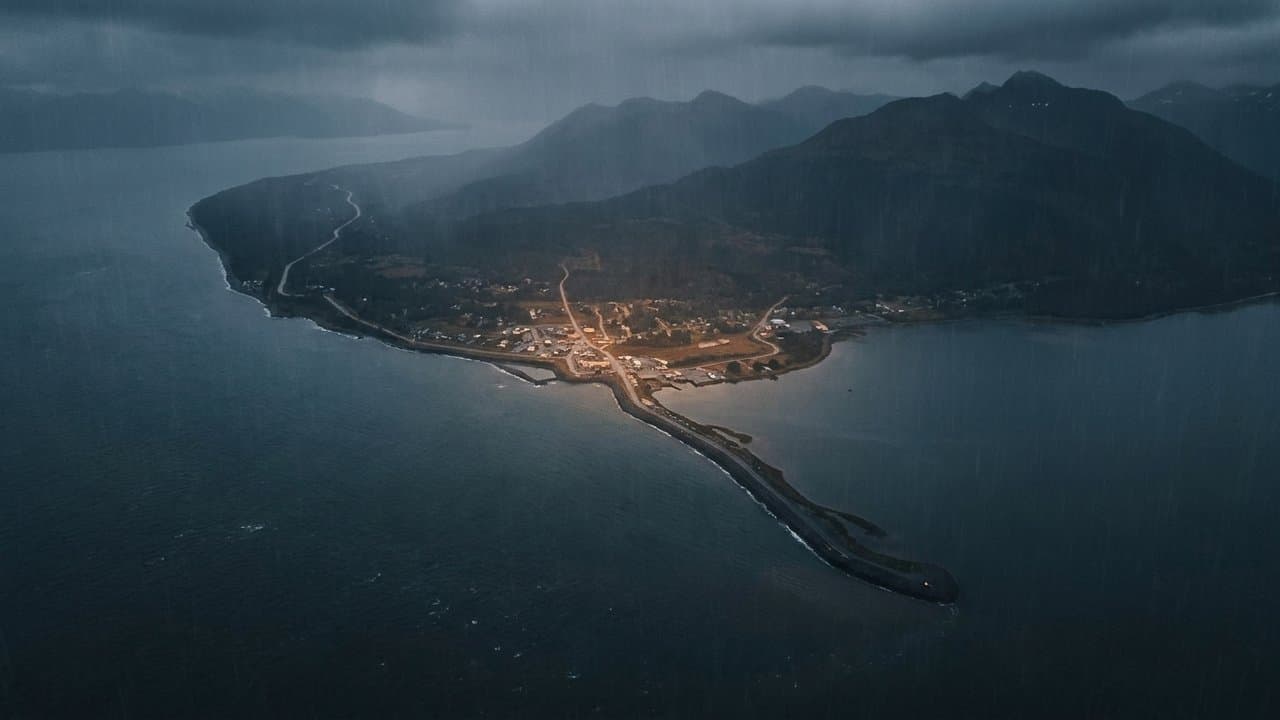
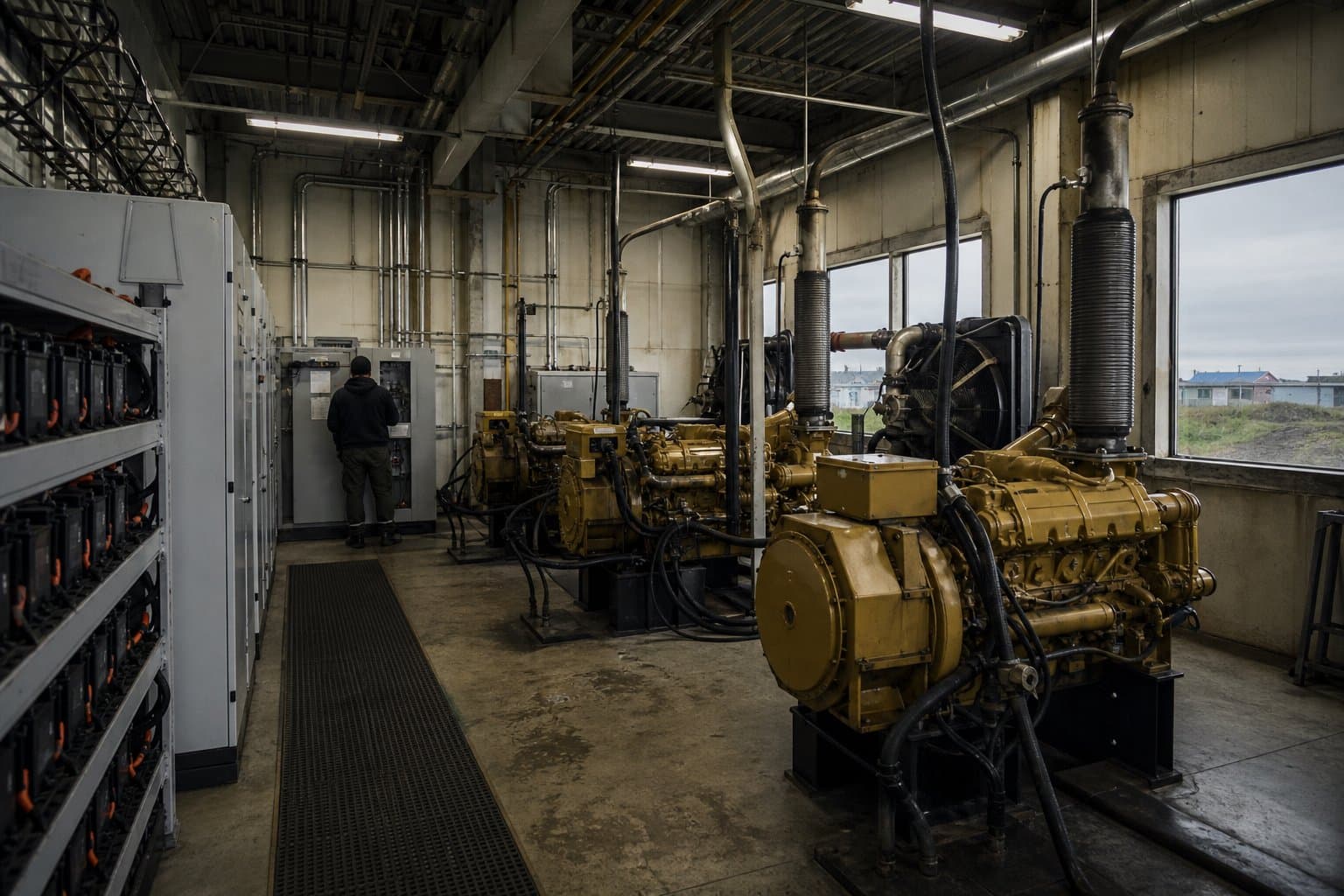
Ouzinkie, on Spruce Island near Kodiak, has one working diesel generator. Servicing it has meant shutting off power to the whole community. The battery is designed to keep the power on while crews do that work, which would lower the risk of freeze-ups and help protect the water and sewer systems families depend on, the consortium said.
The community's lake supplies both its drinking water and its hydropower. Last winter, Ouzinkie had to run the lake lower than it wanted "because everything was freezing up," Mayor Elijah Jackson said in August, when the community broke ground on the project.
"We needed power, but we couldn't run the community out of drinking water," he said. "We were in a world of hurt." Jackson also said the power went out one night last winter while he was coordinating a medevac for an Elder.
Diesel generators made nearly three-quarters of Ouzinkie's electricity over the year ending in September and burned about 43,000 gallons of fuel, according to figures the Regulatory Commission of Alaska reviewed. Hydropower made the rest.
Once commissioning is finished, the consortium projects the system will avoid more than $100,000 a year in diesel costs. It gave no date for finishing.
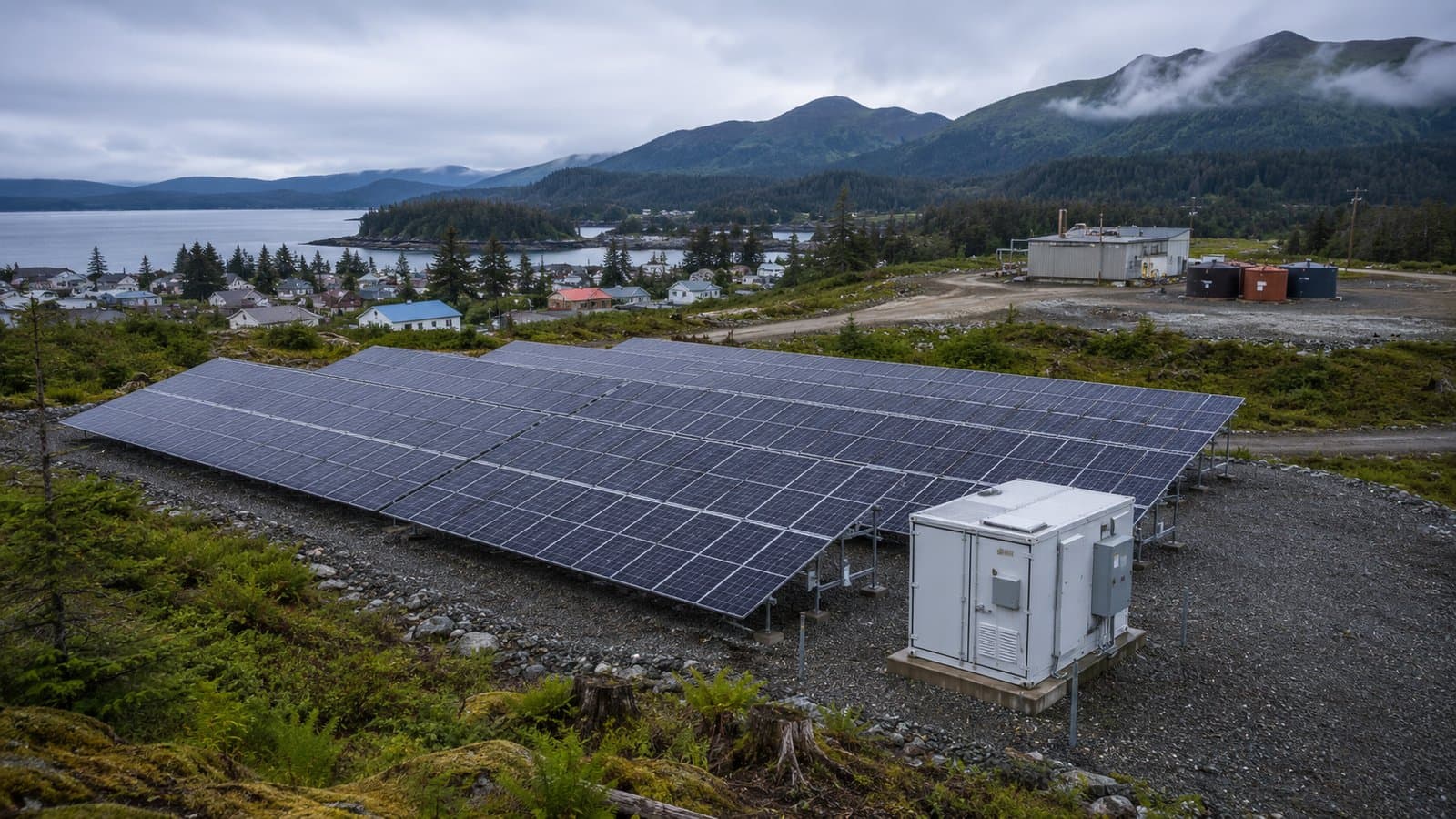
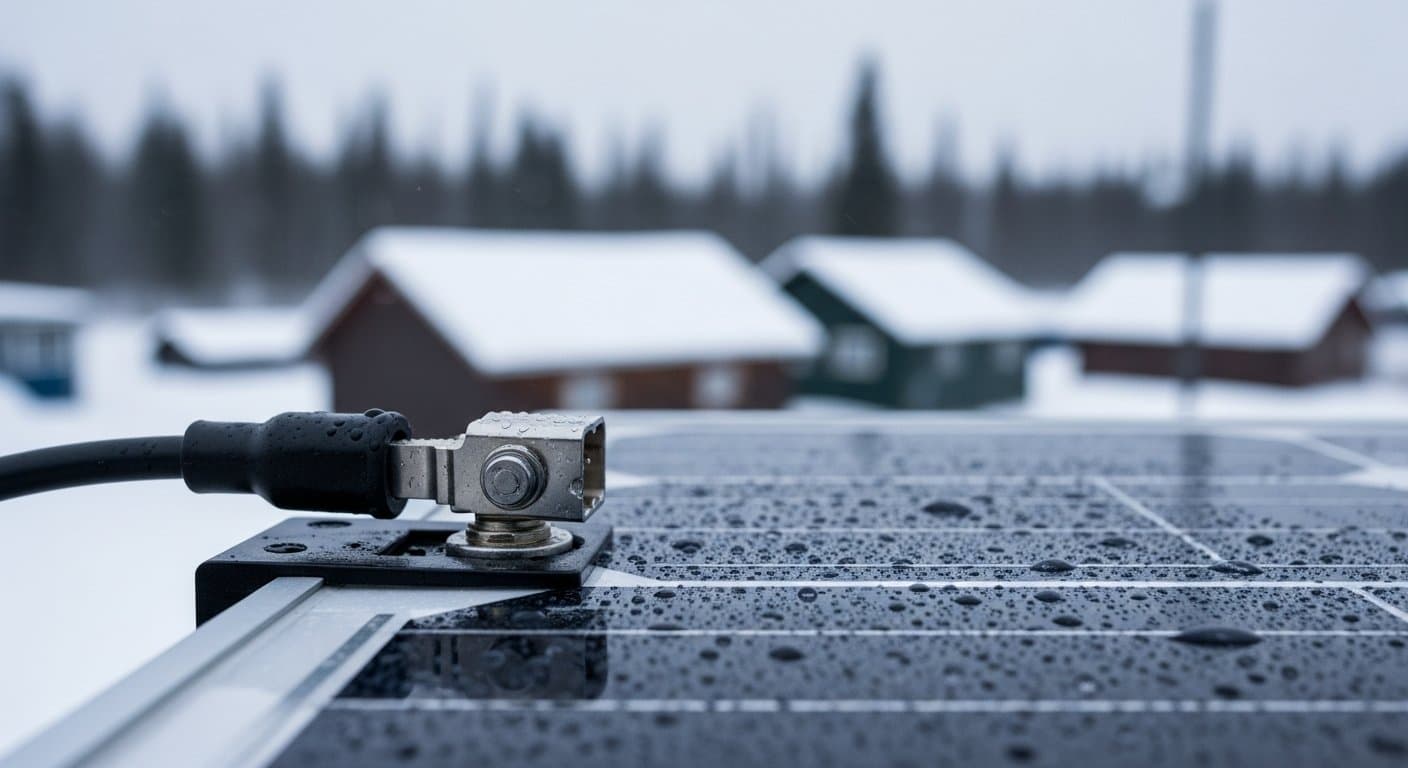
The system, on the community's former airstrip, pairs 480 solar panels with a battery that can store one megawatt-hour. Fully commissioned, it's projected to provide more than 17 hours of backup power for critical infrastructure under certain conditions, the consortium said.
The Native Village of Ouzinkie, the tribal government, will own the system and plans to sell its power to the City of Ouzinkie, which runs the electric utility. The consortium said the revenue would go toward water and sanitation.
"We have a grid that isn't connected to anything else, so we want to be sure we're able to maintain it ourselves," Tribal Administrator Kerry Ivory said in August. Thirteen residents, including Jackson, trained to install and maintain the panels.
Residents pay about 52 cents a kilowatt-hour before a state subsidy. The consortium hasn't said what the tribe will charge the city or how residents' power, water or sewer bills would change.
The total investment has been reported at about $3.6 million, the consortium said, with support from Tribal Energy Alternatives and Ouzinkie Native Corporation, the community's village corporation. It includes a nearly $2.3 million Energy Department award signed in 2024, which describes a smaller system: a 160-kilowatt solar array and a 210-kilowatt-hour battery. Neither the federal record nor the consortium says how the project grew or how the added capacity was paid for.
What did you make of this story? (no account needed)
Made by our human newsroom with AI. Reviewed by Cale Green. How humans and AI work here · Grow with our newsroom ·
Keep Alaska News free for everyone.
No paywall, ever. Members pay so everyone can read the meetings and records Alaska News covers.
Get Alaska News in your inbox
Create your free account and get the day’s top stories around 6 each morning, in a few minutes’ read.
Top stories, around 6 each morning.
Stories on what you follow, on Sundays.
Source: Alaska Native Tribal Health Consortium, Ouzinkie runs its grid on battery power alone for 45 minutes in the first diesel-off test of its Tribal-owned solar system.







Comments
Sign in to leave a comment.
No comments yet. Be the first to share your thoughts.